
 Save to Pinterest
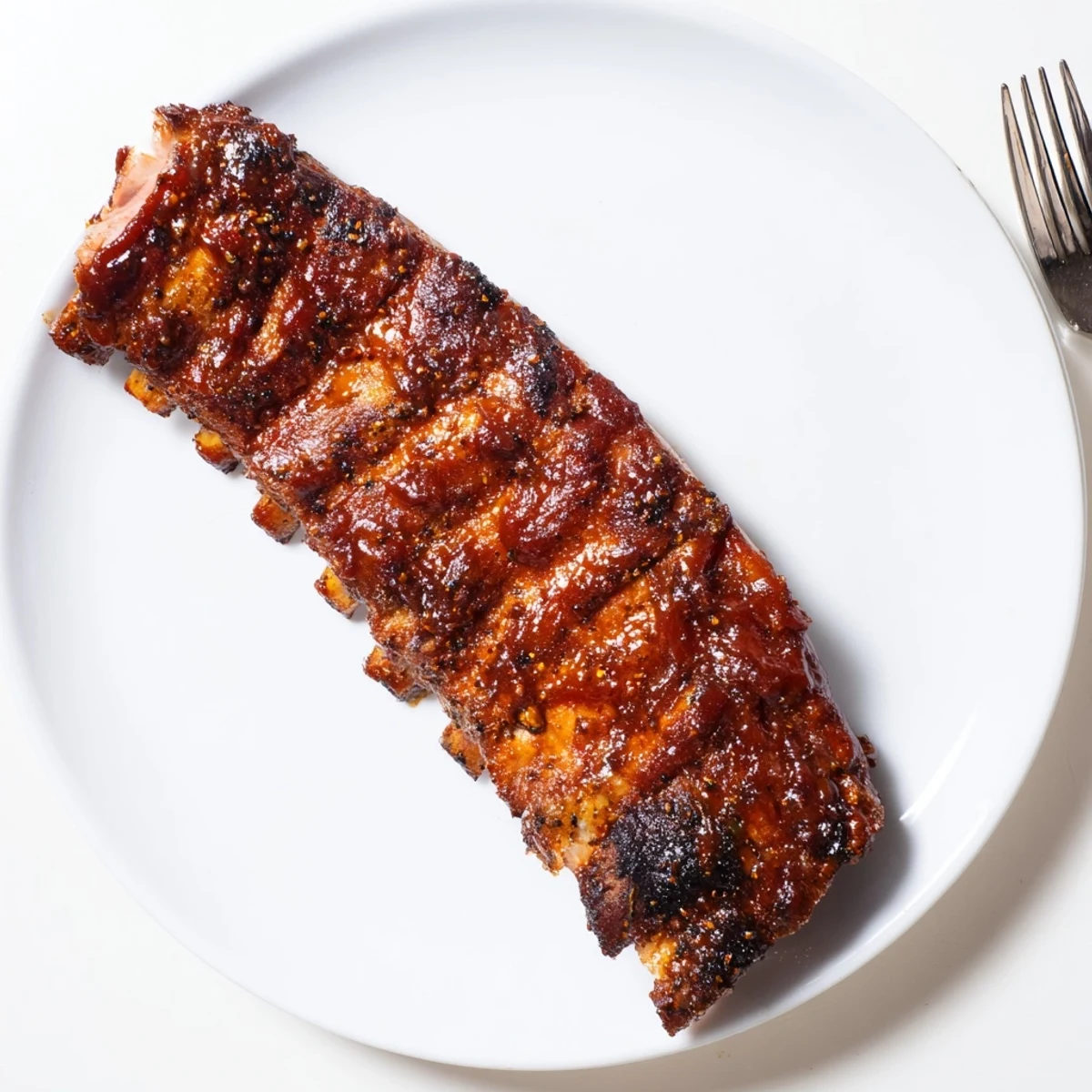
 Start by removing the membrane and coating racks with a brown sugar–paprika spice rub; let sit 20 minutes. Cook on a medium indirect grill (140–160°C/285–320°F) wrapped in foil with a splash of apple cider vinegar for about 1½ hours. Unwrap, brush generously with barbecue sauce and caramelize over direct heat 10–15 minutes, turning and basting until sticky and slightly charred. Let rest 5 minutes, slice between bones and serve with coleslaw, cornbread or grilled vegetables. For beef ribs, extend cook time by about 30 minutes and adjust to taste; always check sauces for allergens.
Something about the sound of ribs hitting a hot grill makes everyone in my backyard stop talking and look over. The sizzle is almost theatrical, a promise that something incredible is about to happen. My neighbor once climbed onto his deck railing just to get a better look at what I was basting over the flames. That was the summer I finally nailed the sticky, caramelized finish after years of ribs that were either tough or burned beyond recognition.
I made these for my brothers birthday last June and watched three grown adults eat in complete silence for ten straight minutes. The only sound was bones clattering onto the platter and satisfied groaning. My sister in law, who normally picks at her food, went back for a third rack half.
Ingredients
- 2 racks pork baby back ribs (about 2 kg): Ask your butcher to remove the membrane if you are squeamish about that step, though doing it yourself gives you a satisfying little victory.
- Brown sugar (2 tbsp): This is the foundation of your bark, helping the spice rub caramelize into something magical.
- Paprika (1 tbsp): Standard paprika brings color and a gentle earthiness that balances the sweetness.
- Smoked paprika (1 tsp): This deepens the smoky character, especially useful if you are using a gas grill instead of charcoal.
- Garlic powder (1 tsp): Always use powder here instead of fresh garlic, which burns too quickly on the grill.
- Onion powder (1 tsp): Works in tandem with the garlic to create a savory base that penetrates the meat.
- Ground black pepper (1 tsp): Freshly cracked makes a real difference in the final flavor profile.
- Salt (1 tsp): Kosher salt is my preference because it distributes more evenly across the meat surface.
- Cayenne pepper (optional): Just a half teaspoon gives a gentle warmth that does not overwhelm but keeps people reaching for more.
- Barbecue sauce (3/4 cup): Use your favorite bottle or make your own, but choose one with a balance of sweet and tangy.
- Apple cider vinegar (2 tbsp): This small splash inside the foil packet creates steam that tenderizes the meat beautifully.
Instructions
- Prep the ribs:
- Flip each rack bone side up and slide a butter knife under the thin membrane, then grab it with a paper towel and peel it off in one confident pull. This step is the single biggest secret to ribs that bite clean off the bone.
- Build your spice rub:
- Combine the brown sugar, both paprikas, garlic powder, onion powder, pepper, salt, and cayenne in a bowl and stir until the color is uniform. The mixture should smell like a warm, slightly sweet campfire.
- Season generously:
- Massage the rub over every inch of both sides of the ribs, pressing it into the meat with your palms. Let them sit at room temperature for twenty minutes while you prepare the grill so the flavors start to meld.
- Set up indirect heat:
- Preheat your charcoal or gas grill to medium, arranging the coals or burners so one side is hot and the other side is cool. You want a temperature around 150 degrees Celsius in the cooking chamber.
- Wrap and steam:
- Lay each rack on a sheet of foil, pour a tablespoon of apple cider vinegar over the meat, and seal the packet tightly. Place the packets on the cool side of the grill, close the lid, and let them cook for ninety minutes, turning once halfway through.
- Glaze and caramelize:
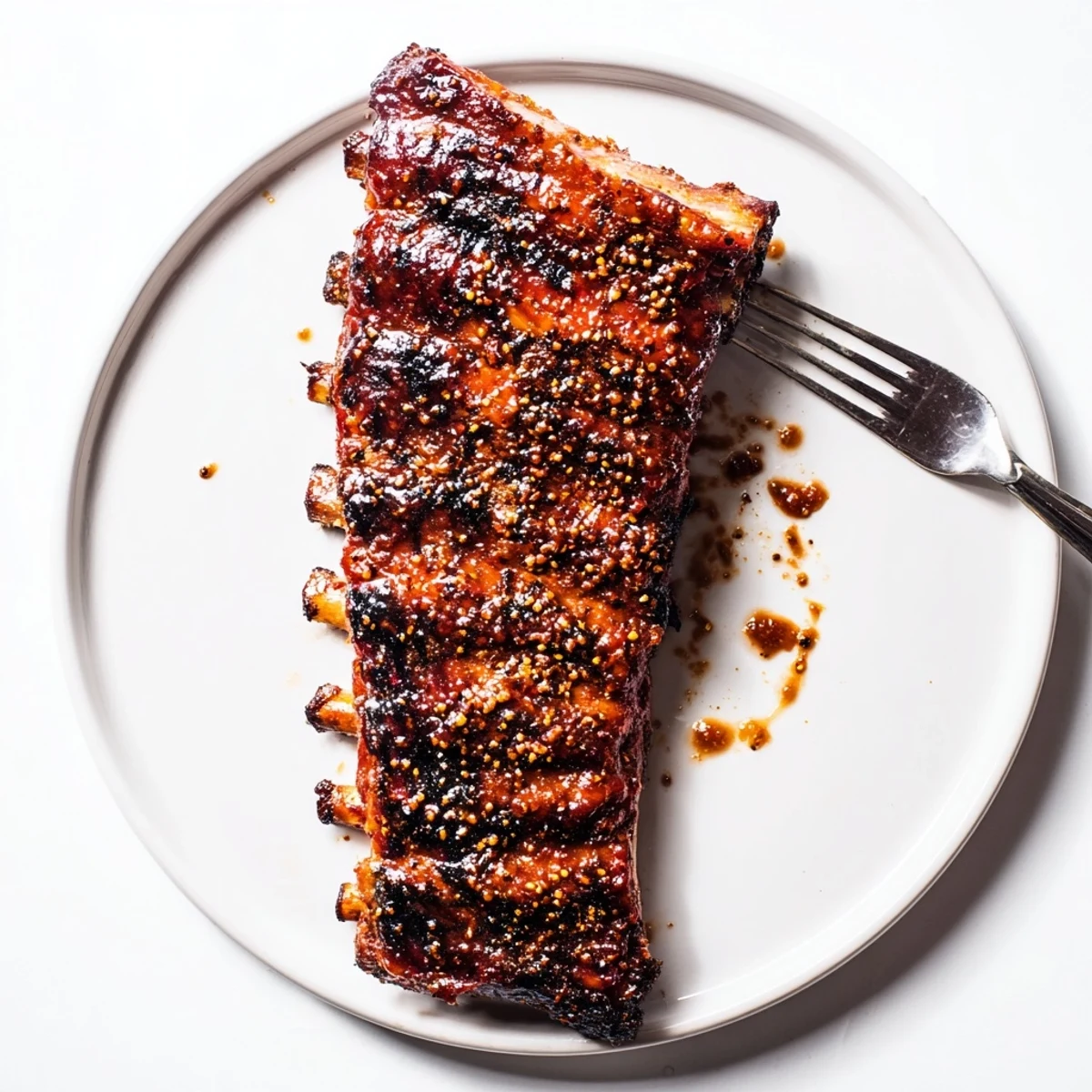
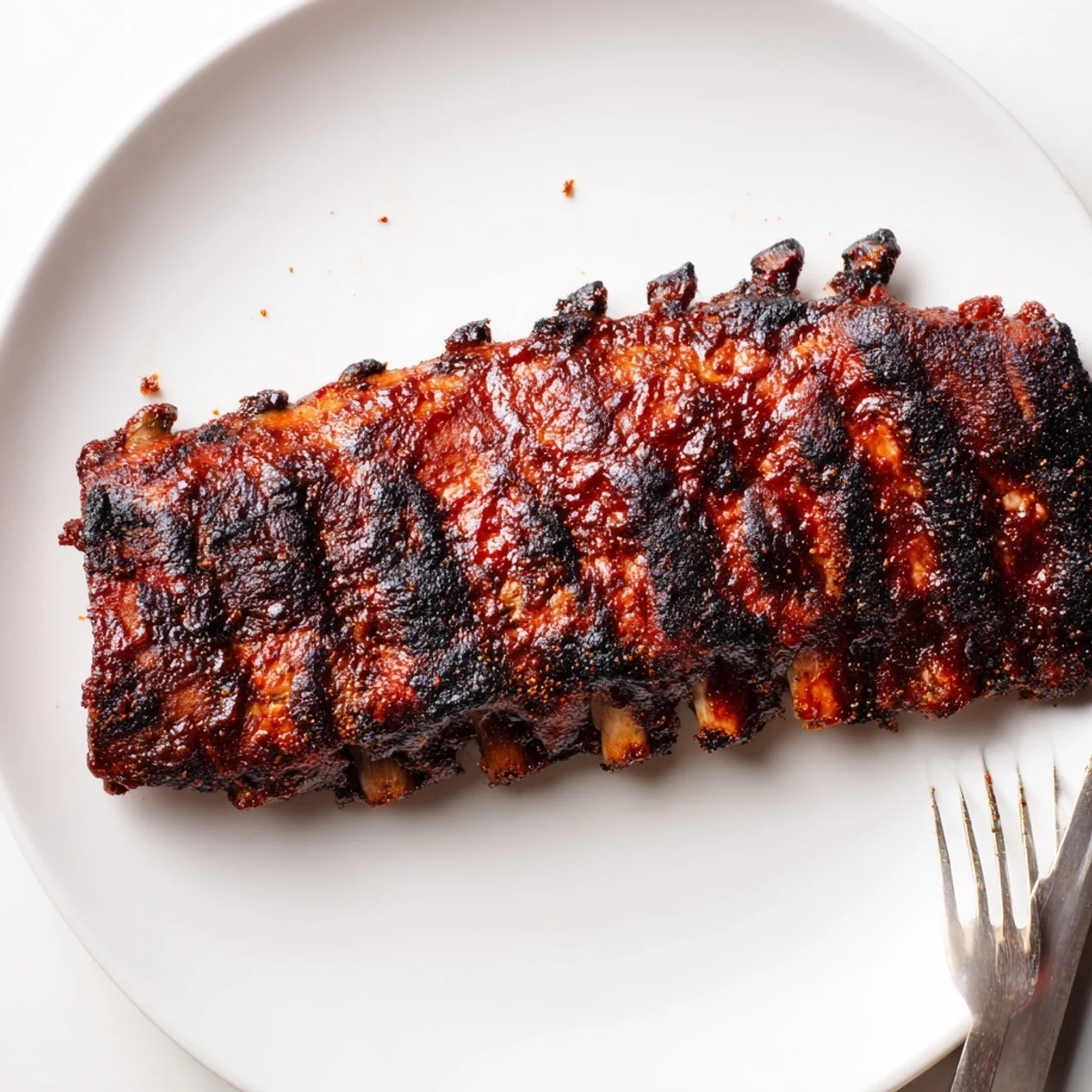
- Carefully unwrap the ribs and brush them generously with barbecue sauce on all sides. Move them to the hot side of the grill and cook for ten to fifteen minutes, turning and basting every few minutes until the sauce bubbles and chars in all the right places.
- Rest and slice:
- Pull the ribs off the grill and let them rest for five minutes before cutting between the bones. This brief pause lets the juices settle so they do not run out when you slice.
 Save to Pinterest
 The best thing I ever did with this recipe was double it unannounced and watch a table of eight people demolish every last bone. There is something primal and joyful about eating ribs with your hands, sauce on your chin, conversation flowing between bites. It transforms a regular Saturday into something worth remembering.
Choosing the Right Ribs
Look for racks with good meat coverage across the bones and a healthy layer of fat on top. Avoid racks where the bones are poking through or the meat looks gray instead of pink. Your butcher can be your best friend here, so ask questions and do not be shy about requesting a specific size.
Charcoal vs Gas Grill Considerations
Charcoal gives you a deeper smoke flavor that is hard to replicate, but gas offers more consistent temperature control for the long foil wrapped phase. I have used both successfully, and the smoked paprika in the rub does a remarkable job of compensating if you are team gas grill. Either way, a grill thermometer is worth its weight in gold.
Serving and Pairing Ideas
These ribs shine alongside anything creamy or crunchy that can stand up to their bold flavor.
- Coleslaw cuts through the richness perfectly and adds a refreshing crunch.
- Cornbread soaks up any extra sauce that drips off the bones.
- A bold Zinfandel or a cold lager beer balances the smoky sweetness without competing.
 Save to Pinterest
 Once you master these ribs, backyard cookouts will never be the same. Fire up the grill, trust the process, and enjoy every sticky, smoky bite.
Recipe FAQs
- → How do I remove the membrane from ribs?
-
Slide a blunt knife under the membrane at one end to loosen, then grab with a paper towel and pull steadily; removing it helps the rub penetrate and yields more tender meat.
- → What's the best grill method for tender ribs?
-
Use medium indirect heat (about 140–160°C/285–320°F) while ribs are wrapped in foil to cook gently, then finish unwrapped over direct heat to caramelize the glaze and add char.
- → How can I tell when the ribs are done?
-
Look for meat that has pulled back from the bone ends, a bend test where the rack cracks slightly when lifted, and tender meat that still holds together without falling apart completely.
- → Can I swap pork for beef ribs?
-
Yes—use the same method but increase the initial cook time by about 30 minutes for larger beef ribs and monitor tenderness before unwrapping to glaze.
- → How do I keep the glaze from burning?
-
Apply barbecue sauce near the end of cooking and caramelize over direct medium heat for short bursts (10–15 minutes), turning and basting to avoid scorching the sugars.
- → Any tips for making this gluten-free?
-
Check labels on store-bought barbecue sauce and spice blends; use certified gluten-free sauce or make a simple homemade glaze with tomato, vinegar, and sugar to control ingredients.
- → How should leftovers be stored and reheated?
-
Refrigerate cooled ribs in an airtight container for 3–4 days. Reheat gently in a low oven (150–160°C/300–325°F) wrapped in foil, or slice and warm on the grill with a light brush of sauce.