
 Save to Pinterest
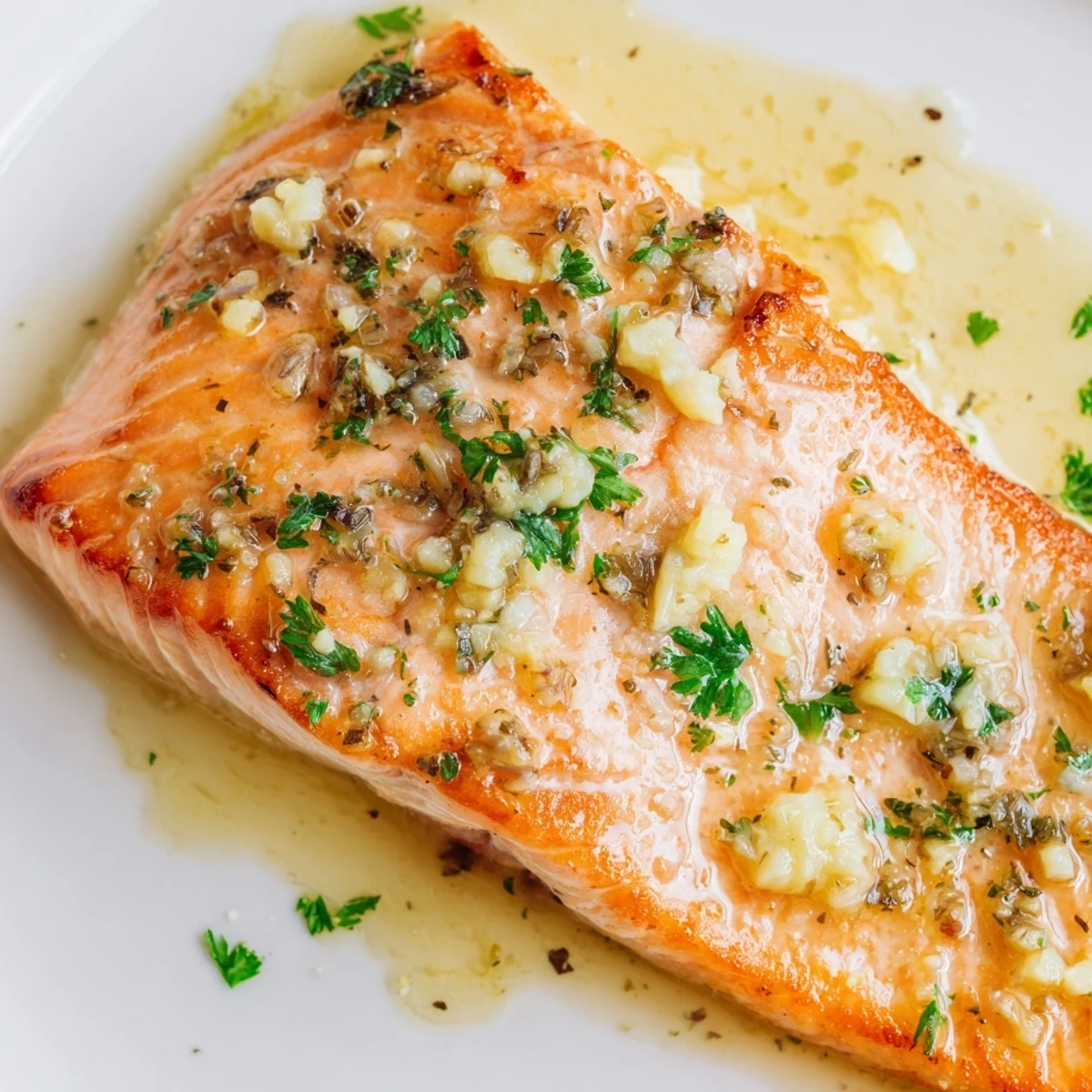
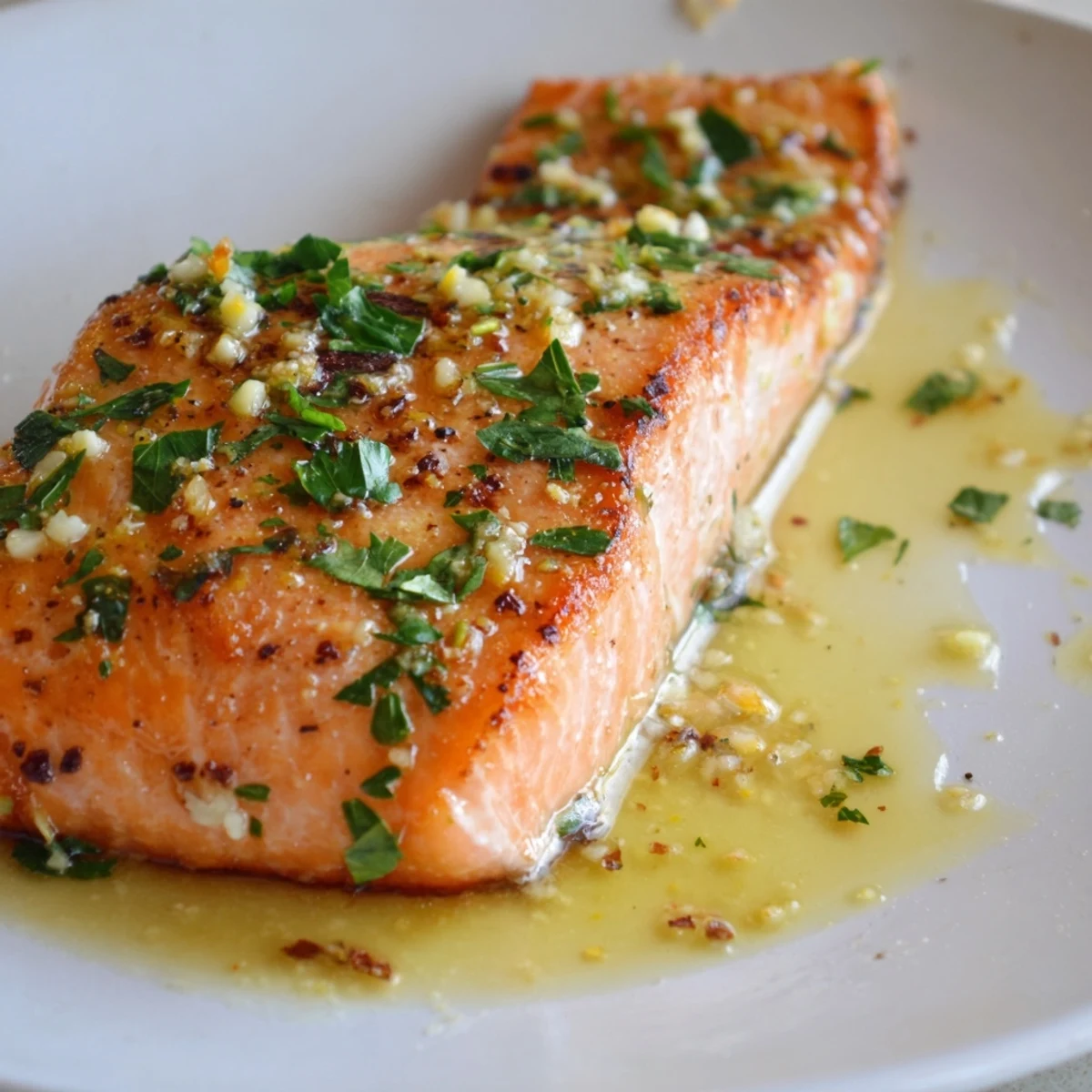
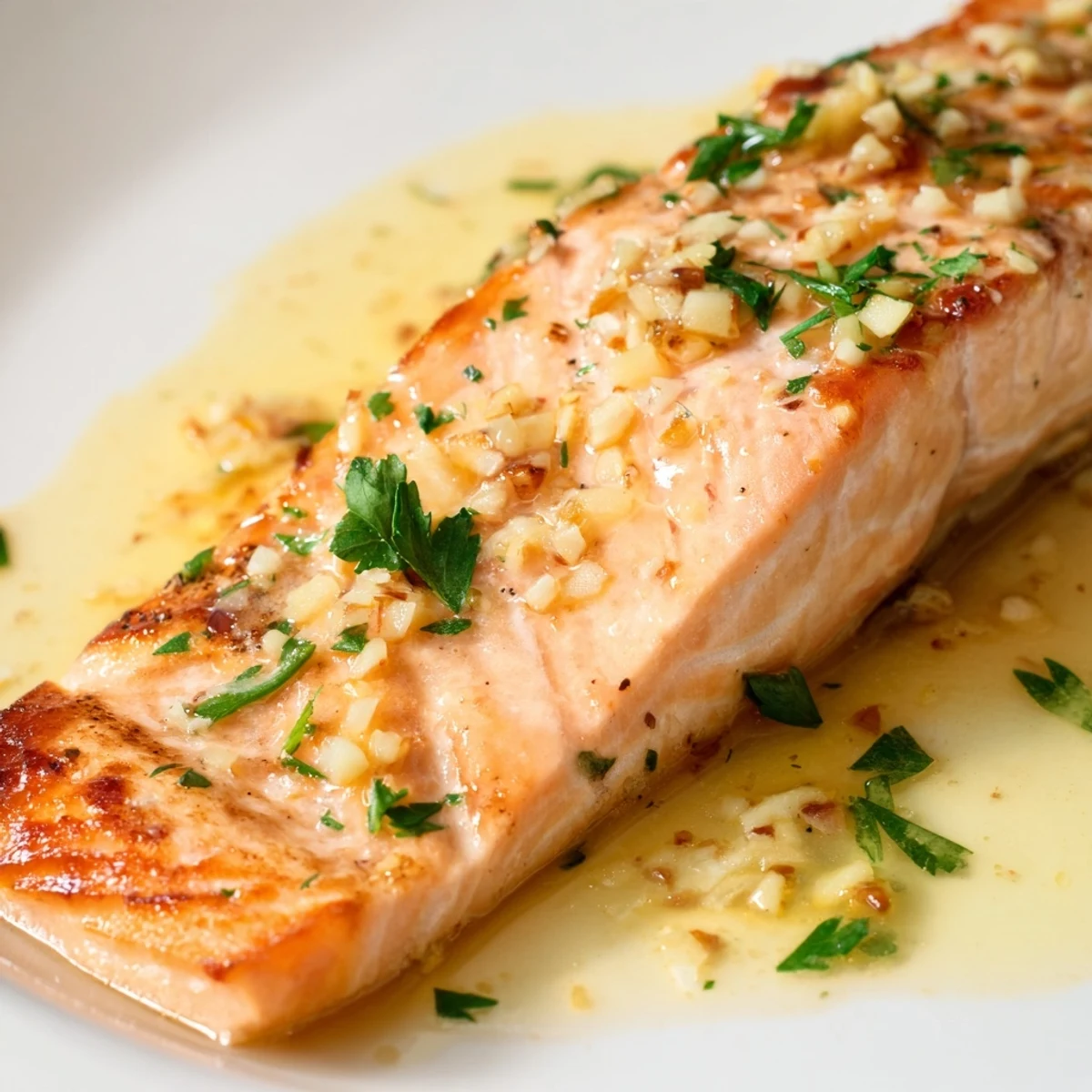
 This garlic butter salmon delivers a perfectly seared crust and a rich, aromatic sauce that comes together in under 30 minutes. Four salmon fillets are seasoned and pan-seared in butter until golden, then bathed in a quick sauce of minced garlic, fresh lemon juice, zest, and chopped parsley.
It's naturally low-carb, gluten-free, and packed with protein—making it suitable for pescatarian diets. Serve it alongside steamed vegetables, fluffy rice, or a crisp green salad for a complete meal.
A splash of white wine in the sauce adds extra richness, and a chilled glass of Sauvignon Blanc or Chardonnay makes an ideal pairing.
The sizzle of salmon hitting a hot pan is one of those sounds that makes everyone in the house wander toward the kitchen, pretending they need a glass of water. My neighbor taught me this recipe during a particularly bleak February when we had decided that Tuesday dinners deserved the same effort as Saturday ones. The garlic butter sauce pooled around the fish like something from a restaurant kitchen, and we ate standing at the counter because plating felt like an unnecessary delay.
I have served this to friends who claim they do not eat fish and watched them change their minds mid bite. Something about the caramelized edges combined with the bright lemon and rich butter makes salmon feel approachable even for skeptics. The leftovers, if there ever are any, make an incredible next day lunch flaked over a green salad.
Ingredients
- 4 salmon fillets about 170 g each: Skin on gives you a crisper sear and holds the fish together better, but skinless works fine if that is what you have.
- 4 tablespoons unsalted butter: You will use half for searing and half for building the sauce, so do not skimp here because the butter is doing most of the flavor work.
- 4 cloves garlic minced: Fresh garlic only, the jarred stuff lacks the sharp sweetness that makes this sauce sing.
- Juice of half a lemon: Roll it on the counter before squeezing to get every drop of juice out.
- Zest of half a lemon: The zest carries the floral citrus oils that juice alone cannot provide, so do not skip it.
- 2 tablespoons fresh parsley finely chopped: Adds a grassy freshness that cuts through the richness of the butter.
- Half teaspoon salt and quarter teaspoon black pepper: Seasoning the fish before searing is nonnegotiable for building flavor from the outside in.
- Lemon wedges and extra parsley for garnish: Entirely optional but they make the plate look finished.
Instructions
- Dry and season the fish:
- Pat the salmon fillets thoroughly with paper towels until the surface is completely dry, then season both sides with salt and pepper. Wet fish will steam instead of sear, so do not rush this step.
- Get the pan hot:
- Heat two tablespoons of butter in a large skillet over medium high heat until it starts foaming and smells nutty. That foam is your signal that the pan is ready.
- Sear the salmon:
- Lay the fillets in the pan skin side down and let them cook undisturbed for four to five minutes until the edges turn golden. Flip carefully and cook another two to three minutes, then transfer to a plate and tent loosely with foil.
- Build the garlic butter sauce:
- Reduce the heat to medium and add the remaining butter to the same skillet. Toss in the minced garlic and stir constantly for about one minute until your kitchen smells incredible but the garlic has not browned.
- Add brightness:
- Stir in the lemon zest, lemon juice, and chopped parsley, letting the mixture bubble for about thirty seconds so everything melds together into a silky fragrant sauce.
- Finish the salmon in the sauce:
- Return the fillets to the pan and spoon the garlic butter over them repeatedly for one to two minutes. The fish drinks up that sauce and finishes cooking gently in the residual heat.
- Serve right away:
- Transfer to warm plates, spoon any remaining pan sauce over the top, and garnish with lemon wedges and extra parsley. This dish waits for no one, so call everyone to the table before you plate.
 Save to Pinterest
 The night I made this for my family during a power outage using a camp stove on the back porch, my teenage son declared it the best meal of his life, and I think the adventure of it all made the butter taste richer. Sometimes the best dinners happen when everything goes slightly wrong and you just keep cooking anyway.
Choosing Your Salmon
Wild caught salmon has a leaner texture and more pronounced flavor, while farmed salmon is fattier and milder, and both work beautifully here. Look for fillets that are similar in thickness so they cook at the same rate, and avoid pieces with a strong fishy smell because fresh salmon should smell clean, like the ocean on a cold morning.
What to Serve Alongside
Steamed green beans or roasted asparagus are my go to sides because they let the garlic butter sauce do all the talking. A scoop of jasmine rice or crusty sourdough bread on the plate gives you something to catch every last drop of that sauce, which is really the whole point of the meal when you think about it.
Handling Leftovers and Reheating
If you are lucky enough to have leftovers, flake the cold salmon over a grain bowl or tuck it into a wrap with cream cheese and cucumber for a lunch that feels intentional rather than sad. Reheating gently in a low oven is better than the microwave, which will make the fish tough and fill your kitchen with that regretful leftover seafood smell.
- Store leftovers in an airtight container in the refrigerator for up to two days maximum.
- The garlic butter sauce will solidify when cold but melts beautifully when reheated gently.
- Never reheat salmon more than once, so only warm the portion you plan to eat.
 Save to Pinterest
 This is the kind of recipe that makes Tuesday feel like a celebration without requiring a grocery store run or a culinary degree. Just good fish, good butter, and the willingness to let a hot pan do its job.
Recipe FAQs
- → Should I use skin-on or skinless salmon fillets?
-
Both work well. Skin-on fillets crisp up beautifully when seared skin-side down and hold together during flipping. If you prefer skinless, simply reduce the initial searing time slightly and handle the fillets gently to avoid breakage.
- → How do I know when the salmon is fully cooked?
-
Salmon is done when it flakes easily with a fork and reaches an internal temperature of 63°C (145°F). The center can remain slightly translucent—it will continue cooking from residual heat once removed from the skillet.
- → Can I use salted butter instead of unsalted?
-
Yes, but reduce the added salt by half to prevent the dish from becoming overly salty. Taste the sauce before spooning it over the salmon and adjust seasoning as needed.
- → What can I substitute for parsley in the garlic butter sauce?
-
Fresh dill, chives, or tarragon are excellent alternatives. Dill pairs especially well with salmon and adds a bright, herbaceous note. Use the same quantity called for in the ingredient list.
- → How should I store and reheat leftovers?
-
Store leftover salmon in an airtight container in the refrigerator for up to 2 days. Reheat gently in a skillet over low heat with a small pat of butter to prevent drying out. Avoid microwaving, as it can make the fish tough and rubbery.
- → What side dishes pair best with garlic butter salmon?
-
Steamed asparagus, roasted broccoli, garlic mashed potatoes, or a light arugula salad complement the richness of the butter sauce. For a low-carb option, try cauliflower rice or zucchini noodles tossed in the leftover pan sauce.