
 Save to Pinterest
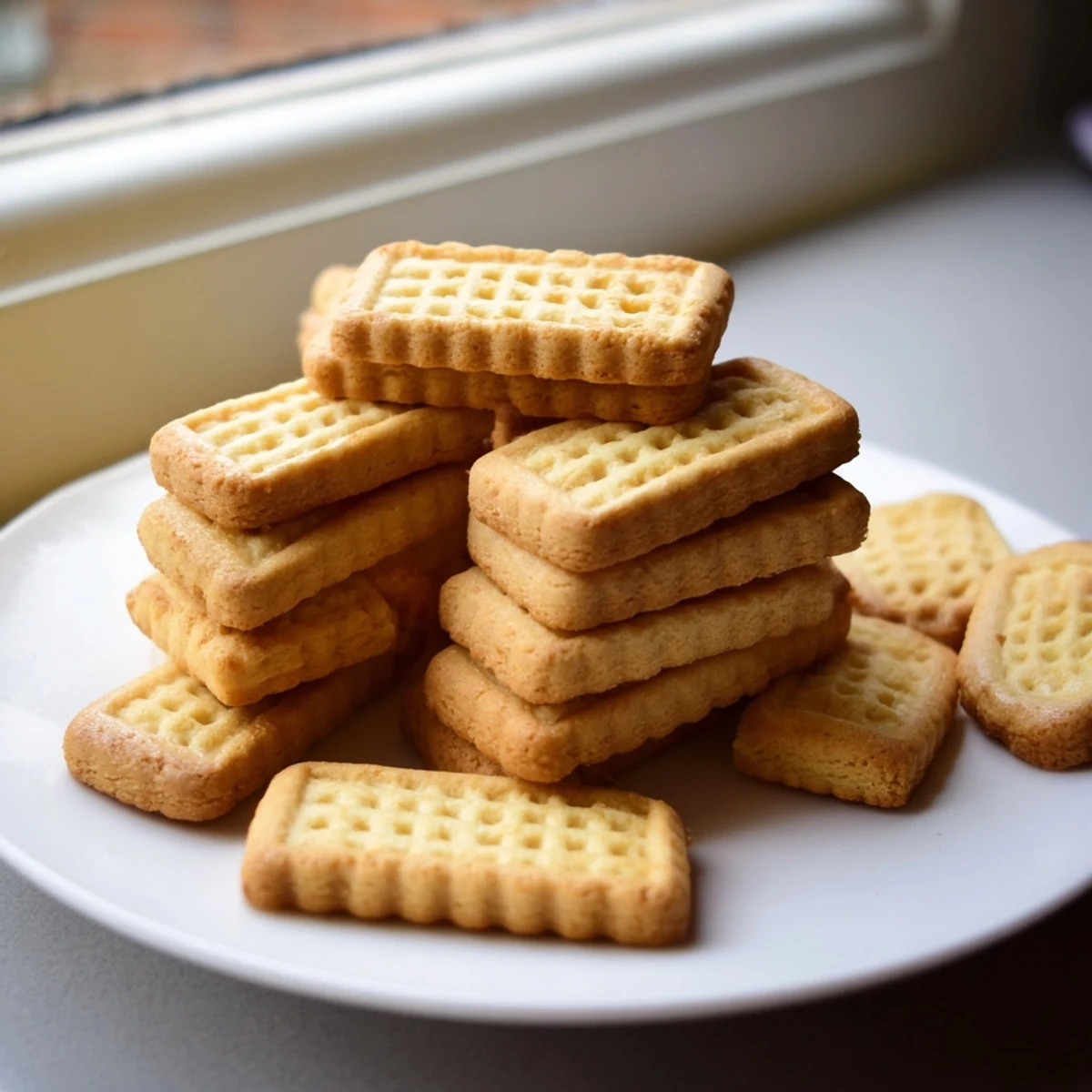
 Les petits beurres sont des biscuits emblématiques de la pâtisserie française, reconnus pour leur texture dorée et craquante. Préparés à partir d'une pâte simple au beurre fondu, lait, sucre et farine, ils se dégustent à tout moment de la journée.
Avec un temps de préparation de 20 minutes et 12 minutes de cuisson à 180°C, vous obtiendrez environ 40 biscuits légers et savoureux. Le temps de repos de 30 minutes au réfrigérateur est essentiel pour faciliter l'étalage et le découpage.
Parfaits pour l'heure du thé ou du café, ces biscuits se conservent jusqu'à une semaine dans une boîte hermétique. Pour une touche gourmande, n'hésitez pas à les tremper dans du chocolat fondu ou à parfumer la pâte avec un peu de vanille ou de zeste de citron.
There is something about the smell of browning butter on a quiet Sunday morning that makes everything else fade away, and these Petit Beurre biscuits capture that feeling perfectly. A friend from Lyon mailed me a tin of them years ago, and I spent weeks trying to recreate that exact golden snap at home. They are simpler than you would expect, relying on pantry staples and a bit of patience while the dough rests. Once you nail the technique, you will never buy store bought again.
I baked a massive batch of these for a neighborhood potluck last autumn and watched a retired French professor close his eyes after the first bite, muttering that they tasted exactly like the ones his grandmother made in Brittany. That single moment turned a humble biscuit into something I now make whenever I want to feel connected to people.
Ingredients
- 100 g unsalted butter: Use good quality European butter if you can find it, because the higher fat content gives the biscuits their signature richness and snap.
- 100 g granulated sugar: Standard white sugar dissolves evenly into the warm butter mixture and keeps the flavor clean.
- 60 ml whole milk: Whole milk adds tenderness without making the dough sticky.
- 1 pinch of salt: Do not skip this, because salt is what makes the butter flavor pop.
- 250 g all purpose flour: Spoon and level it gently to avoid packing too much into your measuring cup.
- 5 g baking powder (about half a packet): Just enough lift to keep the biscuits from becoming rock hard.
Instructions
- Melt and blend the base:
- In a small saucepan over low heat, melt the butter with the milk, sugar, and salt, stirring gently until the butter is completely liquid and the sugar has dissolved. Take it off the heat and let it cool until it feels just warm to the touch.
- Combine the dry ingredients:
- In a large bowl, whisk together the flour and baking powder until evenly distributed.
- Form the dough:
- Pour the warm butter mixture into the flour and stir with a wooden spoon until a shaggy dough forms, then switch to your hands and knead gently until everything comes together into a smooth ball. Avoid overworking it or the biscuits will toughen.
- Rest the dough:
- Wrap the dough ball tightly in plastic wrap and tuck it into the refrigerator for at least 30 minutes so it firms up enough to roll cleanly.
- Preheat the oven:
- Set your oven to 180 degrees Celsius using conventional heat and line a baking sheet with parchment paper.
- Roll and cut:
- On a lightly floured surface, roll the dough out to about 5 millimeters thick and cut out your biscuits using a traditional Petit Beurre cutter or a simple knife into rectangles. Gather scraps, reroll, and cut again until the dough is used up.
- Prick and arrange:
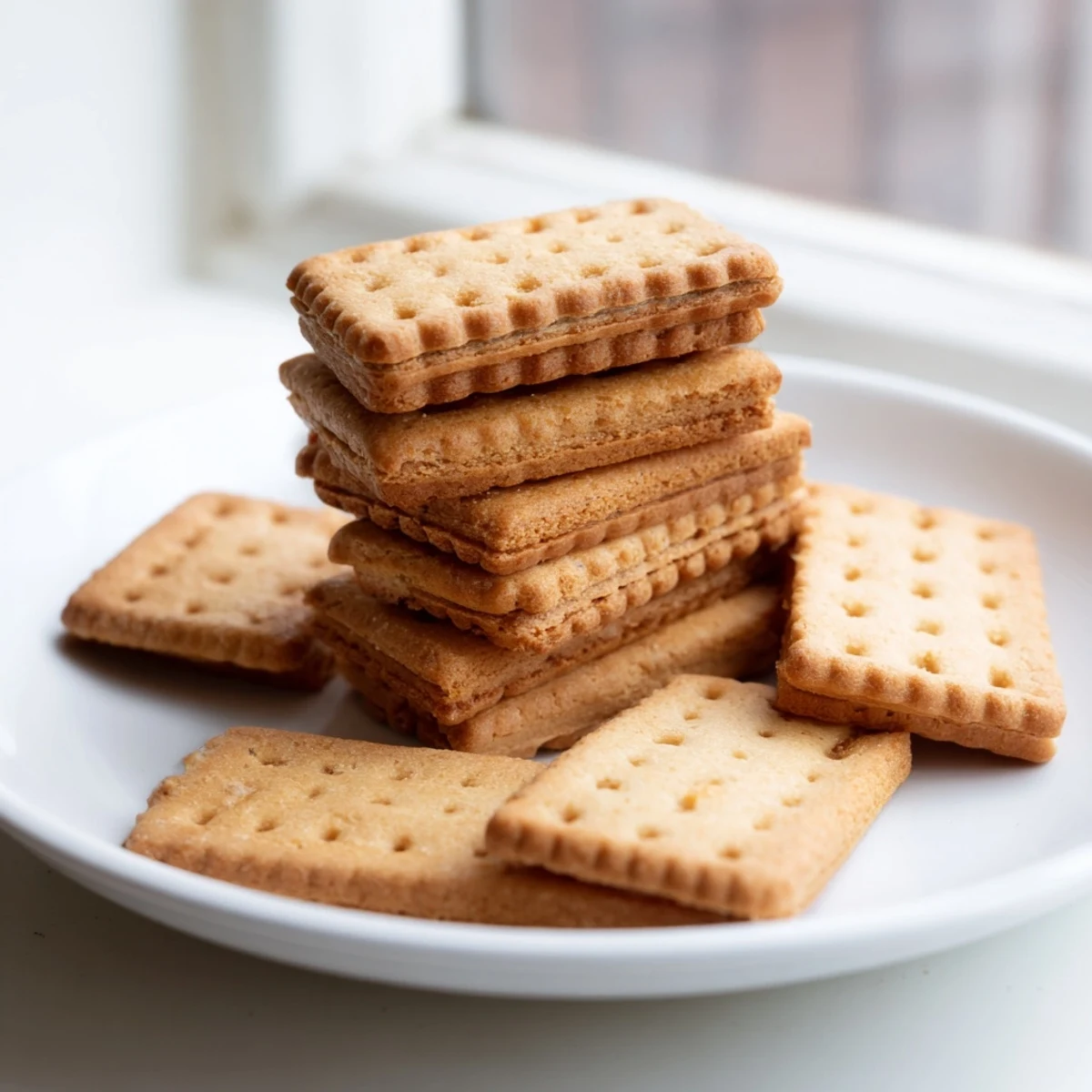
- Place each biscuit on the prepared baking sheet and dock them a few times with a fork for that classic pattern and even baking.
- Bake until golden:
- Slide the tray into the oven and bake for 12 minutes, watching for the edges to turn a warm golden brown while the centers stay pale.
- Cool completely:
- Transfer the biscuits to a wire rack and let them cool entirely before eating, because they crisp up dramatically as they rest.
 Save to Pinterest
 The true magic happened when my daughter started arranging them on a plate for her stuffed animals tea parties, narrating the whole ritual in a mix of French and English.
Storing Your Biscuits
Keep them in a truly airtight tin at room temperature and they will maintain their satisfying crunch for up to seven days. I once used a loosely covered container and found them soft by day three, which was a lesson learned the hard way.
Fun Variations to Try
A pinch of vanilla powder or finely grated lemon zest folded into the dry ingredients transforms the flavor without changing the texture. During the holidays I dip half of each biscuit in melted dark chocolate and let them set on parchment, which makes them look like they came from a Parisian patisserie.
Allergen and Nutrition Notes
These contain both gluten and dairy, so they are not suitable for anyone avoiding either. Each biscuit clocks in at roughly 45 calories, making them a reasonable little treat alongside an afternoon coffee.
- Always double check ingredient labels if you are baking for someone with allergies.
- European butter sometimes contains different allergen traces depending on the brand.
- When in doubt, print the ingredient list and hand it to your guests directly.
 Save to Pinterest
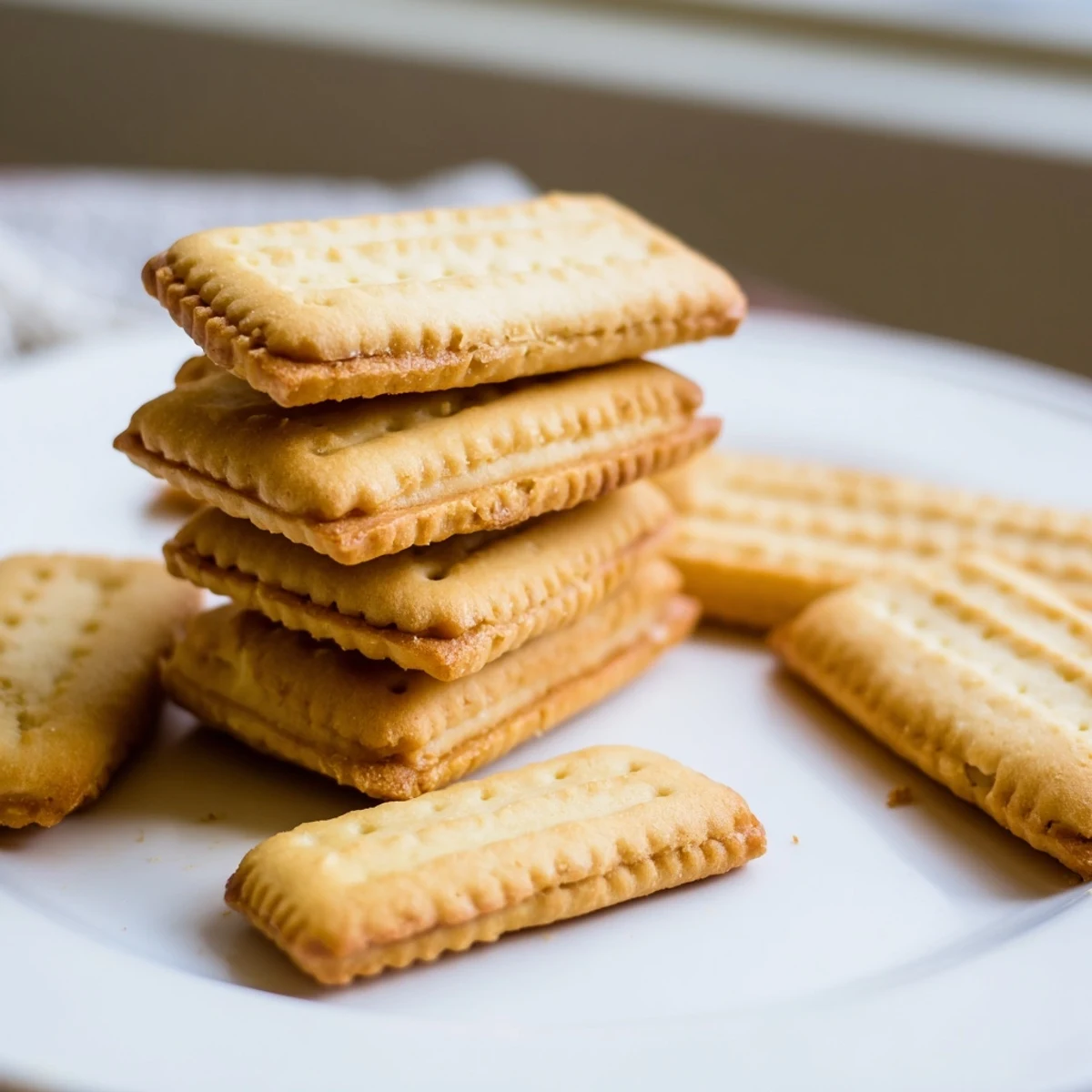
 Every time I open a tin of these golden biscuits, I am transported back to that quiet kitchen in Lyon, and that is the real gift of homemade food.
Recipe FAQs
- → Pourquoi faut-il laisser reposer la pâte au réfrigérateur ?
-
Le repos au frais pendant 30 minutes permet au beurre de se figer, ce qui rend la pâte plus ferme et plus facile à étaler et découper. Sans cette étape, la pâte serait trop collante et molle pour être travaillée correctement.
- → Peut-on utiliser un emporte-pièce classique ?
-
Oui, vous pouvez utiliser n'importe quel emporte-pièce ou simplement un couteau pour découper vos biscuits. L'emporte-pièce spécial petit-beurre donne la forme traditionnelle rectangulaire aux bords dentelés, mais des formes rondes ou carrées fonctionnent tout aussi bien.
- → Comment obtenir des biscuits bien dorés sans les brûler ?
-
Surveillez la cuisson à partir de 10 minutes. Les biscuits sont prêts lorsque les bords commencent à dorer légèrement. La couleur dorée du centre apparaîtra en refroidissant. Utilisez une chaleur traditionnelle à 180°C pour une cuisson homogène.
- → Peut-on remplacer le beurre doux par du beurre salé ?
-
Oui, vous pouvez utiliser du beurre demi-sel ou salé. Dans ce cas, réduisez ou supprimez la pincée de sel indiquée dans les ingrédients pour éviter que les biscuits ne soient trop salés.
- → Combien de temps se conservent les petits beurres ?
-
Conservez vos petits beurres dans une boîte hermétique à température ambiante. Ils se gardent environ une semaine tout en restant craquants. Vous pouvez également les congeler jusqu'à 3 mois.
- → Pourquoi piquer les biscuits à la fourchette ?
-
Le piquage à la fourchette est une tradition qui empêche les biscuits de gonfler pendant la cuisson en permettant à la vapeur de s'échapper. Cela contribue également à l'aspect décoratif caractéristique du petit beurre.