
 Save to Pinterest
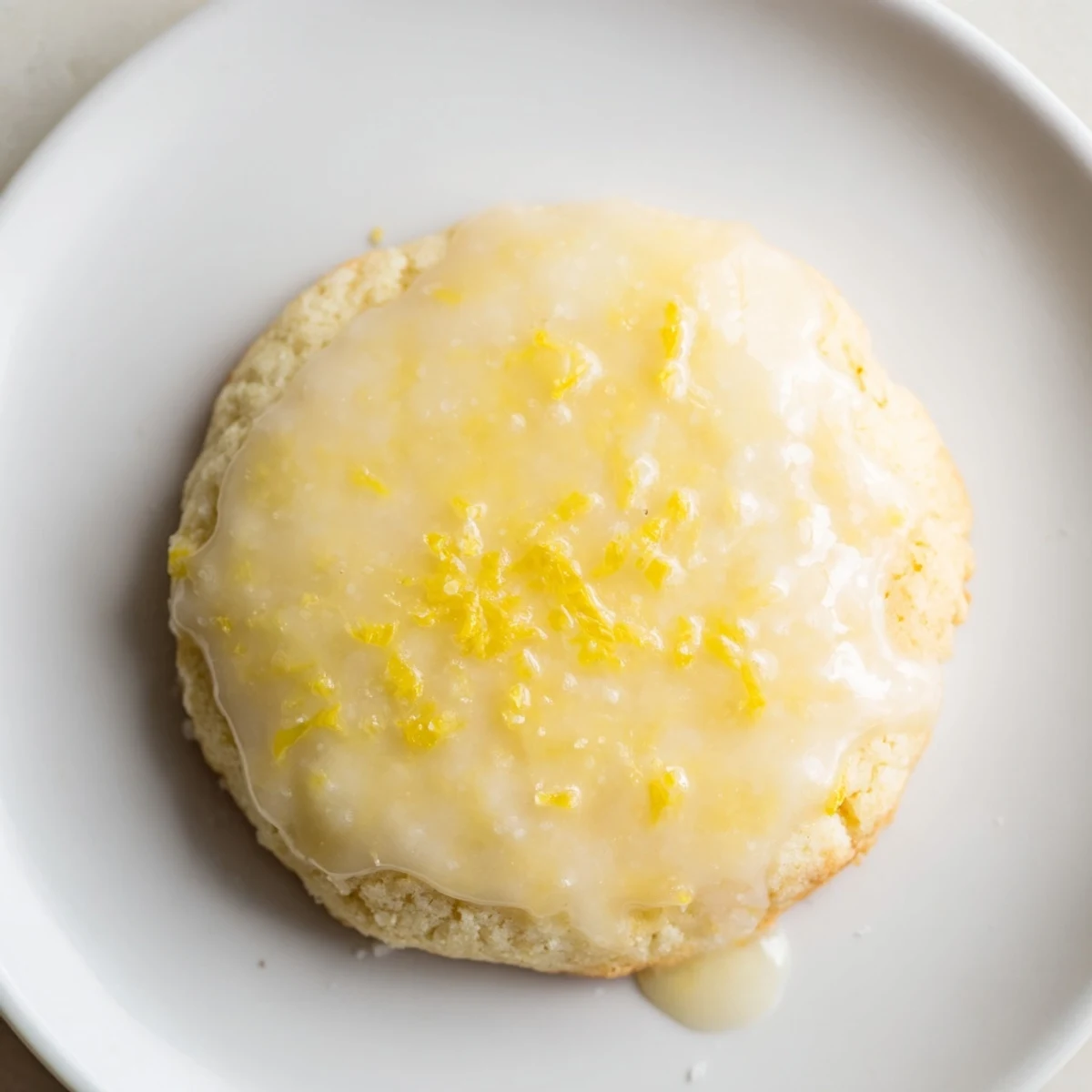
 Cream butter and sugar until light, then fold in egg, lemon zest and juice, and vanilla. Add dry ingredients and scoop tablespoon-sized portions onto lined sheets; bake 10–12 minutes until edges are lightly golden. While cooling, whisk powdered sugar with lemon juice to desired consistency and stir in extra zest if desired. Makes 24 cookies; prep ~20 minutes, bake ~12 minutes. Store airtight up to 5 days.
The screen door slammed and the smell hit me before I even reached the kitchen: butter browning at the edges, sugar caramelizing, and underneath it all, the sharp green perfume of lemon zest my mother was grating directly over a mixing bowl. She only made these cookies once a year, always on the first Saturday the forsythia bloomed. I stood in the doorway watching her knuckles work the Microplane back and forth, tiny yellow flecks catching the morning light like confetti. That smell is permanently wired to spring in my brain.
I brought a plate of these to a potluck once and watched a woman eat four of them standing up, barely pausing to set her drink down between bites. She tracked me down before leaving to ask for the recipe, and we ended up talking for half an hour about our grandmothers and citrus trees. Food does that sometimes, breaks the ice in ways you never expect.
Ingredients
- All-purpose flour (2 1/4 cups, 280 g): Spoon and level rather than scooping directly, which packs the flour and yields dense cookies.
- Baking powder (1/2 teaspoon) and baking soda (1/4 teaspoon): This small but mighty duo gives the cookies a gentle lift without spreading them too thin.
- Salt (1/4 teaspoon): Just enough to make the sweetness interesting and the lemon pop.
- Unsalted butter, softened (1 cup, 225 g): Leave it out for about an hour so it yields to a gentle press but still holds its shape.
- Granulated sugar (1 cup, 200 g): White sugar keeps the cookie pale enough to show off the glaze beautifully.
- Large egg (1): Binds everything together and adds richness without heaviness.
- Lemon zest (2 tablespoons, from about 2 lemons): The essential oils live here, not in the juice, so zest aggressively and right before mixing.
- Freshly squeezed lemon juice (2 tablespoons for dough, 2 to 3 tablespoons for glaze): Roll the lemon on the counter first to get maximum juice from each one.
- Pure vanilla extract (1 teaspoon): Rounds out the acidity of the lemon with a quiet warmth.
- Powdered sugar (1 cup, 120 g, for glaze): Sift it to avoid lumps that show up uninvited in your smooth glaze.
Instructions
- Prep the oven and pans:
- Set your oven to 350°F (175°C) and line two baking sheets with parchment paper so nothing sticks and cleanup is effortless.
- Whisk the dry ingredients:
- In a medium bowl, combine the flour, baking powder, baking soda, and salt with a whisk until evenly distributed.
- Cream butter and sugar:
- Beat the softened butter and granulated sugar in a large bowl for 2 to 3 minutes until the mixture looks pale, fluffy, and dreamy.
- Add the wet flavor builders:
- Drop in the egg, lemon zest, lemon juice, and vanilla, then beat until everything is smooth and fragrant.
- Bring dough together:
- Add the dry ingredients gradually, mixing just until the last streak of flour disappears into a soft, cohesive dough.
- Shape and space the cookies:
- Scoop tablespoon-sized mounds onto the baking sheets, leaving about 2 inches of breathing room between each one.
- Bake until barely golden:
- Slide the sheets into the oven for 10 to 12 minutes, watching for lightly golden edges while the centers stay pale and soft.
- Make the glaze while cooling:
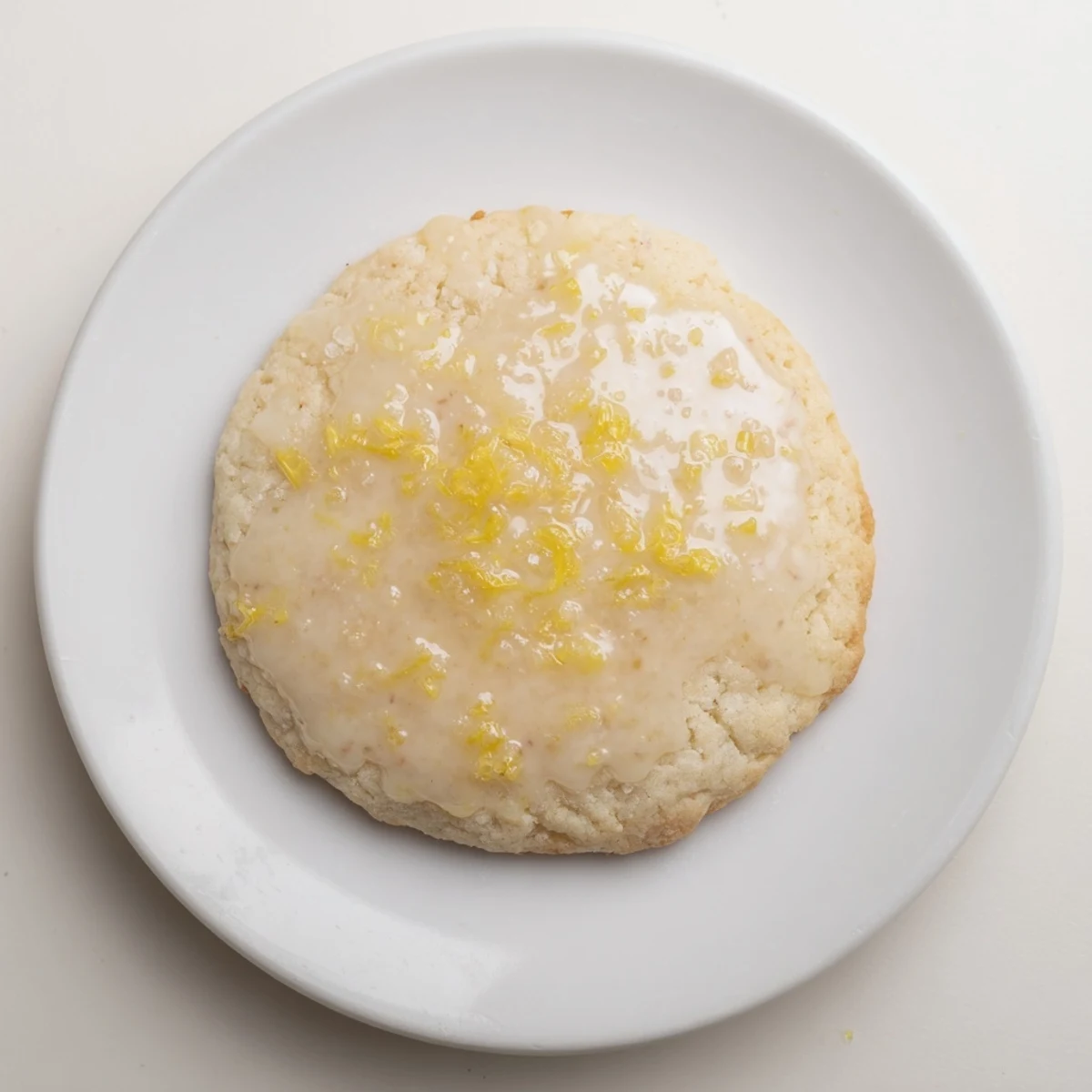
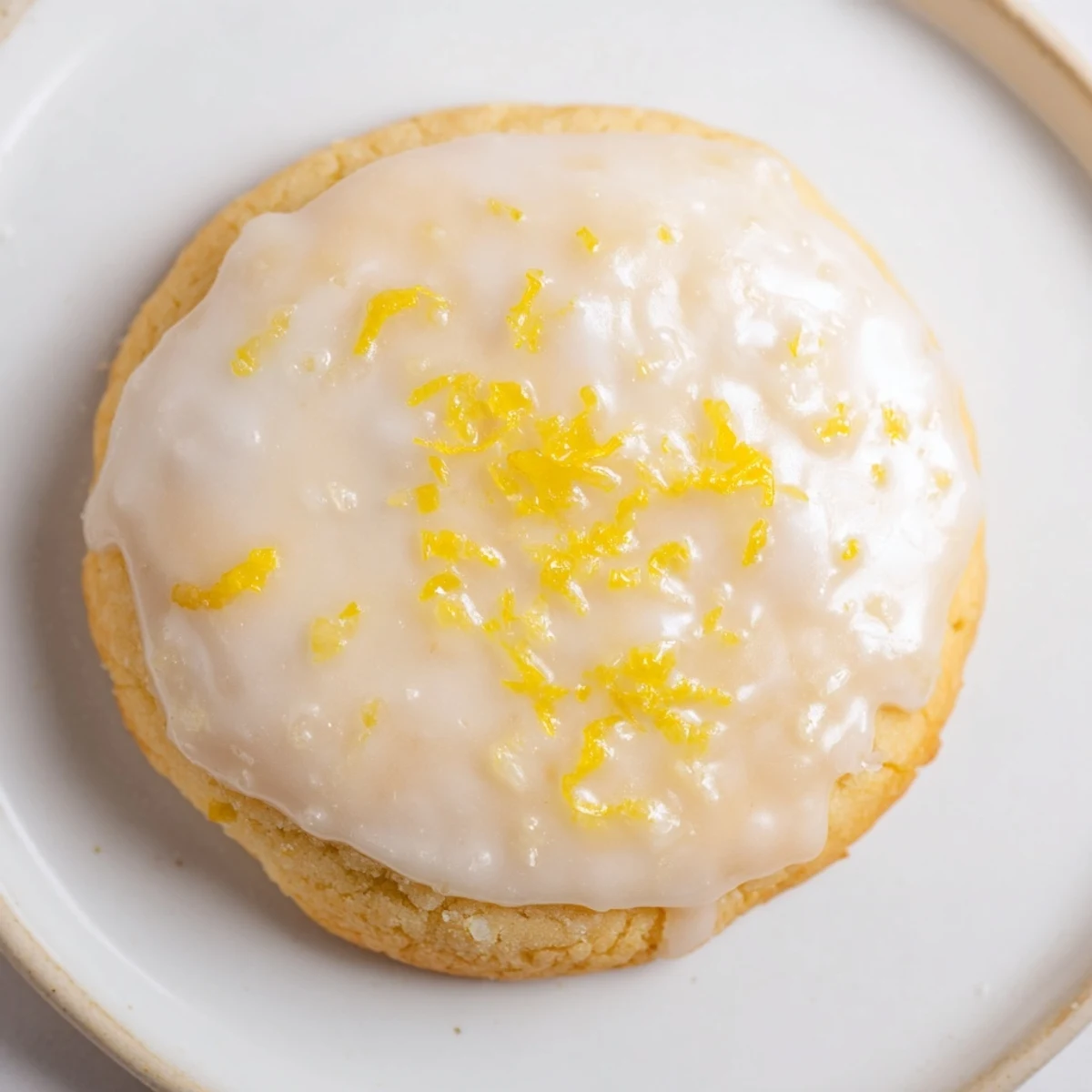
- Whisk powdered sugar with lemon juice one tablespoon at a time until the glaze is thick but pourable, then stir in extra zest if you want a bolder finish.
- Glaze and set:
- Drizzle or spread the glaze over the completely cooled cookies and let them sit until the icing firms up and loses its wet sheen.
 Save to Pinterest
 One spring my daughter helped me make these and she dumped the entire glaze bowl over a single cookie, cackling like a tiny villain. That lopsided, drowning cookie was the best one on the tray, and now we always make one absurd over-glazed cookie just for her.
Tools That Actually Help
A Microplane zester is non-negotiable here because the fine grate releases far more essential oil than a bulky box grater ever could. An electric mixer saves your arm during creaming, but a whisk and some determination will get you there too. Parchment paper rather than a greased sheet means the bottoms bake evenly without dark spots.
Storing and Sharing
These cookies keep beautifully in an airtight container at room temperature for up to five days, though in my experience they vanish by day two. Layer them between sheets of wax paper if you are stacking, or the glaze smears onto the bottom cookie and looks messy. You can also freeze the unglazed baked cookies for a month, then thaw and glaze when you need a burst of sunshine on a gray afternoon.
Making It Your Own
Sometimes I add a tablespoon of poppy seeds to the dough for a lemon poppy seed vibe that feels a little more bakery-special. A friend swears by swapping half the lemon zest for orange zest, which gives the cookies a warmer, rounder citrus profile.
- Gluten-free flour blends work well here if you measure carefully and add an extra tablespoon to compensate for the softer texture.
- For a mocha counterpoint, try adding a quarter teaspoon of finely ground black pepper to the dry ingredients.
- Taste your lemons before committing, as some are floral and mild while others are aggressively sour and will shift the whole balance.
 Save to Pinterest
 Make these once and they will become the thing everyone asks you to bring to every potluck, picnic, and porch gathering from here on out. That is the quiet power of a really good lemon cookie.
Recipe FAQs
- → Can I use bottled lemon juice?
-
Fresh lemon juice gives the brightest, cleanest citrus flavor. Bottled juice will work in a pinch, but taste and adjust quantity since bottled can be less vibrant.
- → How do I get a tender, not cakey, texture?
-
Beat butter and sugar until light and fluffy, avoid overmixing once flour is added, and watch bake time closely; removing when edges are just golden yields a tender center.
- → How thick should the glaze be?
-
Start with 2 tablespoons lemon juice and add gradually—glaze should coat a spoon and drizzle slowly. Add more sugar for a thicker spreadable glaze or more juice for a thinner drizzle.
- → Can I freeze the dough or baked cookies?
-
You can freeze dough balls on a tray, then transfer to a bag for up to 3 months; bake from frozen adding a minute or two. Baked cookies freeze well; thaw and then glaze for best texture.
- → Any tips for brighter lemon flavor?
-
Use plenty of fresh zest in both dough and glaze, and consider adding a teaspoon of lemon juice to the glaze last to preserve its punch. Zest contains concentrated oils for vivid aroma.
- → How should I store glazed cookies?
-
Let glaze set completely, then store cookies in an airtight container at room temperature up to 5 days. Layer with parchment to prevent sticking.