
 Save to Pinterest
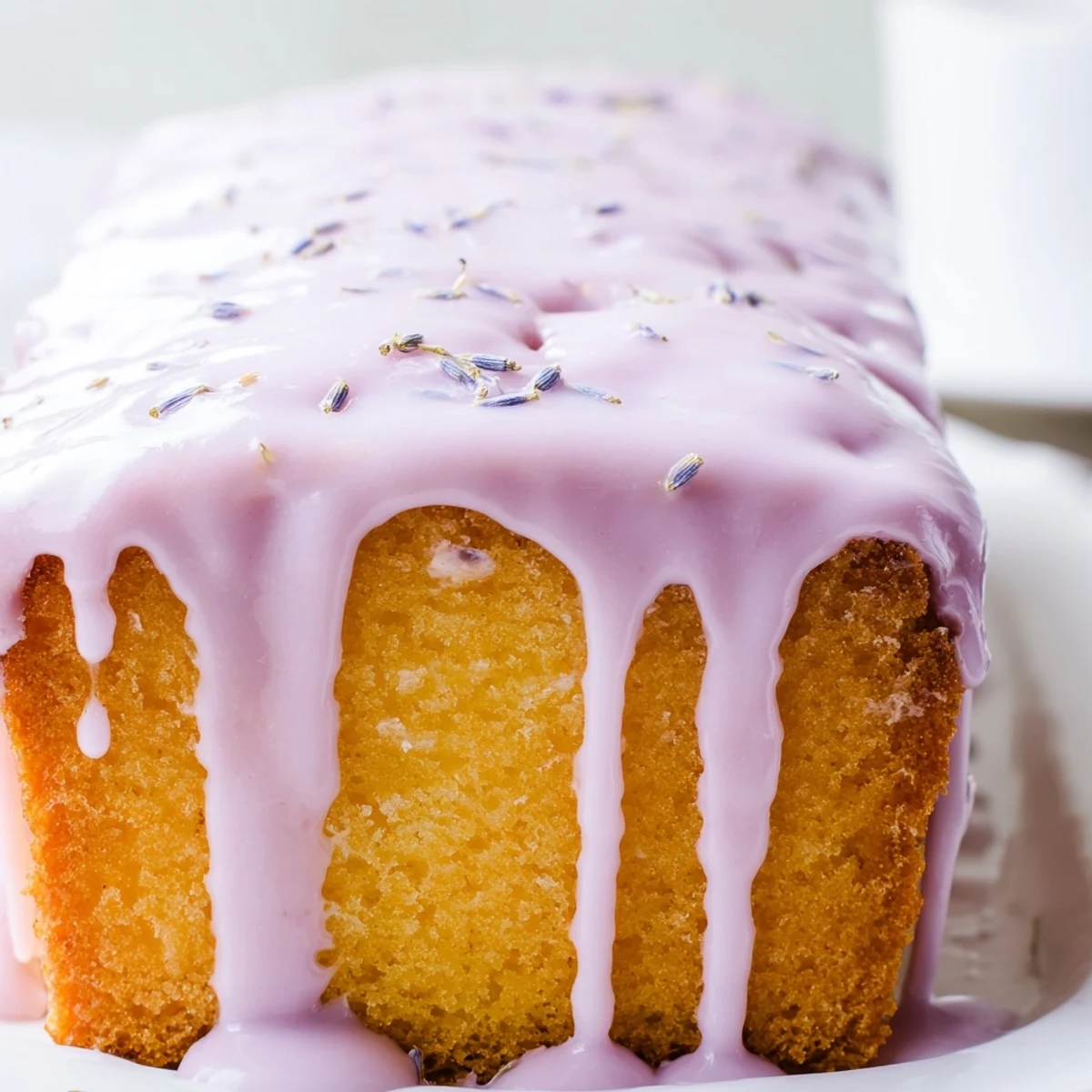
 This aromatic glaze combines dried culinary lavender with whole milk, creating a fragrant infusion that pairs beautifully with powdered sugar. The result is a smooth, pourable topping with subtle floral sweetness that enhances pound cakes, sugar cookies, and scones. Ready in under 10 minutes, this versatile glaze can be thinned or thickened to your preferred consistency.
The first time I made lavender glaze, I was trying to recreate a scone I'd had at a tiny bakery in Provence. The owner had laughed when I asked for the recipe, saying the secret was patience with the steeping. She wasn't wrong.
I brought a batch of lavender glazed scones to a friend's brunch last spring, and her mother actually stopped mid conversation to ask what bakery I'd visited. Watching people's faces when they taste something unexpectedly delicate never gets old.
Ingredients
- Dried culinary lavender: Please don't use lavender from your garden unless you're certain it's culinary grade and hasn't been treated with anything
- Whole milk: The fat carries the lavender flavor better, though I've used oat milk successfully for vegan friends
- Powdered sugar: Creates that smooth drape-y consistency granulated sugar just can't achieve
- Lemon juice: Just enough to wake up the floral notes so they don't taste like soap
Instructions
- Infuse the milk:
- Heat milk with lavender over low heat until you see steam rising, then turn it off and walk away for five minutes
- Strain carefully:
- Pour the milk through a fine mesh strainer, pressing gently on the buds to extract every drop of flavor
- Whisk the base:
- Start with 2.5 tablespoons of lavender milk and add more only if the glaze is too thick to pour
- Add brightness:
- Stir in lemon juice if you want, watching how the floral notes suddenly pop
- Drizzle generously:
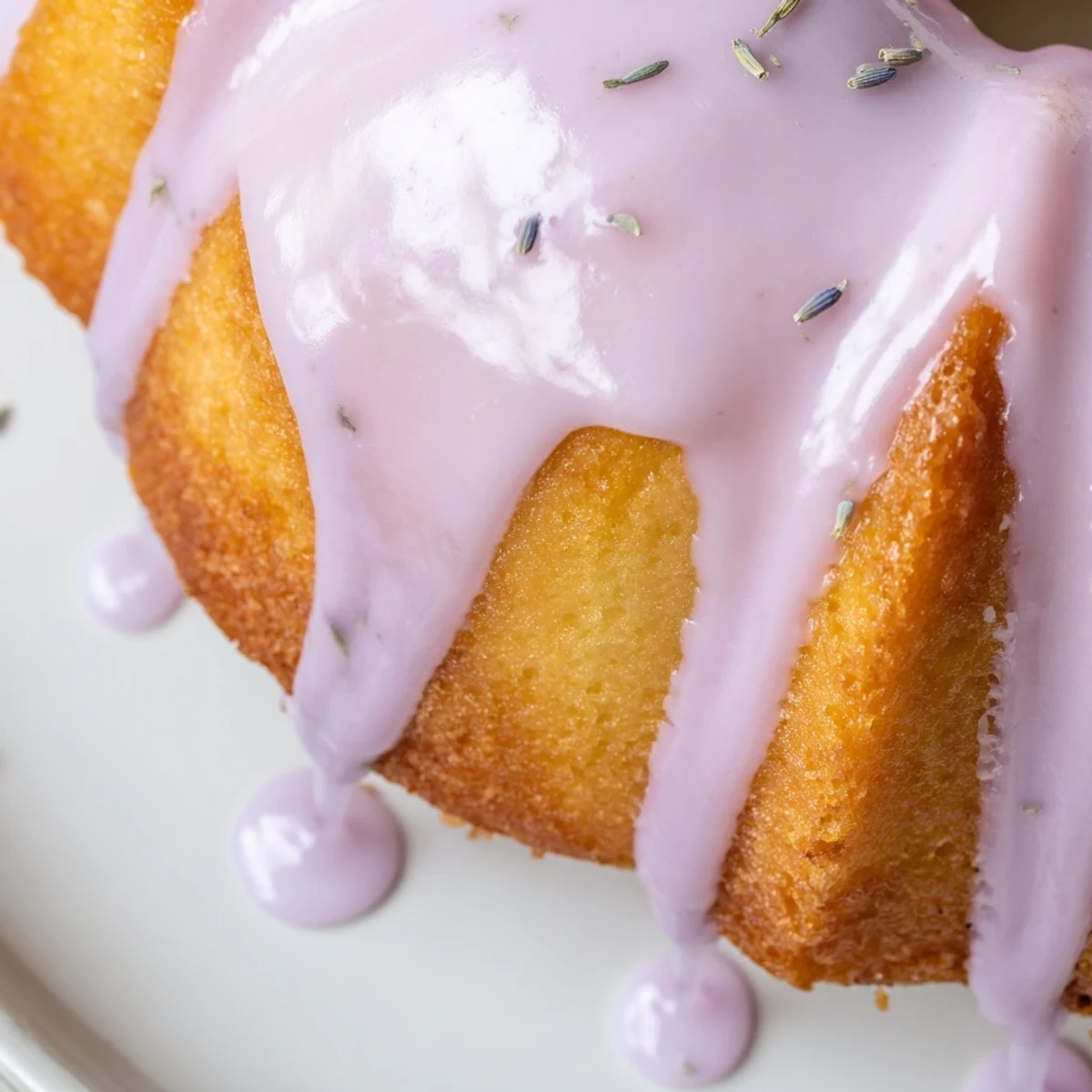
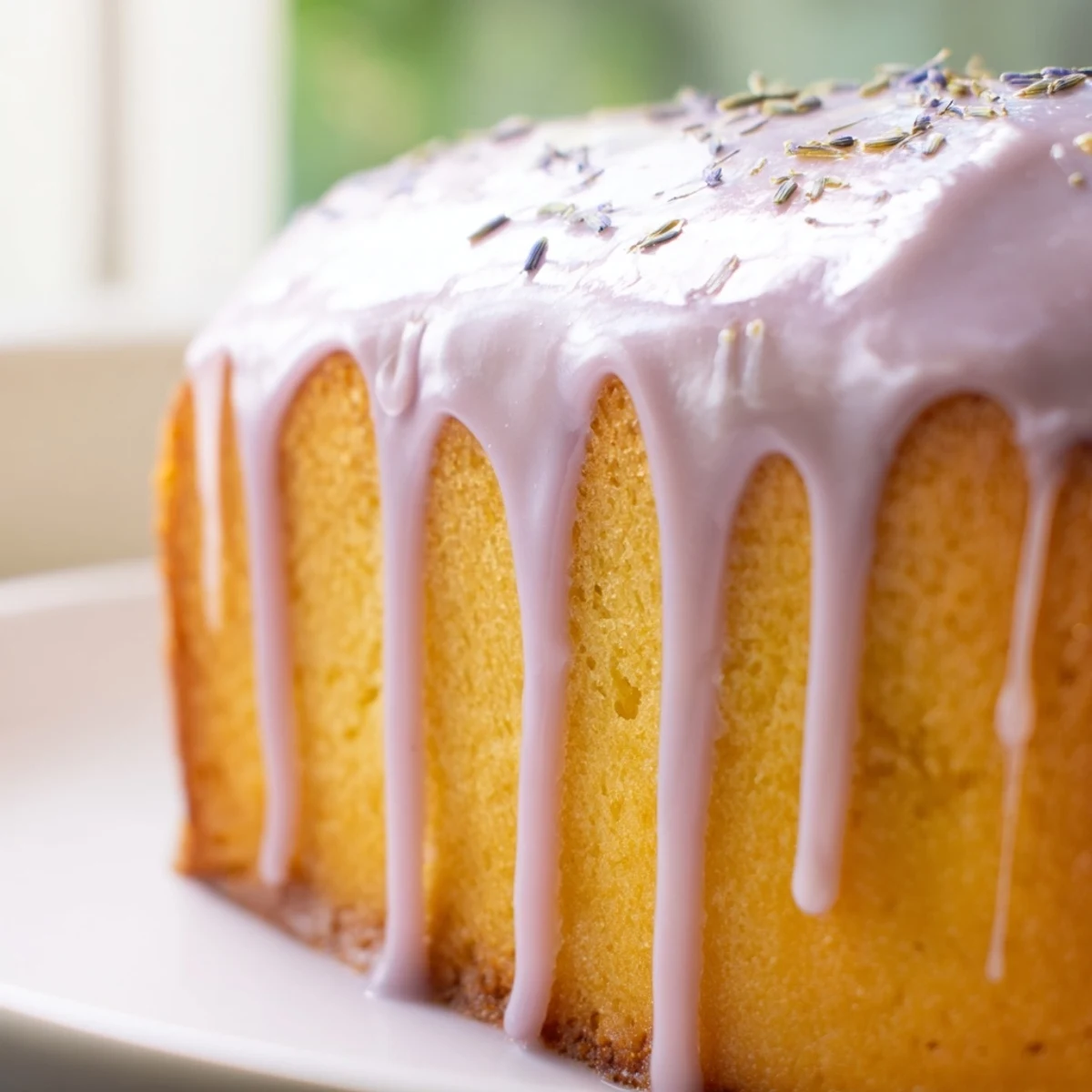
- Pour over completely cooled baked goods and let it set for at least ten minutes
 Save to Pinterest
 My niece asked if she could dip her finger in the bowl while I was glazing a batch of sugar cookies. Now every time I make it, I leave a little spoonful on the side just for her. Some traditions start with sticky fingers.
Perfect Pairings
This glaze works beautifully on anything that won't be overwhelmed by its subtle perfume. I've found that plain or vanilla forward pastries let the lavender shine without competing.
Color Options
Natural lavender buds don't actually release much color, so your glaze will be white unless you add food coloring. A single drop of pink or purple creates that dreamy aesthetic we all expect from lavender treats.
Storage and Make Ahead Tips
You can infuse the milk up to a day ahead and store it in the refrigerator. The glaze itself keeps well at room temperature for about two days, though it may need thinning again before use.
- Press plastic wrap directly onto the surface if storing to prevent a hard skin from forming
- Whisk briefly before using to restore smooth consistency
- Never refrigerate glazed baked goods or the glaze will weep and become sticky
 Save to Pinterest
 Something about lavender makes even a Tuesday afternoon feel special. Maybe that's why I keep a jar of dried lavender in my pantry year round.
Recipe FAQs
- → What does lavender glaze taste like?
-
The glaze offers delicate floral sweetness with subtle perfume-like notes. The lavender provides a gentle aromatic quality that isn't overpowering, while the powdered sugar balances the flavors with creamy sweetness.
- → Can I use fresh lavender instead of dried?
-
Fresh lavender can be used, but dried culinary lavender is preferred for consistent flavor. If using fresh, increase the amount slightly as dried lavender is more concentrated in essential oils.
- → How long does the glaze stay fresh?
-
The glaze can be stored in an airtight container at room temperature for up to 2 days. For longer storage, refrigerate for up to one week. Bring to room temperature and whisk briefly before using.
- → What can I use instead of milk?
-
Dairy-free alternatives like almond milk, oat milk, or coconut milk work well. These options also make the glaze suitable for vegan diets. The flavor profile remains similar regardless of milk choice.
- → Why add lemon juice to the glaze?
-
Lemon juice adds brightness and helps balance the floral sweetness. It also cuts through the sugar's richness while complementing lavender's aromatic notes. The acidity is subtle but enhances overall flavor complexity.
- → How do I achieve the right consistency?
-
Start with 2.5 tablespoons of lavender milk and add more if thinning is needed. For thicker glaze, incorporate additional powdered sugar one tablespoon at a time. The ideal consistency should slowly drip from a whisk but hold its shape on baked goods.