
 Save to Pinterest
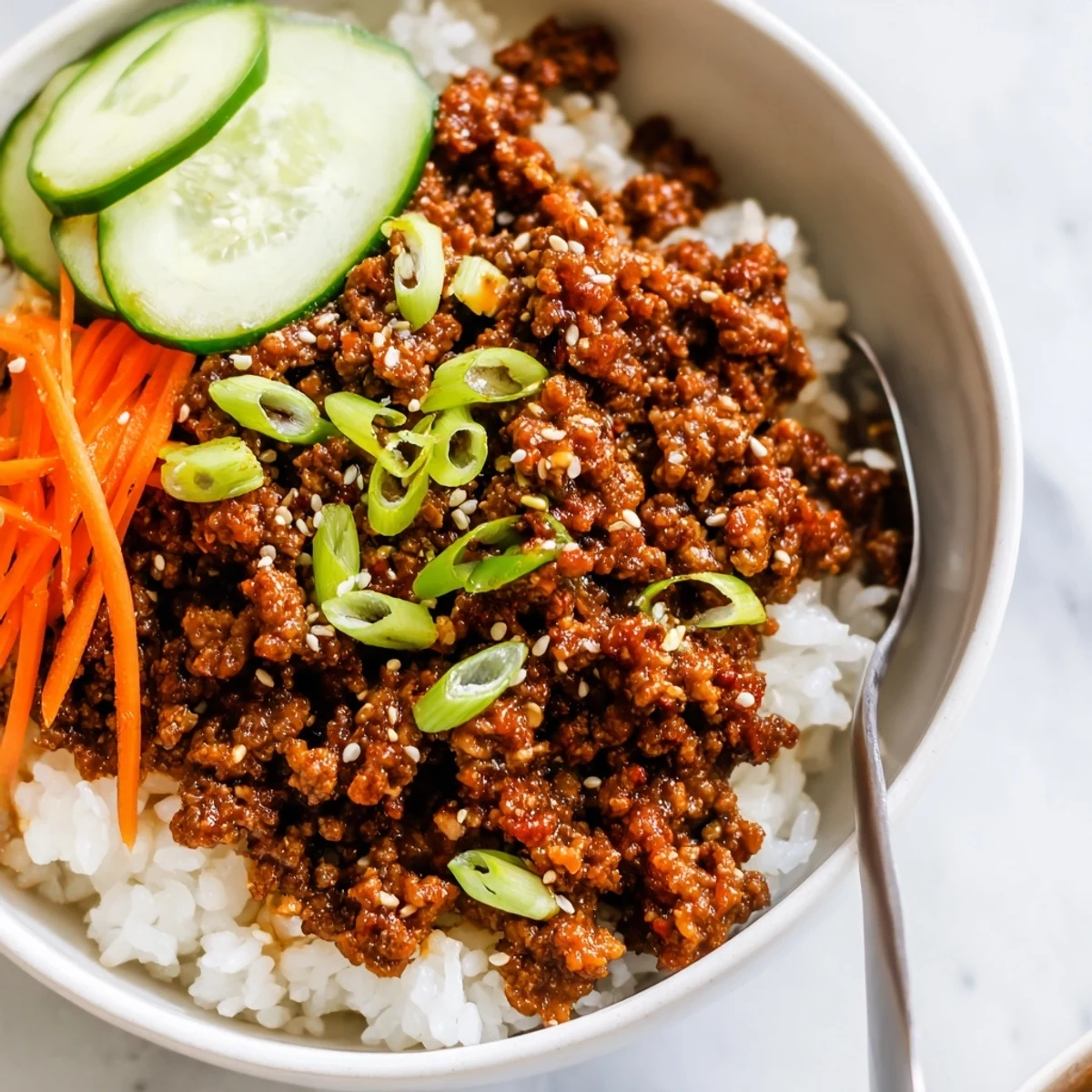
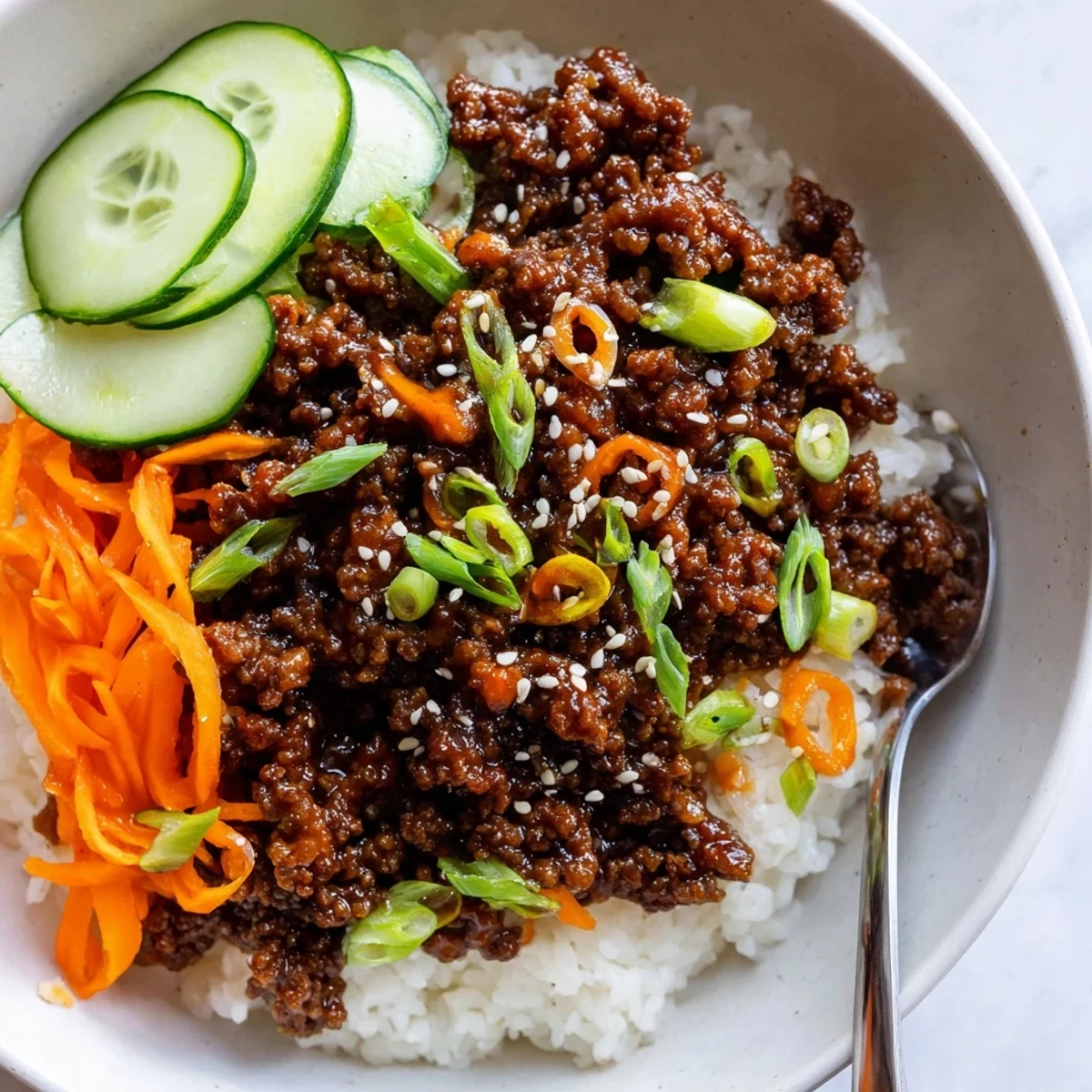
 This Korean ground beef bowl delivers bold savory-sweet flavors in just 25 minutes. Lean ground beef is browned and simmered in a rich sauce made with soy sauce, brown sugar, sesame oil, garlic, ginger, and gochujang for a subtle kick.
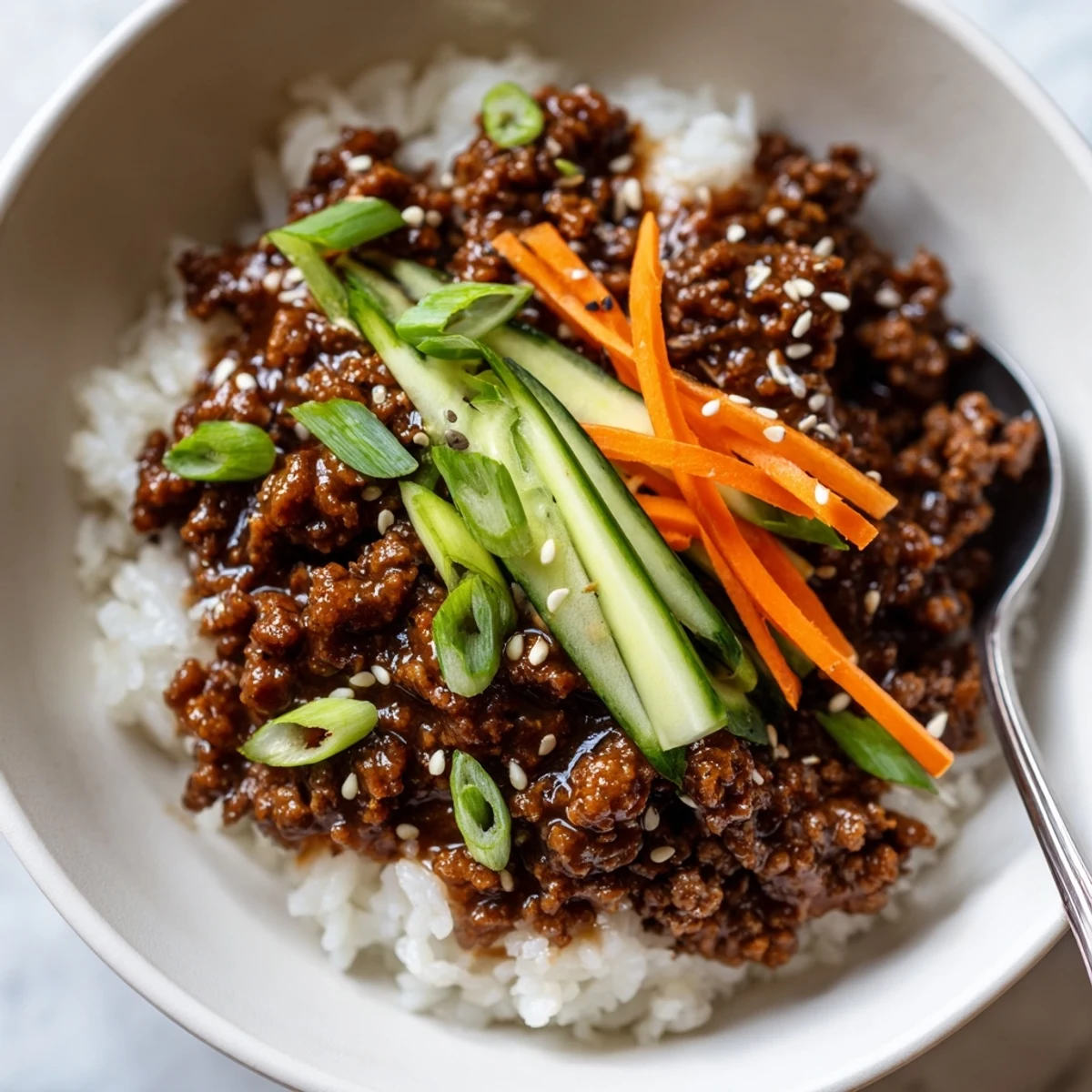
Served over fluffy jasmine or short-grain rice and topped with crisp julienned carrots, cool cucumber slices, green onions, and toasted sesame seeds, each bowl is a satisfying balance of textures and tastes. Optional kimchi adds a tangy fermented punch.
Customize the heat level by adjusting red pepper flakes and gochujang, or swap beef for ground chicken or turkey for a lighter meal.
The sizzle of ground beef hitting a hot skillet on a rainy Tuesday evening is, frankly, one of life's most underrated comforts. I had just come home from a long day, hungry and impatient, when I threw together a sauce from whatever bottles crowded my pantry shelf. That impulsive weeknight dinner became something my household now requests on a weekly basis, complete with the same faded playlist humming in the background.
My neighbor once knocked on my door while I was cooking this, apparently drawn by the smell of garlic and sesame drifting through the hallway. I handed her a bowl, she stood in my kitchen eating it, and now every time I make it she seems to develop an uncanny sense of timing.
Ingredients
- 1 lb (450 g) lean ground beef: Lean works best here because excess fat can make the sauce greasy instead of glossy and clinging.
- 2 cups cooked jasmine or short grain rice: Short grain rice gives that satisfying chew, but jasmine works beautifully if that is what you have.
- 1/4 cup low sodium soy sauce: Low sodium lets you control the salt level without losing depth.
- 2 tbsp brown sugar: This balances the soy sauce and gives the sauce that caramel like coating.
- 1 tbsp sesame oil: A little goes a long way and adds the toasty backbone of the whole dish.
- 3 cloves garlic, minced: Fresh garlic is non negotiable here, the jarred stuff cannot compete.
- 1 tbsp grated fresh ginger: Grate it finely so it melts into the sauce instead of catching you by surprise in a bite.
- 1/2 to 1 tsp crushed red pepper flakes: Start with half a teaspoon and taste before adding more.
- 2 tsp rice vinegar: Just enough brightness to keep the sauce from feeling heavy.
- 1 tbsp gochujang (optional): This adds a fermented depth and gentle heat that elevates everything.
- 2 green onions, sliced: Slice them thinly on a sharp diagonal for the prettiest presentation.
- 1 tbsp toasted sesame seeds: Toast them in a dry pan for thirty seconds and watch carefully because they burn fast.
- 1 carrot, julienned: Adds crunch and a pop of color that makes the bowl feel complete.
- 1 small cucumber, thinly sliced: Refreshing contrast against the rich, saucy beef.
- Kimchi (optional, for serving): If you have it, add it without hesitation because the fermented tang is magic here.
Instructions
- Whisk the sauce together:
- Grab a small bowl and combine the soy sauce, brown sugar, sesame oil, garlic, ginger, red pepper flakes, rice vinegar, and gochujang if you are using it. Whisk until the sugar dissolves and the sauce looks unified, then set it aside where you can reach it quickly.
- Brown the beef:
- Heat a large skillet over medium high heat and add the ground beef, breaking it apart with a wooden spoon as it cooks. Let it sit undisturbed for a minute here and there so you get actual browning, not just gray steamed meat, which should take about 5 to 7 minutes total.
- Coat with sauce:
- Pour your prepared sauce over the browned beef and stir everything together so every crumb gets coated. Let it simmer for 2 to 3 minutes until the sauce thickens slightly and turns glossy, watching closely so it does not reduce too far.
- Build the bowls:
- Divide the cooked rice among four bowls, then spoon the saucy beef generously over each bed of rice. The warmth of the rice and beef together is part of what makes this so satisfying.
- Top and serve:
- Finish each bowl with green onions, sesame seeds, julienned carrot, cucumber slices, and kimchi if you have it. Serve right away while everything is hot and the vegetables still have their crunch.
 Save to Pinterest
 There is something about carrying a steaming bowl to the table, chopsticks resting on top, that turns an ordinary dinner into a small event. Even when I eat it alone standing at the counter, it feels like a gesture of self care.
Swaps and Tweaks
Ground chicken or turkey works just as well if you prefer a lighter version, though you may need a splash more sesame oil since leaner meats produce less fat. My friend swears by crumbling firm tofu into the sauce for a vegetarian take that surprised me with how good it was. For gluten free, tamari replaces soy sauce seamlessly and nobody at the table will notice the difference.
Getting the Spice Right
The crushed red pepper flakes and gochujang together build heat in layers rather than hitting you all at once, which is what makes this dish feel balanced instead of aggressive. I learned the hard way that doubling the gochujang because you love spice can overwhelm the delicate sweetness of the sauce, so increase in small increments and taste as you go. A fried egg on top with a runny yolk actually tames the heat beautifully if you go too far.
What to Keep Handy
A large skillet, a mixing bowl, a spatula or wooden spoon, a chef's knife, and a cutting board are genuinely all you need to pull this off. Keep in mind this dish contains soy, sesame, and gluten unless you swap in tamari, so check your labels if you are cooking for someone with allergies.
- Leftovers reheat perfectly in the microwave, making this an excellent meal prep option.
- Store the beef and rice separately if you want to maintain the best texture.
- Always taste the sauce before adding it to the beef because that is your last chance to adjust.
 Save to Pinterest
 This bowl is proof that dinner does not need to be complicated to be memorable. Make it once and it will quietly become part of your regular rotation.
Recipe FAQs
- → Can I use a different type of meat instead of ground beef?
-
Yes, ground chicken or turkey works well as a leaner alternative. You can also try ground pork for a richer flavor. Keep in mind that leaner meats may cook slightly faster, so adjust the browning time accordingly.
- → How spicy is this Korean ground beef bowl?
-
The base heat is mild to moderate from the crushed red pepper flakes. Adding gochujang (Korean chili paste) increases the spice level noticeably. You have full control—start with less and add more to suit your preference.
- → What can I substitute for soy sauce to make it gluten-free?
-
Tamari is the best gluten-free substitute for soy sauce in this dish. It provides a nearly identical umami flavor. Coconut aminos also work but will result in a slightly sweeter, less salty sauce.
- → How should I store and reheat leftovers?
-
Store the beef mixture and rice separately in airtight containers in the refrigerator for up to 3 days. Reheat the beef in a skillet or microwave until warmed through. Add fresh toppings after reheating to maintain their crispness.
- → What rice works best for this bowl?
-
Short-grain white rice or jasmine rice are ideal because of their slightly sticky texture, which pairs well with the saucy beef. Brown rice or quinoa also work if you prefer a whole-grain option.
- → Can I meal-prep this in advance?
-
Absolutely. Prepare the sauce and cook the beef ahead of time, storing them together in the refrigerator. Cook fresh rice on the day you plan to serve, and prep vegetables in advance so everything comes together quickly at mealtime.