
 Save to Pinterest
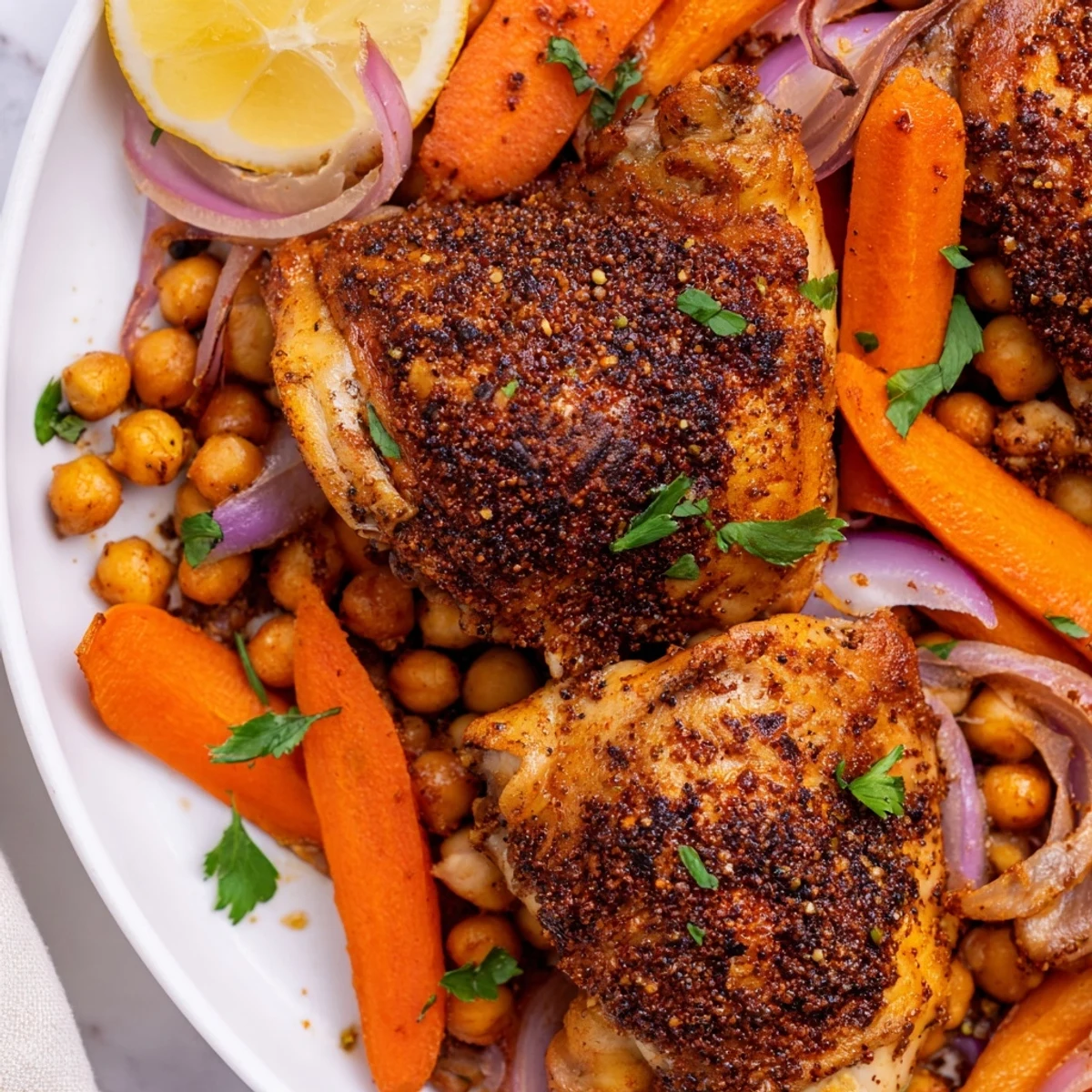
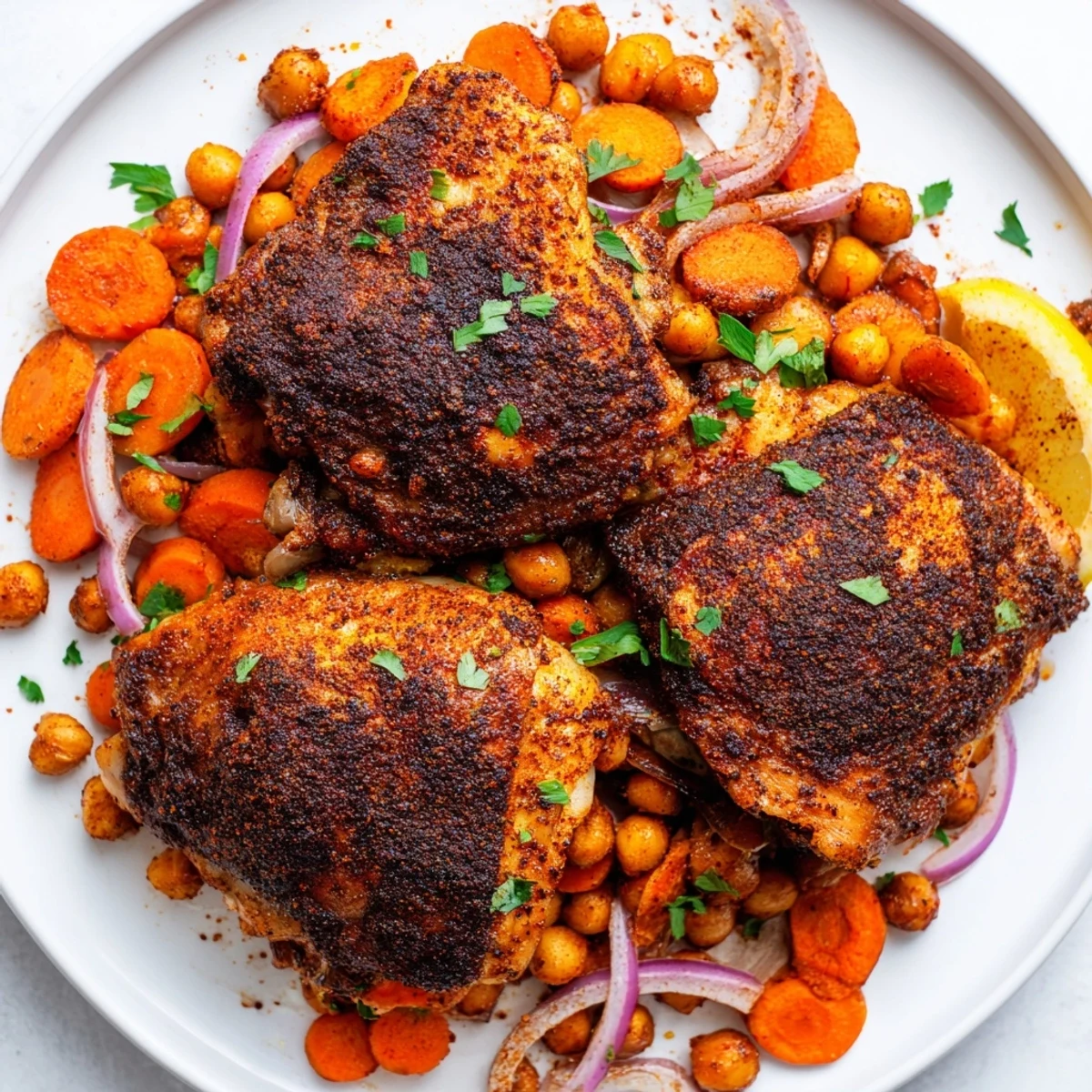
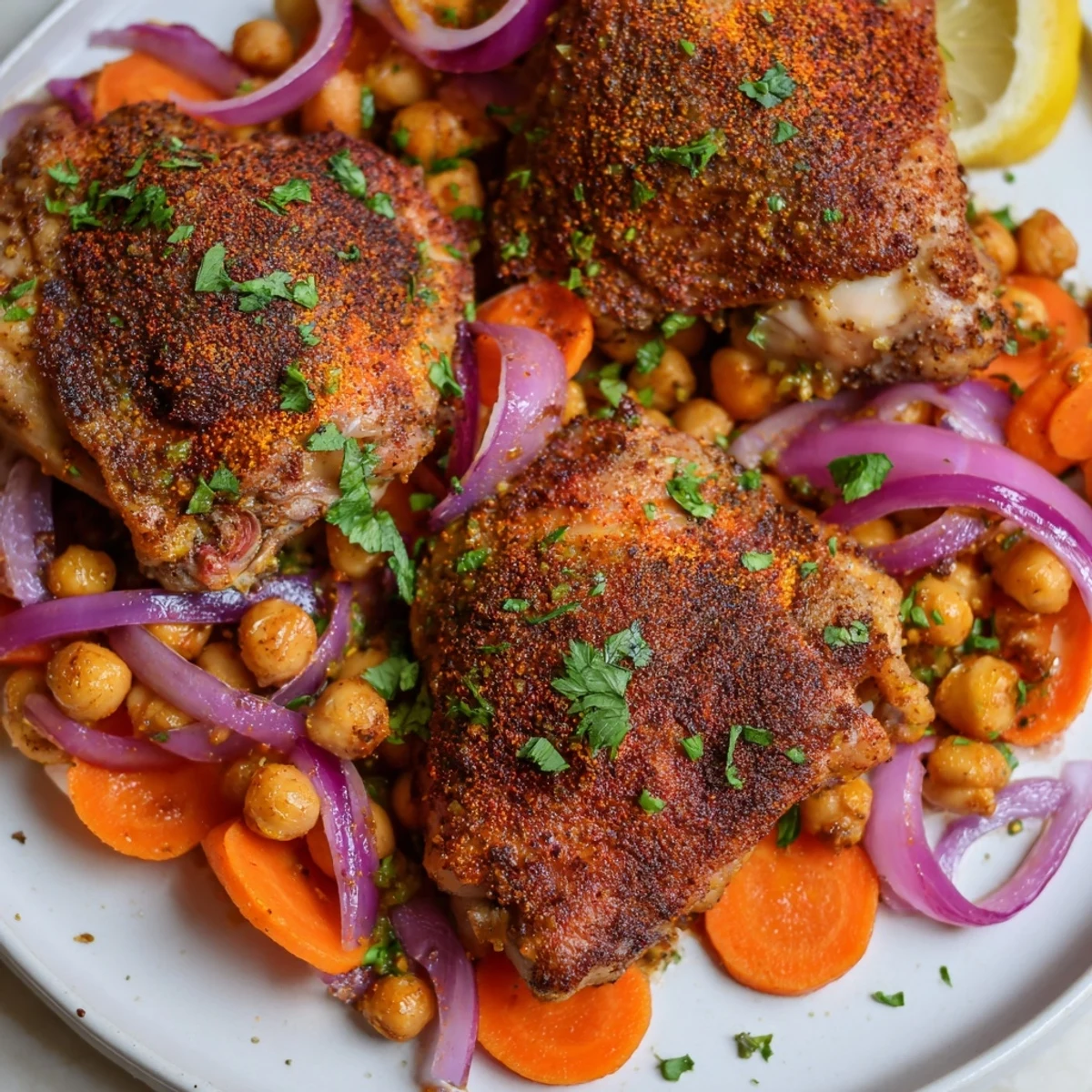
 This Middle Eastern-inspired sheet pan dinner brings together bone-in chicken thighs roasted with sumac, cumin, and smoked paprika over a bed of carrots, chickpeas, and red onion.
Everything cooks on one pan at 400°F for about 45 minutes, making cleanup minimal. The sumac adds a bright, tangy citrus note that pairs beautifully with the sweet roasted carrots and earthy chickpeas.
Serve it with rice, couscous, or warm flatbread and a squeeze of fresh lemon for a satisfying gluten-free meal that feeds four.
The smell that filled my apartment the first time I tossed sumac onto roasting chicken was enough to make me stop mid text and just breathe. It was earthy and bright all at once, like someone had crushed a sunset into powder. My neighbor actually knocked on my door asking what I was cooking, and I ended up sharing half the pan with her over impromptu glasses of white wine.
I started making this dish on Sundays when I wanted something that felt special but left me with enough energy to actually enjoy the rest of my afternoon. There is something deeply satisfying about pulling a golden, sizzling pan out of the oven and realizing dinner is completely done. The carrots get these caramelized edges that taste almost like candy, and the chickpeas turn crispy in the best way.
Ingredients
- 4 bone in, skin on chicken thighs: The bone keeps the meat juicy while the skin crisps up into something almost irresistible. Boneless works too, but you lose some of that lovely texture contrast.
- 4 medium carrots, peeled and sliced diagonally: Diagonal cuts give you more surface area for caramelization and they look prettier on the plate.
- 1 can (425 g) chickpeas, drained and rinsed: These absorb the spices and chicken juices, turning into little flavor bombs scattered throughout the pan.
- 1 red onion, thinly sliced: Red onion roasts down into sweet, jammy rings that balance the tanginess of the sumac beautifully.
- 3 garlic cloves, minced: Fresh garlic mixed into the vegetables melts into everything as it roasts.
- 2 tbsp olive oil: Good olive oil makes a difference here since it carries the spices across every surface.
- 2 tsp ground sumac: This is the star, bringing a lemony tang that feels lighter than actual lemon juice.
- 1 tsp ground cumin: Adds warmth and depth without overpowering the sumac.
- 1/2 tsp smoked paprika: A subtle smokiness that makes the whole dish taste like it came off a grill.
- 1/2 tsp ground coriander: Brings a faint citrus undertone that ties the spices together.
- 1/4 tsp ground black pepper: Just enough to give the spice blend a gentle bite.
- 1 tsp salt: Coarse kosher salt works best for even seasoning across the chicken skin.
- 2 tbsp chopped fresh parsley (optional): A finishing sprinkle of green that wakes everything up right before serving.
- Lemon wedges (optional): A squeeze at the table brightens every single bite.
Instructions
- Heat the oven:
- Crank your oven to 400 degrees Fahrenheit and let it get fully hot while you prep. A properly preheated oven is what gives the chicken skin that shatteringly crisp finish.
- Build the spice paste:
- In a large bowl, stir together the olive oil, sumac, cumin, smoked paprika, coriander, salt, and pepper until it forms a fragrant, rust colored paste. Take a moment to smell it because this blend is genuinely wonderful.
- Coat the chicken:
- Add the chicken thighs to the bowl and use your hands to rub the spice mixture over every inch, getting it under the skin where you can. This messy step is worth it for the flavor payoff.
- Prep the vegetables:
- Scatter the sliced carrots, drained chickpeas, red onion, and minced garlic into a large roasting pan. Drizzle with a little extra olive oil, sprinkle with a pinch of salt, and toss everything together so the vegetables are evenly coated.
- Arrange and roast:
- Nestle the seasoned chicken thighs skin side up on top of the vegetables, then slide the whole pan into the oven. Roast for 40 to 45 minutes until the chicken skin is deep golden and the juices run clear when pierced.
- Finish and serve:
- Pull the pan from the oven and let it rest for a few minutes so the juices settle. Scatter chopped parsley over the top and serve with lemon wedges pressed alongside.
 Save to Pinterest
 The night I brought this to a potluck dinner, three people asked for the recipe before they even finished their plates. One friend now makes it weekly and texts me photos of her slightly different variations, sometimes with sweet potatoes, sometimes with a drizzle of tahini. It became one of those dishes that travels through a friend group and picks up little personal touches along the way.
What to Serve Alongside
This dish is practically begging for something fluffy underneath to soak up all those pan juices. Fluffy couscous works beautifully if you are not keeping it gluten free, and warm flatbread torn into pieces is perfect for scooping up the caramelized bits. For a lighter approach, a simple salad of arugula with olive oil and lemon makes the meal feel complete without competing with the spices.
Making It Your Own
Once you have the basic technique down, this recipe bends easily to whatever you have on hand. Drumsticks swap in for thighs with barely any adjustment, and boneless chicken pieces work too if you shorten the cooking time by about ten minutes. Sweet potatoes or parsnips can stand in for carrots, and a handful of cherry tomatoes tossed in during the last fifteen minutes adds a lovely burst of acidity.
Storing and Reheating
Leftovers keep beautifully in the fridge for up to three days, and honestly the flavors deepen overnight in a way that makes lunch the next day almost better than dinner. Reheat in a hot oven or toaster oven to bring the chicken skin back to life rather than using the microwave, which will make it soggy. The chickpeas and carrots reheat wonderfully and even taste great cold straight from the container.
- Store the chicken and vegetables together in an airtight container for easy meals.
- Fresh parsley should be added after reheating, not before storing.
- Always check that reheated chicken reaches an internal temperature of 165 degrees Fahrenheit.
 Save to Pinterest
 This is the kind of recipe that reminds you weeknight cooking does not have to be boring or complicated to feel special. Just a hot oven, a handful of spices, and one pan standing between you and something really delicious.
Recipe FAQs
- → Can I use boneless chicken instead of bone-in thighs?
-
Yes, boneless chicken thighs or breasts work well. Reduce the cooking time to 20–25 minutes and check that the internal temperature reaches 165°F. Boneless cuts will cook faster alongside the vegetables.
- → What does sumac taste like?
-
Sumac has a tangy, lemony flavor with subtle fruity notes. It adds brightness without any actual citrus juice. You can find it in most grocery stores in the spice aisle or at Middle Eastern markets.
- → Can I prepare the chicken ahead of time?
-
Absolutely. Marinate the chicken in the olive oil and spice mixture for up to 2 hours in the refrigerator before roasting. This extra time allows the sumac and cumin to penetrate the meat more deeply for better flavor.
- → What should I serve with this dish?
-
This dish pairs well with fluffy rice, couscous, or warm pita flatbread. A crisp, citrusy white wine complements the sumac beautifully. A simple side salad with a light vinaigrette also works nicely.
- → Is this dish spicy?
-
No, this is not a spicy dish. The smoked paprika adds gentle warmth and depth, while the sumac and cumin provide aromatic flavor without heat. If you prefer some spice, add a pinch of cayenne to the seasoning blend.
- → Can I use dried chickpeas instead of canned?
-
Yes, but dried chickpeas need to be soaked overnight and cooked until tender before using. One can of chickpeas equals roughly 1½ cups of cooked chickpeas. Canned is far more convenient for this quick sheet pan meal.