
 Save to Pinterest
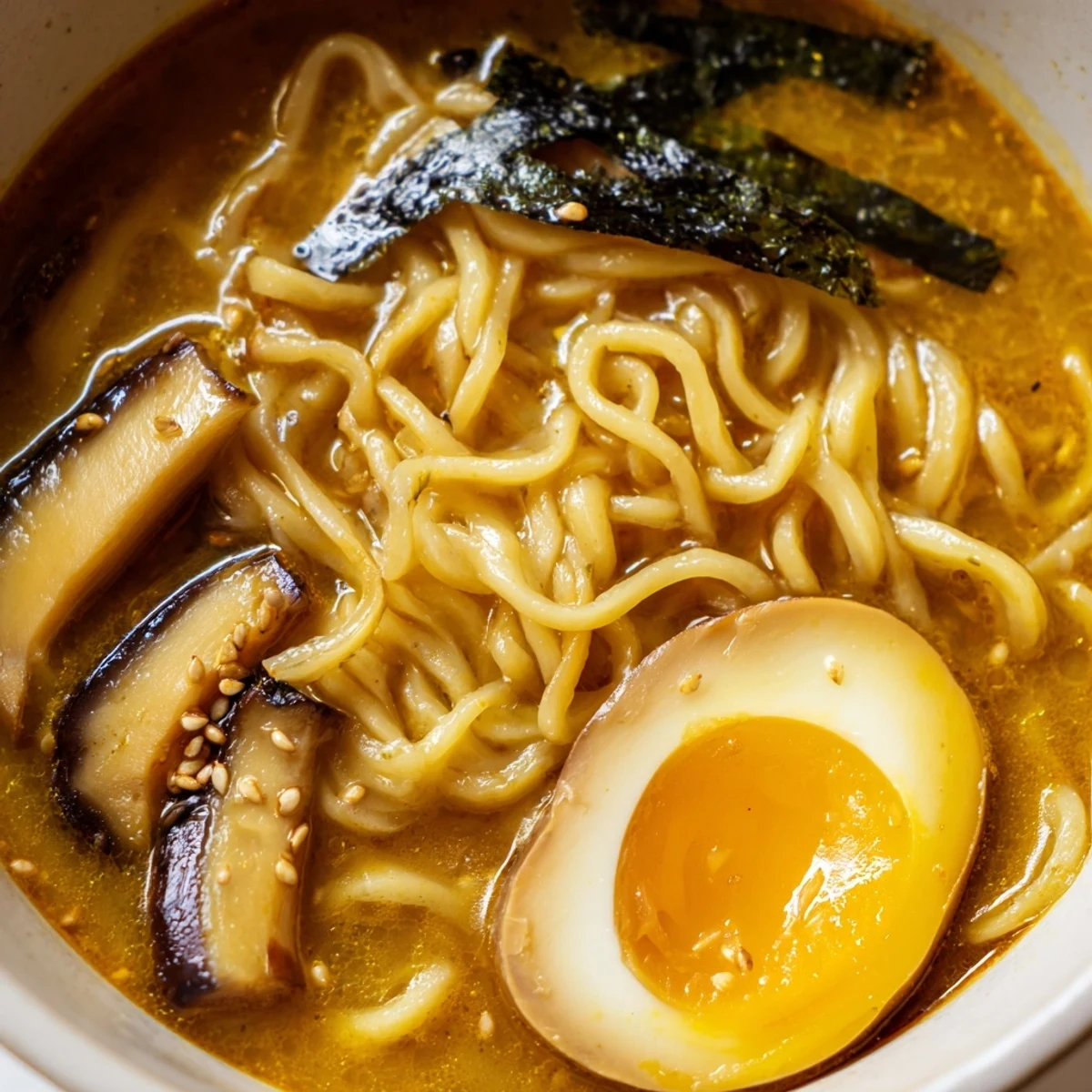
 This Japanese ramen brings together a deeply flavored miso-soy broth simmered with garlic, ginger, and mirin, poured over fresh chewy noodles.
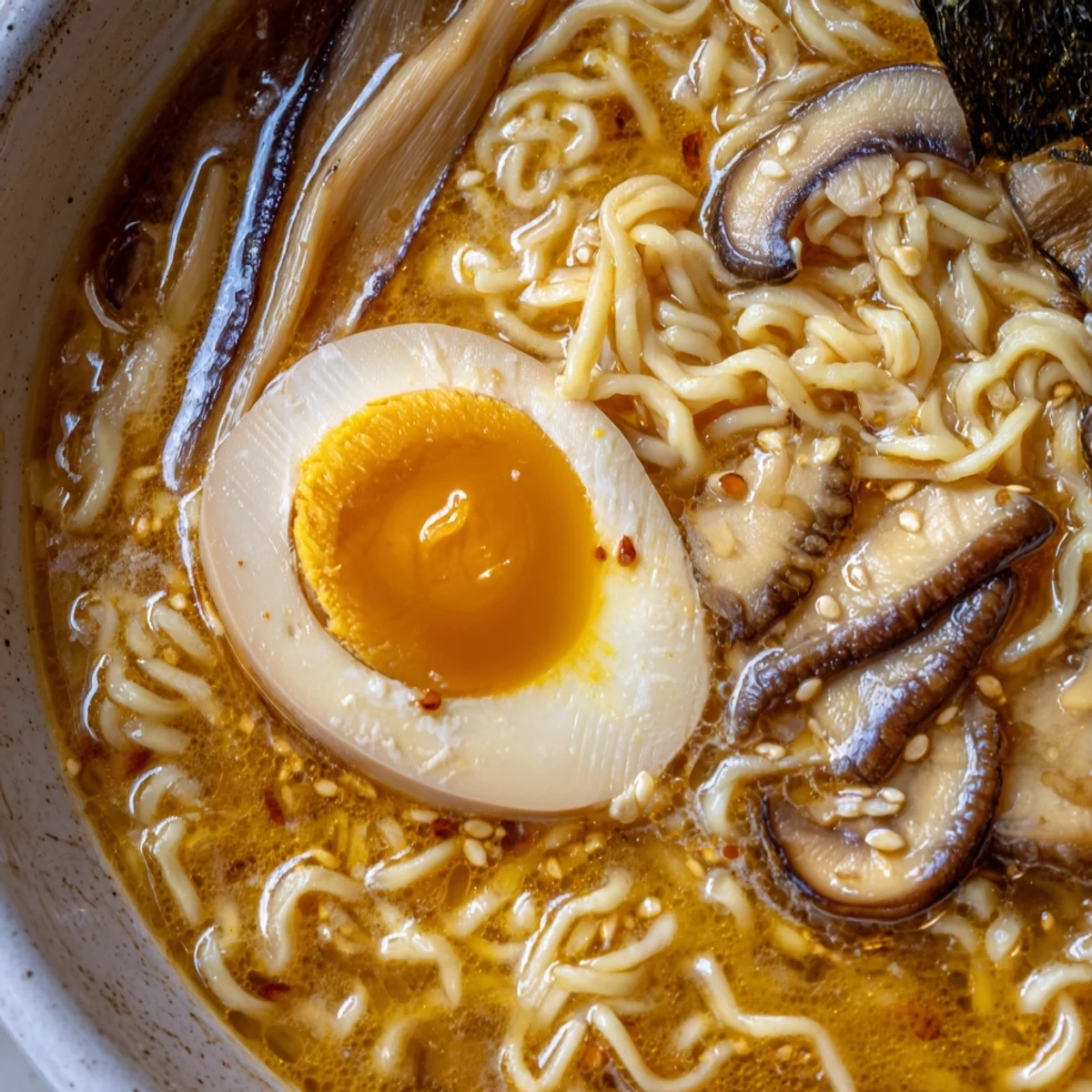
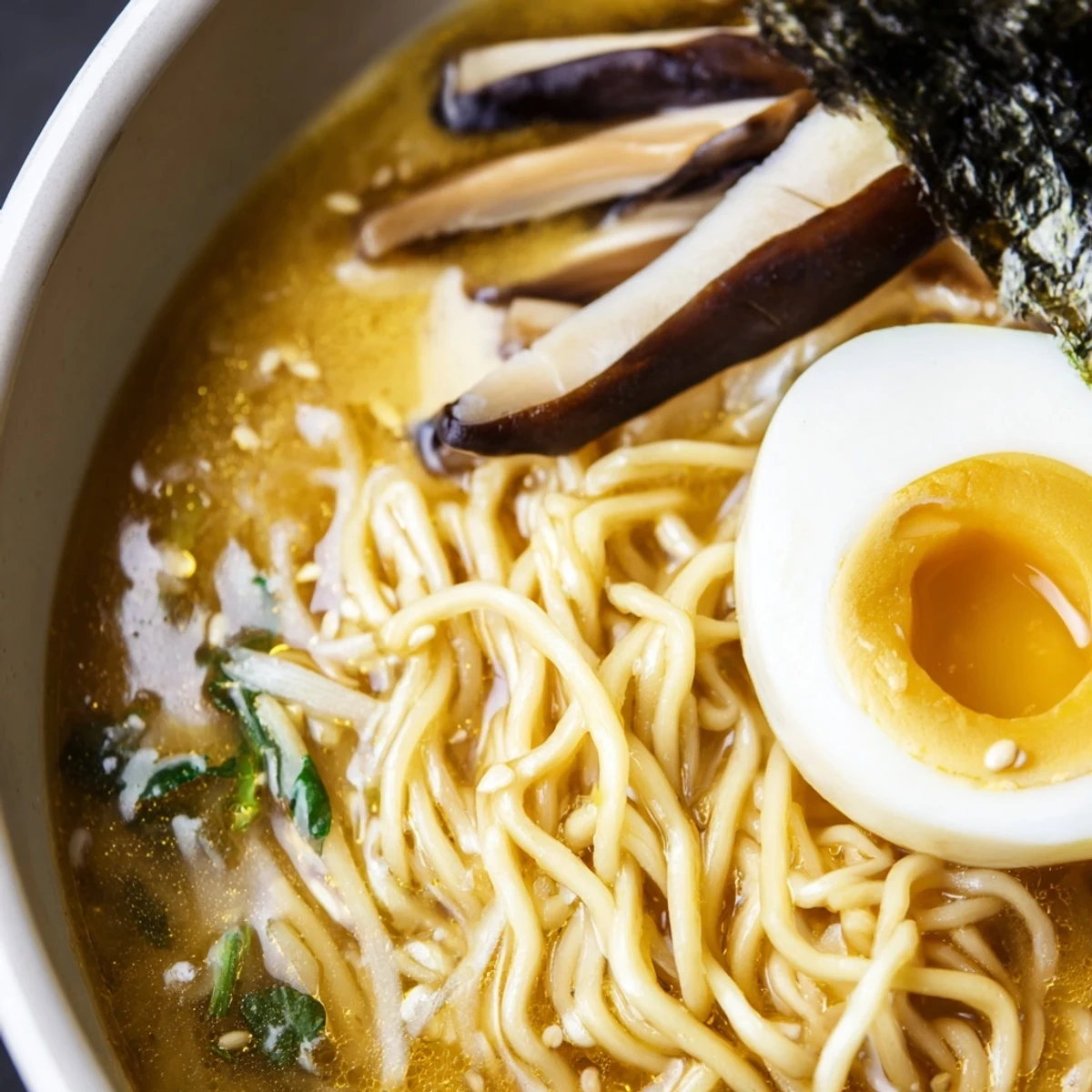
Each bowl is topped with soft-boiled eggs, succulent pork belly or chicken, earthy shiitake mushrooms, nori strips, spring onions, bamboo shoots, and a sprinkle of toasted sesame seeds.
Ready in about 50 minutes, it serves four and can easily be adapted for vegetarian diets by swapping in vegetable broth and tofu.
The steam hit my face before I even lifted the bowl, and suddenly I was back in a tiny Tokyo alley at midnight, slurping noodles beside strangers who all had the same blissed out expression. That bowl of ramen cost me about eight dollars and it ruined every instant noodle packet I would ever eat again. Years later, after dozens of attempts in my own kitchen, I finally cracked the code on a version that captures that deep, savory comfort without requiring a flight across the Pacific.
My roommate walked in while I was straining the broth once, dipped a spoon in without asking, and just stood there holding the ladle staring at the wall for a solid ten seconds before saying anything at all.
Ingredients
- Broth base (1.5 liters chicken or pork broth): This is your foundation, so use the best quality you can find. Homemade is ideal but a good store bought broth works beautifully when you do not have hours to spare.
- Soy sauce (2 tbsp): Adds salt and umami depth. A dark soy sauce will give you richer color and slightly sweeter notes.
- Miso paste (1 tbsp): This is the secret weapon that makes the broth taste complex and rounded. Stir it in off heat if you want to preserve its probiotic benefits.
- Sesame oil (2 tsp): Toasted sesame oil provides a nutty aroma that immediately signals something special is happening.
- Garlic (2 cloves, minced): Fresh garlic sauteed in sesame oil is the smell that will pull everyone into the kitchen before the broth even finishes.
- Ginger (1 thumb sized piece, sliced): Slice it rather than grating so you can strain it out easily later and still get that warm, spicy backbone.
- Mirin (1 tbsp): A splash of sweetness that balances the saltiness of soy and the depth of miso perfectly.
- Fresh ramen noodles (400 g): Springy and chewy in a way dried noodles never quite manage. Find them in the refrigerated section of Asian markets.
- Soft boiled eggs (2, halved): Cooked to a jammy, just set yolk they are the topping everyone fights over.
- Cooked pork belly or chicken breast (200 g, sliced): Pork belly rendered until the edges crisp is tradition, but sliced chicken breast is leaner and still delicious.
- Shiitake mushrooms (100 g, sliced): They soak up the broth and add their own earthy umami to every bite.
- Nori sheets (1, cut into strips): Tucked against the bowl wall they soften slightly and taste like the ocean in the best way.
- Spring onions (2, thinly sliced): A scatter of green on top adds freshness and a mild bite that cuts through the richness.
- Bamboo shoots (100 g): These bring a satisfying crunch and slight tang that contrasts the soft noodles beautifully.
- Corn kernels (to taste): Sweet little bursts that are surprisingly traditional and always make people smile.
- Toasted sesame seeds (to garnish): A final sprinkle that looks pretty and adds a subtle toasty flavor at the end.
Instructions
- Build the broth:
- Heat sesame oil in a large pot over medium heat until it shimmers, then add minced garlic and sliced ginger, stirring until your kitchen smells incredible. Pour in the broth, soy sauce, miso paste, and mirin, then let everything simmer together for twenty minutes before straining out the solids so you are left with a silky, clear liquid.
- Cook the noodles:
- Follow the package instructions for your fresh ramen noodles, which usually means just two to three minutes in boiling water. Drain them immediately and divide among four deep bowls so they are ready and waiting.
- Prep the toppings:
- Soft boil your eggs for exactly six minutes in gently bubbling water, then plunge them into an ice bath so the yolks stop cooking at that perfect jammy stage. Slice your cooked meat, shiitake mushrooms, and spring onions while the eggs cool.
- Assemble each bowl:
- Ladle the steaming hot broth over the waiting noodles, then arrange pork or chicken, halved eggs, mushrooms, bamboo shoots, corn, and nori strips on top in whatever pattern makes you happy. Finish with a generous scatter of sesame seeds and spring onions.
- Serve right away:
- Ramen waits for no one, so get those bowls to the table while the broth is still piping hot and the noodles are at their bouncy best.
 Save to Pinterest
 The first time I served this to friends, the conversation stopped entirely for about eight minutes, which is the highest compliment any cook can receive.
What to Serve Alongside
A cold Japanese beer or a cup of sake cuts through the richness of the broth beautifully, and a small plate of pickled vegetables on the side refreshes the palate between slurps. If you want to go all out, gyoza dumplings make this feel like a proper restaurant spread without much extra effort.
Making It Vegetarian
Swap the chicken or pork broth for a rich vegetable stock and replace the meat with pressed tofu cubes pan fried until golden. Double the mushrooms and add a handful of spinach at the end for extra substance, and you will not miss the meat at all.
Storage and Reheating
Store the broth separately from the noodles and toppings in the refrigerator for up to three days, because noodles left in liquid turn into a gummy mess overnight. Reheat the broth until steaming and cook fresh noodles when you are ready to eat again for the best texture.
- Broth actually tastes better the next day as the flavors continue to meld and deepen.
- Keep leftover toppings in separate airtight containers so nothing gets soggy.
- Never microwave the assembled bowl or the eggs will overcook and the nori gets weirdly chewy.
 Save to Pinterest
 Once you master this broth, you will find yourself making excuses to cook it on rainy nights, sick days, and every occasion that calls for something warm and deeply satisfying.
Recipe FAQs
- → What type of noodles work best for ramen?
-
Fresh ramen noodles are ideal because they have the right chewy texture and springiness. If unavailable, dried ramen noodles or even thin udon noodles can work as substitutes.
- → Can I make the broth ahead of time?
-
Yes, the broth actually tastes better the next day as the flavors deepen. Store it in an airtight container in the refrigerator for up to 3 days or freeze for up to a month.
- → How do I get the perfect soft-boiled egg for ramen?
-
Gently boil the eggs for exactly 6 minutes, then immediately transfer them to an ice bath to stop the cooking. This yields a jammy, slightly runny yolk that pairs perfectly with the broth.
- → What can I substitute for pork belly?
-
Chicken breast, sliced chashu pork, or even pan-seared tofu are great alternatives. For a plant-based version, marinated and roasted mushrooms or tempeh work wonderfully.
- → Is this ramen gluten-free?
-
Traditional ramen is not gluten-free due to wheat-based noodles and soy sauce. However, you can use gluten-free noodles and tamari instead of soy sauce to make it suitable for gluten-sensitive diets.
- → What drinks pair well with ramen?
-
Japanese sake or a cold lager-style beer complement the rich, savory broth beautifully. Green tea or a light citrus-based drink also work well to balance the umami flavors.