
 Save to Pinterest
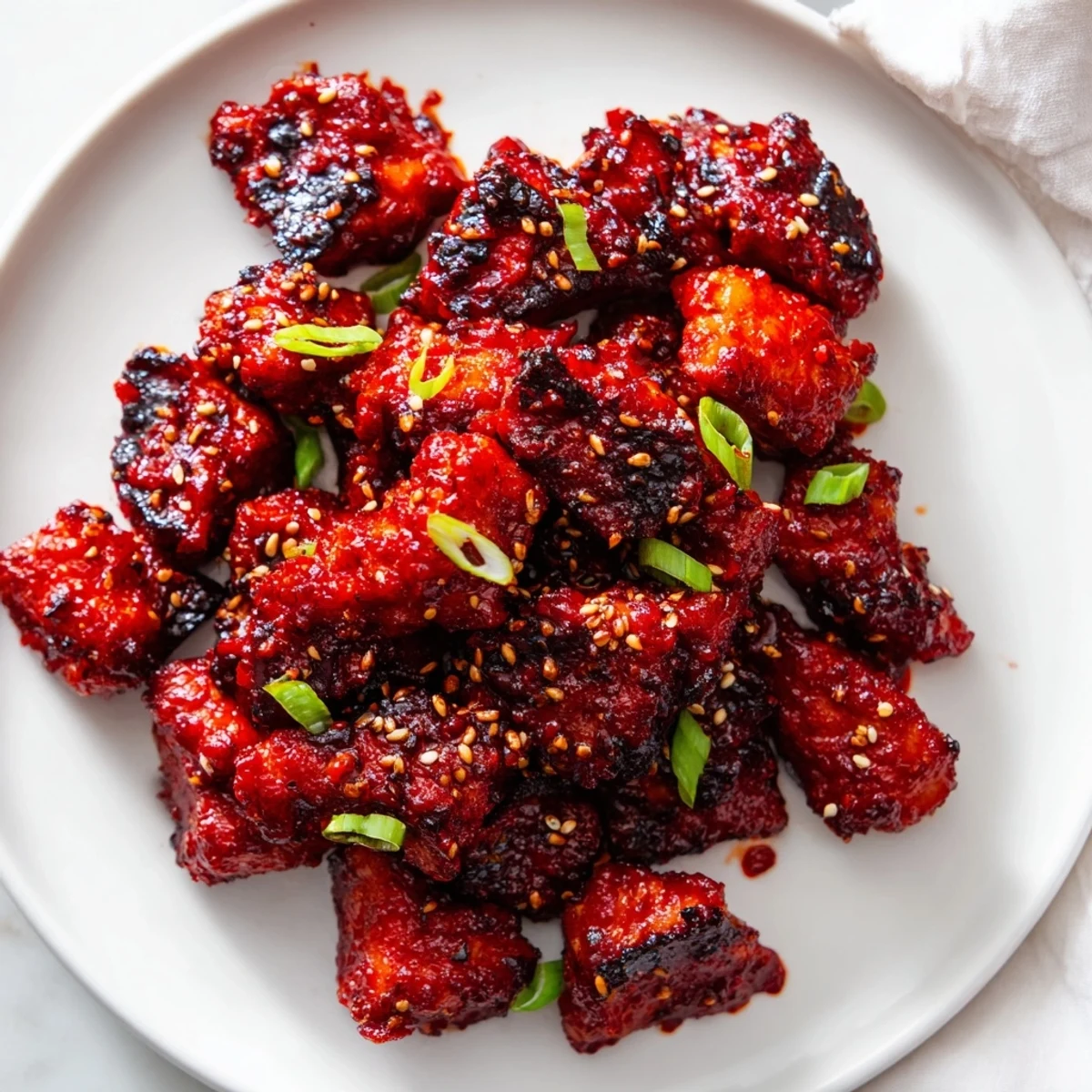
 This gochujang chicken brings together the deep, fermented heat of Korean chili paste with soy sauce, honey, ginger, and sesame oil for an irresistible glaze.
Boneless chicken thighs are marinated to absorb every layer of flavor, then seared until caramelized and slightly charred at the edges.
Ready in about 40 minutes from start to finish, it pairs perfectly with steamed white rice, lettuce wraps, or traditional banchan like kimchi and pickled vegetables.
The smell of gochujang hitting a hot pan is the kind of thing that makes neighbors knock on your door and ask what on earth you are cooking. My sister walked in unannounced one Tuesday evening, took one breath, and declared she was staying for dinner without so much as a hello. That sticky, crimson glaze caramelizing on chicken thighs is pure kitchen sorcery, and once you have the basic formula down, it becomes a weeknight reflex you never grow tired of.
I once made this for a friend who insisted she could not handle spicy food, and she went back for thirds anyway, fanning her mouth between bites and grinning like a fool. The sweetness from the honey tempers the chili paste just enough to keep everyone at the table happy. That is the magic of gochujang: it meets you where you are.
Ingredients
- 700 g boneless skinless chicken thighs: Thighs hold up to high heat far better than breast meat and stay juicy even if you accidentally overcook them a minute too long, which I have done more times than I care to admit.
- 3 tbsp gochujang (Korean chili paste): This fermented paste is the soul of the dish and delivers a savory depth that plain hot sauce simply cannot replicate.
- 2 tbsp soy sauce: Provides the salty, umami backbone that balances the sweetness of the honey.
- 1 tbsp rice vinegar: A subtle acidity that brightens the whole marinade and keeps the finished dish from feeling heavy.
- 2 tbsp honey (or brown sugar): Essential for that caramelized, slightly charred exterior that makes you want to eat straight from the pan.
- 2 cloves garlic, minced: Fresh garlic only, because the jarred stuff gets lost behind the bold chili paste.
- 1 tbsp ginger, grated: Microplane it fine so it melts into the marinade rather than leaving stringy bits behind.
- 1 tbsp sesame oil: A little goes a long way and adds a toasty, nutty fragrance that ties everything to its Korean roots.
- 1/2 tsp freshly ground black pepper: Not optional, because it adds a gentle warmth that rounds out the chili heat.
- 1 tbsp toasted sesame seeds: Mostly for texture and a finishing crunch that makes the dish feel finished.
- 2 green onions, thinly sliced: A sharp, fresh contrast sprinkled on at the end to cut through the richness.
Instructions
- Whisk the marinade together:
- In a large bowl, combine the gochujang, soy sauce, rice vinegar, honey, garlic, ginger, sesame oil, and pepper, whisking until the mixture is smooth and uniform with no streaks of paste hiding in the corners.
- Coat the chicken:
- Add the chicken pieces to the bowl and use your hands or a spatula to toss everything until every single piece is glossed and the marinade has settled into the nooks and crevices of the meat.
- Let it rest:
- Give it at least 20 minutes at room temperature, or cover and refrigerate up to two hours if you have the foresight, because the longer it sits the more the flavors seep into the chicken rather than just sitting on top.
- Cook until caramelized:
- Heat a large skillet over medium high heat and dump the chicken in along with every last drop of marinade, cooking for 6 to 8 minutes per side until the edges are dark and sticky and the center of each piece is cooked through.
- Finish and serve:
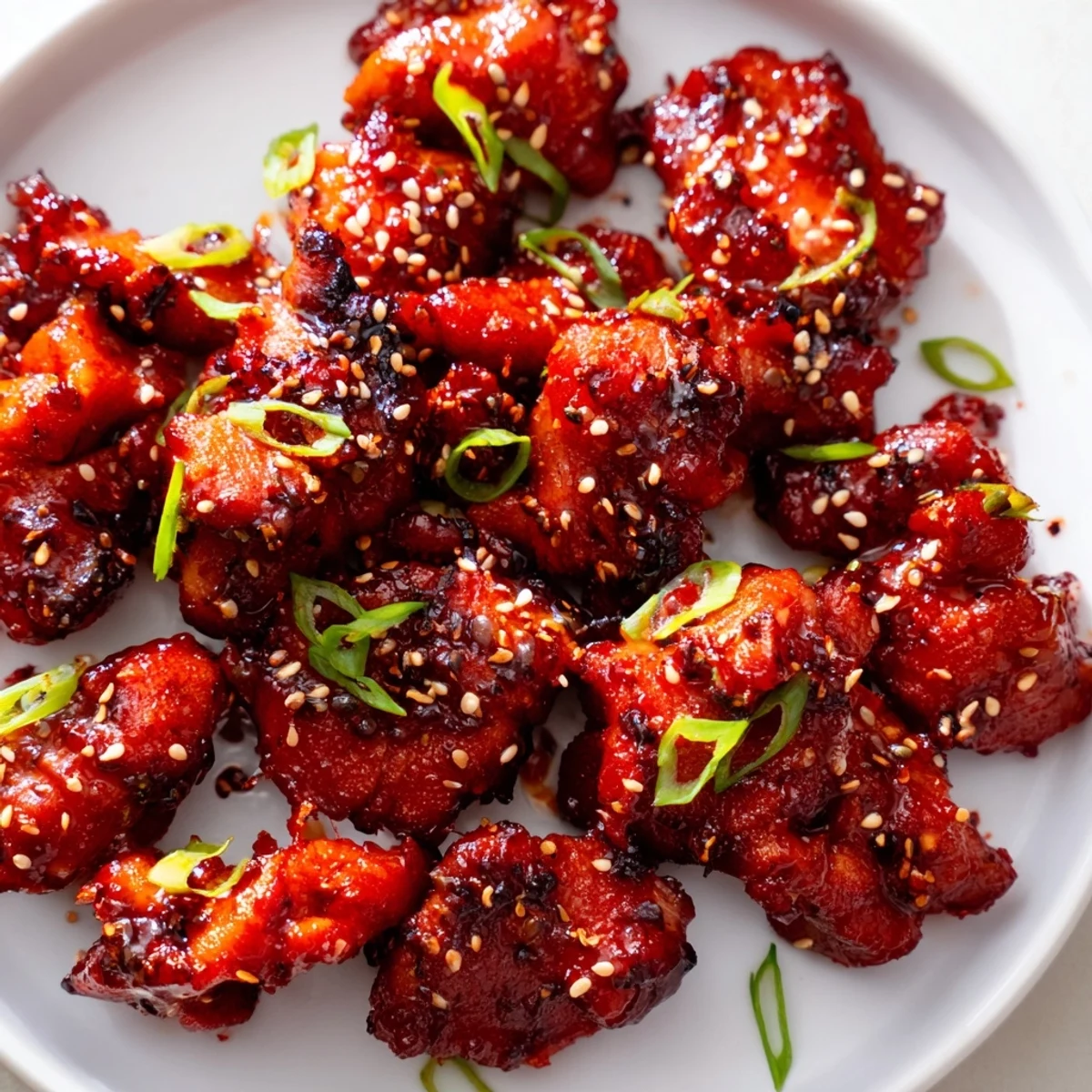
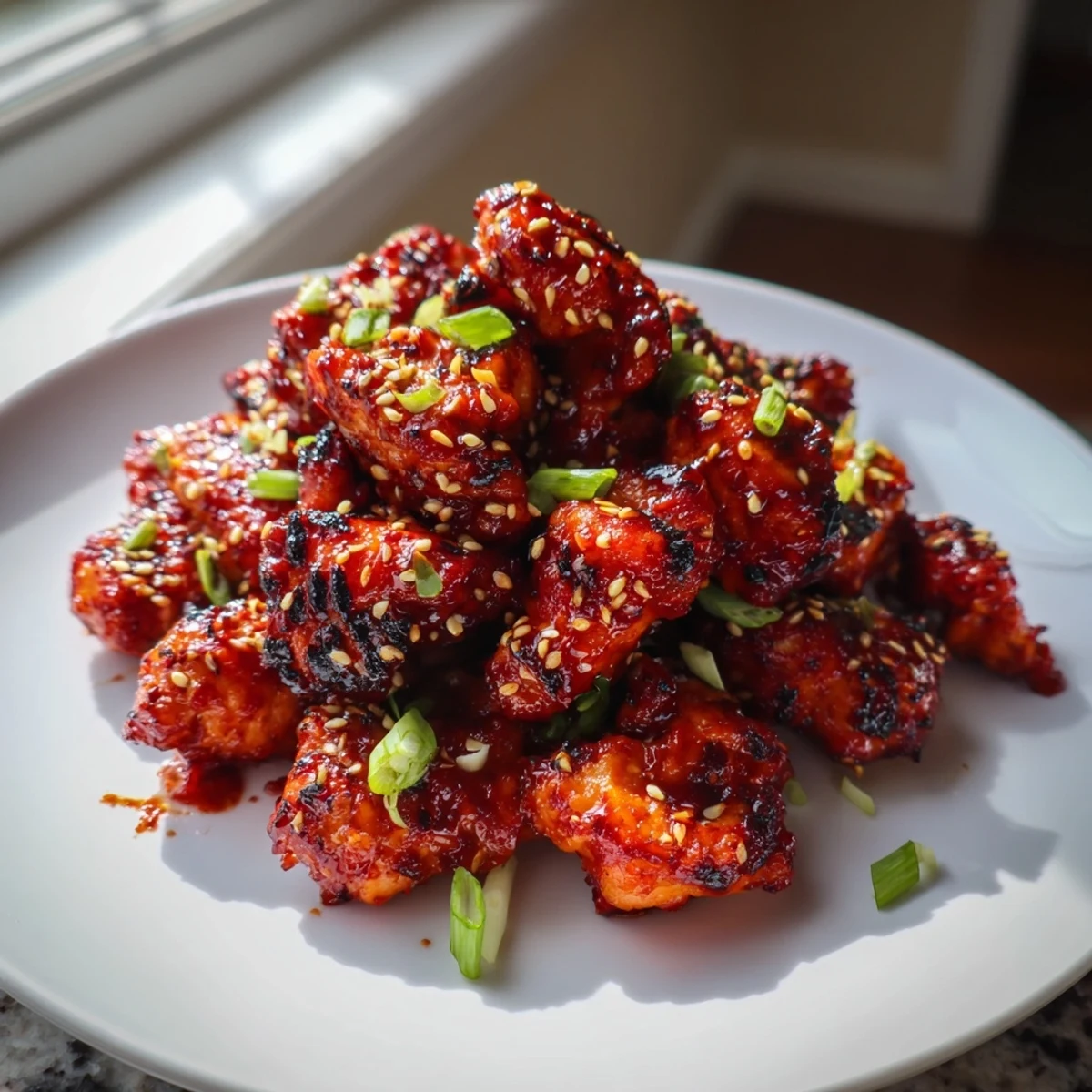
- Take the pan off the heat, scatter sesame seeds and sliced green onions over the top, and serve immediately with steamed rice or crisp lettuce wraps while the glaze is still warm and clinging to every piece.
 Save to Pinterest
 There is something quietly satisfying about scraping the last bits of sticky sauce from the pan with a spatula and eating them over a bowl of rice when nobody is watching. That is the real reward of cooking for yourself.
What to Serve Alongside
Kimchi and quick pickled cucumbers are the obvious companions, and they absolutely should make an appearance, but a pile of simply sauteed spinach with garlic works just as well when you are short on time. I have also been known to serve this over cold soba noodles in summer, which sounds odd until you try it and realize the sweet heat of the chicken against chilled noodles is oddly perfect. Do not overlook a simple bowl of steamed short grain rice, because soaking up that sauce is half the pleasure.
Making It Your Own
The marinade is forgiving enough to handle substitutions without collapsing into something unrecognizable. Brown sugar steps in seamlessly for honey, chicken breast works if that is what you have, though you will want to watch the cooking time more carefully to avoid dry patches. I have tossed in a teaspoon of gochugaru flakes on nights when I wanted real fire, and I have also dialed it back with a tablespoon of mirin when cooking for someone with a gentler palate.
Getting Ahead and Storing Leftovers
You can mix the marinade and freeze it with the chicken in a zip bag for one of those evenings when cooking feels impossible, then thaw it overnight in the fridge and proceed as usual.
- Leftovers keep in an airtight container in the fridge for up to three days and reheat beautifully in a skillet with a splash of water to loosen the glaze.
- Freeze portions individually so you can grab exactly what you need without defrosting the entire batch.
- Always taste before serving leftovers, because a quick squeeze of lime or an extra scatter of green onions can wake up flavors that have gone a little sleepy overnight.
 Save to Pinterest
 Once you commit this marinade to memory, you will find yourself reaching for it on busy nights without even thinking. It is the kind of recipe that earns a permanent spot in your back pocket.
Recipe FAQs
- → What does gochujang taste like?
-
Gochujang is a fermented Korean chili paste that delivers a complex flavor profile combining sweetness, spiciness, and deep umami. It is thicker and less vinegary than sriracha, with a subtle funky depth from fermentation.
- → Can I use chicken breast instead of thighs?
-
Yes, chicken breast works as a leaner alternative. Slice it into even bite-sized pieces and reduce the cooking time by 1-2 minutes per side to prevent drying out. Thighs remain the best choice for juiciness and flavor absorption.
- → How long should I marinate the chicken?
-
A minimum of 20 minutes at room temperature is sufficient. For deeper flavor penetration, marinate the chicken for up to 2 hours in the refrigerator. Avoid marinating beyond 4 hours as the acidity can affect the texture.
- → Is this dish very spicy?
-
The heat level is moderate and balanced by the honey and soy sauce. Gochujang provides more umami depth than intense heat. For extra spiciness, add 1 teaspoon of gochugaru (Korean red chili flakes) to the marinade.
- → What should I serve with gochujang chicken?
-
Steamed white rice is the classic pairing. You can also serve it in lettuce wraps for a lighter option. Traditional Korean side dishes like kimchi, pickled radish, or sautéed spinach complement the flavors beautifully.
- → Is gochujang chicken gluten-free?
-
Standard soy sauce contains wheat, so this dish is not gluten-free by default. Substitute tamari or a certified gluten-free soy sauce, and verify that your gochujang brand is gluten-free as some contain wheat-based thickeners.