
 Save to Pinterest
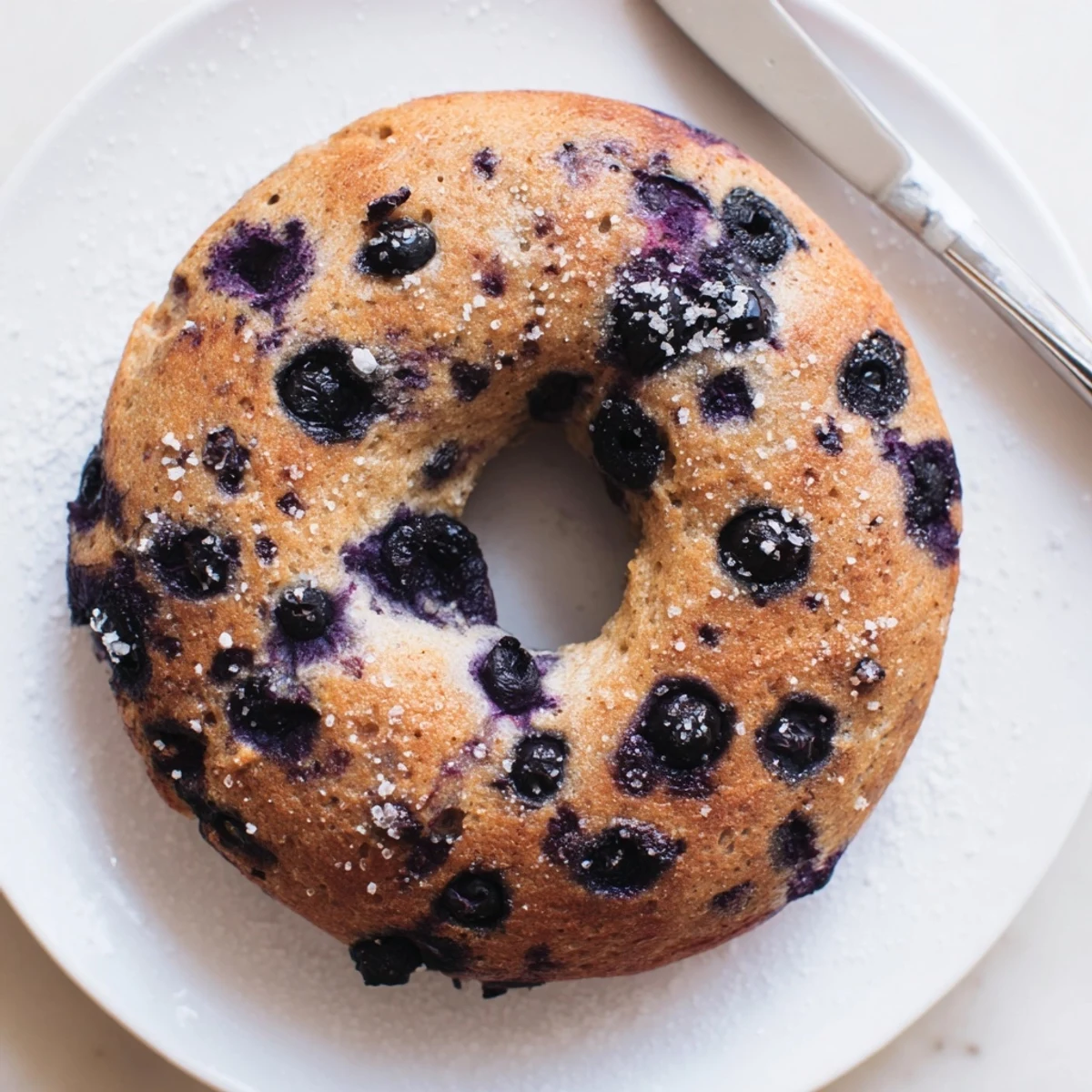
 Create bakery-style bagels at home that happen to be entirely gluten-free. These blueberry-studded rings emerge from the oven with a satisfyingly chewy texture and golden crust. The dough comes together quickly with basic pantry staples, while a brief boil before baking gives them that characteristic bagel shine and bite. Fresh or frozen blueberries add bursts of sweetness throughout every bite.
The process is straightforward: mix, rise, shape, boil, and bake. In just over an hour, you'll have eight warm bagels ready for toasting and topping. They keep beautifully for days and freeze well for meal prep.
The kitchen smelled incredible when I first tried making gluten-free bagels, somewhere between a bakery and my grandmother's blueberry muffins. My roommate kept wandering in, asking if they were done yet. That's when I knew these were going to be special.
Last summer, I made these for my friend who had recently gone gluten-free and was genuinely mourning bagels. She took one bite and got quiet, then immediately asked for the recipe. Now she makes them every Sunday and claims her whole house smells like a corner bakery.
Ingredients
- 3 cups gluten-free bread flour blend: The xanthan gum in the blend is crucial for that authentic chewy texture we're after
- 2 tbsp granulated sugar: Feeds the yeast and adds just enough sweetness to balance the tangy berries
- 2¼ tsp instant yeast: Instant yeast is more reliable than active yeast for gluten-free doughs
- 1 tsp salt: Enhances flavor and helps structure the dough
- 1¼ cups warm water: Should feel like bath temperature, around 110°F, to activate yeast without killing it
- 2 tbsp vegetable oil: Keeps the dough from drying out during rising
- 1 tsp apple cider vinegar: Reacts with the flour to create better elasticity and rise
- 1 cup fresh or frozen blueberries: Use frozen straight from the freezer to prevent them from bleeding into the dough
- 2 quarts water for boiling: Creates that signature bagel crust
- 2 tbsp honey or maple syrup: Adds shine and helps the topping stick
- 1 egg beaten: For that beautiful golden bakery finish
- 1 tbsp coarse sugar: Gives that satisfying crunch on top
Instructions
- Mix the dry foundation:
- Whisk together the gluten-free flour, sugar, yeast, and salt in a large bowl until everything is evenly distributed.
- Combine the wet ingredients:
- Pour in the warm water, vegetable oil, and apple cider vinegar, mixing until a sticky, shaggy dough comes together.
- Gently incorporate the berries:
- Fold in the blueberries with a light hand, being careful not to crush them or they'll streak your dough purple.
- Let it rise:
- Shape the dough into a ball, cover the bowl with a clean towel, and let it rest in a warm spot for 45 minutes until slightly puffy.
- Prep your station:
- Preheat your oven to 425°F and line a baking sheet with parchment paper.
- Shape your bagels:
- Dust your work surface with a little gluten-free flour, divide the dough into 8 equal pieces, roll each into a ball, poke a hole in the center, and gently stretch into bagel shapes.
- Prepare the boiling bath:
- Bring 2 quarts of water to a gentle boil in a large pot, stirring in the honey or maple syrup if you're using it.
- Give them the bagel treatment:
- Carefully drop 2-3 bagels at a time into the boiling water, cooking for 30 seconds per side before removing with a slotted spoon.
- Add the finishing touches:
- Brush each bagel with beaten egg and sprinkle with coarse sugar.
- Bake to golden perfection:
- Bake for 20-22 minutes until deeply golden brown, then cool on a wire rack before slicing.
 Save to Pinterest
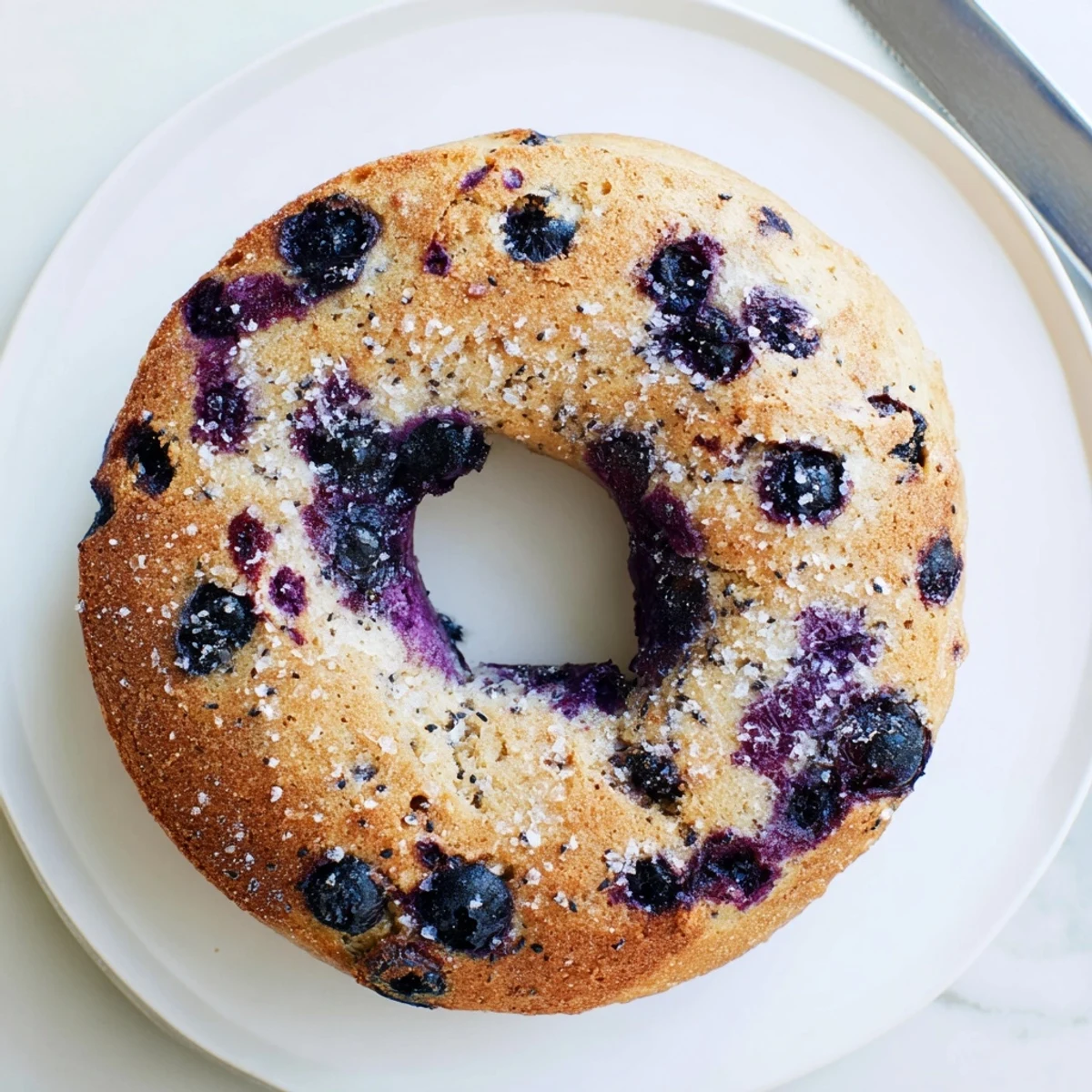
 These bagels became my go-to for weekend brunch gatherings. Something about pulling warm, blueberry-studded bagels fresh from the oven makes people feel incredibly taken care of.
Making Them Ahead
You can freeze these beautifully after they've cooled completely. Wrap each one individually in plastic wrap, then store in a freezer bag for up to 2 months. To refresh, thaw overnight and toast for 3-4 minutes until warm and slightly crispy.
Serving Suggestions
These are incredible split and toasted, then spread with plain cream cheese that lets the blueberry flavor shine. For extra indulgence, try them with honey-flavored cream cheese or a thin layer of lemon curd.
Troubleshooting Your Bagels
If your dough feels too sticky to work with, sprinkle just a teaspoon of flour at a time until manageable, but avoid adding too much or they'll become dense. If the blueberries bleed into your dough, embrace the purple streaks, they actually look quite beautiful and taste just as delicious.
- Use wet hands to prevent sticking
- Work quickly when shaping to prevent the dough from warming
- If the hole closes during baking, gently widen it again before the water bath
 Save to Pinterest
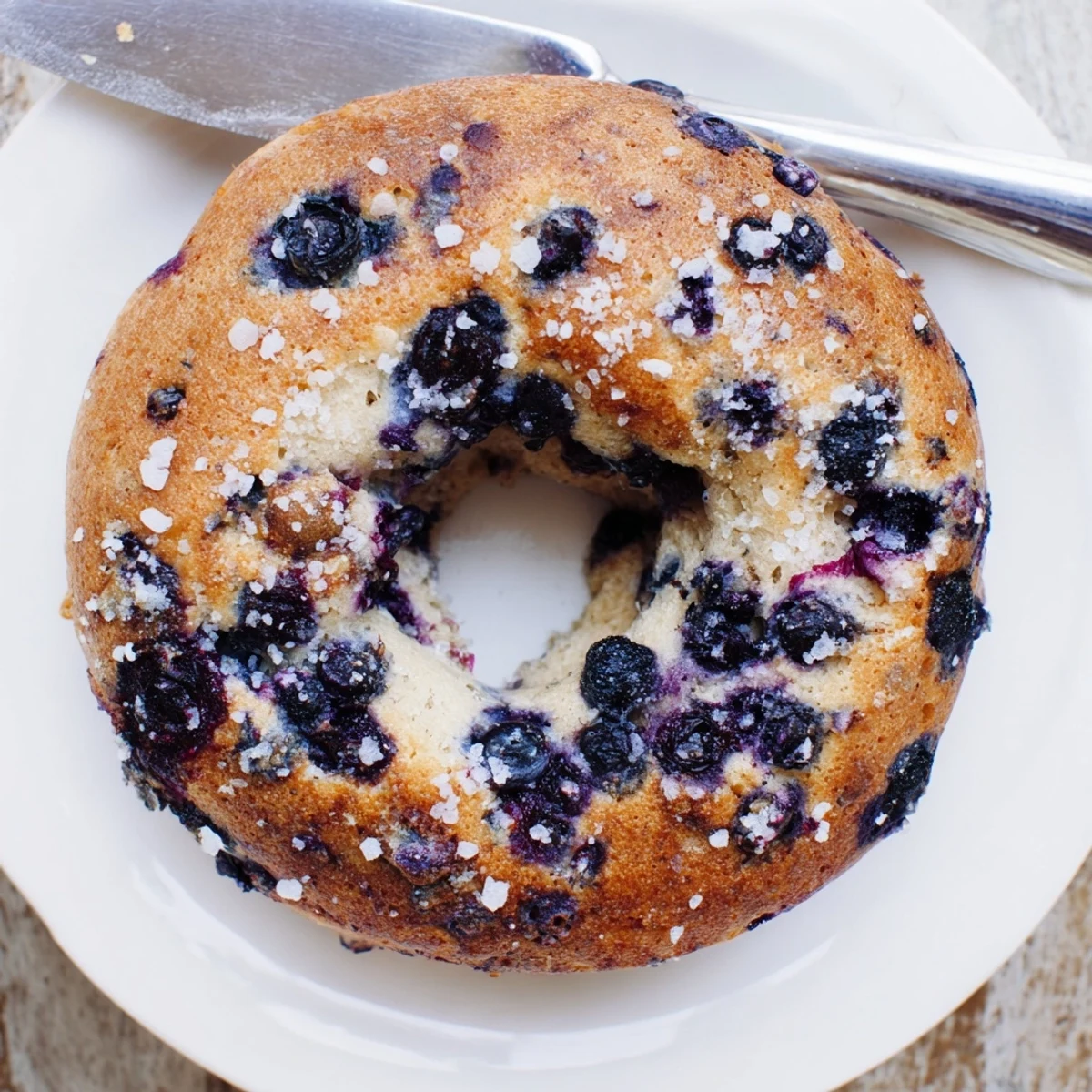
 There's something deeply satisfying about making bagels from scratch, especially when you can share them with people who thought they'd never enjoy a proper bagel again.
Recipe FAQs
- → Are these bagels truly gluten-free?
-
Yes, when made with a certified gluten-free flour blend that includes xanthan gum, these bagels are completely gluten-free. Always verify your ingredients to ensure they haven't been processed in facilities that handle wheat.
- → Can I use frozen blueberries?
-
Absolutely. Add frozen blueberries directly to the dough without thawing to prevent excess moisture and purple streaking in your bagels.
- → Why do I need to boil the bagels before baking?
-
Boiling gelatinizes the surface starch, creating that signature shiny crust and chewy texture that distinguishes bagels from regular bread. The optional honey or maple syrup helps with browning.
- → How should I store these bagels?
-
Keep them in an airtight container at room temperature for up to 3 days. For longer storage, freeze individually wrapped bagels for up to 2 months. Toast frozen bagels directly from the freezer.
- → Can I make these vegan?
-
Simply skip the egg wash or brush with non-dairy milk before baking. The bagels will still develop a nice golden crust, just slightly less shiny than the egg-washed version.
- → What gluten-free flour blend works best?
-
Look for a bread flour blend specifically formulated for gluten-free baking, ideally one that contains xanthan gum. This helps provide structure and chewiness that gluten usually provides.