
 Save to Pinterest
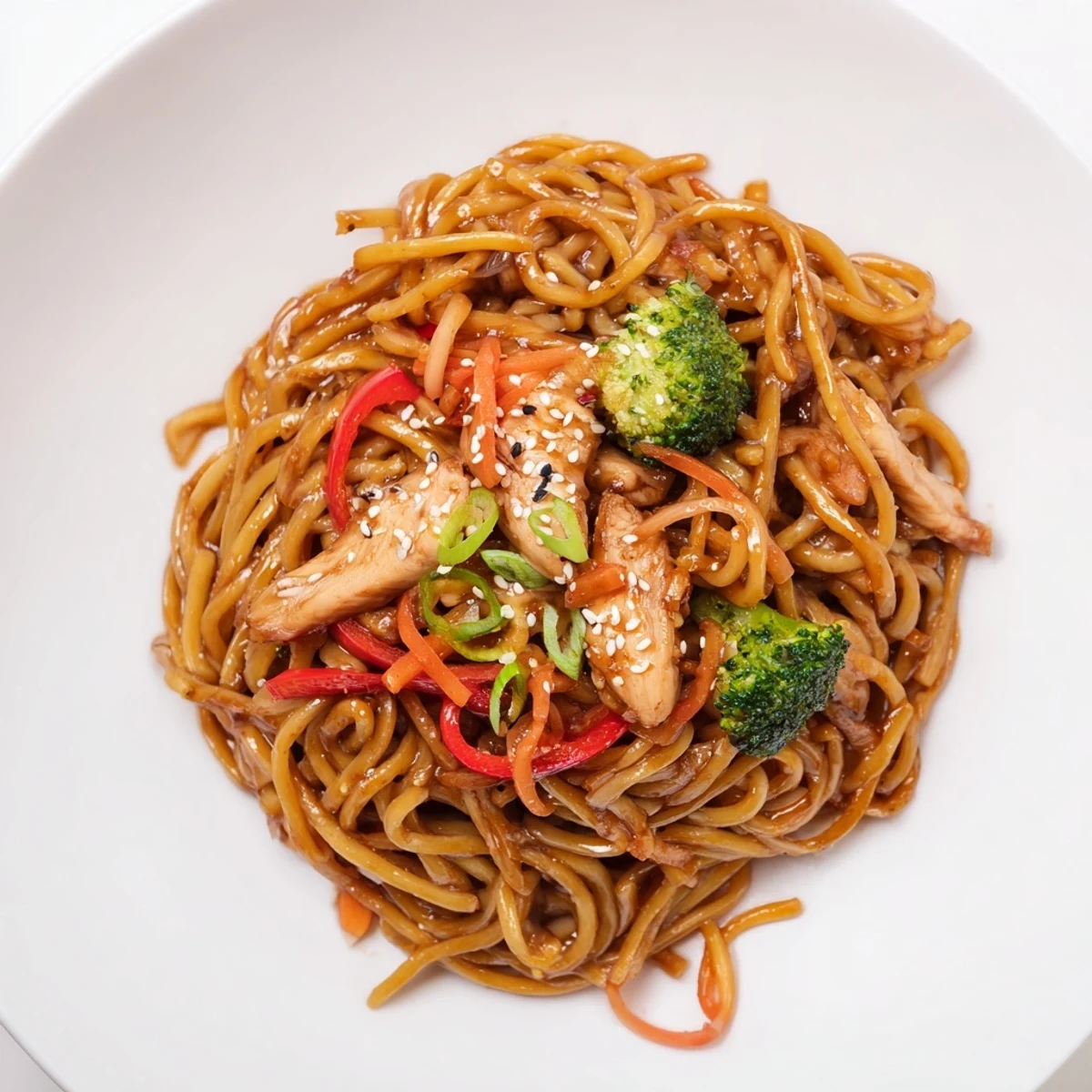
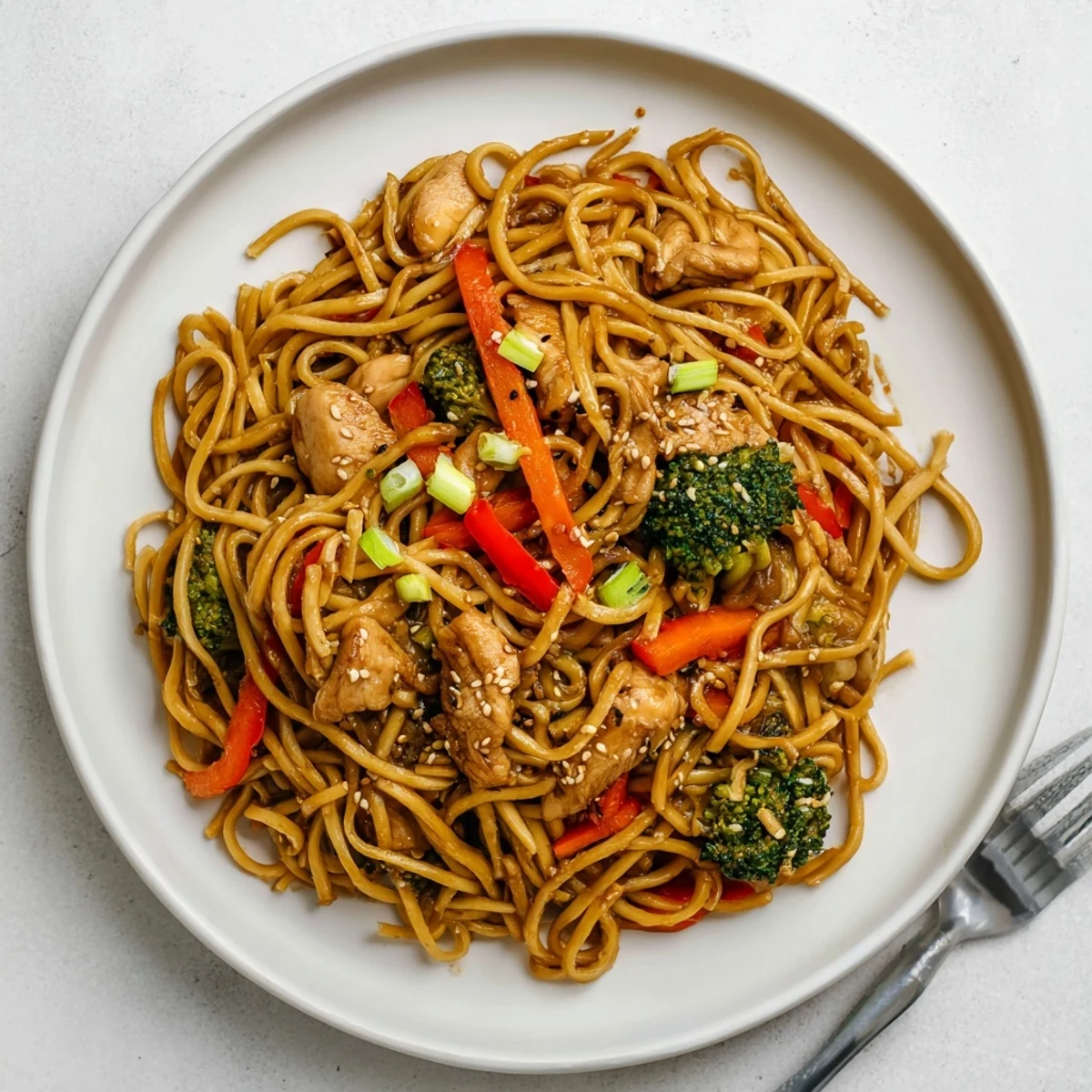
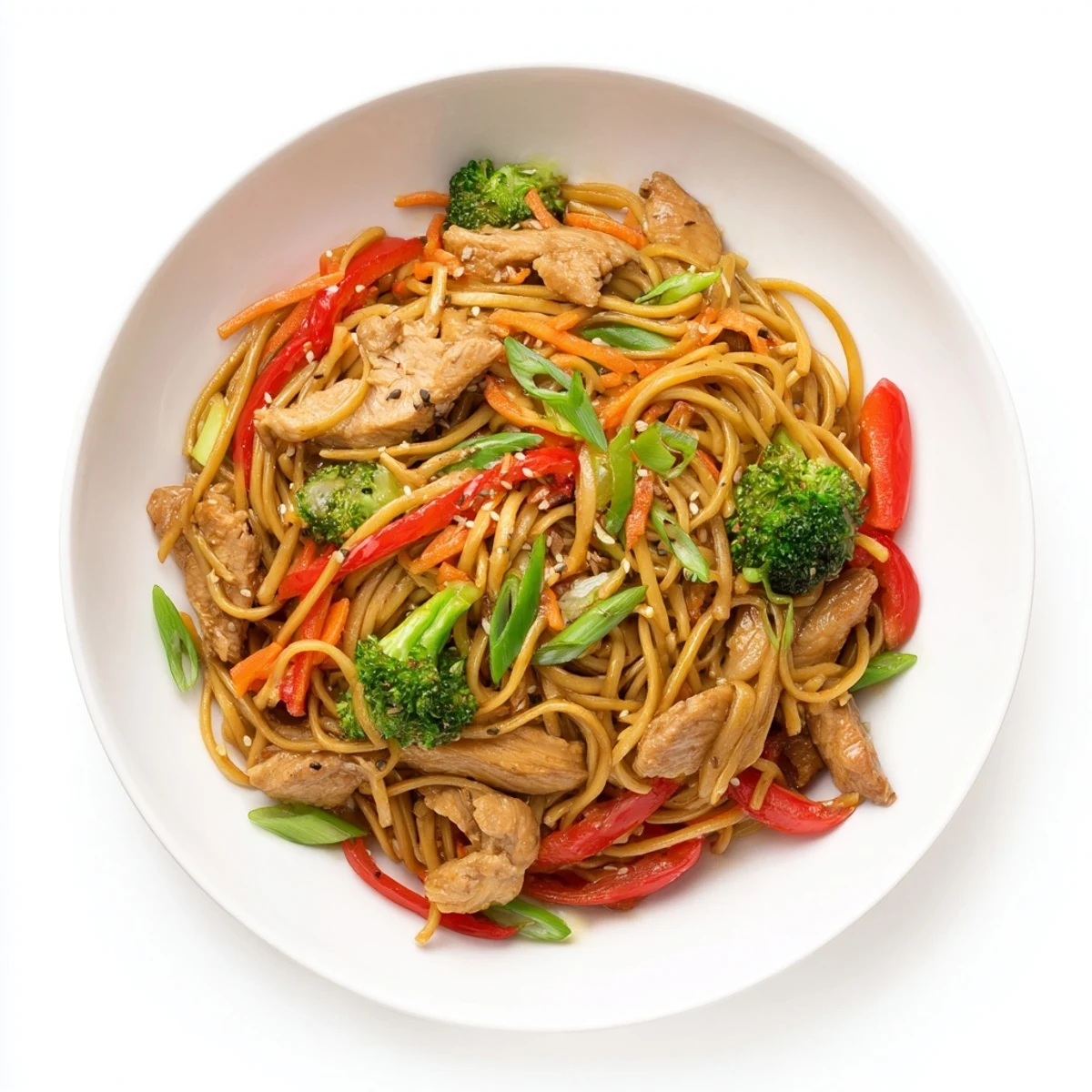
 This savory garlic chicken lo mein combines thinly sliced chicken with broccoli, bell pepper, carrots and lo mein noodles tossed in a soy, oyster and hoisin sauce thickened with a cornstarch slurry. Cook noodles separately, stir-fry chicken until just done, then sear aromatics and vegetables before returning everything to the wok to coat. Ready in about 40 minutes for an easy, flavorful weeknight meal.
The first time I set out to make chicken lo mein from scratch, it was less about chasing restaurant perfection and more about the hypnotic scent of garlic sizzling in oil. My windows fogged up from the steam, neighbors drifting by in the hallway stopped and asked what was cooking. There's something contagious about that aroma—before I had even plated the dish, I was grinning over my wok, tongs in hand, reveling in the promise of vivid flavor. It's now my go-to when craving comfort without compromise.
One chilly weeknight, I put this dish together while my roommate told stories at the kitchen counter. The hiss of the wok and the cascade of noodles worked as a metronome to our laughter, and even the mess—splashes of sauce, rogue carrot sticks—felt like evidence of a meal well on its way. That night, every plate was scraped clean, and the recipe instantly earned a repeat slot.
Ingredients
- Boneless, skinless chicken breast: Thinly slice it against the grain for tender, juicy bites—marinate briefly in soy if you want deeper savor.
- Broccoli florets: Go for small, even pieces so they crisp-tender fast in the wok and soak up sauce.
- Red bell pepper: Julienned strips add poppy color and a subtle sweetness; pick firm peppers with glossy skins.
- Carrots: Julienned carrots slip in mellow crunch and a hint of natural sugar—peel for best texture.
- Green onions: Slice on a bias for a finish that looks restaurant-cool; save the green tops for garnish.
- Lo mein noodles: Fresh are a treat, but dried can deliver too—cook al dente and toss right away with oil to dodge stickiness.
- Garlic: Don’t skimp; minced garlic fries up fast and floods the kitchen with a punchy aroma that signals the start of flavor depth.
- Fresh ginger: Give it a good mince or grate—ginger brightens the wok and balances the garlic.
- Vegetable oil: Neutral oil wins, standing up to high heat without stealing the spotlight from the aromatics.
- Sesame oil: Just a drizzle at the end is enough for toasty fragrance—go light or you’ll overpower the dish.
- Low-sodium soy sauce: Helps control the salt level and lets the other sauces shine through.
- Oyster sauce: Delivers that glossy, deep umami note—if vegetarian, find mushroom-based alternatives.
- Hoisin sauce: A little goes far to round out sweetness and complexity in the sauce.
- Sugar: A pinch softens the sharper edges of soy and oyster sauces—don’t skip, even if you rarely sweeten savory dishes.
- Cornstarch: Whisking this into the sauce ensures a velvety cling that ties every noodle and veggie together.
- Chicken broth or water: Helps the sauce stretch and soak through—broth, if you have it, gives more depth.
- Freshly ground black pepper: Save for last; it adds a gentle heat and keeps everything perky.
Instructions
- Get the noodles just right:
- Start with boiling water that’s truly rolling, then cook the noodles until barely tender—stir often, as they love to stick. Drain, then toss with a glug of sesame oil so they stay silky while you prep the rest.
- Stir together the secret sauce:
- In a little bowl, whisk soy sauce, oyster sauce, hoisin, sugar, cornstarch, and chicken broth until smooth—the mixture will look cloudy at first but that’s exactly what you want for later glossiness.
- Sear the chicken:
- With the wok good and hot, swirl in vegetable oil, then lay the chicken slices in a single layer; don’t fuss with them for a minute to let them brown, then stir-fry until just cooked through. Move to a plate so they stay juicy, not rubbery.
- Fragrant base:
- Add the garlic and ginger straight to the shimmering oil—listen for the sizzle, and the room should smell downright irresistible in seconds. Stir constantly for 30 seconds, but don’t let anything brown.
- Vegetable crunch:
- Tumble in broccoli, bell pepper, and carrots, moving them often around the wok so they sear without steaming too much—after a few minutes, they’ll turn vivid and be just fork-tender.
- Bring it together:
- Toss your cooked chicken back in with the green onions—give everything a toss so it all feels at home.
- Unite the noodles and sauce:
- Tip in the cooked noodles, then pour over your sauce; now, use tongs to flip, swirl, and toss until every strand is glossy and coated, and steam rises up. If anything sticks, scrape it up for bonus flavor.
- Finish and serve:
- Drizzle with the last of the sesame oil and hit with black pepper. Plate hot—noodle strands lifted high is always dramatic.
 Save to Pinterest
 There was one afternoon I whipped up this lo mein for a friend who’d just returned from travels abroad—her face lit up at first bite, and we ended up chatting for hours over spicy green tea. Food that can turn a catch-up into an event always earns a permanent spot on my rotation.
The Magic of Stir-Frying at Home
Mastering high heat and quick hands makes all the difference: a well-heated wok ensures the vegetables stay vibrant, not dull, and the chicken sears rather than boils. I used to worry about timing, but the key lies in having every ingredient prepped at arm’s length. Once you start, things move quickly, and confidence comes after one or two tries. Even if things get messy, the sizzle and aroma are well worth it.
How to Adapt and Personalize
One of the joys of this recipe is how welcoming it is to swaps—a handful of mushrooms, a scattering of snap peas, or even using shrimp in place of chicken. Once, I made it with whatever odds and ends lingered in my veggie drawer, and it still felt like a treat. Trust your tastebuds, and don’t fret if you swap out sauces or proteins. Your wok, your rules—just keep everything moving and taste as you go.
Troubleshooting Quick Fixes and Favorite Last Touches
Sometimes, noodles cling stubbornly or veggies cook quicker than expected, but staying calm and improvising is part of the fun. Double-check you’re using enough oil to prevent sticking, and if anything browns too fast, off the heat for a moment is your best friend. For a bolder finish, a little chili oil at the table wakes things up.
- If noodles start clumping, splash in warm water and toss vigorously.
- Sauce too thick? Loosen with a bit more broth.
- Never skip the fresh black pepper at the end—it wakes up the whole dish.
 Save to Pinterest
 This garlicky chicken lo mein never fails to gather people around—and somehow, the last bite always belongs to whomever tells the best story. Hope you enjoy adding your own memories to it.
Recipe FAQs
- → Can I use dried lo mein noodles?
-
Yes. Cook dried noodles according to package directions until al dente, drain and toss with a little sesame oil to prevent sticking. Fresh noodles need less time and can be added directly to the wok.
- → How do I prevent soggy vegetables?
-
Stir-fry vegetables over medium-high heat in a hot wok and avoid overcooking; remove them while still crisp-tender since they will finish cooking when tossed with the sauce and noodles.
- → Can I substitute the chicken?
-
Swap chicken for firm tofu, peeled shrimp or thinly sliced beef. Adjust cooking times accordingly: shrimp cooks fastest, tofu benefits from a quick sear, and beef should be sliced thin against the grain.
- → How do I thicken the sauce?
-
Whisk cornstarch with cold chicken broth or water to make a smooth slurry, then add it to the pan toward the end of cooking. Simmer briefly until the sauce becomes glossy and coats the noodles.
- → How should leftovers be stored and reheated?
-
Cool quickly and store in an airtight container in the refrigerator for up to 3 days. Reheat in a skillet over medium heat, adding a splash of water or broth to loosen the sauce and prevent drying.
- → What are common allergen-friendly swaps?
-
Use gluten-free noodles and tamari or coconut aminos in place of soy sauce, replace oyster sauce with a mushroom-based vegetarian alternative, and verify sesame-free oils if needed.