
 Save to Pinterest
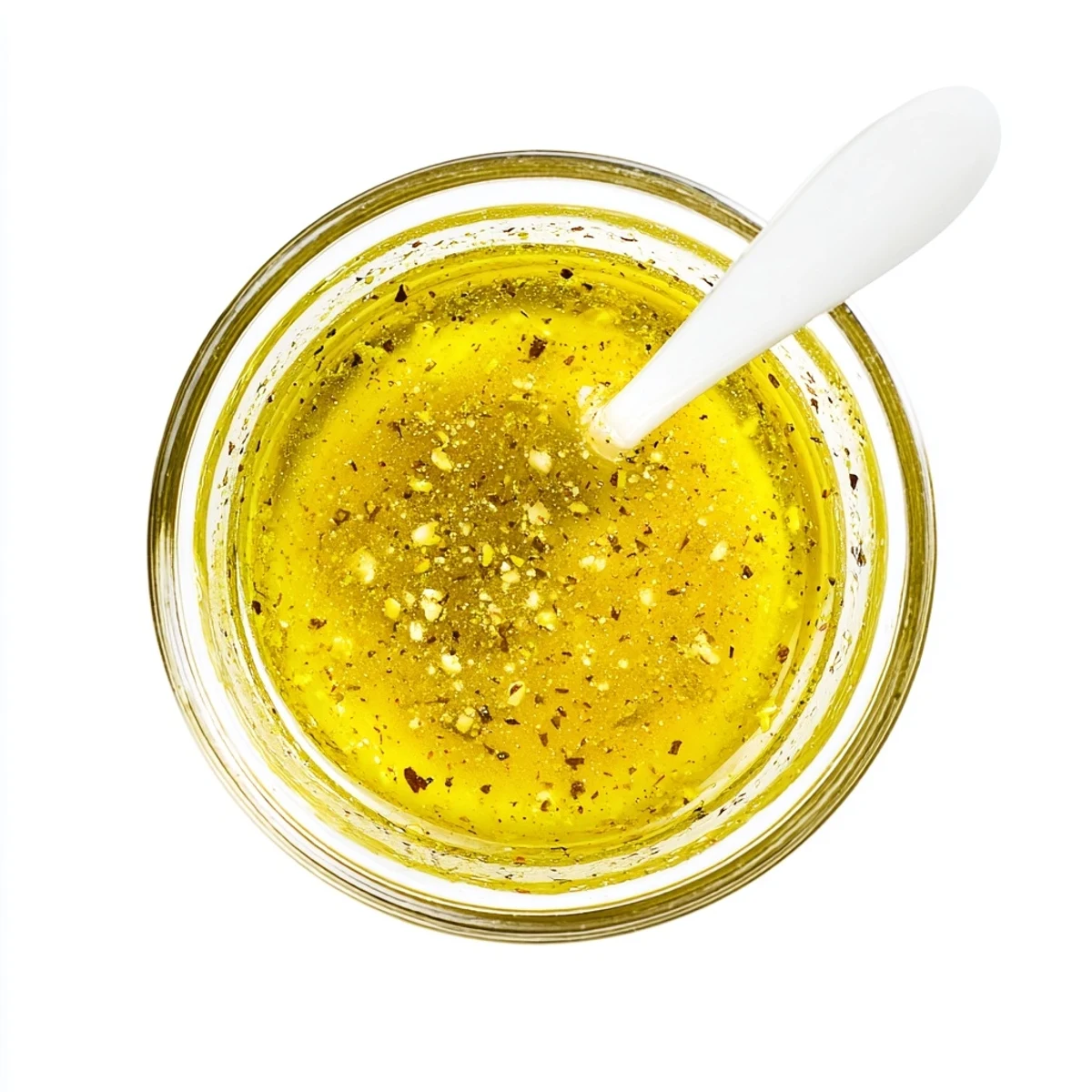
 This vibrant citrus dressing comes together in just 5 minutes with simple pantry staples. Fresh lemon juice forms the bright base, balanced by rich extra-virgin olive oil and a touch of Dijon mustard for creaminess. Honey or maple syrup adds subtle sweetness, while minced garlic and seasonings provide depth. Simply whisk or shake until emulsified for a smooth, restaurant-quality vinaigrette.
Store in the refrigerator for up to a week and shake well before each use. Drizzle over mixed greens, grain bowls, or roasted vegetables. The versatile dressing also doubles as a light marinade for chicken, fish, or grilled vegetables, adding fresh citrus flavor to whatever you prepare.
Last summer my neighbor Sarah brought over a chaotic mix of garden greens and tomatoes from her backyard harvest, then casually mentioned she was out of salad dressing. I whipped this together in about three minutes while she stood in my kitchen watching, and now every time she comes over, she asks if I have 'that magic lemon stuff.' The way her eyes lit up after that first taste told me everything I needed to know.
My daughter used to complain about eating her vegetables until I started making this dressing. Now she actually asks for salad with dinner, and I've caught her dipping everything from cucumber slices to cherry tomatoes into it. Something about the bright lemon flavor just makes fresh vegetables feel exciting instead of like a chore.
Ingredients
- Freshly squeezed lemon juice: Bottled lemon juice has a weird aftertaste that ruins the whole thing
- Extra-virgin olive oil: This is the main flavor so use something you actually like drinking straight
- Dijon mustard: Acts as the emulsifier that keeps everything from separating
- Honey or maple syrup: Just enough to balance the acid without making it sweet
- Fresh garlic: One small clove is plenty unless you really love garlic
- Salt and pepper: Start with less than you think and adjust at the end
Instructions
- Combine your base flavors:
- Whisk together the lemon juice, Dijon mustard, honey if using, and minced garlic until the mustard disappears into the liquid.
- Create the emulsion:
- Slowly drizzle in the olive oil while whisking constantly, or just throw everything in a jar and shake like crazy for thirty seconds.
- Season and taste:
- Add salt and pepper, then taste with a lettuce leaf or piece of bread to see what else it needs.
- Store or serve:
- Use immediately or keep in the fridge for up to a week, bringing it to room temperature and shaking well before using.
 Save to Pinterest
 Last week my partner made grilled salmon and insisted we needed a sauce to go with it. I reached for this vinaigrette instead, and now it's become our go-to for pretty much everything from roasted potatoes to grain bowls. Sometimes the simplest solutions end up being the ones that stick around.
Make It Your Own
Once you master the basic formula, play around with different vinegars or acids. Sometimes I swap half the lemon juice for apple cider vinegar when I want something less sharp, or add a splash of balsamic for deeper flavor.
The Fresh Herb Secret
Chopped fresh herbs transform this into something restaurant-quality. I keep a small herb garden on my windowsill just for this purpose, adding whatever's growing when I need to impress dinner guests.
Perfect Pairings
This vinaigrette works on way more than just salads. I've used it as a marinade for grilled chicken, drizzled it over roasted vegetables, and even tossed it with warm grain salads for extra brightness.
- Try it over thinly sliced radishes and cucumber
- Toss with warm roasted potatoes while they're still hot
- Use it to dress grain bowls instead of heavy sauces
 Save to Pinterest
 There's something deeply satisfying about making your own dressing, like you're finally in on a secret that everyone else already knew. Once you start, you'll wonder how you ever settled for the bottled stuff.
Recipe FAQs
- → How long does homemade lemon vinaigrette last?
-
Store in a sealed container in the refrigerator for up to 1 week. The oil may solidify when cold—simply let it sit at room temperature for a few minutes and shake well before using.
- → Can I make this vinaigrette without Dijon mustard?
-
Yes, though the mustard helps emulsify the dressing and adds subtle depth. For a similar effect, omit the mustard and whisk more vigorously to combine, or add a small amount of mayonnaise or egg yolk.
- → What's the best ratio of oil to acid in vinaigrette?
-
The classic ratio is 3 parts oil to 1 part acid, like in this version. For a sharper taste, use equal parts. Adjust based on your preference and the specific dish you're preparing.
- → Why did my vinaigrette separate?
-
Separation is natural since oil and vinegar don't permanently bond. Simply shake or whisk again before serving. The Dijon mustard in this version helps the emulsion hold longer, but it may still separate over time.
- → Can I use bottled lemon juice instead of fresh?
-
Fresh lemon juice provides superior flavor and brightness. Bottled juice works in a pinch but may taste more acidic and less vibrant. If substituting, taste and adjust the sweetness or seasonings accordingly.
- → What other acids can I use in place of lemon?
-
Try white wine vinegar, champagne vinegar, apple cider vinegar, or a mix of vinegar and fresh citrus juice like lime or orange. Each brings a different flavor profile to the finished dressing.