 Save to Pinterest
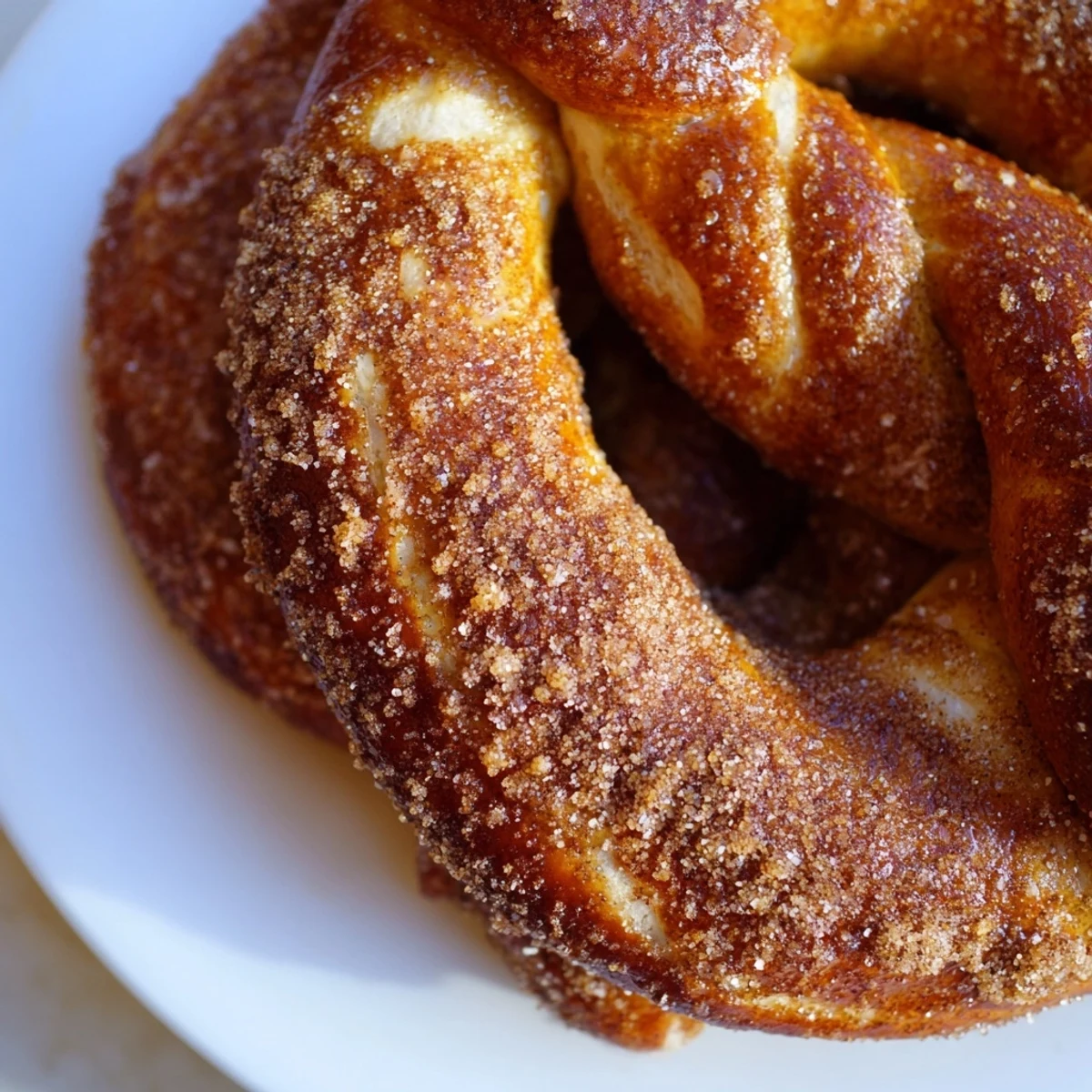
 These homemade pretzels feature a soft, chewy interior with a golden exterior that gets coated in butter and cinnamon sugar while still warm. The dough rises for an hour before being shaped into classic pretzel forms, dipped in a baking soda bath for that authentic chewy texture, then baked until golden.
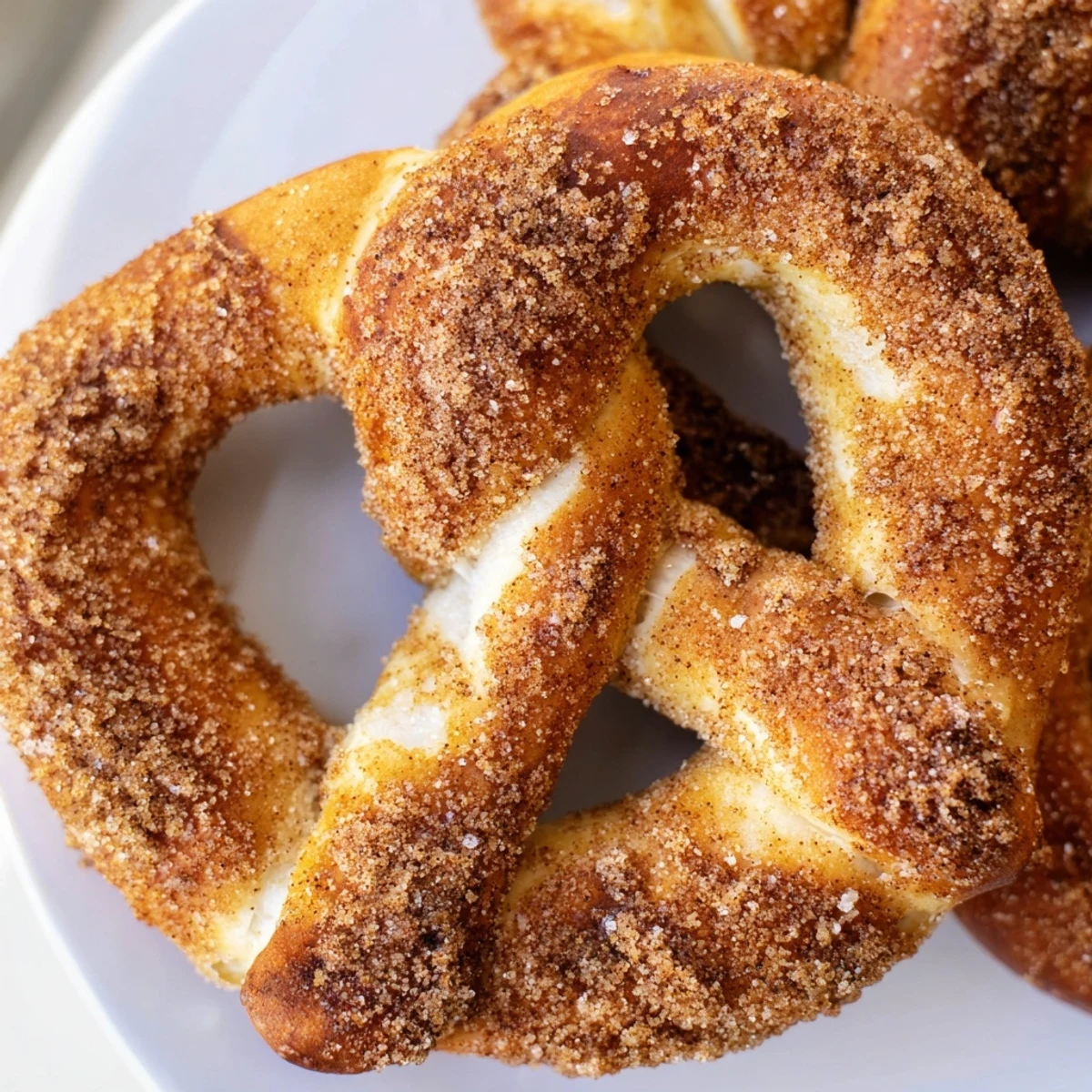
The finishing touch involves brushing each warm pretzel with melted butter and rolling them in a mixture of granulated sugar and ground cinnamon. This creates a fragrant, sweet coating that perfectly complements the slightly salty dough. Best served immediately while warm, they make an irresistible treat for gatherings or a special snack.
The smell of cinnamon sugar hitting warm butter still makes my stomach do a little flip, taking me back to a rainy Sunday afternoon when my kitchen experiment accidentally turned into the best treat Id ever made. Id originally planned to make regular soft pretzels, but halfway through remembered Id used the last of my coarse salt for something else.
My roommate walked in right as I was pulling the first batch from the oven, probably wondering what I was up to now, and ended up eating three pretzels standing at the counter. Now she texts me every few weeks asking if I am making the good pretzels again.
Ingredients
- Warm water (about 110°F/43°C): This temperature activates the yeast without killing it—too hot and your dough will not rise, too cool and it will take forever
- Active dry yeast: Let the mixture sit for 5 minutes until it looks foamy on top, which proves the yeast is alive and working
- Granulated sugar (for dough): Feeds the yeast and adds a touch of sweetness to balance the salt
- All-purpose flour: Bread flour would make these chewier, but regular flour gives them that classic soft pretzel texture we love
- Salt: Enhances all the flavors and keeps the dough from tasting flat
- Unsalted butter (melted, for dough): Adds richness and helps create a tender crumb
- Baking soda: This is the secret ingredient that gives pretzels their signature chewy, golden crust when boiled
- Granulated sugar (for topping): Fine sugar coats more evenly than coarse sugar, but either works in a pinch
- Ground cinnamon: Freshly ground cinnamon has way more flavor, so check your spice cabinet before starting
- Unsalted butter (melted, for brushing): Do not skimp here—the butter is what helps the cinnamon sugar stick and creates that glossy finish
Instructions
- Wake up the yeast:
- Combine warm water, yeast, and 1 tablespoon sugar in a large bowl. Let it sit for about 5 minutes until the surface looks foamy and alive.
- Mix the dough:
- Add melted butter, flour, and salt to the yeast mixture. Stir until you have a shaggy, sticky dough that holds together.
- Knead it out:
- Knead by hand on a floured surface or use a stand mixer with a dough hook for 5 to 7 minutes. The dough should feel smooth, elastic, and slightly tacky but not sticky.
- Let it rise:
- Place dough in a lightly greased bowl, cover with plastic wrap or a clean towel, and set in a warm spot for about 1 hour until it is doubled in size.
- Prep for baking:
- Preheat your oven to 450°F (230°C) and line two baking sheets with parchment paper. Get everything ready before you start shaping.
- Make the bath:
- Bring 10 cups of water and the baking soda to a boil in a large pot. The water will look cloudy and that is completely normal.
- Shape the pretzels:
- Divide dough into 8 equal pieces. Roll each into a 20-inch rope, form a U shape, cross the ends over twice, and press them firmly into the curve.
- The dip:
- Carefully lower each pretzel into the boiling baking soda bath for 30 seconds. Remove with a slotted spatula and place on the prepared baking sheets.
- Bake to golden:
- Bake for 12 to 15 minutes until the pretzels are deep golden brown with a glossy, chewy looking crust.
- Butter them up:
- While the pretzels are still warm, brush each one generously with melted butter so the topping has something to grab onto.
- Cinnamon sugar coating:
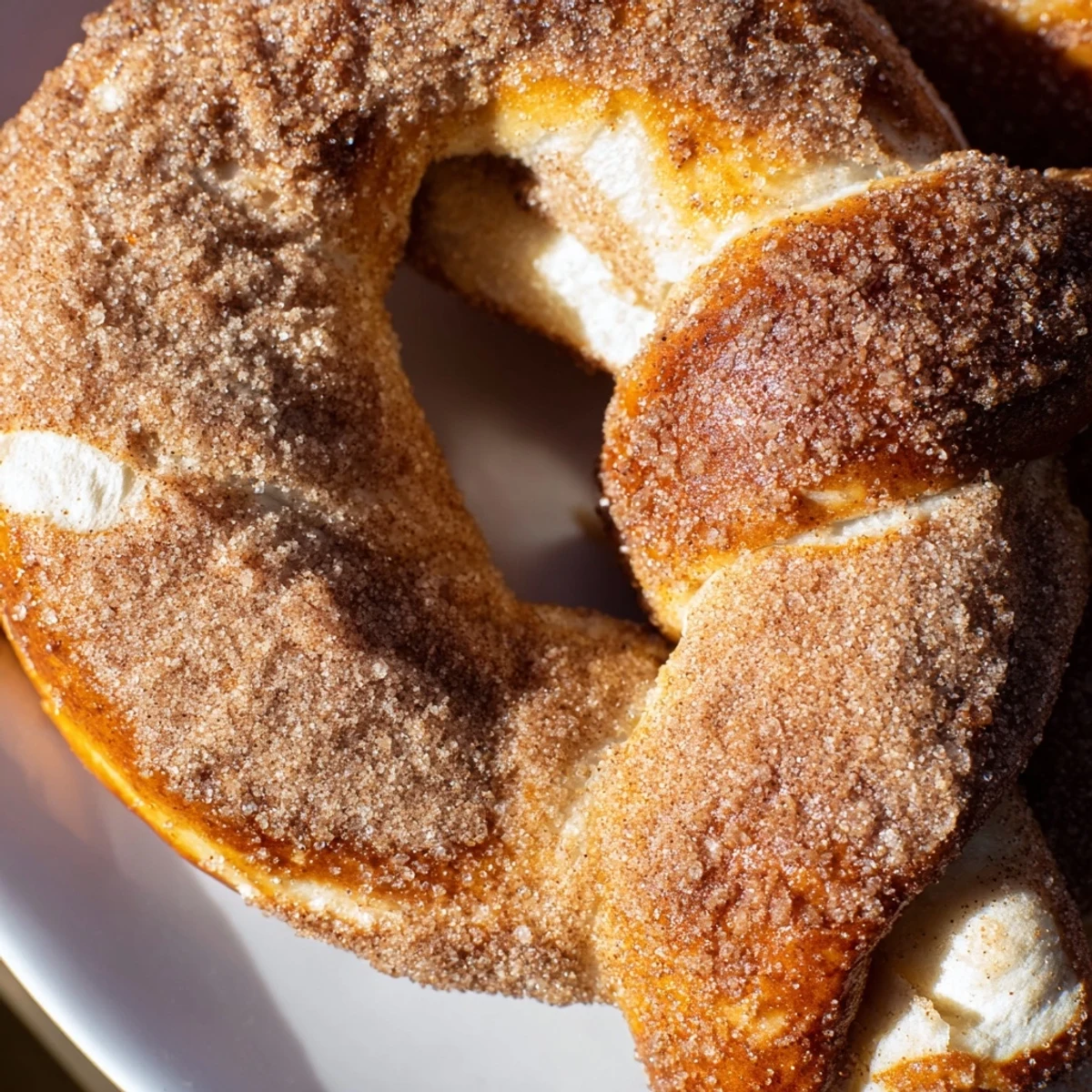
- Mix granulated sugar and cinnamon in a shallow bowl. Toss each buttered pretzel in the mixture until coated on all sides.
- Serve immediately:
- These are best enjoyed warm while the sugar is still slightly crunchy and the interior is soft and pillowy.
 Save to Pinterest
 Last Christmas I made a double batch and packaged them in little cellophane bags tied with twine as gifts. My cousin called me the next day demanding the recipe because her husband had already eaten them all.
Getting The Shape Right
My first pretzels looked like lumpy knots rather than the classic twisted shape we all recognize. The trick is rolling the dough evenly from the center outward instead of starting at one end, which prevents tapered ends that are too thin to twist properly. If the rope keeps springing back, let it rest for a few minutes to relax the gluten before trying again.
Make-Ahead Magic
You can freeze shaped, unboiled pretzels on a baking sheet until firm, then transfer to a freezer bag for up to a month. Thaw them in the refrigerator overnight, then proceed with the baking soda bath and baking as directed. The texture is nearly as good as fresh, which means you can have warm pretzels whenever the craving strikes.
Serving Ideas
Sometimes I serve these with a simple cream cheese glaze made by whisking powdered sugar, vanilla, and a splash of milk until smooth. They are also incredible dipped in melted chocolate or served alongside vanilla ice cream for a dessert pretzel sundae situation.
- Try adding a pinch of nutmeg or cardamom to the cinnamon sugar for extra warmth
- A light sprinkle of sea salt over the cinnamon sugar creates that sweet and salty magic everyone loves
- Leftovers can be warmed in a 300°F oven for 5 minutes to bring back that fresh baked texture
 Save to Pinterest
 There is something deeply satisfying about pulling a tray of these from the oven, watching the steam rise as you brush them with butter, and hearing that first crunch of cinnamon sugar. I hope they become as special in your kitchen as they have in mine.
Recipe FAQs
- → Why do pretzels need a baking soda bath?
-
The baking soda bath creates the classic pretzel texture and deep golden color. The alkaline water gelatinizes the dough's surface, giving it that distinctive chewy skin and pretzel flavor that can't be achieved through baking alone.
- → Can I make these pretzels ahead of time?
-
These are best enjoyed fresh the same day. However, you can refrigerate the shaped, unbaked pretzels overnight and bake them the next morning. Leftovers can be refreshed in a warm oven for a few minutes to restore softness.
- → What's the best way to shape pretzels?
-
Roll each dough piece into a 20-inch rope, form a U-shape, cross the ends over twice, then fold them down to meet the bottom curve. A quick online visual guide helps master this traditional technique.
- → Can I skip the cinnamon sugar coating?
-
Absolutely! Traditional pretzels use coarse salt instead. Brush with melted butter and sprinkle with pretzel salt or sea salt immediately after baking for a classic savory version.
- → Why did my dough not double in size?
-
This usually means the water was too hot (killing the yeast) or too cold (slowing activation), or the rising spot wasn't warm enough. Aim for 110°F water and find a cozy, draft-free place for the bowl.
- → Can I use instant yeast instead of active dry?
-
Yes, you can substitute instant yeast in the same amount. Skip the initial 5-minute resting step since instant yeast doesn't need to be activated separately before mixing.