
 Save to Pinterest
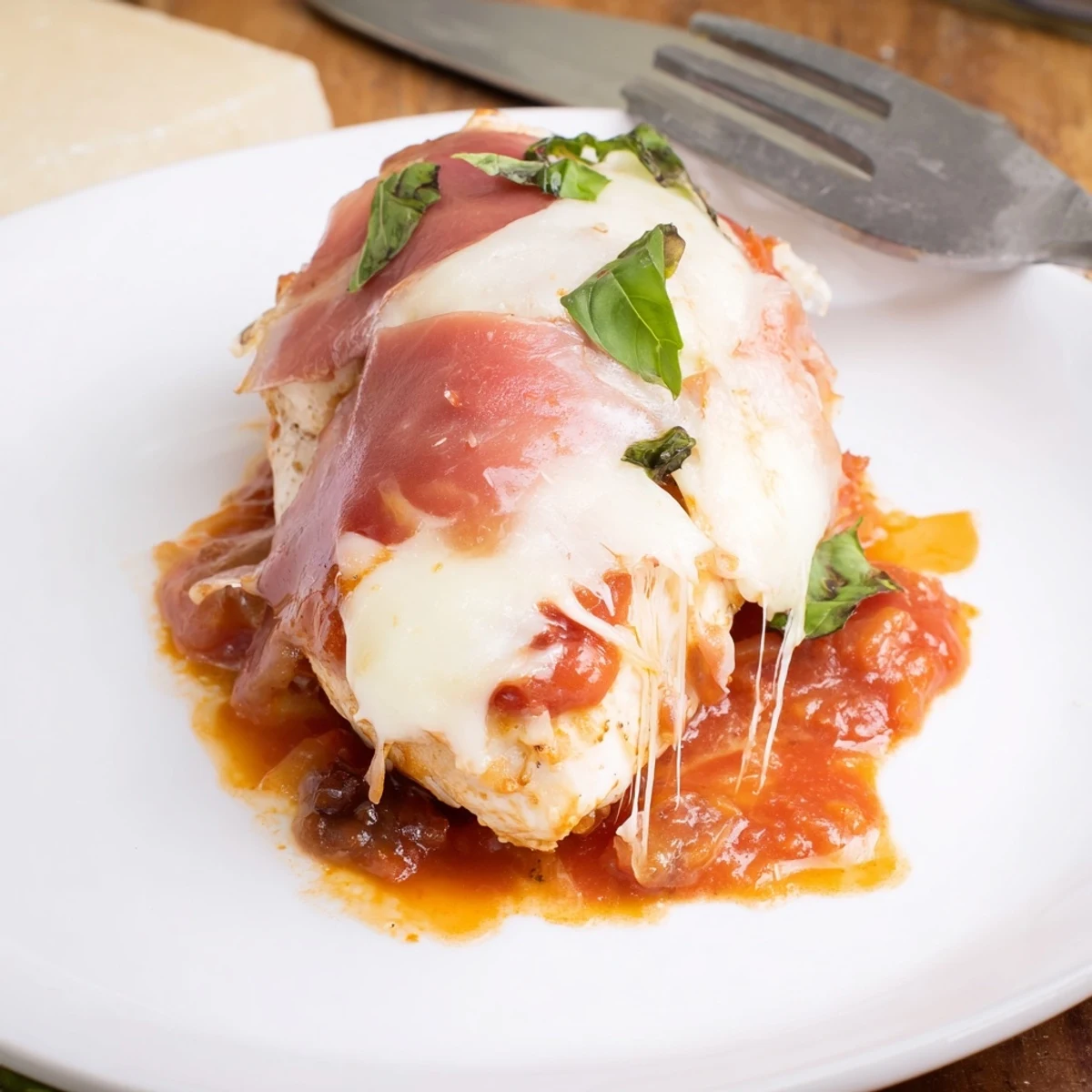
 Chicken Valdostana is a hearty Italian dish that brings together seared chicken breasts topped with salty prosciutto di Parma and creamy melted Fontina cheese.
The chicken is nestled in a rich sauce made from dry white wine, crushed tomatoes, garlic, and shallots, then finished in the oven until perfectly cooked through.
Ready in about 45 minutes, it makes an impressive weeknight dinner or a crowd-pleasing dish for entertaining. Serve it alongside polenta, risotto, or crusty bread to soak up every bit of that flavorful sauce.
The smell of Fontina melting over prosciutto is the kind of thing that makes you close your eyes and stand still at the stove. Chicken Valdostana showed up at a dinner party I attended years ago, and I spent the entire car ride home trying to figure out what made the sauce taste so layered and alive. It took three attempts in my own kitchen before I understood that the browning on the chicken and the wine deglazing were doing most of the talking. Now it is the dish I reach for when someone important is sitting at my table.
One rainy autumn evening I made this for my neighbor who had just returned from a difficult trip abroad. She sat at the kitchen counter watching the cheese bubble under the broiler and said nothing for a long while, which is the highest compliment I have ever received as a cook.
Ingredients
- 4 boneless, skinless chicken breasts: Pound them evenly so they cook at the same rate and stay juicy throughout.
- 4 slices prosciutto di Parma: The real stuff matters here because its delicate saltiness is what balances the rich cheese and sauce.
- 120 g Fontina cheese, sliced: Cut it thick enough that it melts into a luxurious blanket rather than disappearing into the sauce.
- 60 g all-purpose flour: A light dredge gives the chicken a golden crust that holds the toppings in place.
- 2 tbsp olive oil: Use a generous pour because this is the only fat in the pan and it carries the initial flavor.
- 80 ml dry white wine: Something you would drink works best because the flavor concentrates as it reduces.
- 400 g canned crushed tomatoes: Good quality canned tomatoes often taste better than fresh for a sauce like this.
- 60 ml chicken broth: Adds depth without making the sauce too heavy or salty.
- 2 garlic cloves, minced: Fresh garlic crushed just before cooking gives a warmth that jarred garlic never matches.
- 1 small shallot, finely chopped: Shallot brings a sweetness that bridges the garlic and the wine beautifully.
- Salt and black pepper, to taste: Season the chicken boldly before dredging because the flour dulls the salt slightly.
- 1 tsp dried oregano: Rub it between your fingers before adding to wake up the oils and release more aroma.
- Fresh basil leaves, for garnish: Tear them by hand right before serving so the fragrance hits you immediately.
Instructions
- Prepare your oven:
- Set the oven to 200 degrees Celsius and let it come fully to temperature while you work on the chicken because a hot oven is essential for that final cheese melt.
- Flatten and season the chicken:
- Place each breast between sheets of parchment and pound gently with a mallet until about one and a half centimeters thick, then season both sides generously with salt and pepper.
- Create the crust:
- Dredge each piece of chicken in the flour and tap off any excess so you get a thin even coating rather than a heavy batter.
- Build the golden sear:
- Heat olive oil in an oven safe skillet over medium high heat and sear the chicken two to three minutes per side until it takes on a light golden color, then remove and set aside on a plate.
- Start the aromatics:
- In the same skillet with all those flavorful bits still clinging to the bottom, add the shallot and garlic and cook just until you can smell them, about one minute.
- Build the sauce:
- Pour in the white wine and scrape up every browned bit from the pan because that is where the deepest flavor lives, then add the crushed tomatoes, chicken broth, and oregano and let it simmer for five minutes until it thickens slightly.
- Assemble and melt:
- Nestle the seared chicken breasts into the sauce, lay a slice of prosciutto over each one, and top with Fontina before transferring the whole skillet into the oven for ten to twelve minutes.
- Finish and serve:
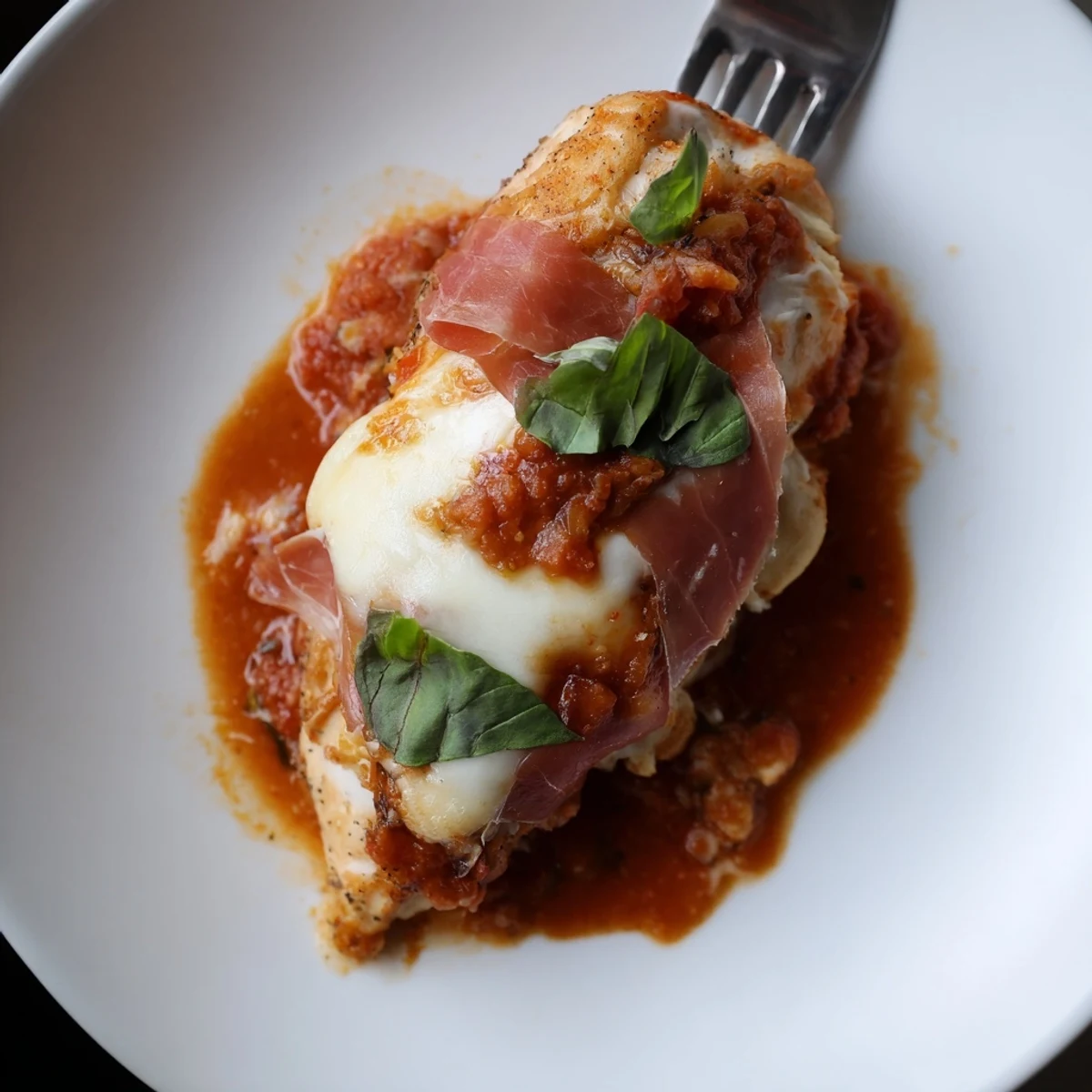
- When the cheese has melted into bubbling pools and the chicken is cooked through, scatter torn basil over the top and spoon extra sauce over each portion at the table.
 Save to Pinterest
 There is a specific kind of quiet that falls over a table when this dish is served, the kind where forks slow down and conversation pauses because everyone is too busy tasting to speak.
Serving Ideas That Actually Work
Creamy polenta is my favorite pairing because it acts like a sponge for that incredible tomato and wine sauce. Risotto works too if you want something more substantial, and a hunk of crusty bread is honestly all you need if you are keeping things simple on a weeknight.
When Fontina Is Hard to Find
Mozzarella makes a perfectly respectable substitute and I have used it more times than I care to admit when the grocery store let me down. The dish will be slightly less complex in flavor but still genuinely delicious and absolutely worth making.
Making It Your Own
This recipe is forgiving and adaptable once you understand the basic technique of searing, saucing, and finishing in the oven. Over time you will develop your own instincts for how thick the sauce should be and how much cheese is enough, which is usually more than you think.
- Gluten free flour works seamlessly if you need to avoid gluten.
- A splash of cream in the sauce turns it into something completely different and wonderfully indulgent.
- Always let the skillet rest for a few minutes after it comes out of the oven so the juices settle before serving.
 Save to Pinterest
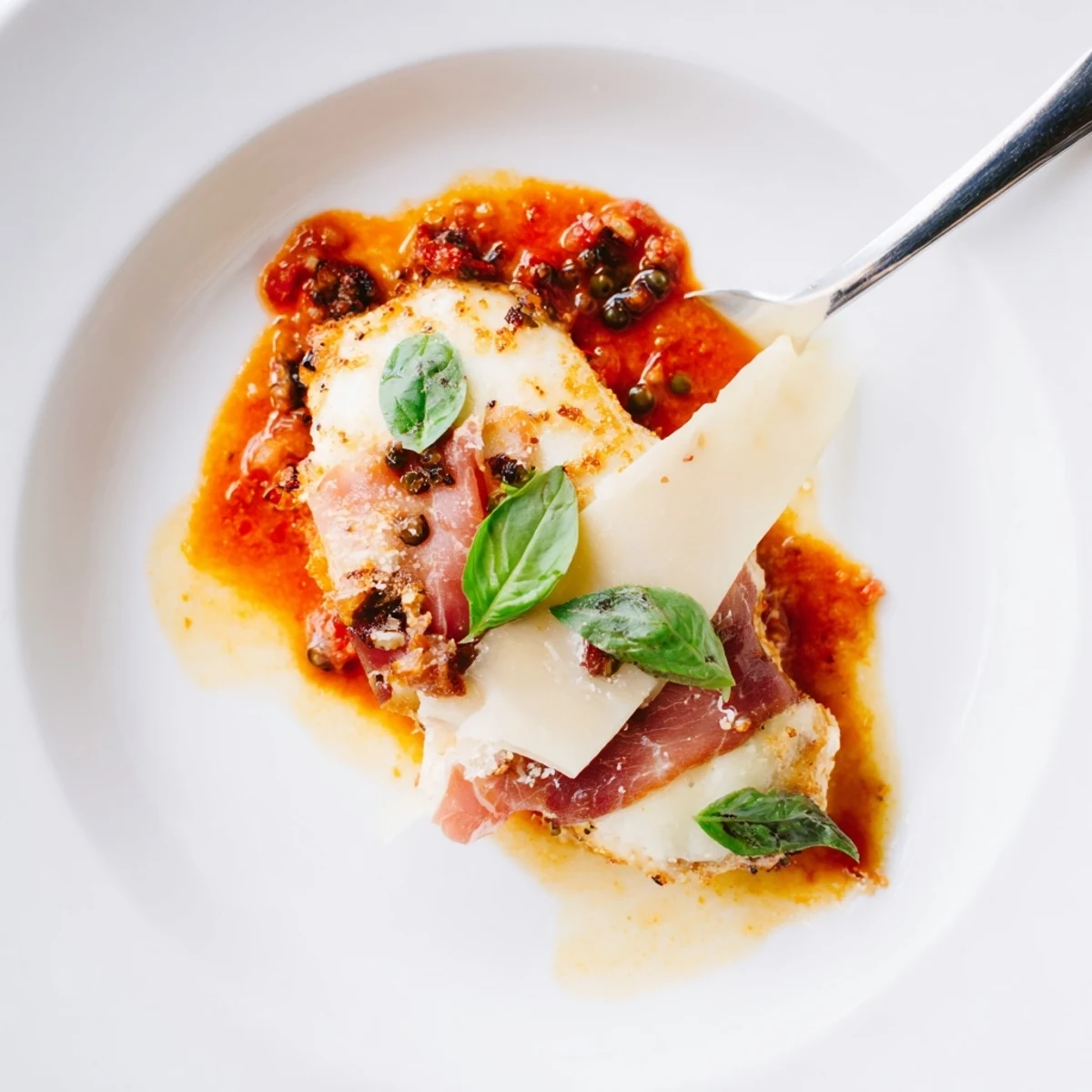
 Some recipes become part of your repertoire and others become part of your story, and this one somehow managed to do both. Share it with someone who needs a good meal and a little warmth tonight.
Recipe FAQs
- → What kind of cheese works best for Chicken Valdostana?
-
Fontina cheese is the traditional choice, offering a creamy, mild flavor that melts beautifully over the chicken. If Fontina is unavailable, mozzarella makes a good substitute, though the flavor will be slightly less complex.
- → Can I make Chicken Valdostana ahead of time?
-
You can prepare the sauce and sear the chicken in advance, then refrigerate separately for up to 24 hours. When ready to serve, reheat the sauce, add the chicken, top with prosciutto and cheese, and bake until heated through and the cheese is melted.
- → How do I know when the chicken is fully cooked?
-
The internal temperature of the thickest part of the chicken should reach 74°C (165°F). Visually, the meat should be opaque throughout with no pink centers, and the juices should run clear when cut.
- → What sides pair well with Chicken Valdostana?
-
Creamy polenta and risotto are classic Italian accompaniments that complement the rich sauce. Crusty bread, garlic mashed potatoes, or a simple green salad with vinaigrette also work wonderfully to balance the dish.
- → Can I use a different type of flour for the breading?
-
Yes, you can substitute gluten-free flour blends or cornstarch if you need a gluten-free version. The flour coating is light and primarily helps create a golden crust during searing, so these alternatives work well.
- → Is there a non-alcoholic substitute for the white wine?
-
You can replace the dry white wine with an equal amount of additional chicken broth plus one tablespoon of lemon juice. This provides acidity and depth similar to what the wine contributes to the sauce.