
 Save to Pinterest
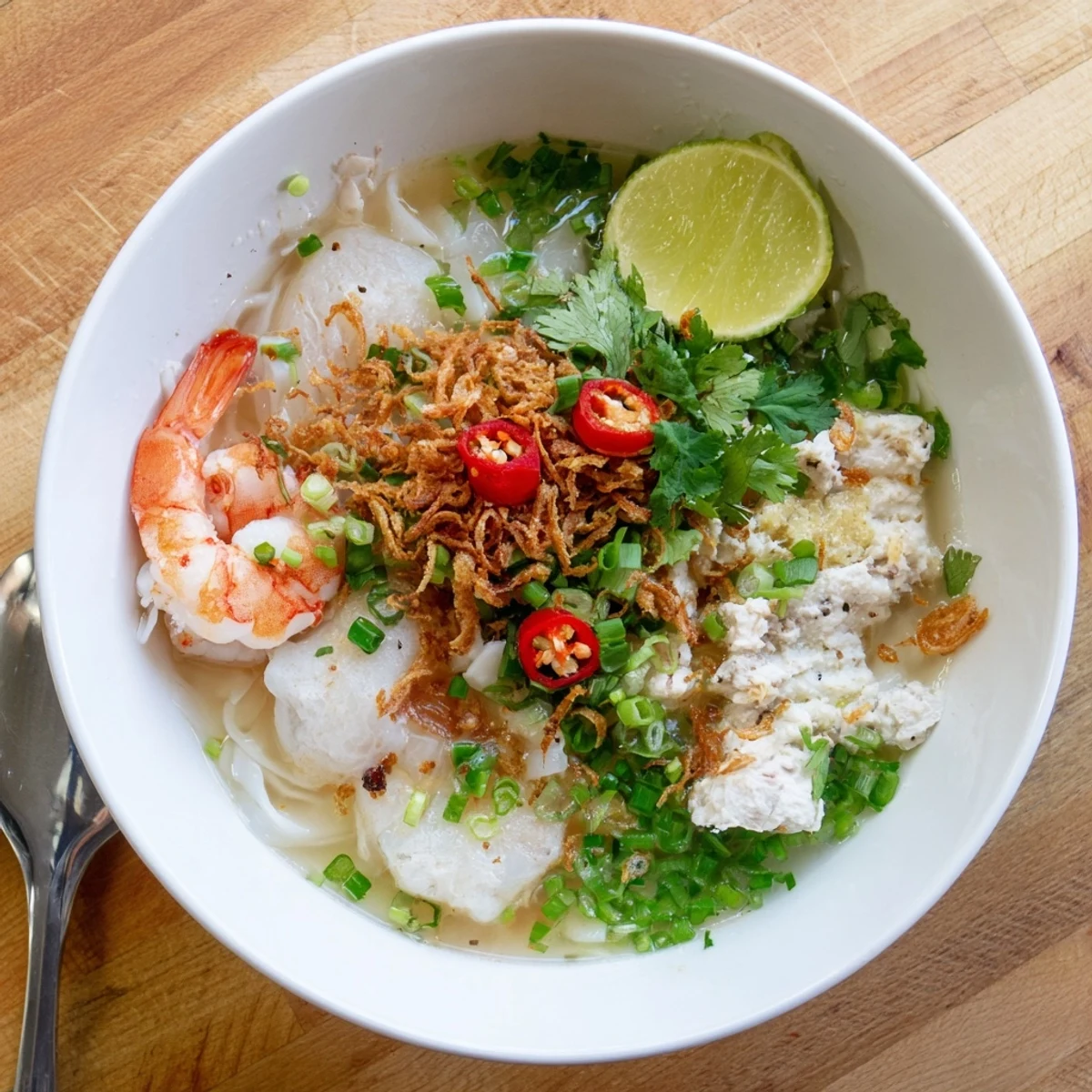
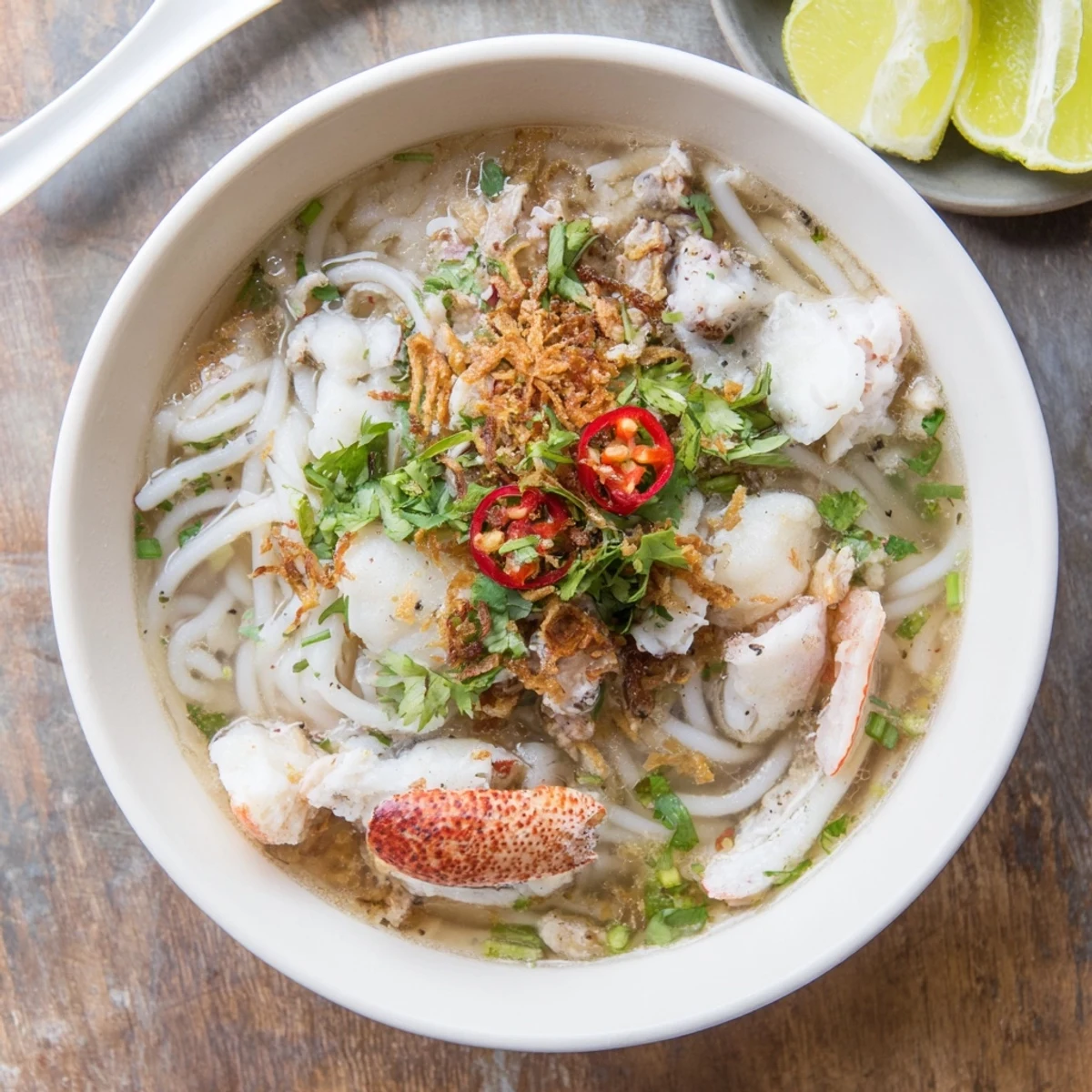
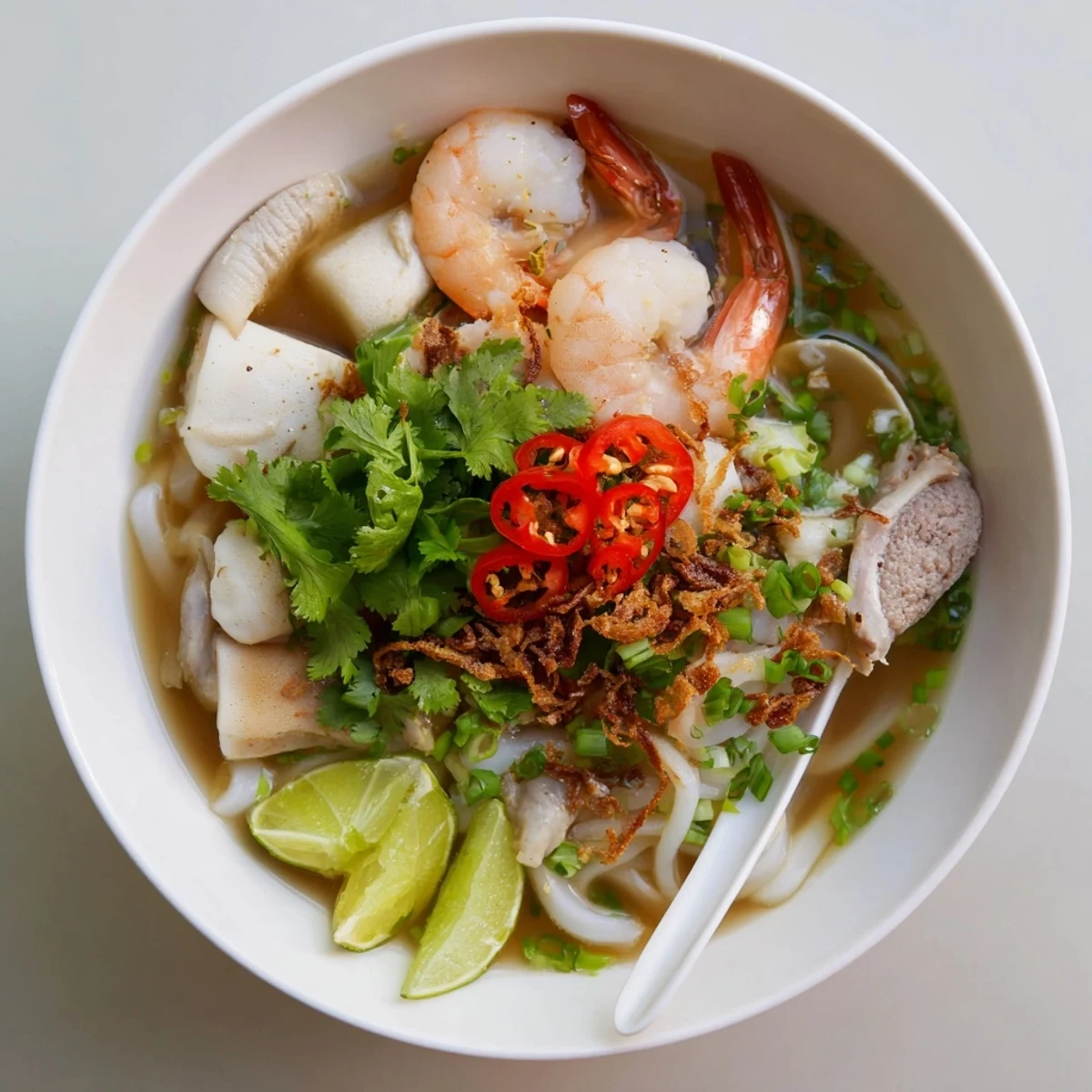
 Banh Canh Cua delivers authentic Vietnamese comfort with its signature thick tapioca noodles swimming in a rich, savory broth. The dish combines fresh crab meat, plump shrimp, and sliced fish cakes, creating a harmonious balance of seafood flavors.
What sets this noodle soup apart is the chewy, gelatinous texture of banh canh noodles made from tapioca flour. The broth simmers with pork bones, aromatics, and fish sauce, developing deep umami notes that perfectly complement the sweet seafood.
Ready in just over an hour, this pescatarian-friendly main serves four generous portions. Customizable with garnishes like fried shallots, fresh cilantro, lime wedges, and chili, each bowl becomes a personalized experience.
The steam rising from my grandmother's kitchen always meant something special was happening. On rainy afternoons in Saigon, she would position a small stool by the stove and let me watch as she transformed a simmering pot into Banh Canh Cua. I can still hear the rhythmic chopping of spring onions and smell the sweet aroma of crab broth filling every corner of the house. Those moments taught me that the best soups require patience, presence, and a little bit of love.
Last winter, when my friends were nursing colds and feeling homesick, I made a massive pot of this soup. We sat around the coffee table with steaming bowls, adding extra chili and lime, and for an hour nobody mentioned being sick. The broth warmed us from the inside out, and the conversation turned from complaints to memories of family meals and favorite foods. Sometimes soup is just what people need.
Ingredients
- 1.2 liters chicken stock: Use good quality stock as your foundation because it carries all the other flavors
- 400 g pork bones: Blanching these first keeps your broth clear and removes any impurities that could make it cloudy
- 1 yellow onion: Halving it releases more sweetness into the broth than leaving it whole
- 2 cloves garlic: Smash them with the side of your knife to release their oils before adding to the pot
- 1 tsp each salt and sugar: Balance is key in Vietnamese cooking, the sugar rounds out the saltiness
- 1 tbsp fish sauce: Add this toward the end to preserve its delicate aroma
- 300 g fresh crab meat: Fresh crab makes all the difference but imitation works in a pinch
- 150 g shrimp: Remove them promptly when cooked so they stay tender
- 200 g fish cakes: Slice them at an angle for more surface area in the broth
- 400 g banh canh noodles: These thick tapioca noodles are what make this soup so comforting
- Garnishes: Spring onions, fried shallots, cilantro, chili, lime wedges, and black pepper bring everything to life
Instructions
- Build your broth base:
- Combine chicken stock, blanched pork bones, onion halves, smashed garlic, salt, and sugar in a large pot. Bring everything to a rolling boil, then lower the heat and let it simmer gently for 30 minutes, skimming any foam that rises to the top.
- Season and strain:
- Stir in the fish sauce, then carefully remove the pork bones and onion pieces from the broth. Your kitchen should smell amazing by now.
- Cook the shrimp:
- Add the shrimp to the simmering broth and cook for just 2 to 3 minutes until they turn pink and curl slightly. Remove them immediately and set aside.
- Infuse the crab:
- Gently add the crab meat and sliced fish cakes to the broth. Let them simmer for 5 to 7 minutes so the seafood can share its sweetness with the liquid.
- Prepare the noodles:
- Cook the banh canh noodles according to the package directions, then drain and give them a quick rinse. This keeps them from clumping together in the bowls.
- Assemble each bowl:
- Divide the noodles among four serving bowls, then arrange the shrimp, crab meat, and fish cakes on top. Ladle the hot broth over everything.
- Add the finishing touches:
- Scatter spring onions, fried shallots, cilantro, and fresh chili over each bowl. Serve with lime wedges and a pepper grinder so everyone can adjust their own bowl.
 Save to Pinterest
 My brother in law took one sip of this soup and declared it better than what he had in Hanoi. That might have been the hunger talking, but seeing someone close their eyes and savor something you made from scratch is its own reward. Good food does that to people.
Making It Your Own
A splash of annatto oil transforms the broth from pale amber to a beautiful golden red, which feels more authentic and appetizing. The color signals comfort before anyone even takes a bite. I learned this trick from a street vendor who swore her customers ate with their eyes first.
Noodle Secrets
Fresh banh canh noodles have a silky texture that frozen ones cannot quite match, but both work well in this soup. If you can only find dried ones, soak them longer and expect a slightly chewier bite. The key is rinsing them after cooking to stop the cooking process completely.
Serving It Right
Set up a small station with extra lime, chili slices, fish sauce, and pepper on the table. Vietnamese food is meant to be interactive, and letting people customize their bowl makes the meal feel more communal. Everyone has their own perfect balance of sour and spicy.
- Have a small bowl of water on the table for people who prefer a lighter broth
- Fried shallots lose their crunch quickly, so add them right before serving
- Extra crab meat on the side never hurts if you are serving seafood lovers
 Save to Pinterest
 There is something profoundly healing about a bowl of noodle soup made with care. I hope this recipe becomes part of your own comfort food repertoire.
Recipe FAQs
- → What makes Banh Canh Cua different from other Vietnamese noodle soups?
-
The distinguishing feature is the thick, chewy tapioca noodles called banh canh. Unlike thin rice noodles in pho or bun, these tapioca-based noodles have a bouncy, gelatinous texture that holds up beautifully in rich broths.
- → Can I use frozen crab meat for this soup?
-
Yes, frozen crab meat works well when fresh crab is unavailable. Thaw completely before adding to the broth. Imitation crab can also be substituted, though fresh crab provides the best flavor and texture.
- → How do I prevent the tapioca noodles from sticking together?
-
Cook noodles according to package instructions, then drain and rinse lightly with cool water. This removes excess starch and prevents sticking. Toss with a small amount of oil if holding before serving.
- → What can I substitute for fish cakes?
-
Fish cakes add texture and mild sweetness. You can substitute with more crab meat, additional shrimp, or even firm white fish cubes cut into bite-sized pieces. For a vegetarian version, use fried tofu puffs.
- → How long does the broth need to simmer?
-
The base broth simmers for 30 minutes with pork bones to develop depth. After removing bones, seafood cooks quickly—shrimp needs 2-3 minutes, while crab and fish cakes require 5-7 minutes to infuse flavors.
- → Is this dish gluten-free?
-
While tapioca noodles are naturally gluten-free, fish cakes and fish sauce may contain gluten. Check labels carefully and use certified gluten-free fish sauce if needed. The remainder of ingredients are naturally gluten-free.