
 Save to Pinterest
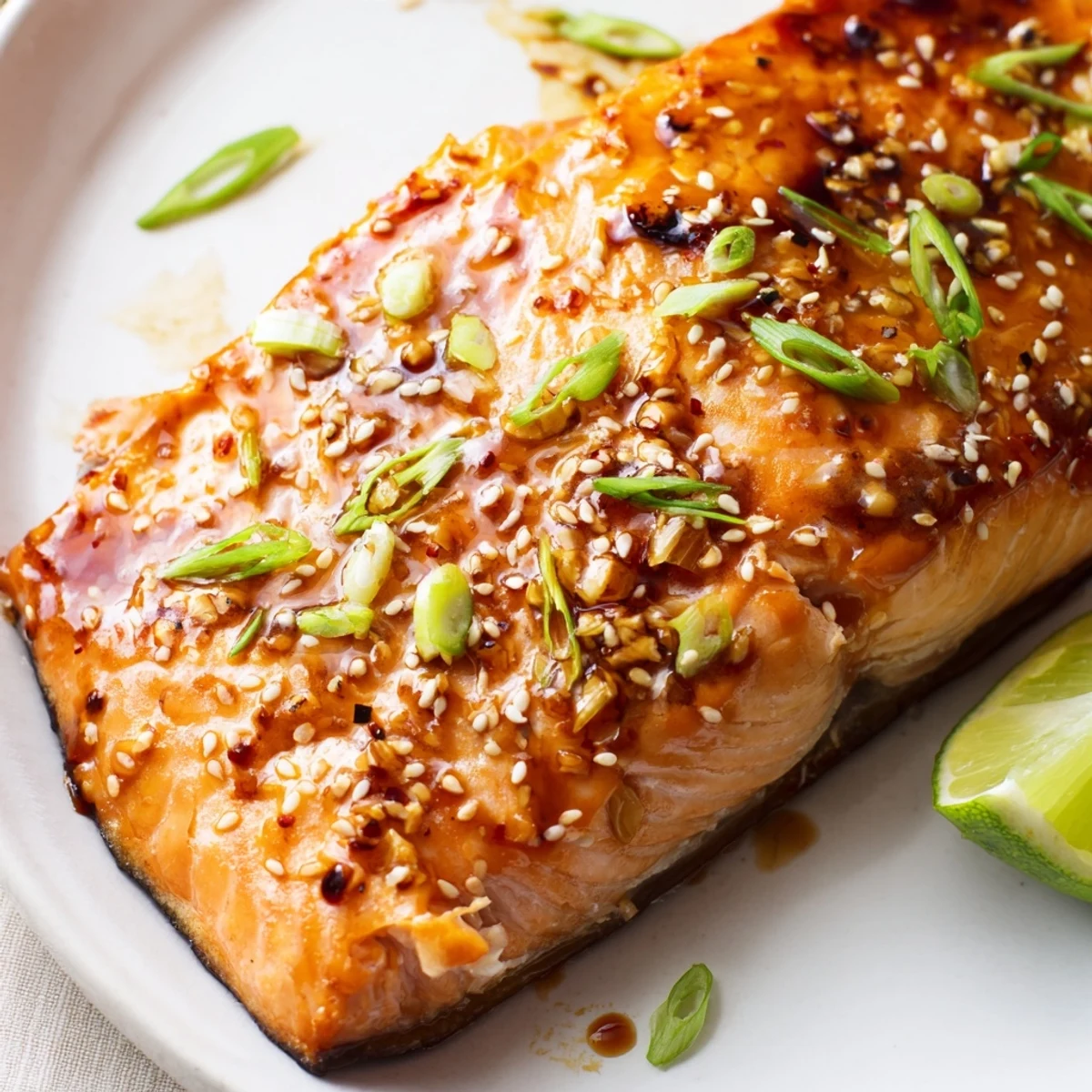
 This baked Asian salmon brings together a rich glaze of soy sauce, honey, sesame oil, garlic, and fresh ginger that caramelizes beautifully in the oven. The salmon fillets bake skin-side down at 200°C for 15–18 minutes until perfectly flaky and tender.
With just 10 minutes of prep, this dish is ideal for busy weeknights when you want something vibrant and satisfying. Serve it alongside steamed jasmine rice or sautéed bok choy for a complete meal.
It's naturally gluten-free when using tamari, dairy-free, and low carb—fitting a variety of dietary needs without sacrificing flavor.
The smell of toasted sesame oil hitting a hot pan is one of those things that instantly pulls me into a better mood, and this salmon recipe lives or dies by that scent. I started making it on evenings when cooking felt like a chore but eating well still mattered. The glaze practically builds itself in under five minutes, and the oven does everything else. It is the kind of dish that makes you look like you tried harder than you actually did.
My neighbor Karen knocked on my door one Tuesday evening asking if I had any honey, and I handed her a plate of this salmon instead because I had just pulled it from the oven. She stood in my doorway eating it with a fork and told me it was better than the place downtown that charges twenty eight dollars a fillet. We now have an unspoken agreement that I make it every other week and she brings the wine.
Ingredients
- Salmon fillets (4, about 150 g each, skin on): Skin on matters here because it acts as a protective barrier between the fish and the hot tray, keeping the flesh juicy while the top gets beautifully glazed.
- Low sodium soy sauce (3 tbsp, or tamari for gluten free): Tamari gives you the same deep umami hit without the wheat, and honestly I now prefer the slightly richer flavor.
- Honey or maple syrup (2 tbsp): This is what helps the glaze caramelize and turn that gorgeous amber color, and maple syrup works beautifully if you want a vegan version.
- Rice vinegar (1 tbsp): A small splash of acidity that cuts through the richness and balances the sweetness perfectly.
- Toasted sesame oil (1 tbsp): This is the backbone of the entire flavor profile, so do not skip it or substitute with regular sesame oil.
- Garlic, finely minced (2 cloves): Fresh garlic makes a noticeable difference here since it mellow and sweet in the oven.
- Fresh ginger, grated (1 tbsp): Grate it directly over the bowl so you catch all the juice, because that liquid is where the real heat lives.
- Toasted sesame seeds (1 tbsp): They add a nutty crunch that makes each bite feel finished and intentional.
- Scallions, thinly sliced (2): Scatter these on at the very end for a fresh bite of green that brightens everything.
- Lime wedges for serving: A squeeze of lime over the top right before eating lifts the whole dish in a way nothing else can.
Instructions
- Preheat and prepare:
- Set your oven to 200 degrees Celsius or 400 degrees Fahrenheit and line a baking tray with parchment paper so cleanup is painless later.
- Build the glaze:
- Whisk together the soy sauce, honey, rice vinegar, sesame oil, garlic, and ginger in a medium bowl until the honey dissolves and everything smells incredible.
- Coat the fish:
- Lay the salmon fillets skin side down on the tray and spoon the marinade over them generously, letting it pool around the edges of each piece.
- Let it rest:
- Give the salmon ten minutes at room temperature to absorb the glaze, which is just enough time to tidy up and set the table.
- Bake until perfect:
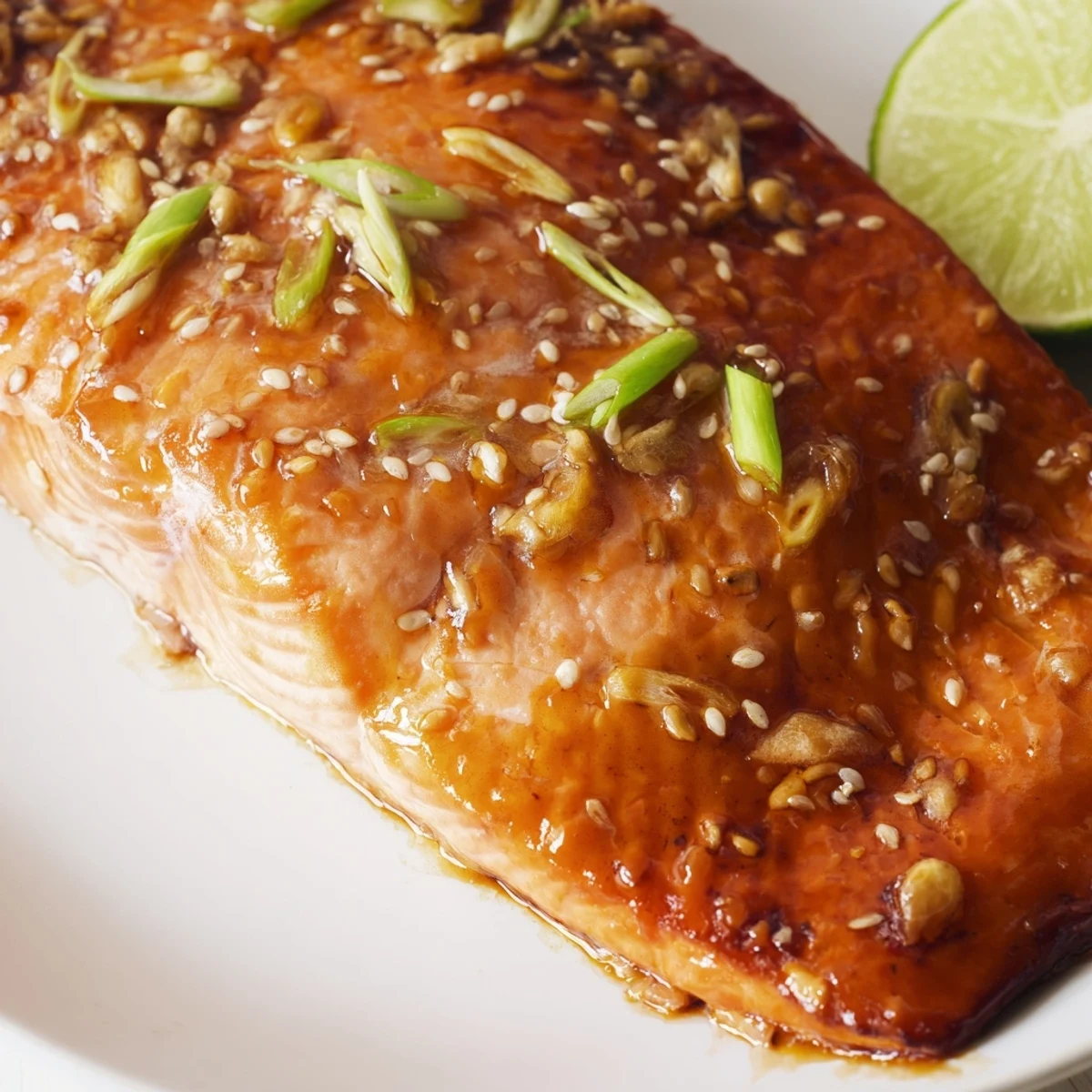
- Slide the tray into the oven for fifteen to eighteen minutes, watching for the edges to caramelize and the fish to flake easily when you press it gently with a fork.
- Finish and serve:
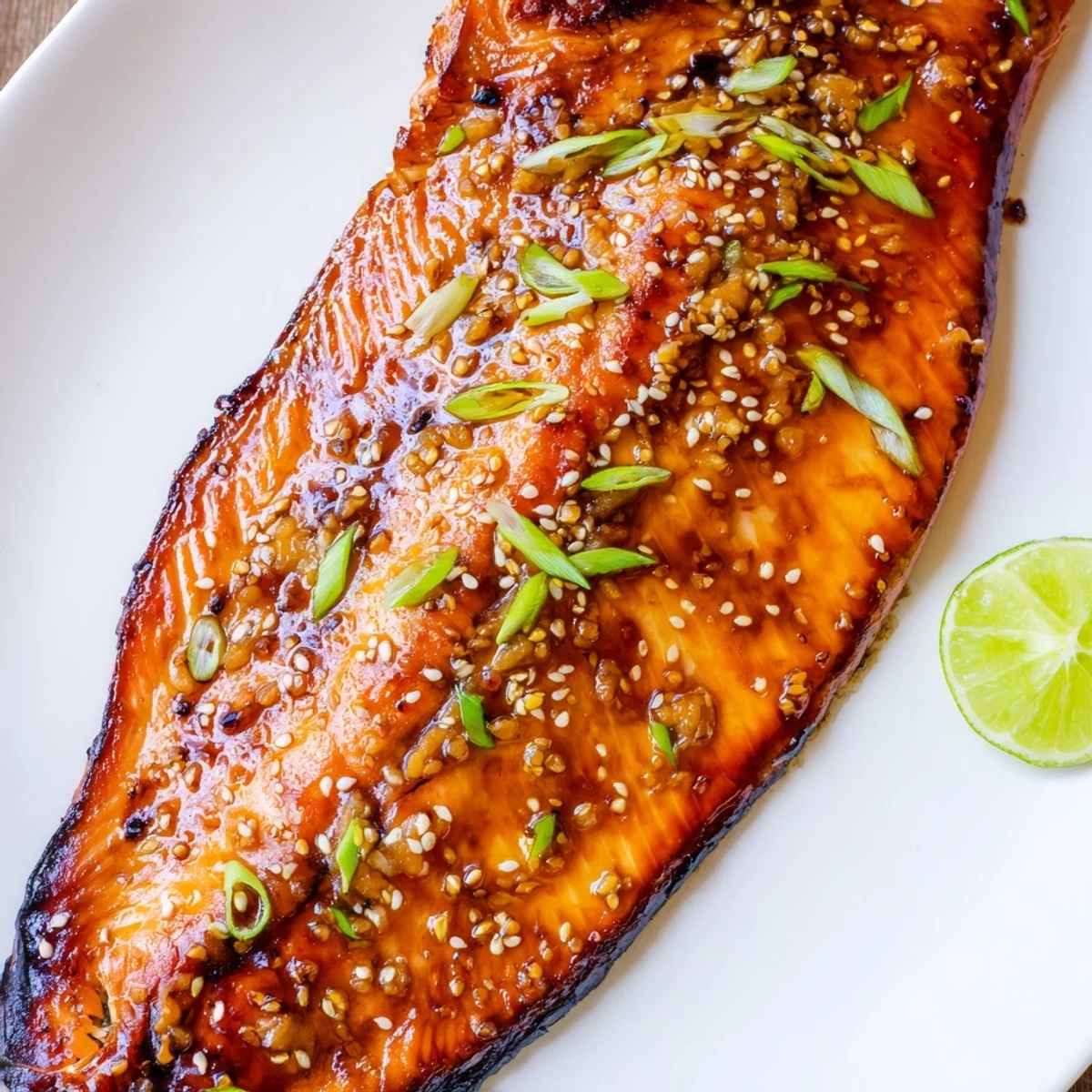
- Transfer each fillet to a plate, shower with sesame seeds and scallions, and serve with lime wedges alongside steamed rice or bok choy.
 Save to Pinterest
 The first time I served this to my family my youngest who normally picks at fish asked for seconds, and that moment sealed this recipe into our permanent rotation. Food does not need to be complicated to be memorable.
What to Serve Alongside
Steamed jasmine rice is the obvious choice because it soaks up the extra glaze from the tray like a sponge and nothing goes to waste. Sautéed bok choy with a splash of soy sauce and a pinch of sugar takes about four minutes in a hot pan and rounds out the plate with something green and crisp.
Making It Your Own
A pinch of chili flakes stirred into the glaze gives the whole dish a gentle warmth that does not overpower the sesame and ginger. I sometimes add a teaspoon of fish sauce to the marinade when I want a deeper, funkier umami character, and it works beautifully without changing the overall balance.
Storage and Reheating
Leftovers keep well in an airtight container in the fridge for up to two days and make an excellent cold protein on top of a grain bowl the next day. Reheat gently in a low oven around 150 degrees Celsius so the fish does not dry out and the glaze stays soft rather than turning hard and chewy.
- Do not microwave the salmon at full power or you will toughen the flesh and lose the delicate texture.
- If the glaze has set too firmly in the fridge a quick splash of warm water over the top before reheating helps loosen it.
- Always store the garnishes separately and add them fresh right before eating.
 Save to Pinterest
 This is the recipe I reach for when I want dinner to feel intentional without actually spending my whole evening in the kitchen. Let the oven do the work and enjoy the smell that fills your home.
Recipe FAQs
- → What temperature should I bake Asian salmon at?
-
Bake the salmon at 200°C (400°F) for 15–18 minutes. The fish is done when it flakes easily with a fork and the glaze has lightly caramelized on top.
- → Can I marinate the salmon longer than 10 minutes?
-
Yes, you can marinate the salmon for up to 30 minutes at room temperature or up to 2 hours in the refrigerator for deeper flavor penetration. Avoid marinating beyond 2 hours as the soy sauce and vinegar can start to break down the fish texture.
- → How do I make this salmon gluten-free?
-
Simply substitute the regular soy sauce with tamari, which is a gluten-free alternative made without wheat. All other ingredients in this dish are naturally gluten-free.
- → What sides go well with baked Asian salmon?
-
Steamed jasmine rice and sautéed bok choy are classic pairings. You can also serve it with stir-fried vegetables, cauliflower rice for a low-carb option, or a simple cucumber salad with sesame dressing.
- → Can I use frozen salmon fillets?
-
Yes, but thaw them completely in the refrigerator overnight before using. Pat the fillets dry with paper towels before adding the marinade to ensure the glaze adheres properly and caramelizes evenly during baking.
- → How do I know when the salmon is fully cooked?
-
The salmon is ready when it flakes easily when pressed gently with a fork. The internal temperature should reach 63°C (145°F). The flesh should be opaque throughout with a slightly translucent center that finishes cooking from residual heat.