
 Save to Pinterest
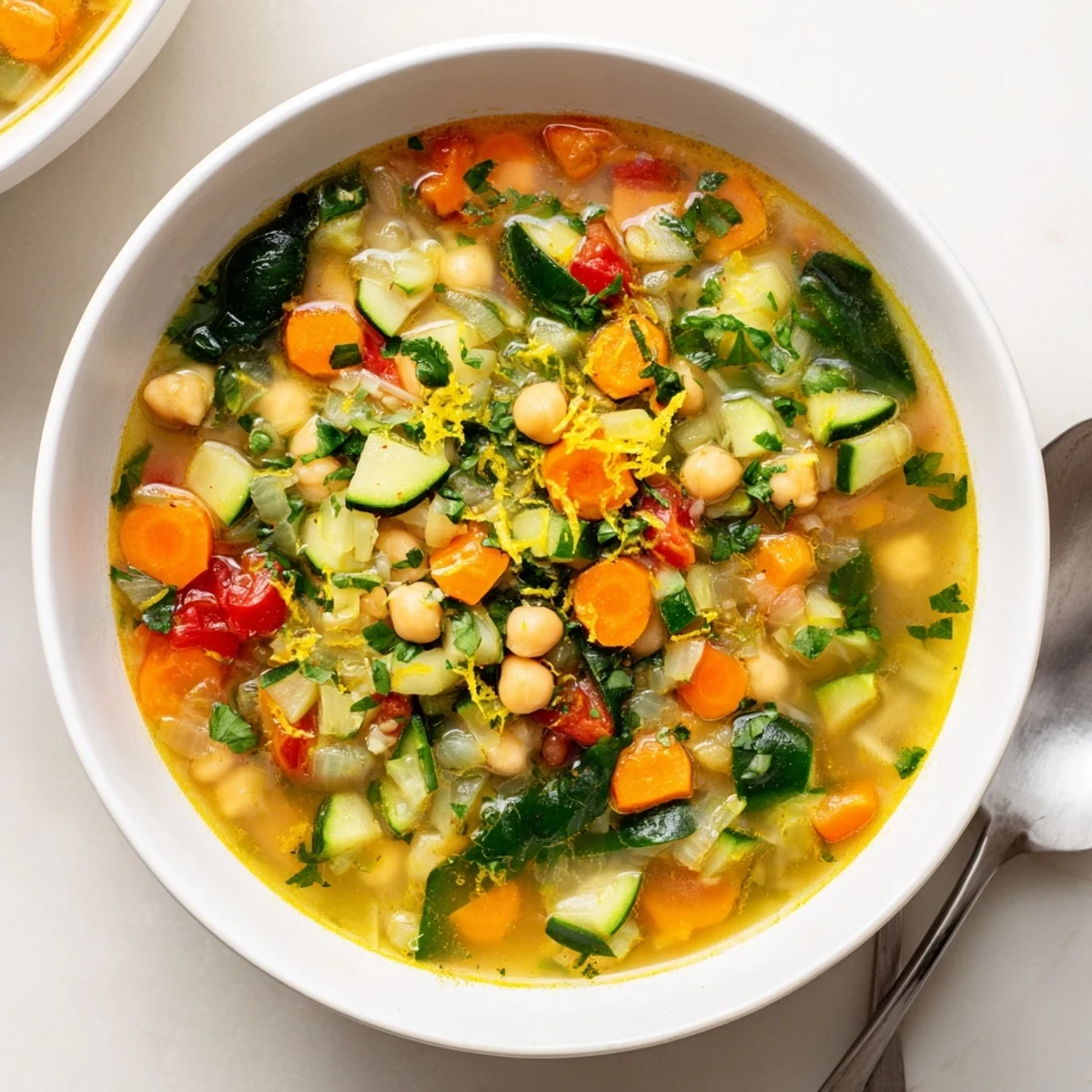
 This vegan Italian penicillin soup draws inspiration from the classic Jewish penicillin tradition, replacing chicken with hearty chickpeas and loading up on nutrient-dense vegetables like carrots, celery, zucchini, and tomatoes.
Infused with oregano, thyme, and rosemary, then finished with bright lemon zest and juice, every spoonful delivers comforting Italian flavors while naturally supporting your immune system.
Ready in just 55 minutes with minimal prep, it's the perfect bowl to reach for when you need warmth, nourishment, and a little kitchen therapy.
The radiator in my apartment was clanking like it wanted to quit, and I had been fighting off a cold for three days when I dumped a handful of dried herbs into a pot of vegetables and called it medicine. This soup was born out of pure stubbornness. I wanted the cure of classic chicken soup without touching a single animal product, and I wanted it to taste like something my Italian neighbor Nona Rosa would approve of. The lemon zest was a happy accident that changed everything.
My friend Marco showed up at my door with a runny nose and zero expectations last February. I handed him a bowl of this and he sat on my kitchen floor eating it in silence for ten minutes straight. He now texts me every time he feels a tickle in his throat.
Ingredients
- Extra virgin olive oil: Two tablespoons is enough to carry the flavor without making the soup greasy, and good quality oil matters here since it is the only fat in the pot.
- Yellow onion: One medium, finely diced, forms the sweet backbone of every good soup and this one is no exception.
- Celery: Two stalks, diced, because celery is the quiet hero that makes broth taste like it simmered for hours.
- Carrots: Three medium, sliced into rounds, bring color and natural sweetness that balance the herbs.
- Garlic: Four cloves, minced, and yes that sounds like a lot but you are making penicillin after all.
- Fennel bulb: One medium, diced, and this is optional but it adds a faint anise note that makes people ask what your secret is.
- Zucchini: One medium, diced, melts into the broth and adds body without any cream.
- Fresh tomatoes: Two cups chopped, or one can of diced tomatoes drained if you are cooking in February like a normal person.
- Baby spinach or kale: One cup stirred in at the end for a hit of green that makes you feel virtuous.
- Vegetable broth: Six cups of low sodium so you can control the salt yourself.
- Chickpeas: One fifteen ounce can, drained and rinsed, gives you protein and a satisfying bite.
- Sea salt and black pepper: One teaspoon salt and half teaspoon pepper to start, then adjust at the end.
- Dried oregano, thyme, and rosemary: One teaspoon each of oregano and thyme, half teaspoon of rosemary, and these three together are your Italian flavor trinity.
- Crushed red pepper flakes: Half teaspoon optional, but the gentle heat helps clear sinuses which is kind of the whole point.
- Bay leaf: One leaf, and remember to fish it out before serving or someone will think you are trying to poison them with a tree.
- Fresh parsley: Two tablespoons chopped for a bright herbal finish.
- Lemon: Zest of one whole lemon and juice of half, added off the heat so the flavor stays vibrant.
- Nutritional yeast: Two tablespoons optional, but it adds a savory depth that makes the broth taste almost chickeny.
Instructions
- Wake up the aromatics:
- Heat the olive oil in a large soup pot over medium heat and add the onion, celery, carrots, and fennel. Sauté for five to seven minutes until everything softens and your kitchen smells like an Italian kitchen should.
- Invite the garlic and zucchini:
- Stir in the garlic and cook for one minute until fragrant, then add the zucchini and sauté for two more minutes. You want the zucchini to just start sweating, not turn to mush.
- Tomato time:
- Add the chopped tomatoes and cook for two to three minutes until they soften and start breaking down into the vegetables. This short cook time keeps them tasting fresh.
- Build the broth:
- Pour in the vegetable broth and add the chickpeas, salt, pepper, oregano, thyme, rosemary, red pepper flakes, and bay leaf. Bring everything to a boil, then immediately reduce the heat.
- Let it simmer:
- Lower the heat and let the soup simmer gently for twenty minutes, stirring occasionally. This is when all those dried herbs wake up and start doing their real work.
- Add the greens:
- Stir in the spinach or kale during the last three to four minutes of cooking. You want them wilted and bright green, not sad and army colored.
- Finish with brightness:
- Remove the pot from the heat, discard the bay leaf, and stir in the parsley, lemon zest, lemon juice, and nutritional yeast. Taste and adjust the salt and pepper before serving in big warm bowls.
 Save to Pinterest
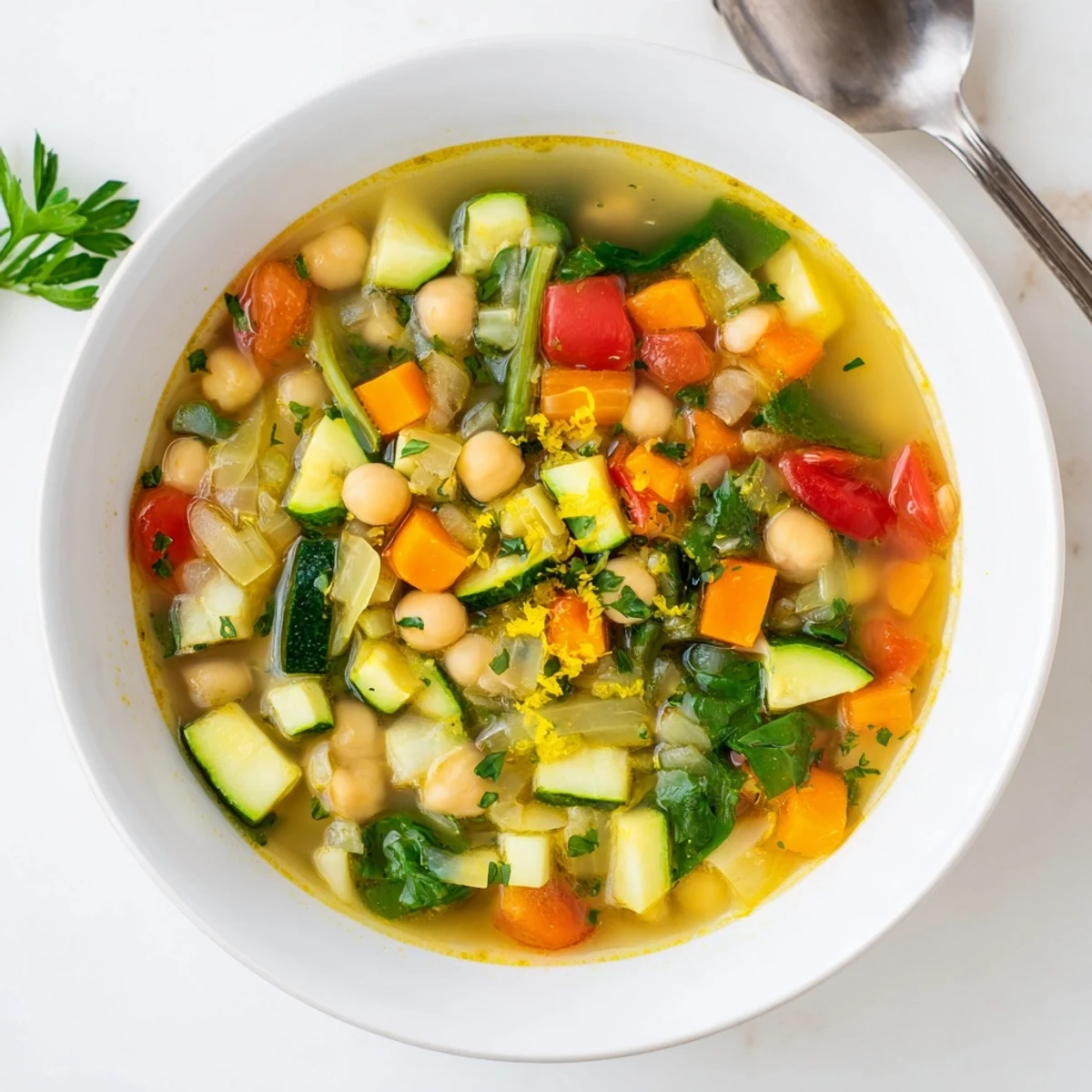
 I once packed a thermos of this soup for a hike in October and drank it sitting on a rock overlooking a lake. It tasted like someone had wrapped a wool blanket around my insides.
When Your Body Is Asking for This
This soup hits different when you are genuinely run down, and I learned that the hard way after a week of conference food and hotel air. The garlic and herbs do real immune supporting work, but the comfort factor is what actually heals you. I keep a container of it in my freezer at all times now, right next to the ice cream, because priorities.
Swaps That Actually Work
White beans or lentils can replace the chickpeas if that is what you have, and green beans or peas work in place of the zucchini. I have made this with every combination of sad fridge vegetables and it has never once disappointed me. The only thing I would not skip is the lemon at the end, because that is the spark that makes the whole pot sing.
What to Serve Alongside
Crusty bread is the obvious answer and I will not pretend otherwise, but a drizzle of your best olive oil over the top elevates this from Tuesday dinner to something you would pay for. Vegan parmesan sprinkled on top adds a salty crunch that makes each spoonful more interesting.
- Toast thick slices of sourdough and rub them with a raw garlic clove for the easiest side ever.
- A simple green salad with lemon vinaigrette keeps the meal feeling light and complete.
- Always taste the soup one more time right before serving, because salt needs adjust.
 Save to Pinterest
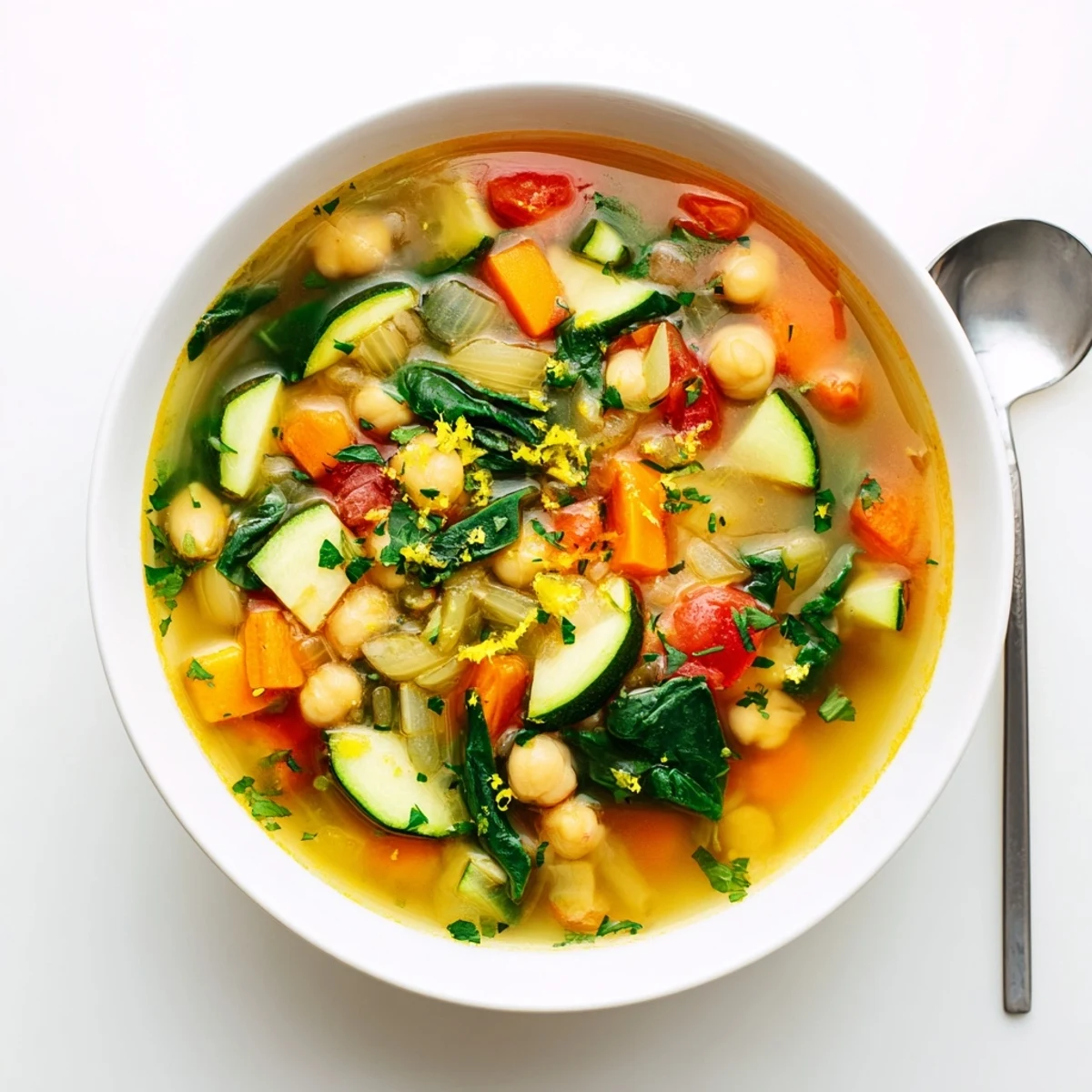
 Some recipes you make because you have to, and some you make because they take care of you back. This one does both, and it asks for almost nothing in return.
Recipe FAQs
- → Can I freeze this Italian penicillin soup?
-
Yes, this soup freezes beautifully for up to 3 months. Let it cool completely before transferring to airtight containers, leaving some room for expansion. Thaw overnight in the refrigerator and reheat gently on the stovetop.
- → What can I substitute for chickpeas?
-
White beans like cannellini or Great Northern beans work wonderfully as a direct swap. You could also use cooked lentils or even small pasta like ditalini for a heartier texture, though cooking times may vary slightly.
- → Is fennel necessary for this soup?
-
Fennel is optional and adds a subtle sweet anise flavor that complements the Italian herb profile. If you don't have it or dislike the taste, simply omit it or replace it with a half cup of diced bell pepper for added sweetness and color.
- → How do I store and reheat leftovers?
-
Store leftovers in an airtight container in the refrigerator for up to 4 days. The flavors actually deepen and improve overnight. Reheat gently on the stovetop over medium-low heat or in the microwave in 60-second intervals until warmed through.
- → Can I make this in a slow cooker?
-
Absolutely. Sauté the onion, celery, carrots, and garlic first for best flavor, then transfer everything except the spinach and lemon finishing touches to your slow cooker. Cook on low for 4-6 hours, adding greens during the last 20 minutes.
- → Why is it called Italian penicillin soup?
-
The name is a playful nod to traditional Jewish chicken soup, often called Jewish penicillin for its comforting and healing reputation. This version channels those same soothing qualities through an Italian lens, using Mediterranean vegetables, herbs, and plant-based ingredients.