
 Save to Pinterest
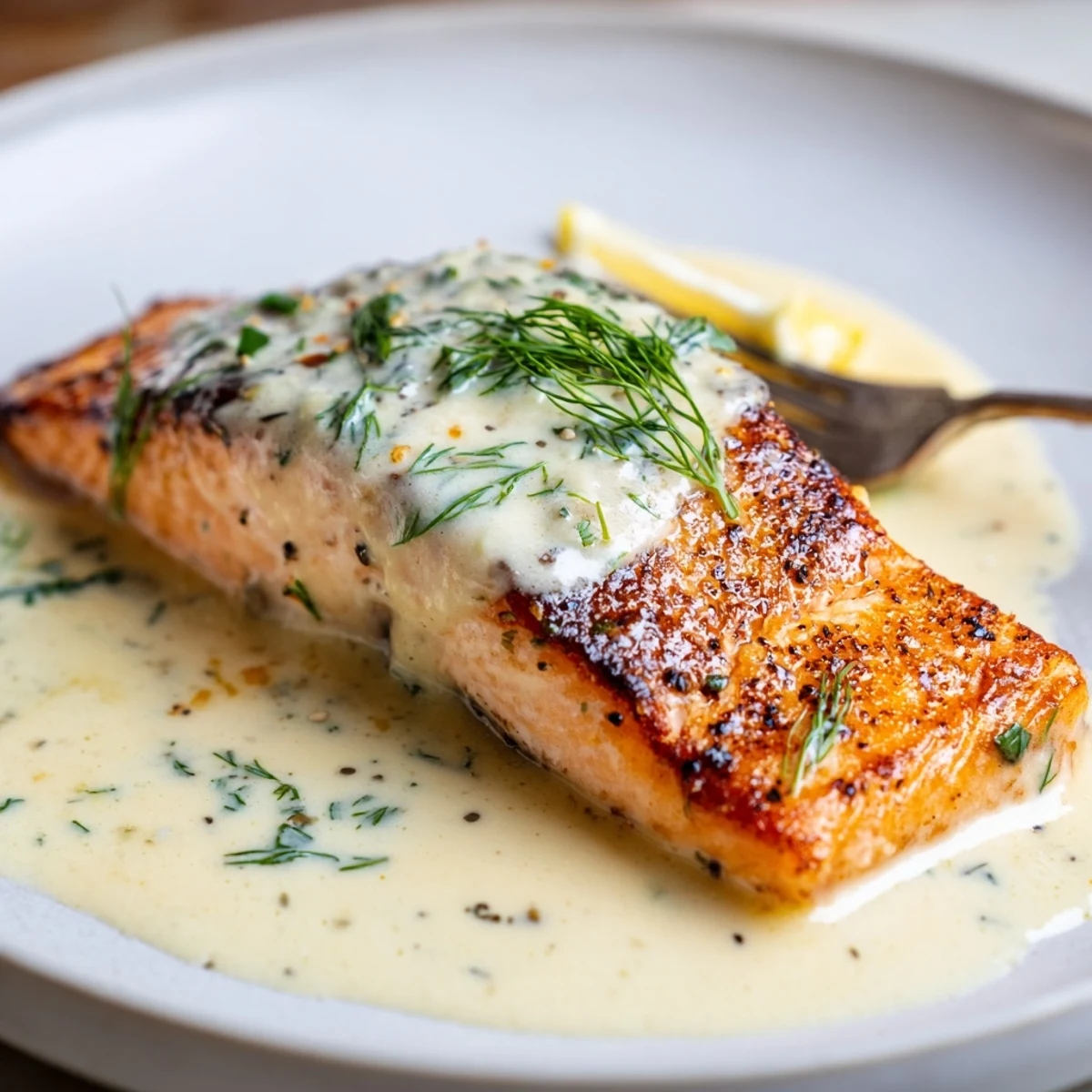
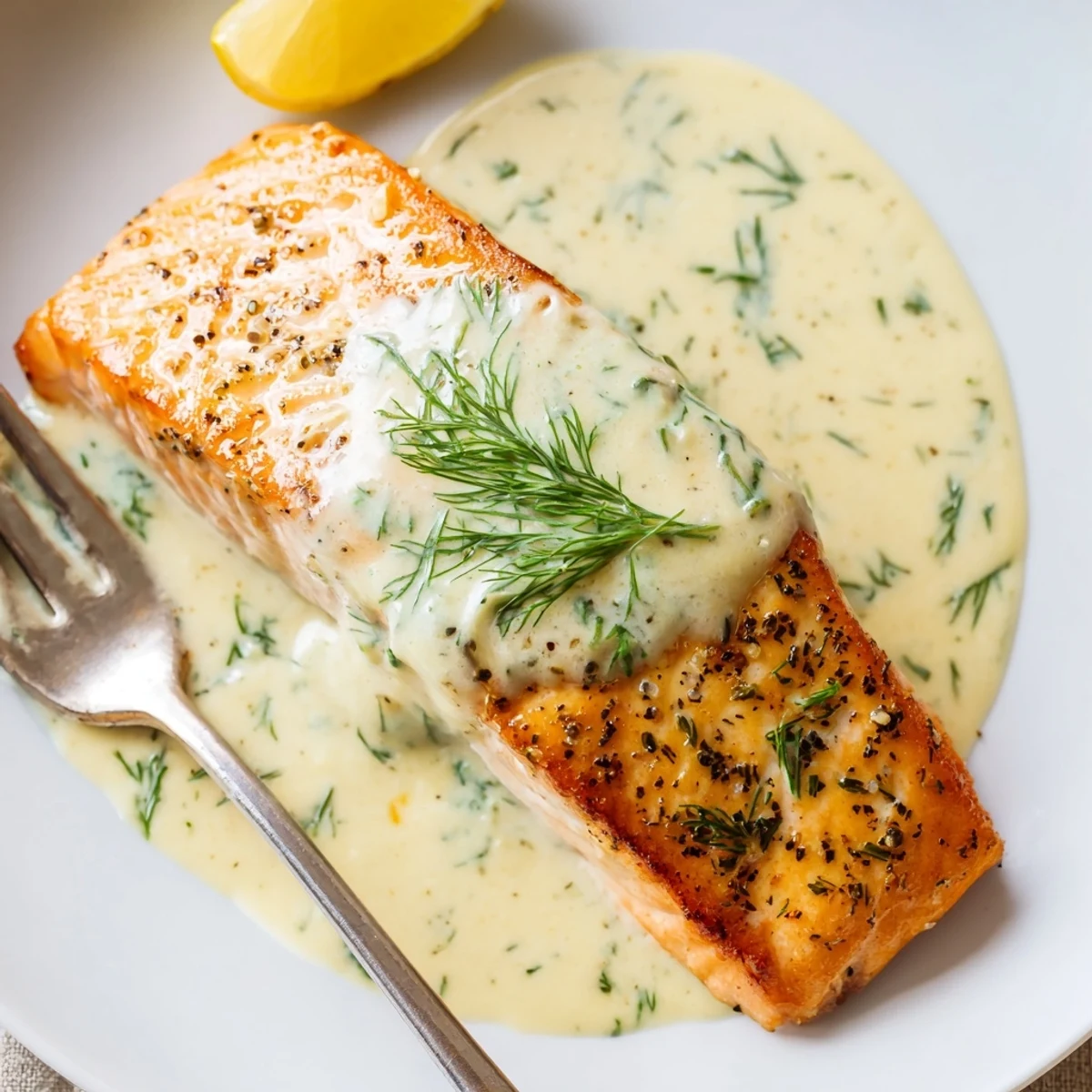
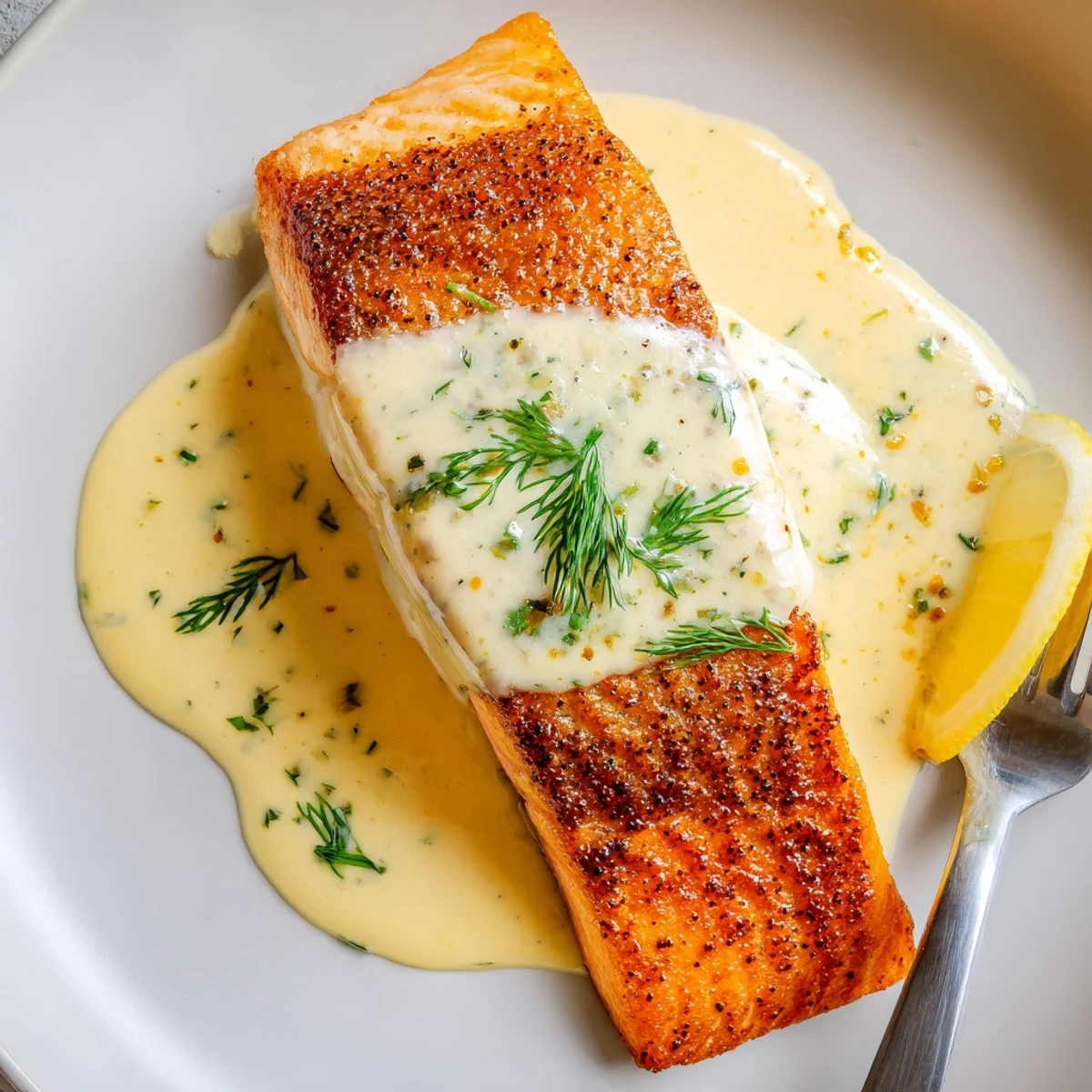
 Pan-seared salmon fillets are seasoned, cooked until golden, then briefly rested while a quick lemon cream sauce is made in the same pan. Butter and garlic are softened, deglazed with white wine or stock, then enriched with heavy cream, lemon juice and zest. Fresh dill brightens the sauce; return the salmon to coat and warm through. Serve with steamed vegetables, potatoes or rice for a balanced, elegant meal.
The pan was sizzling before I even realized dinner had turned into something worth remembering. I had four salmon fillets, a lemon rolling on the counter, and about thirty minutes before guests arrived, which is exactly the kind of pressure that makes you cook either terribly or brilliantly. That night, the cream sauce came together so fast and so beautifully that even I stood there a little surprised, spooning it over the fish and wondering why I had ever bothered with anything more complicated.
My friend Laura leaned over the table after her first bite and asked if I had been taking cooking classes, which might be the greatest compliment a home cook can receive. The truth was I had simply let the butter brown a little, scraped up every golden bit stuck to the pan, and squeezed in more lemon than the recipe probably intended. That sauce, pooled around the pink fish with bits of dill floating on top, was the kind of thing that makes everyone go quiet for a moment.
Ingredients
- 4 skinless salmon fillets, 6 oz each: Try to buy fillets of similar thickness so they cook evenly without any guesswork.
- Salt and black pepper: Season generously on both sides because the fish needs that initial punch of flavor.
- Olive oil: A tablespoon is enough to get a good sear without making the fish greasy.
- Unsalted butter: This is the foundation of the sauce, so use real butter and let it foam slightly before adding garlic.
- Garlic, finely minced: Two cloves give a gentle warmth without overpowering the lemon.
- Dry white wine: Sauvignon Blanc works beautifully, but fish stock will do if you prefer to skip the wine.
- Heavy cream: This is what makes the sauce silky and luxurious, so do not substitute lightly here.
- Fresh lemon juice and zest: The zest carries floral brightness while the juice adds sharp tang, and together they are the soul of this dish.
- Fresh dill or parsley: Dill is the classic pairing with salmon and adds a grassy sweetness that dried herbs simply cannot match.
Instructions
- Season the salmon:
- Pat the fillets thoroughly dry with paper towels and season both sides with salt and pepper, pressing gently so the seasoning adheres to the flesh.
- Sear the fillets:
- Heat olive oil in a large nonstick skillet over medium high heat until it shimmers, then lay the salmon flesh side down and cook for three to four minutes per side until a golden crust forms and the fish is just cooked through. Transfer to a plate and cover loosely with foil to keep warm.
- Start the sauce base:
- Reduce the heat to medium, melt the butter in the same pan, and sauté the minced garlic for about one minute until fragrant and just starting to color.
- Build the sauce:
- Pour in the white wine and let it simmer for two to three minutes, scraping up every delicious brown bit from the bottom of the pan because that is where all the flavor lives.
- Add the cream and lemon:
- Stir in the heavy cream, lemon juice, and lemon zest, then let the sauce simmer gently for three to four minutes until it thickens enough to coat the back of a spoon.
- Finish with herbs:
- Stir in the chopped dill, season with salt and pepper to taste, and give the sauce one final stir.
- Bring it all together:
- Return the salmon to the pan, spoon the sauce over each fillet, and let everything warm through for one to two minutes before serving immediately with extra herbs and lemon wedges.
 Save to Pinterest
 There is something about a dish that looks this elegant but costs so little effort that makes you want to keep it close, like a secret you only share with people who really appreciate a good meal. I have made this on Tuesday nights in sweatpants and on Saturday evenings with cloth napkins, and it never once felt out of place.
Choosing the Right Salmon
Wild caught salmon has a leaner texture and more pronounced flavor, while farm raised tends to be fattier and milder, and both work beautifully here. What matters most is freshness, so look for fillets that smell clean and feel firm to the touch. If the edges look dry or browned, ask your fish counter for a different cut because the sauce can only do so much.
What to Serve Alongside
Steamed green beans or roasted asparagus are my go to vegetables because their slight crunch balances the richness of the cream sauce. Roasted potatoes with rosemary or a bed of buttery rice also soak up the extra sauce in the most satisfying way. A glass of the same white wine you used in the sauce ties everything together without any extra thought.
Making It Your Own
This recipe is forgiving enough to adapt once you understand the basic technique of searing fish and building a pan sauce. After a few tries, you will start adjusting the lemon and cream to your own taste without even thinking about it.
- A teaspoon of Dijon mustard swirled into the sauce adds a subtle tang that pairs surprisingly well with the lemon.
- Half and half or creme fraiche can stand in for heavy cream if you want something a little lighter.
- Always taste the sauce before serving and adjust the salt because the seasoning of the fish will affect the final balance.
 Save to Pinterest
 This is the kind of recipe that stays with you, simple enough for any night and impressive enough for every occasion. Keep a lemon and some cream on hand, and dinner is never more than thirty minutes away from something wonderful.
Recipe FAQs
- → How do I avoid overcooking the salmon?
-
Pat fillets dry and use medium-high heat to get a golden sear 3–4 minutes per side for 6‑oz portions. Carryover heat will continue to cook briefly once removed; aim for just cooked through to keep the fish tender.
- → Can I skip the wine in the sauce?
-
Yes—substitute an equal amount of fish or vegetable stock. The deglazing step still lifts browned bits and concentrates flavor; reduce slightly to concentrate before adding cream.
- → What are good herb and garnish options?
-
Fresh dill pairs classically, but flat-leaf parsley or chives work well. Finish with extra chopped herbs and lemon wedges to brighten the sauce and cut richness.
- → How can I lighten the sauce?
-
Use half-and-half or crème fraîche instead of heavy cream and reduce the butter slightly. A splash of lemon juice at the end also brightens the sauce without adding fat.
- → Best sides and wine pairings?
-
Serve with steamed greens, roasted potatoes or rice. A crisp Sauvignon Blanc or Pinot Grigio complements the lemon and cream without overpowering the salmon.
- → How should leftovers be stored and reheated?
-
Cool to room temperature, refrigerate in an airtight container up to 2 days. Reheat gently in a skillet over low heat, spooning sauce over the fillets to prevent drying.