
 Save to Pinterest
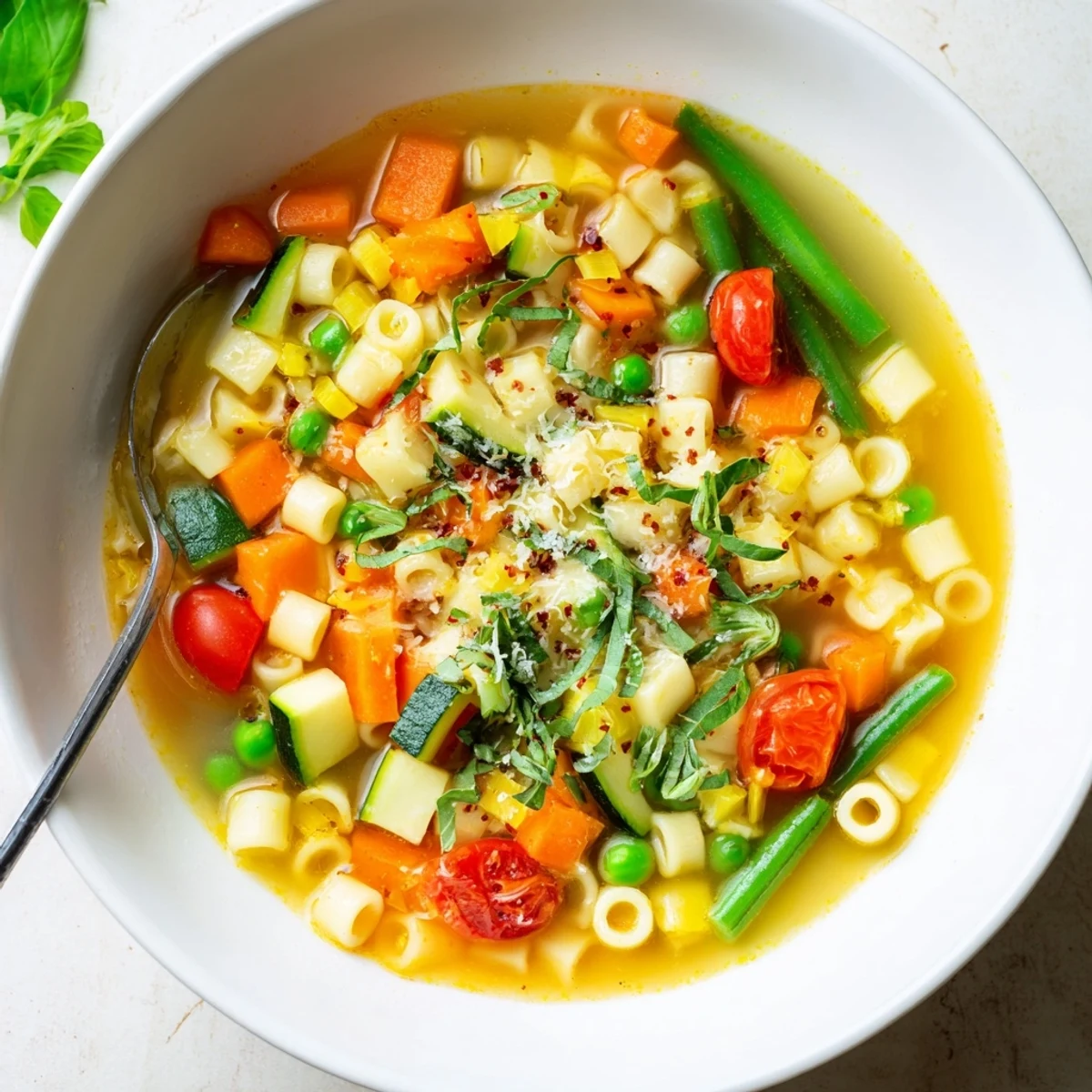
 This spring minestrone combines sautéed onion and garlic with diced carrots, celery, zucchini, green beans, peas and cherry tomatoes simmered in a savory vegetable broth with small pasta until al dente. Finish with baby spinach, fresh basil and parsley, a drizzle of extra-virgin olive oil and freshly grated Parmesan. Add cannellini beans or seasonal asparagus for more heft; serve with crusty bread.
Twisting open the windows to let in the gentle spring air always puts me in the mood to cook something bright, and this minestrone has become my unofficial welcome to the season. The sound of chopping crisp celery and carrots echoes through my small kitchen as birds chatter outside. It’s a medley of fresh, green things—like painting with vegetables. There’s something quietly exciting about letting the changing produce inspire the soup, knowing each batch will taste slightly different.
One rainy Saturday, friends dropped by unexpectedly, and I threw together this soup with whatever I had on hand—lots of laughter and music filled the kitchen while it simmered. By the time the broth had gone golden and the herbs perfumed the air, we were pulling up extra chairs, and the soup disappeared down to the last ladle.
Ingredients
- Olive oil: A fruity oil adds depth to sautéed aromatics—use a fresh bottle if you can.
- Yellow onion: Chopped finely, it forms the backbone of the flavor and softens sweetly as it cooks.
- Garlic: Mincing it releases maximum aroma—watch that it doesn’t brown to avoid bitterness.
- Carrots: Diced small, they add gentle sweetness and stunning color.
- Celery: Provides a subtle savory taste—trim any stringy bits for tenderness.
- Zucchini: Absorbs broth beautifully; no need to peel, just give it a good wash.
- Fresh or frozen peas: Sprinkle in right before the end so they stay bright and sweet.
- Green beans: Snapped to bite-sized pieces—they lend satisfying crunch and color.
- Baby spinach: Tossed in at the last minute until just wilted—it keeps its vibrancy.
- Cherry tomatoes: Halved, they burst with juiciness as they simmer and sweeten the pot.
- Vegetable broth: Go for low-sodium if adding your own salt, or homemade for a richer base.
- Small pasta (ditalini or orzo): Tiny shapes create the best texture for every spoonful—undercook slightly to avoid mushiness.
- Salt, black pepper, red pepper flakes: Adjust to taste—red pepper flakes add a subtle kick if you’re in the mood.
- Fresh basil, parsley, dill: Add your favorite combination for brightness—dill offers a unique twist but is optional.
- Parmesan cheese: Freshly grated gives a salty, nutty finish—skip for vegan, or sub with your favorite cheese alternative.
- Extra virgin olive oil (for drizzling): Finishes the dish with a glossy sheen and grassy flavor—drizzle just before serving.
Instructions
- Start the aromatics:
- Pour the olive oil into your soup pot and let the onion and garlic sizzle until their scents fill the kitchen and everything turns pale and soft.
- Soften the veggies:
- Tip in carrots and celery, stirring until they release their mellow sweetness and grow glossy around the edges—patience for a few minutes here pays off.
- Pile in more color:
- Add zucchini, green beans, and cherry tomatoes, letting their juices begin to mingle as you stir and listen for that delightful sizzle.
- Broth and simmer:
- Pour in the broth and increase the heat until it gently starts to bubble; pause a moment for the aroma to bloom.
- Pasta and peas dance:
- Drop in your chosen pasta along with peas, and let everything simmer until pasta is just-al-dente and the veggies are happily tender.
- Final green flourish:
- Stir in spinach and all the herbs, seasoning as you go—watch the spinach melt into the soup, tasting and adjusting salt, pepper, and chili flakes.
- Serve and savor:
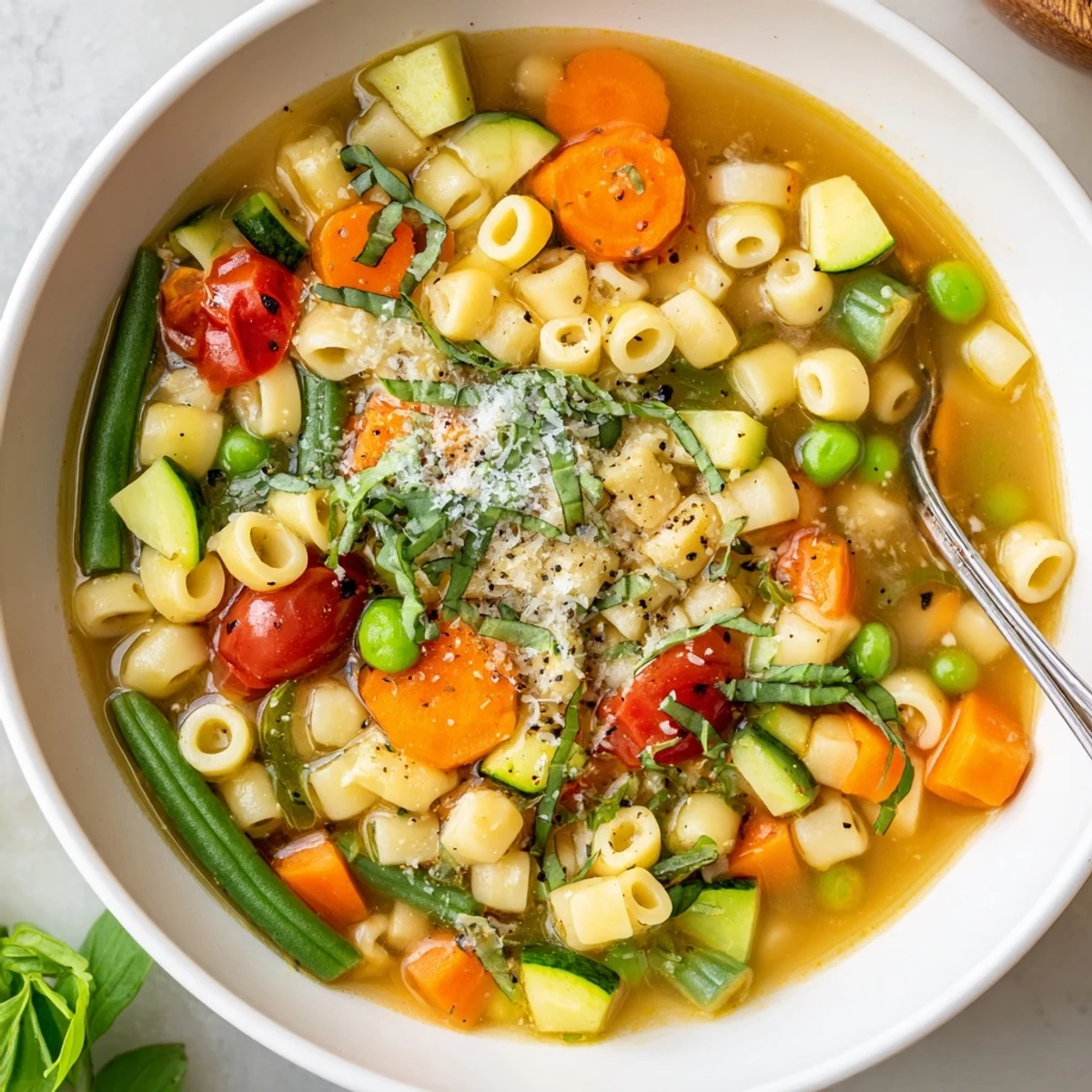
- Ladle steaming soup into bowls, shower with Parmesan if you like, and finish with a swirl of extra virgin olive oil and maybe a handful of extra fresh herbs.
 Save to Pinterest
 There was something unforgettable about that first evening my partner came home after a long work trip—just the two of us standing over the pot, taste-testing, and deciding together it needed a pinch more dill. The soup felt like a small celebration—both comforting and fresh, with every sip all at once familiar and new.
What Makes Spring Minestrone So Special
I’ve learned that cooking the soup when the veggies are at their peak brings a brightness that dried or winter-stored produce just can’t match. Each time, it feels like a snapshot of the season in a bowl, whether asparagus sneaks in or tender fava beans get tossed into the mix.
Simple Hacks For Everyday Cooks
Don’t worry if you’re short on one vegetable or another—this soup embraces substitutions. Sometimes I stir in a can of cannellini beans for extra protein, and on lazier nights I use frozen mixed vegetables with excellent results and very little fuss.
Pairing Ideas and Final Touches
On breezy nights, nothing beats this soup with a wedge of crusty sourdough and a chilled glass of Pinot Grigio. Quick croutons in the air fryer or a generous pinch of lemon zest can brighten things even more.
- Taste as you go and trust your tongue.
- Keep a watchful eye on the pasta so it stays pleasantly firm.
- Always finish with a fresh sprinkle of herbs for a big flavor lift.
 Save to Pinterest
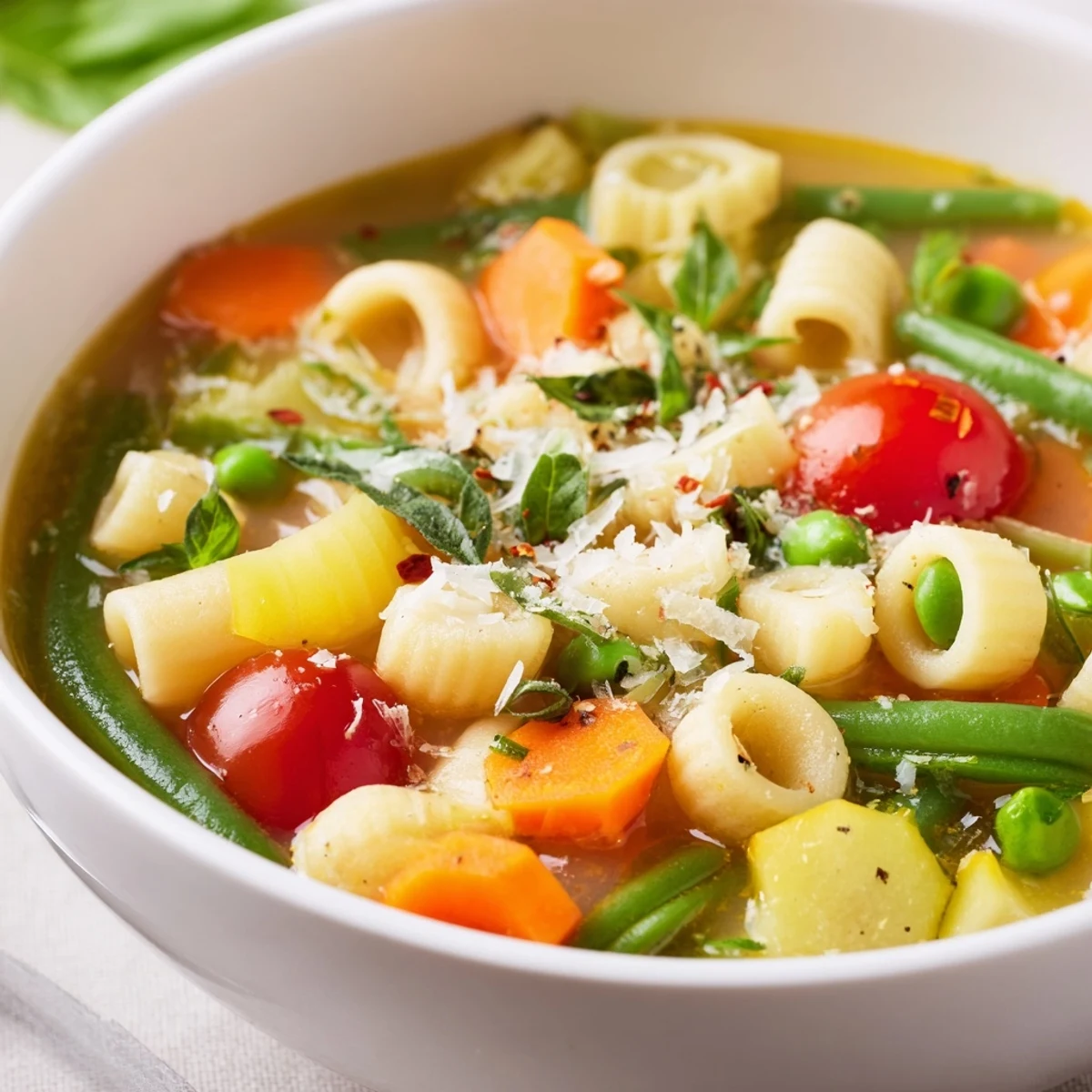
 May this bowl of spring minestrone fill your kitchen with bright flavors and happy energy, as it has in mine. Here’s to letting each spoonful mark the start of something fresh and hopeful, every time you make it.
Recipe FAQs
- → Can I make this in advance?
-
Yes. Cook through to just before adding spinach and herbs, cool, then refrigerate for up to 3 days. Reheat gently and stir in spinach and herbs at the end to keep them bright; if pasta absorbs too much liquid, loosen with a splash of broth.
- → Which pasta works best?
-
Use small shapes like ditalini or orzo so they blend with the vegetables and retain a pleasant bite. If planning leftovers, cook pasta separately and add to bowls when serving to avoid sogginess.
- → How can I keep the vegetables vibrant?
-
Sauté firmer vegetables first, add quick-cooking items later, and finish with delicate greens off the heat or for just a minute. A brief blanch for green beans preserves color and crunch before adding to the pot.
- → How do I boost protein and heartiness?
-
Stir in canned cannellini or other white beans when you add the pasta for extra protein and creaminess. Alternatively, finish with grated cheese for more savory richness or add seared tofu for a vegan boost.
- → Any tips for seasoning and flavor depth?
-
Salt the broth in stages and taste as vegetables soften. A pinch of red pepper flakes adds warmth; fresh basil and parsley at the end lift brightness. A final drizzle of good olive oil enhances mouthfeel.
- → How should I store and reheat leftovers?
-
Store cooled portions in an airtight container in the fridge for up to 3 days. Reheat gently on the stove with a splash of broth to restore texture; add fresh herbs and a drizzle of olive oil before serving.