
 Save to Pinterest
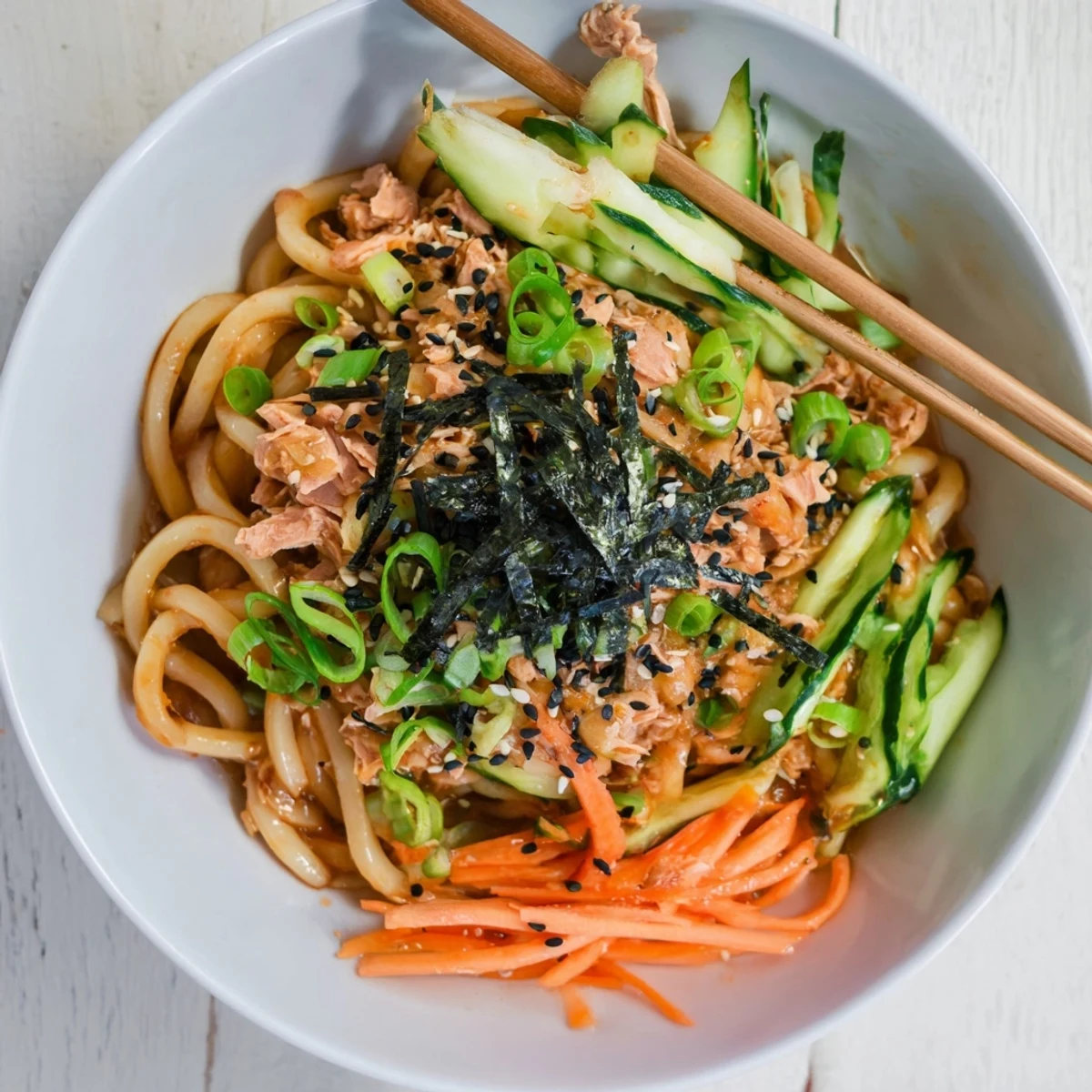
 Savory udon noodles coated in a spicy tuna sauce made with mayonnaise, Sriracha, and soy sauce. Fresh julienned carrots, cucumbers, and spring onions add crisp texture and brightness. Toasted sesame seeds and nori bring authentic Japanese flavors. Ready in just 25 minutes, this versatile dish works served chilled or at room temperature.
The exhaust fan in my tiny apartment kitchen was useless against the smell of sesame oil that evening, and honestly I did not mind one bit. I had just discovered a half forgotten can of tuna buried behind emergency ramen packets and decided, on a whim, to treat it like it deserved better. What came together in under half an hour was a bowl of chewy udon slicked with a fiery, creamy sauce that made me close my eyes after the first bite. It was the kind of accidental dinner that immediately earns a permanent spot in your rotation.
I made this for my roommate once when she came home exhausted from a double shift, and she ate the entire bowl standing at the counter without even grabbing chopsticks. She looked at me midway through and said this is the best thing you have ever cooked, which felt both flattering and slightly offensive given the holiday dinners I had prepared for us. That bowl of spicy tuna udon became her requested meal every single time she had a rough day at work.
Ingredients
- Udon noodles (200 g): Fresh or frozen udon are ideal because their thick, chewy texture holds up beautifully to the heavy sauce. Vacuum sealed packs work great and cook in about two minutes.
- Canned tuna (120 g): Tuna in water drains cleaner and lets the sauce take center stage. If you are feeling fancy, seared fresh tuna flaked into chunks is a wonderful upgrade.
- Carrot (1/2 cup julienned): Adds a satisfying crunch and a flash of orange that makes the bowl look as good as it tastes.
- Cucumber (1/2 cup thinly sliced): Its cool crispness is a relief against the heat of the Sriracha. English cucumber works best because the seeds are minimal.
- Spring onions (2, sliced): A sharp, fresh bite scattered on top that cuts through the richness of the mayo based sauce.
- Pickled ginger (1 tablespoon, optional): Brings a sweet tanginess that ties all the Japanese flavors together beautifully.
- Japanese Kewpie mayonnaise (2 tablespoons): Kewpie is richer and slightly tangier than regular mayo, which makes the sauce noticeably better. If you only have standard mayo, a squeeze of extra lemon juice helps bridge the gap.
- Sriracha (1 tablespoon): The backbone of the heat, adjustable to your comfort level. Start with less and taste before adding more.
- Soy sauce (1 tablespoon): Provides the salty, umami depth that makes the sauce feel complete rather than one dimensional.
- Sesame oil (1 teaspoon): Just a small amount infuses the entire dish with that unmistakable toasty aroma. A little goes a long way here.
- Rice vinegar (1 teaspoon): Balances the richness with a gentle acidity that brightens every bite.
- Sugar (1/2 teaspoon): A tiny pinch that rounds out the sharp edges of the vinegar and hot sauce without making anything sweet.
- Toasted sesame seeds (1 tablespoon): A nutty, crunchy finish sprinkled over the top right before serving.
- Nori (1 sheet, torn): Torn pieces of roasted seaweed add a hit of ocean saltiness and a beautiful presentation.
- Fresh chili slices (optional): For those who want an extra layer of fire on top of the already spicy sauce.
Instructions
- Boil the noodles:
- Cook the udon according to the package directions, usually just two to three minutes in boiling water until they separate and float. Drain and rinse under cold running water immediately so they stop cooking and stay bouncy.
- Build the spicy tuna sauce:
- In a large mixing bowl, combine the drained tuna, mayonnaise, Sriracha, soy sauce, sesame oil, rice vinegar, and sugar. Stir everything thoroughly until the tuna breaks down slightly and the sauce looks thick, glossy, and uniformly orange.
- Fold in the vegetables:
- Add the julienned carrot, sliced cucumber, spring onions, and pickled ginger if you are using it. Toss gently so the vegetables get coated in the sauce without turning into a mushy mess.
- Combine noodles and sauce:
- Add the cooled udon noodles to the bowl and toss enthusiastically, lifting the noodles up and letting them drop back through the sauce. Keep going until every strand is slicked and the tuna mixture is evenly distributed.
- Plate and garnish:
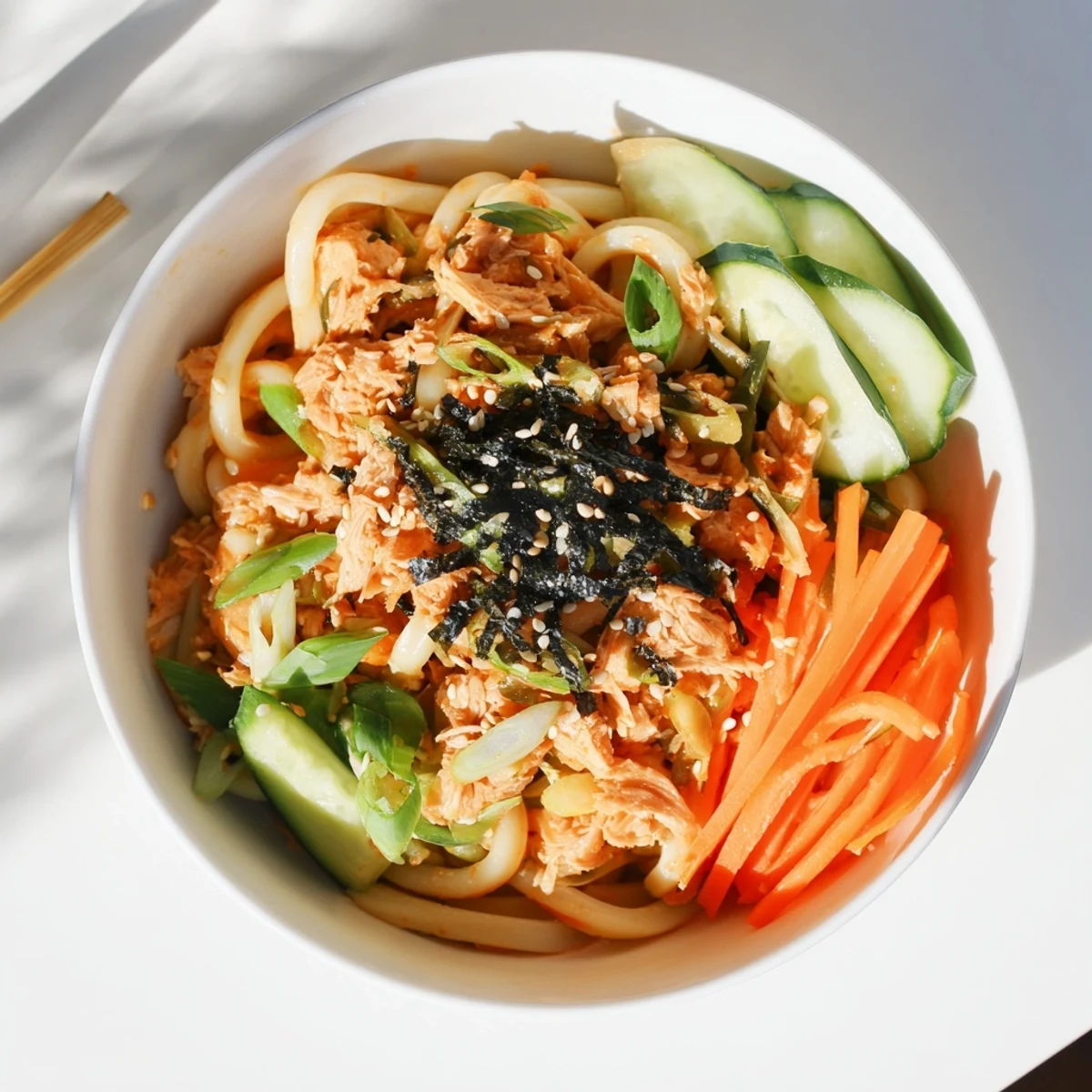
- Divide between two bowls and shower each with sesame seeds, torn nori pieces, and fresh chili slices if you want extra heat. Serve right away while the contrast between cool vegetables and chewy noodles is at its peak.
 Save to Pinterest
 One rainy Tuesday I packed leftovers of this into a container for lunch at work, and three coworkers stopped by my desk to ask what smelled so incredible. There is something about the combination of sesame, soy, and spice that travels through an office like an invitation you cannot ignore.
What to Serve Alongside
A bowl of this udon is satisfying on its own, but a small cup of miso soup on the side turns it into a proper Japanese meal. A light, dry sake or a cold glass of crisp white wine also complements the heat beautifully without competing with the flavors.
Making It Lighter
Swapping the mayonnaise for plain Greek yogurt sounds strange but it works surprisingly well, creating a tangier sauce that still clings to the noodles. You lose a bit of richness but gain a version that feels more appropriate for a hot summer lunch when something heavy would slow you down.
Storage and Leftovers
This dish is best eaten immediately because the vegetables will release water as they sit and the sauce will thin out overnight. If you must store it, keep it in an airtight container in the refrigerator for up to one day and give it a vigorous stir before eating.
- Keep the toppings separate if you are meal prepping so the nori stays crisp.
- A soft boiled egg placed on top of leftovers turns next day lunch into something to genuinely look forward to.
- Give the noodles a quick toss with a splash of soy sauce and sesame oil to revive them before eating cold.
 Save to Pinterest
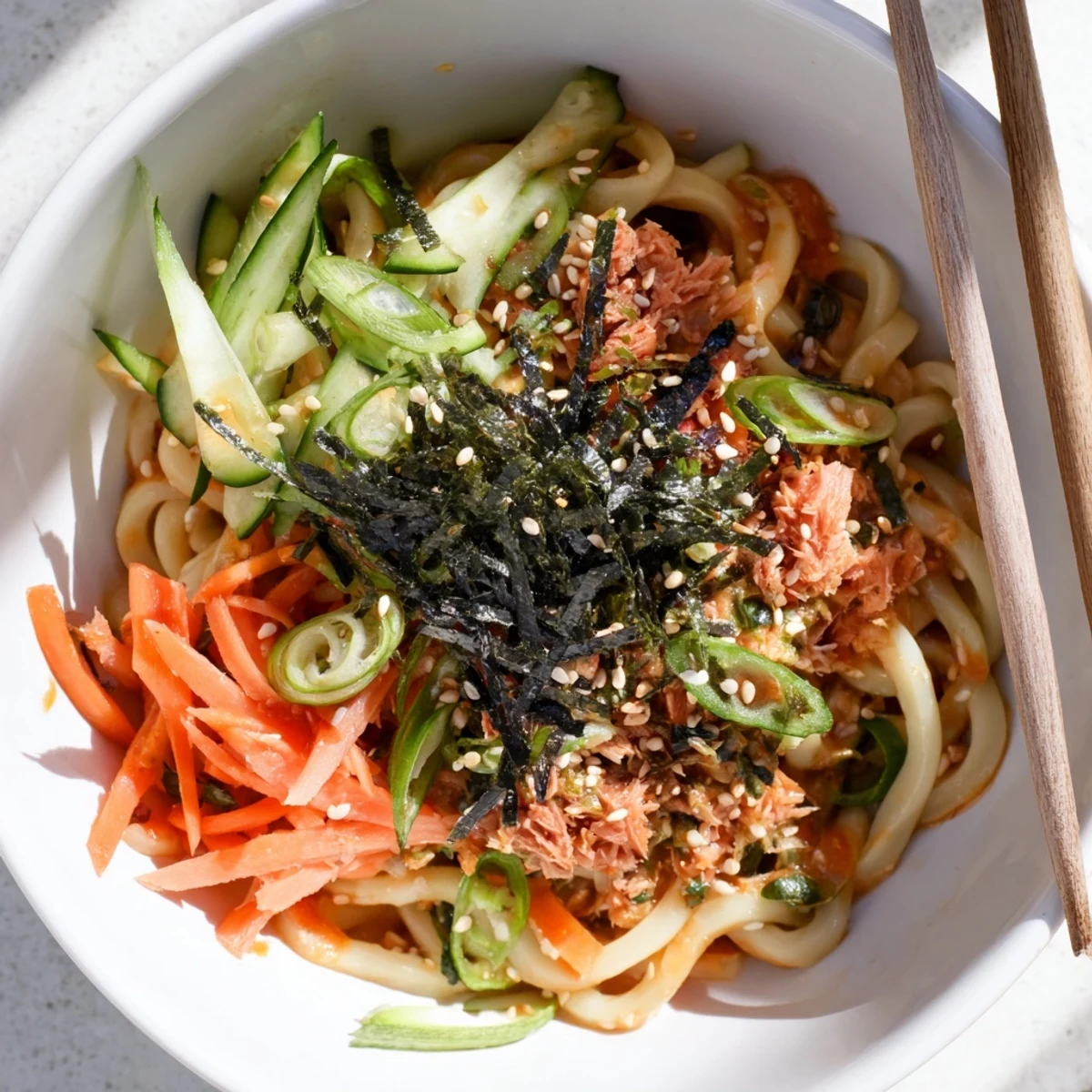
 Some recipes are projects, and some are just a really good idea executed simply, and this bowl of spicy tuna udon is the latter. Keep these ingredients stocked and you will always be twenty five minutes away from something worth eating.
Recipe FAQs
- → Can I use fresh tuna instead of canned?
-
Yes, fresh cooked tuna works beautifully. Simply grill, pan-sear, or poach fresh tuna, then flake it into pieces before tossing with the spicy sauce. Canned tuna offers convenience while fresh provides a more delicate texture.
- → How do I store and reheat leftovers?
-
Store in an airtight container in the refrigerator for up to 2 days. This dish is best served chilled or at room temperature. If reheating, warm gently in a pan with a splash of water to prevent sticking, though the cold version tastes excellent.
- → What can I substitute for Sriracha?
-
Sambal oelek, gochujang, or any chili garlic paste makes excellent substitutes. Adjust quantities to match your preferred spice level. For milder heat, use red pepper flakes or omit entirely for a non-spicy version.
- → Is this dish gluten-free?
-
Traditional udon noodles contain wheat, but you can substitute with thick rice noodles or soba. Use tamari instead of soy sauce and verify all condiments are certified gluten-free to make this entirely gluten-free.
- → Can I make this ahead of time?
-
The sauce can be prepared up to 2 days in advance and stored refrigerated. Cook the noodles just before serving to prevent them from becoming sticky. Assemble everything when ready to eat for the best texture and flavor.