
 Save to Pinterest
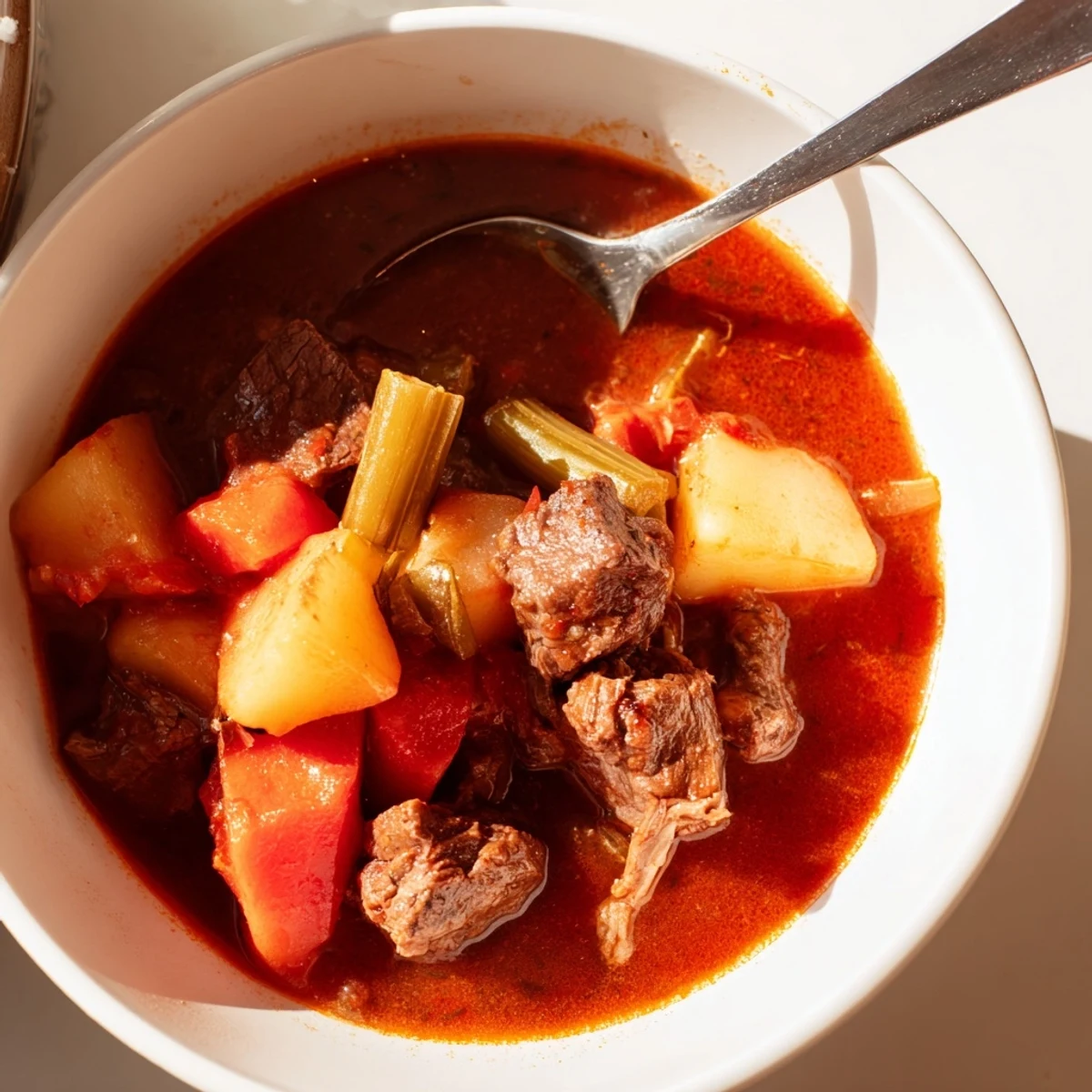
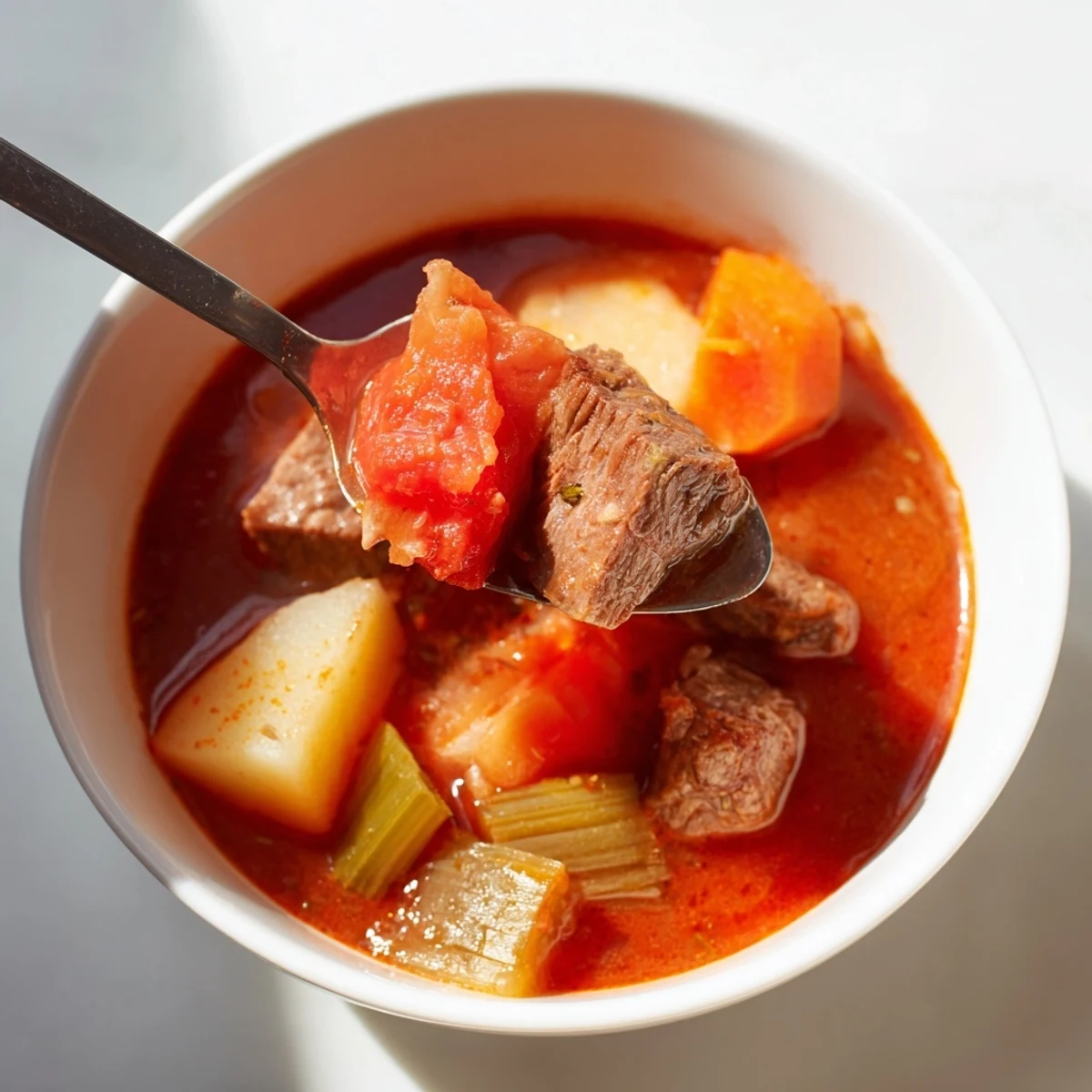
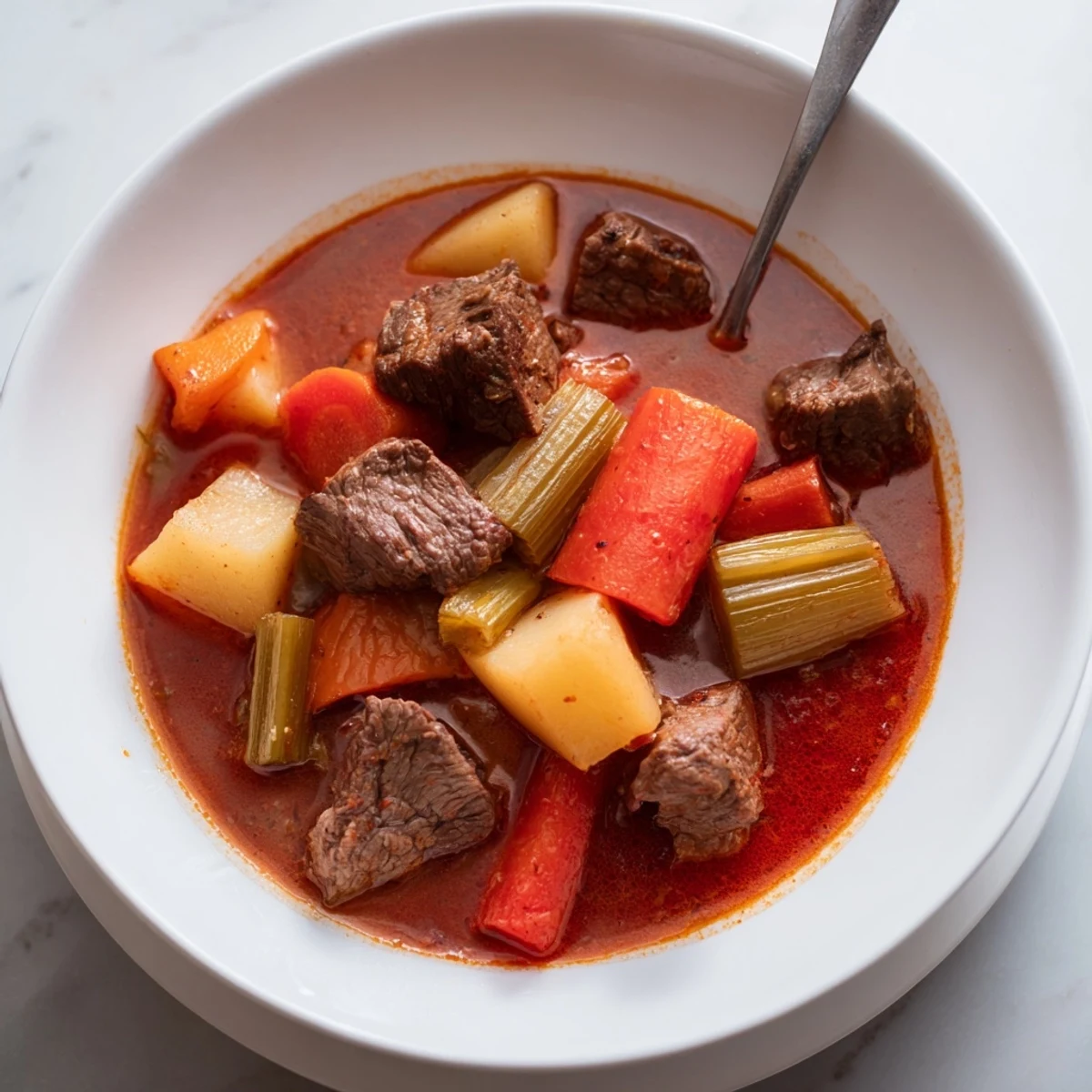
 This traditional Italian beef stew features tender chuck beef slowly simmered with onions, carrots, celery, and potatoes in a rich red wine and beef broth base. Aromatic herbs like rosemary, thyme, and bay leaves infuse the dish with classic Mediterranean flavors.
The slow braising process creates incredibly tender meat and a thick, flavorful sauce that's perfect served with rustic bread or creamy polenta. The dish develops even deeper flavors when prepared a day ahead, making it ideal for entertaining or meal prep.
The rain was hammering against the kitchen window so hard that afternoon that I abandoned all plans to go to the market and rummaged through the fridge instead, pulling out a hunk of beef chuck and whatever vegetables were rolling around the crisper drawer. Something about that kind of weather demands a pot on the stove for hours, filling every room with the smell of wine and slow cooking meat. Spezzatino di manzo became my go to whenever the world outside felt like too much. It asks for patience, not perfection, and rewards you with the kind of comfort that only a long braise can deliver.
I once made this for a friend who insisted she did not eat red meat, and she ended up going back for thirds while telling stories about her grandmother in Bologna.
Ingredients
- 800 g beef chuck, cut into 3 cm cubes: Chuck is the ideal cut here because the fat and connective tissue break down over two hours into silky, fork tender pieces.
- 2 medium onions, finely chopped: Onions form the sweet foundation of the soffritto, so do not rush them.
- 2 carrots, sliced: They add natural sweetness and body to the braising liquid.
- 2 celery stalks, sliced: Celery brings a subtle earthiness that balances the richness of the beef.
- 2 medium potatoes, peeled and cubed: These soak up the sauce and practically melt into it, helping thicken everything at the end.
- 2 garlic cloves, minced: Fresh garlic makes a difference here, so skip the jarred stuff.
- 250 ml dry red wine: Use something you would actually drink, because the flavor concentrates as it reduces.
- 500 ml beef stock: A good quality stock or even broth diluted with water works better than salty bouillon cubes.
- 2 tbsp tomato paste: This small amount adds deep umami and gives the stew its beautiful color.
- 2 tbsp olive oil: Just enough to get a proper sear on the beef without burning.
- 2 bay leaves: They quietly do their job in the background, so remember to fish them out before serving.
- 1 sprig fresh rosemary: Rosemary and beef are old friends, and the whole sprig is easier to remove than chopped needles.
- 1 tsp dried thyme: A modest amount adds a gentle herbal warmth without taking over.
- Salt and freshly ground black pepper, to taste: Season the beef before browning and adjust again at the very end.
Instructions
- Get that sear right:
- Heat the olive oil in a large heavy bottomed pot over medium high heat until it shimmers, then brown the beef in batches so each cube gets a deep caramel crust on all sides. Do not crowd the pot or the meat will steam instead of sear, and that golden browning is where so much flavor begins.
- Build the soffritto:
- Lower the heat to medium and add the onions, carrots, and celery to the same pot with all those flavorful browned bits stuck to the bottom. Stir and scrape for about five minutes until the vegetables soften and everything smells sweet and savory together.
- Wake up the garlic and tomato:
- Add the minced garlic and tomato paste, stirring constantly for about two minutes until the paste darkens slightly and the garlic turns fragrant. You will know it is ready when the color deepens and the kitchen starts to smell absolutely irresistible.
- Let the wine work its magic:
- Pour in the red wine and scrape up every last bit from the bottom of the pot, then let it bubble and reduce by half over about five minutes. This step burns off the harsh alcohol and leaves behind a concentrated, fruity depth.
- Bring it all together:
- Return the browned beef to the pot and add the potatoes, beef stock, bay leaves, rosemary sprig, thyme, a generous pinch of salt, and several grinds of black pepper. Stir once, bring everything to a gentle simmer, then cover the pot and turn the heat to low.
- The long, patient braise:
- Let it cook for two hours, lifting the lid to stir every now and then and checking that the liquid is barely bubbling, not boiling. The beef is ready when it yields to the press of a spoon and the sauce has thickened into a glossy, coat the back of a spoon consistency.
- Finish with care:
- Remove and discard the bay leaves and the rosemary sprig, then taste the sauce and add more salt or pepper if it needs it. Let the stew rest for a few minutes off the heat before serving, which allows the flavors to settle.
 Save to Pinterest
 One January evening I ladled this over creamy polenta for a table of six people who had never met each other, and by the second glass of wine they were all laughing like old friends.
What to Serve With It
Rustic bread is the simplest companion, perfect for dragging through the sauce when no one is watching. Soft polenta is my personal favorite because it turns the whole thing into something almost luxurious, while a pile of mashed potatoes works just as well on nights when you need pure comfort without any fuss.
Making It Ahead
This stew is one of those rare dishes that genuinely tastes better the next day, so I almost always make it in advance when I can. The flavors continue to deepen as it sits in the fridge overnight, and the sauce thickens further into something even more luscious. Just reheat it gently on the stove over low heat, adding a splash of stock if it has thickened too much.
A Few Things That Helped Me Along the Way
After making this stew more times than I can count, I have picked up a handful of small habits that make the process smoother and the result more consistent. None of them are strictly necessary, but each one solves a little problem I ran into at some point.
- Use a Dutch oven if you have one, because the heavy lid traps moisture and the thick walls distribute heat evenly throughout the long braise.
- Cut all the vegetables and potatoes into roughly equal sizes so everything cooks at the same rate and you do not end up with some pieces turning to mush while others stay firm.
- Taste the stew before serving and be generous with the pepper, because the long cooking time mellows the seasoning more than you might expect.
 Save to Pinterest
 Some dishes feed you twice, first while you make them and then again at the table, and this stew is exactly that kind of cooking. Share it freely and often.
Recipe FAQs
- → What cut of beef works best?
-
Beef chuck is ideal for slow braising as it becomes tender and flavorful. The marbling breaks down during cooking, creating rich, succulent meat.
- → Can I make this in advance?
-
Yes, preparing this a day ahead actually improves the flavors. The beef absorbs more of the aromatic broth, and any fat can be easily removed before reheating.
- → What should I serve with it?
-
Rustic bread, creamy polenta, or mashed potatoes pair perfectly. For a gluten-free option, serve over roasted vegetables or with simple steamed greens.
- → How long does it take to cook?
-
The total cooking time is about 2 hours and 15 minutes. This slow simmering ensures the beef becomes fork-tender and the sauce thickens naturally.
- → Can I freeze leftovers?
-
Absolutely. This freezes well for up to 3 months. Cool completely before storing in airtight containers, and reheat gently on the stovetetop with a splash of broth.
- → What wine should I use?
-
A dry Italian red like Chianti or Barbera works beautifully. The wine reduces during cooking, concentrating its flavor and creating the rich base for the braising liquid.