
 Save to Pinterest
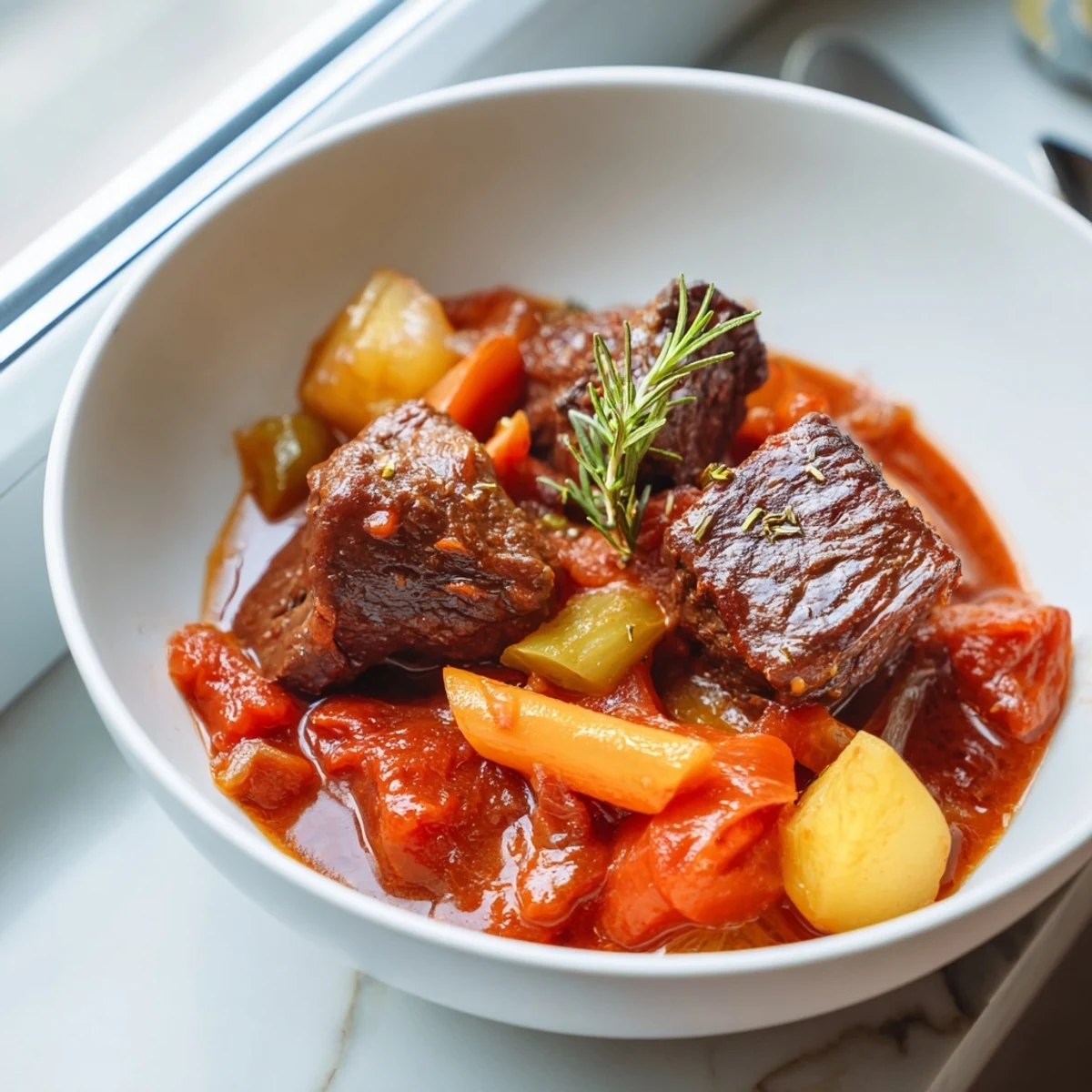
 Pat beef cubes dry, season, and brown in a heavy pot. Sauté onion, carrots and celery, add garlic and tomato paste, then deglaze with red wine. Return beef with canned tomatoes, beef broth and herbs, simmer covered 1½ hours. Add potatoes and cook uncovered 30 minutes until meat and tubers are tender and the sauce thickens. Serve hot with polenta or crusty bread; flavors meld beautifully if rested overnight.
The rain hammered against my kitchen window last November, and all I wanted was something that would make the whole apartment smell like my nonnas house in Bologna. I had a chunk of beef chuck sitting in the fridge and zero motivation to do anything complicated. Two hours later, I was sitting on the floor with the pot between my knees, eating straight from the ladle because the smell had completely destroyed my patience for plating.
My friend Marco came over once when I was making this, took one bite, and sat in silence for a full minute before saying it reminded him of Sundays at his zias house in Calabria.
Ingredients
- 800 g beef chuck, cut into 3 cm cubes: Chuck is the undisputed king here because its marbling breaks down into pure silk over a long braise.
- 2 medium carrots, peeled and sliced: They add natural sweetness that balances the acidity of the tomatoes and wine.
- 2 celery stalks, chopped: Celery is the quiet backbone of Italian soffritto, do not skip it even if you think you do not like it.
- 1 large yellow onion, finely chopped: One generous onion gives you a deep flavor base that nothing else can replicate.
- 2 medium potatoes, peeled and cubed: They soak up the braising liquid and turn golden and velvety by the end.
- 2 cloves garlic, minced: Fresh garlic bloomed in olive oil is the scent that tells your neighbors something wonderful is happening.
- 400 g canned diced tomatoes: Good canned tomatoes are a pantry treasure, San Marzano if you can find them.
- 500 ml beef broth: Homemade is ideal but a quality store bought broth works wonderfully here.
- 120 ml dry red wine: This is where the depth comes from, drink whatever you cook with and everyone wins.
- 2 tbsp tomato paste: A small amount concentrates the tomato flavor without making the stew taste like pasta sauce.
- 2 tbsp extra virgin olive oil: Use the good stuff since it is carrying the initial flavor of the whole dish.
- 2 bay leaves: Bay leaves work their magic quietly, remove them before serving and never tell anyone they were there.
- 3 to 4 sprigs fresh thyme or 1 tsp dried thyme: Thyme gives an earthy, woodsy note that ties everything to the Italian countryside.
- 1 sprig fresh rosemary or 1 tsp dried rosemary: Just one sprig is enough because rosemary wants to dominate if you let it.
- Salt and freshly ground black pepper: Season in layers throughout the cooking process for the most balanced result.
Instructions
- Prep and season the beef:
- Pat those cubes completely dry with paper towels and give them a generous shower of salt and pepper because wet beef steams instead of browning.
- Build the crust:
- Get your oil shimmering hot in a heavy pot and brown the beef in batches without crowding the pan, letting each side develop a deep mahogany crust before turning.
- Wake up the vegetables:
- Drop the aromatics into that same gloriously browned pot and let them soften until the onions turn translucent and your kitchen smells like a trattoria at lunchtime.
- Add the garlic:
- Stir in the minced garlic and cook just until fragrant, about a minute, because burnt garlic turns bitter and unforgiving.
- Bloom the paste and Deglaze:
- Push the tomato paste around for a couple of minutes until it darkens, then pour in the wine and scrape up every caramelized bit stuck to the bottom because that is where the flavor lives.
- Bring it all together:
- Return the beef with all its resting juices, add the tomatoes, broth, and herbs, then stir gently and bring everything to a gentle simmer.
- The long braise:
- Cover the pot, drop the heat to low, and let it burble away for an hour and a half, stirring every now and then just to make sure nothing is sticking.
- Finish with potatoes:
- Tuck the potato cubes in, taste and adjust the salt, then cook uncovered for another thirty minutes until the potatoes yield to a fork and the sauce coats the back of a spoon.
- Rest and Serve:
- Fish out the bay leaves and herb stems, then ladle into wide bowls over polenta or alongside crusty bread for soaking up every last bit of sauce.
 Save to Pinterest
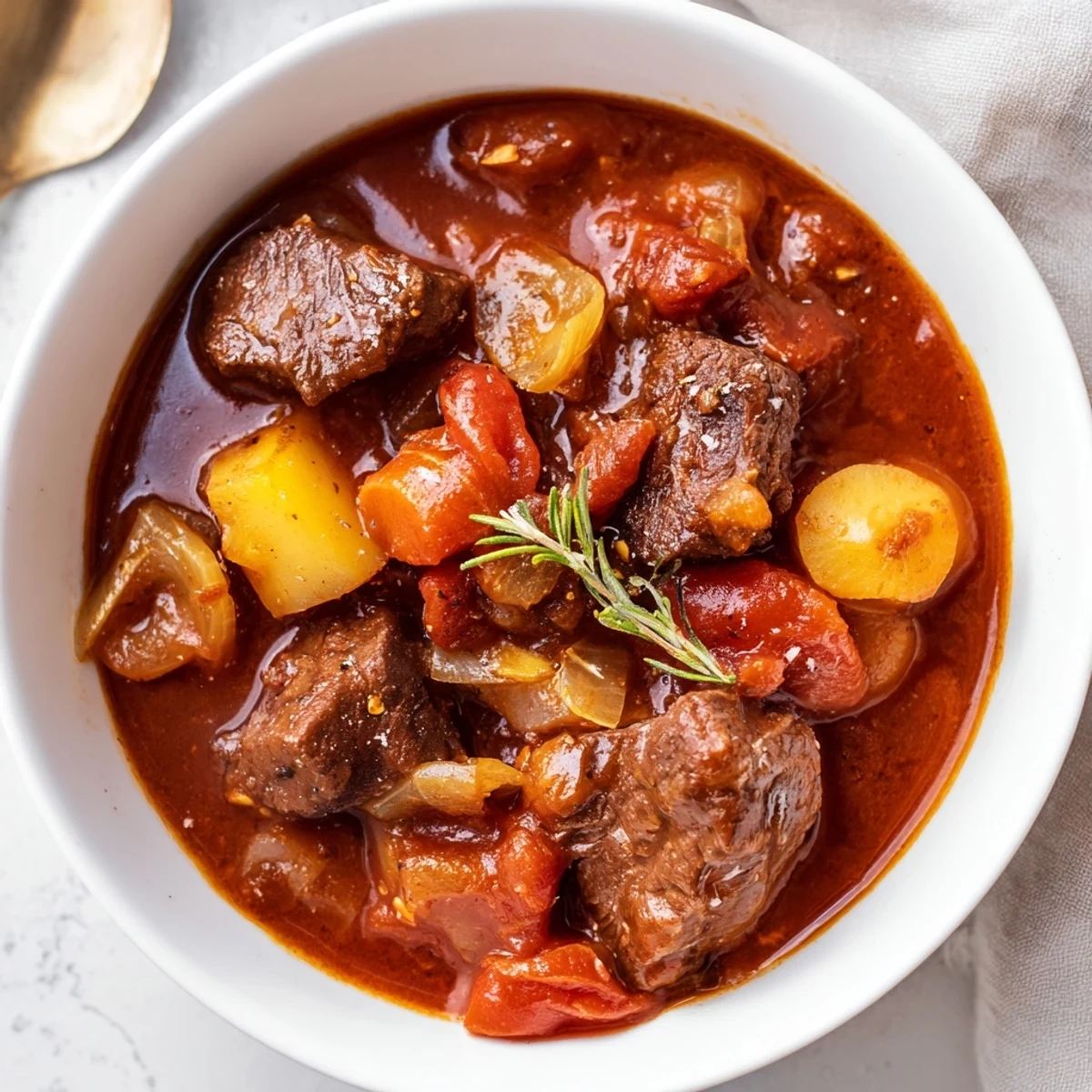
 There is something almost sacred about lifting the lid after that long braise and watching the steam curl up into the cold kitchen air while the sauce bubbles thick and dark around the tender chunks of meat.
Serving Suggestions Worth Trying
Poured over creamy polenta, this stew becomes something close to a religious experience. I learned that trick from a cookbook I found at a flea market in Florence, and it changed the way I think about comfort food forever.
Wine Pairings That Actually Work
A Chianti or Barbera alongside this stew is the kind of pairing that makes you close your eyes and nod slowly. The wine is already in the pot, so pouring the rest into your glass is practically mandatory.
Storage and Reheating Notes
This stew holds beautifully in the fridge for up to four days and freezes for three months without losing any of its character. Just reheat it gently on the stove with a splash of broth to bring the sauce back to life.
- Let the stew cool completely before transferring to containers to prevent condensation from watering it down.
- Freeze in individual portions so you can thaw exactly what you need without repeating the whole process.
- Always taste for salt after reheating because cold storage can mute the seasoning slightly.
 Save to Pinterest
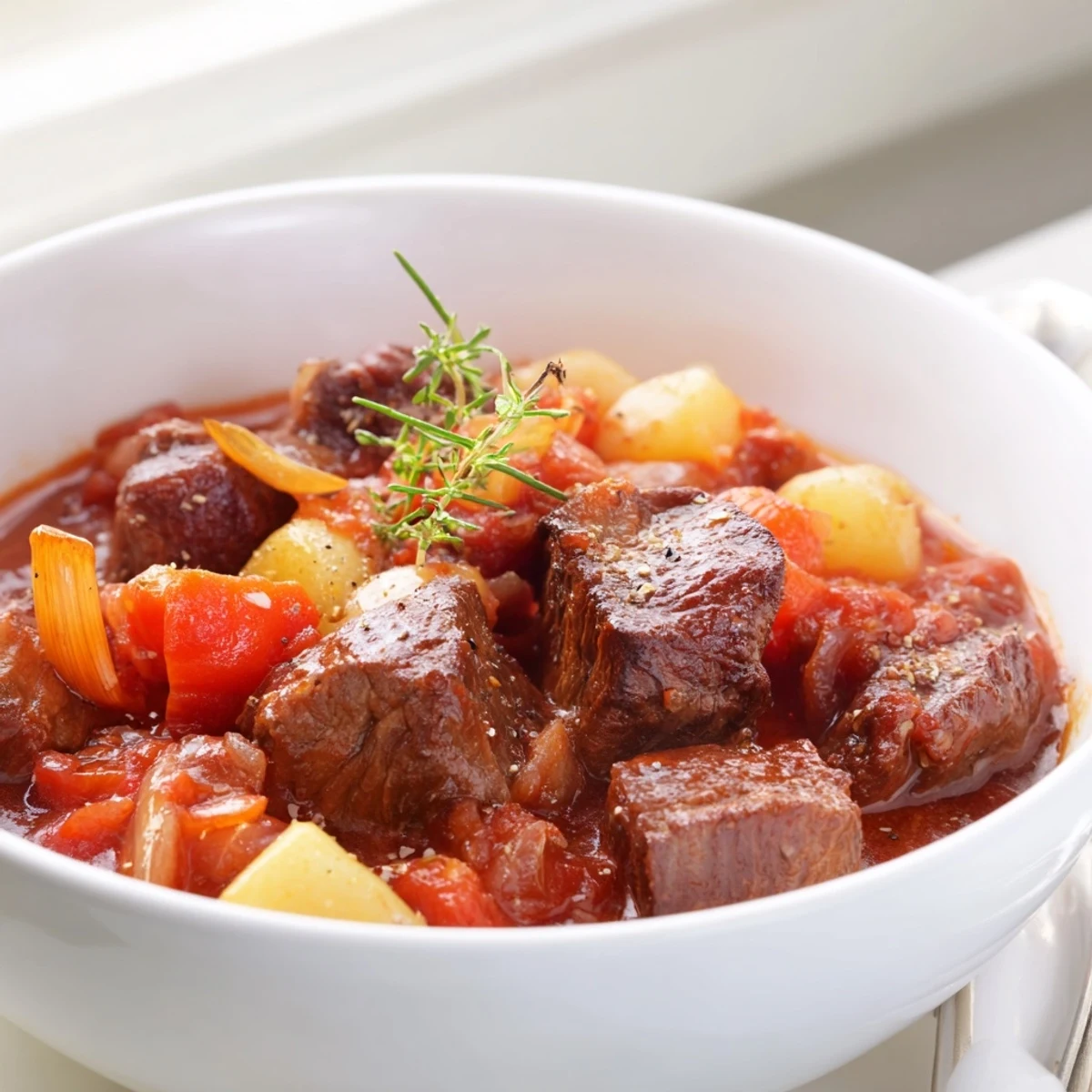
 Some dishes feed you, and other dishes take care of you. This spezzatino does both, and it asks almost nothing in return except a little patience and a cold evening worth warming up.
Recipe FAQs
- → Which cut of beef works best?
-
Beef chuck is ideal for long, slow cooking because its marbling breaks down into tender, flavorful morsels. Look for 3 cm cubes for even braising.
- → How important is browning the meat?
-
Browning develops deep flavor through the Maillard reaction. Do it in batches to avoid crowding the pot and achieve an even caramelized exterior.
- → Can I thicken the sauce more?
-
Simmering uncovered concentrates the sauce naturally. For extra thickness, mash a few potatoes into the stew or briefly stir in a small beurre manié or cornstarch slurry at the end.
- → How long can it be refrigerated or frozen?
-
The stew keeps 3–4 days refrigerated and freezes well for up to 3 months. Reheat gently to preserve texture; flavors often improve after chilling.
- → What wine pairs well for cooking or serving?
-
Dry red wines such as Chianti or Barbera add bright acidity and depth when used for deglazing and pair beautifully when served alongside the dish.
- → Any tips for adjusting vegetables?
-
Root vegetables like carrots and potatoes hold up to long cooking. For a lighter finish, add quick-cooking vegetables such as peas or mushrooms toward the end to retain texture.