
 Save to Pinterest
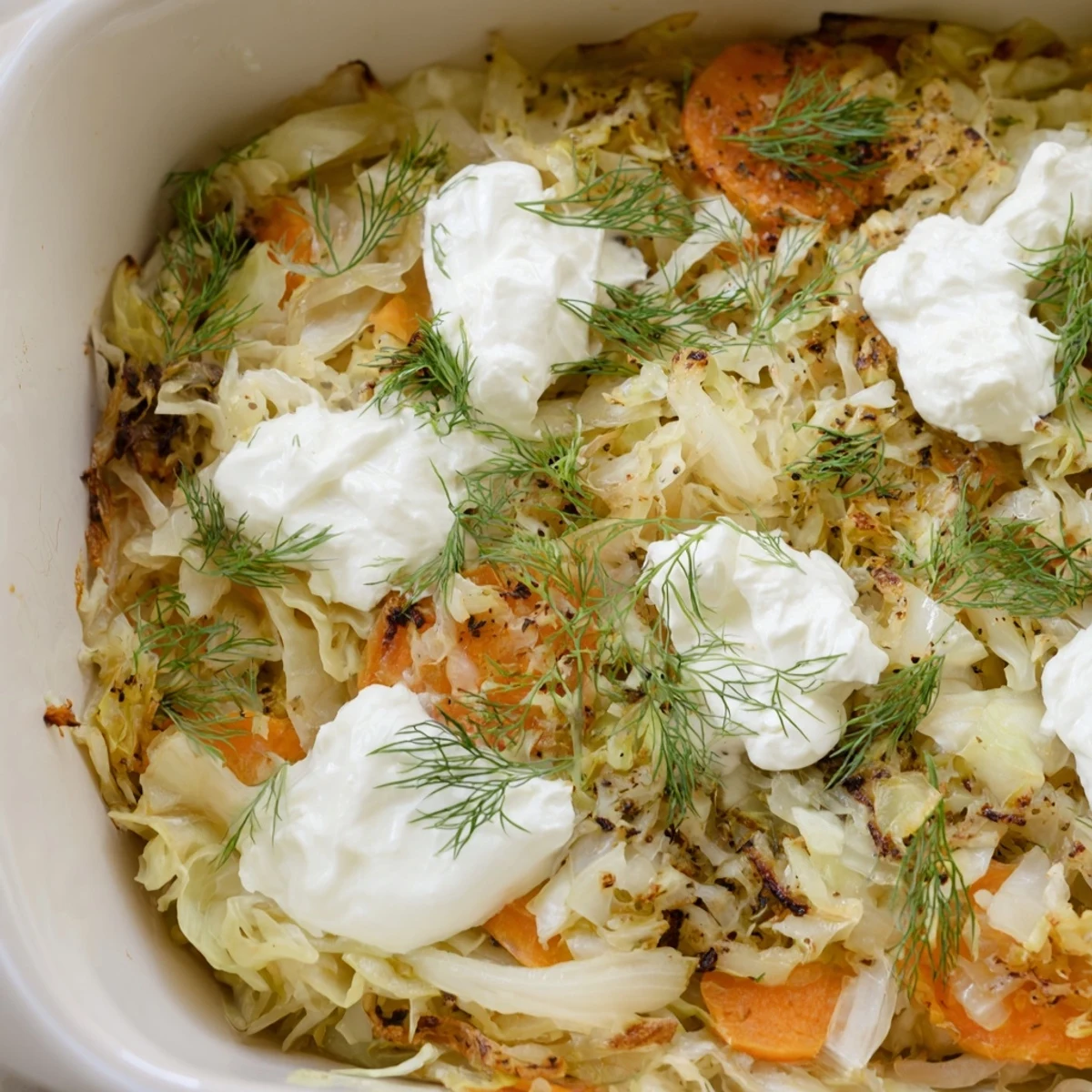
 This comforting casserole combines tender slow-roasted cabbage with tangy sauerkraut, creating layers of robust flavors. The slow roasting process at 325°F for an hour allows the vegetables to soften and meld together, while a final high-heat bake creates lightly caramelized edges. Aromatic caraway seeds and smoked paprika provide depth, while a hint of grated apple balances the sauerkraut's natural tanginess. The dish achieves its rich character through vegetable broth and optional white wine, which infuses the layers as they bake. Optional sour cream and cheese toppings add creamy richness, though the casserole remains satisfying without them. This adaptable dish welcomes mushrooms or lentils for extra protein and pairs beautifully with crusty bread or boiled potatoes.
The smell of cabbage roasting low and slow in the oven is one of those underrated kitchen aromas that fills every corner of the house with warmth. My neighbor actually knocked on my door once asking what I was cooking because the scent had drifted through the shared hallway of our apartment building. That particular batch was this casserole, a dish born from a nearly empty fridge and a jar of sauerkraut that had been sitting in the back of my pantry for months. It has since become my go to comfort food when the weather turns cold and I want something that feels like a hug on a plate.
I made this for a potluck last winter and watched a table full of people who swore they hated cabbage go back for seconds. One friend stood in the kitchen eating leftovers straight from the dish while I was packing up, which honestly is the highest compliment a home cook can receive.
Ingredients
- Green cabbage (1 medium head, about 2 lb): The star of the show, slice it thin so it melts into tenderness during the long roast.
- Onions (2 medium): They provide a sweet base that balances the sourness of the kraut, so do not skimp on these.
- Garlic (2 cloves): Just enough to add depth without overpowering the delicate cabbage flavor.
- Carrots (2 large, grated): These bring natural sweetness and a lovely golden color throughout the layers.
- Sauerkraut (3 cups, drained and lightly rinsed): Do not skip the rinsing step or the dish may end up too salty and aggressively sour.
- Apple (1, peeled and grated): This is the secret weapon, adding subtle sweetness that makes people wonder what that wonderful flavor is.
- Vegetable broth (1 cup): Keeps everything moist during the long bake and adds savory depth.
- Dry white wine (1/4 cup, optional): Deglazes the pan and adds sophistication but the dish works beautifully without it.
- Olive oil (2 tbsp): Use a good quality one since there are so few fats in this dish and you will taste the difference.
- Caraway seeds (1 tsp): Non negotiable in my kitchen, they are what make this taste authentically Eastern European.
- Smoked paprika (1 tsp): Adds a whisper of campfire warmth that elevates the entire casserole.
- Salt and black pepper (1/2 tsp each): Season gradually and taste as you go since the sauerkraut already contributes saltiness.
- Fresh dill (2 tbsp chopped, plus extra for garnish): Stir it in at the end for a bright, grassy note that cuts through the richness.
- Sour cream (1/2 cup, optional): Dolloped on top it turns this from a side dish into a complete vegetarian meal.
- Grated cheese (1/4 cup, optional): A finishing touch of melted cheese never hurt any casserole in history.
Instructions
- Get your oven ready:
- Preheat to 325 degrees F and grease your casserole dish with a drizzle of olive oil so nothing sticks later.
- Build the flavor base:
- Warm olive oil in a large skillet over medium heat and cook the sliced onions until they turn translucent and sweet, about 5 minutes. Toss in the garlic and let it bloom for just a minute until your kitchen smells incredible.
- Wilt the cabbage:
- Add the shredded cabbage to the skillet and stir occasionally for about 6 minutes until it softens and reduces in volume. Mix in the grated carrots, salt, pepper, caraway seeds, and smoked paprika until evenly coated.
- Prep the sauerkraut layer:
- In a bowl, toss the drained sauerkraut with the grated apple and chopped dill until well combined.
- Build the layers:
- Spread half the cabbage mixture across the bottom of your dish, then cover it with half the sauerkraut mixture. Repeat with the remaining layers, pressing gently so everything nestles together snugly.
- Add the liquid:
- Pour the vegetable broth and white wine evenly over the entire casserole, letting it seep down through the layers.
- Slow roast covered:
- Cover tightly with foil and bake at 325 degrees F for 1 hour so everything steams and softens together.
- Finish uncovered:
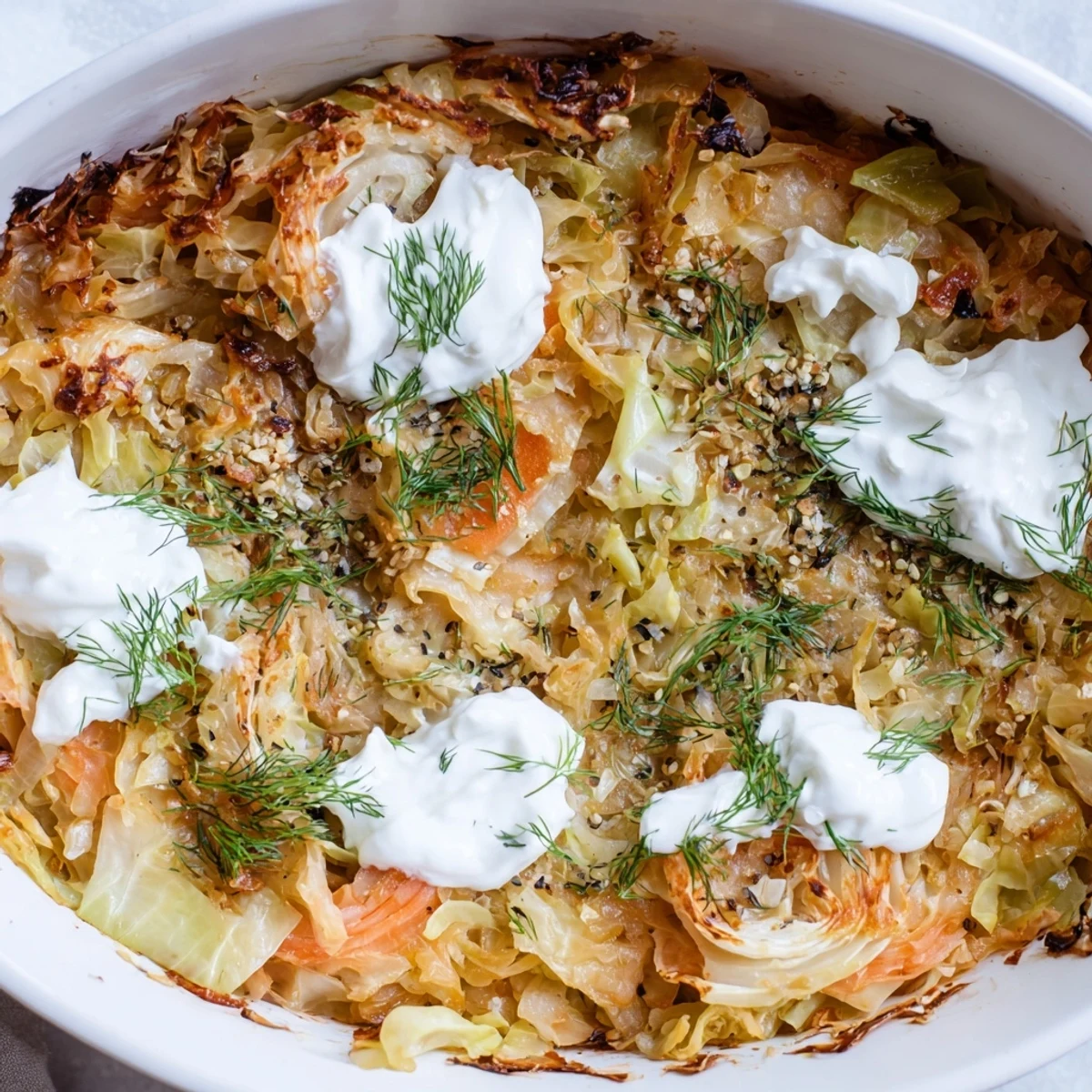
- Remove the foil, crank the heat to 375 degrees F, and bake another 35 minutes until the top turns golden and most of the liquid has cooked away.
- Add toppings if using:
- Spread the sour cream and sprinkle cheese over the top during the last 10 minutes, just long enough to melt and get bubbly.
- Rest and serve:
- Let the casserole sit for 10 minutes before serving so the layers settle and it is easier to scoop. Garnish generously with fresh dill.
 Save to Pinterest
 There is something profoundly satisfying about pulling a golden bubbling casserole from the oven when it is dark and cold outside. This dish taught me that the simplest ingredients, treated with patience, can become something that gathers people around a table and keeps them there.
Making It Your Own
I have tossed sauteed mushrooms between the layers when I wanted something heartier and once folded in leftover cooked lentils for extra protein on a night when this was the whole meal. The recipe forgives almost any addition or subtraction as long as you keep the basic layering technique intact.
What To Serve Alongside
Crusty bread is the obvious choice for soaking up the savory juices but boiled potatoes, especially small buttered ones, make the meal feel more complete. A glass of dry Riesling alongside turns a humble Tuesday dinner into something worth lingering over.
Storage and Reheating
This casserole actually tastes better the next day once the flavors have had time to mingle and settle in the fridge overnight. I often make a double batch on purpose just to have leftovers for quick lunches throughout the week.
- Store covered in the refrigerator for up to 4 days.
- Reheat in a 350 degree F oven until warmed through, about 20 minutes.
- Freeze individual portions for up to 2 months though the texture softens slightly.
 Save to Pinterest
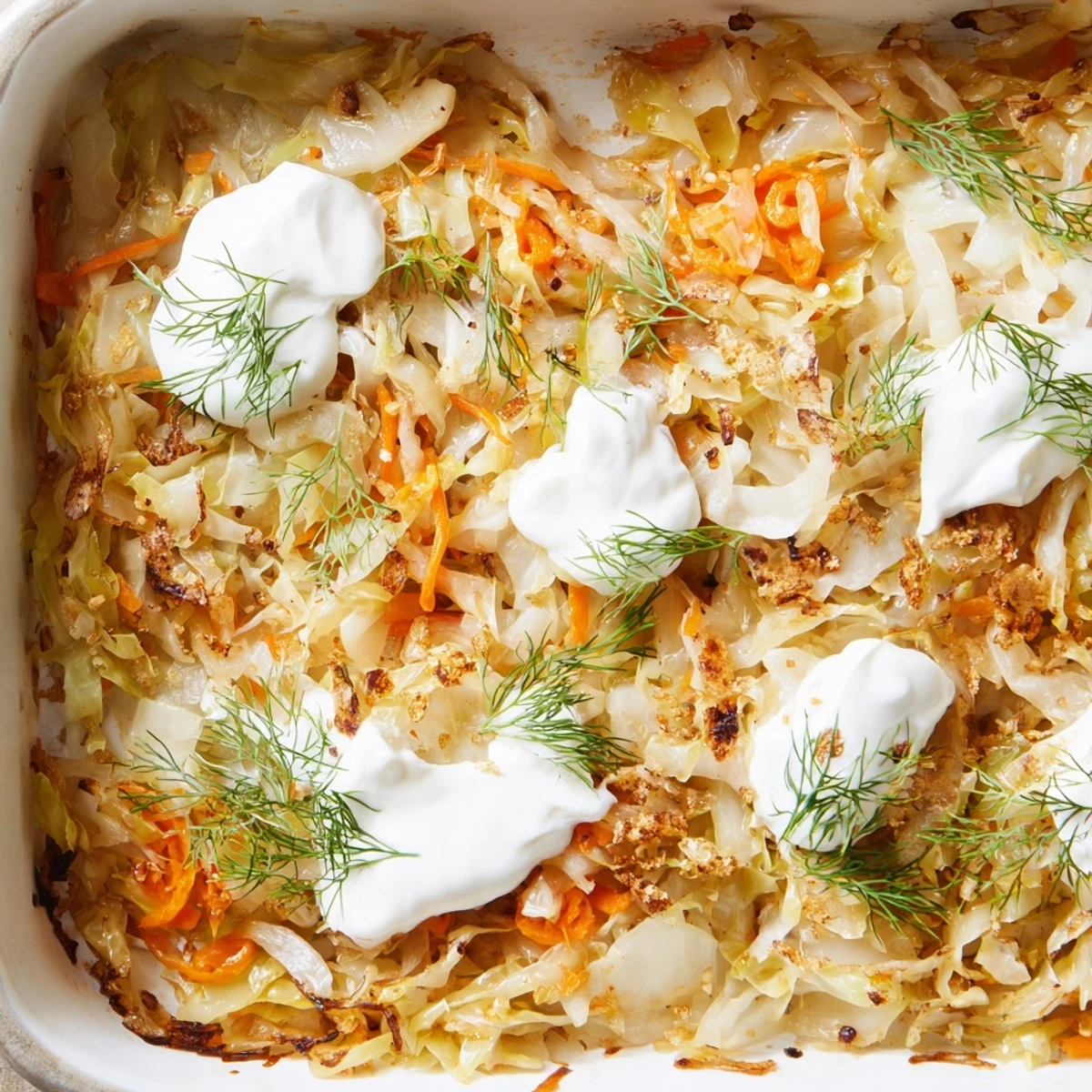
 Every time I make this dish I think about how some of the best cooking comes from working with what you already have on hand rather than chasing exotic ingredients. This humble cabbage casserole proves that patience and a hot oven can transform almost anything into a meal worth remembering.
Recipe FAQs
- → What makes this casserole traditional?
-
The combination of cabbage and sauerkraut with caraway seeds reflects classic German and Eastern European culinary traditions. These ingredients have been staples in the region for centuries, offering preserved vegetables through winter months and providing hearty, warming nutrition.
- → Can I prepare this in advance?
-
Yes, assemble the casserole up to 24 hours ahead and refrigerate covered. Add an extra 15-20 minutes to the initial covered baking time if baking cold from the refrigerator. The flavors often develop more depth when given time to rest together.
- → What can I substitute for sauerkraut?
-
Fermented red cabbage provides similar tang with vibrant color. Fresh coleslaw mix works for a milder flavor, though you may want to add a tablespoon of apple cider vinegar to maintain the characteristic brightness.
- → How do I know when it's done?
-
The cabbage should be completely tender when pierced with a fork, and most of the liquid should have evaporated or been absorbed. The top layer should show golden-brown spots from the final high-heat bake.
- → Is this suitable for meal prep?
-
This casserole reheats beautifully and often tastes better the next day as flavors continue to meld. Store individual portions in airtight containers for up to 5 days, or freeze for up to 3 months.
- → Can I make this without caraway seeds?
-
Fennel seeds or cumin can provide similar aromatic qualities. Alternatively, increase the smoked paprika and add fresh thyme or rosemary for an herbal variation that still complements the cabbage beautifully.