
 Save to Pinterest
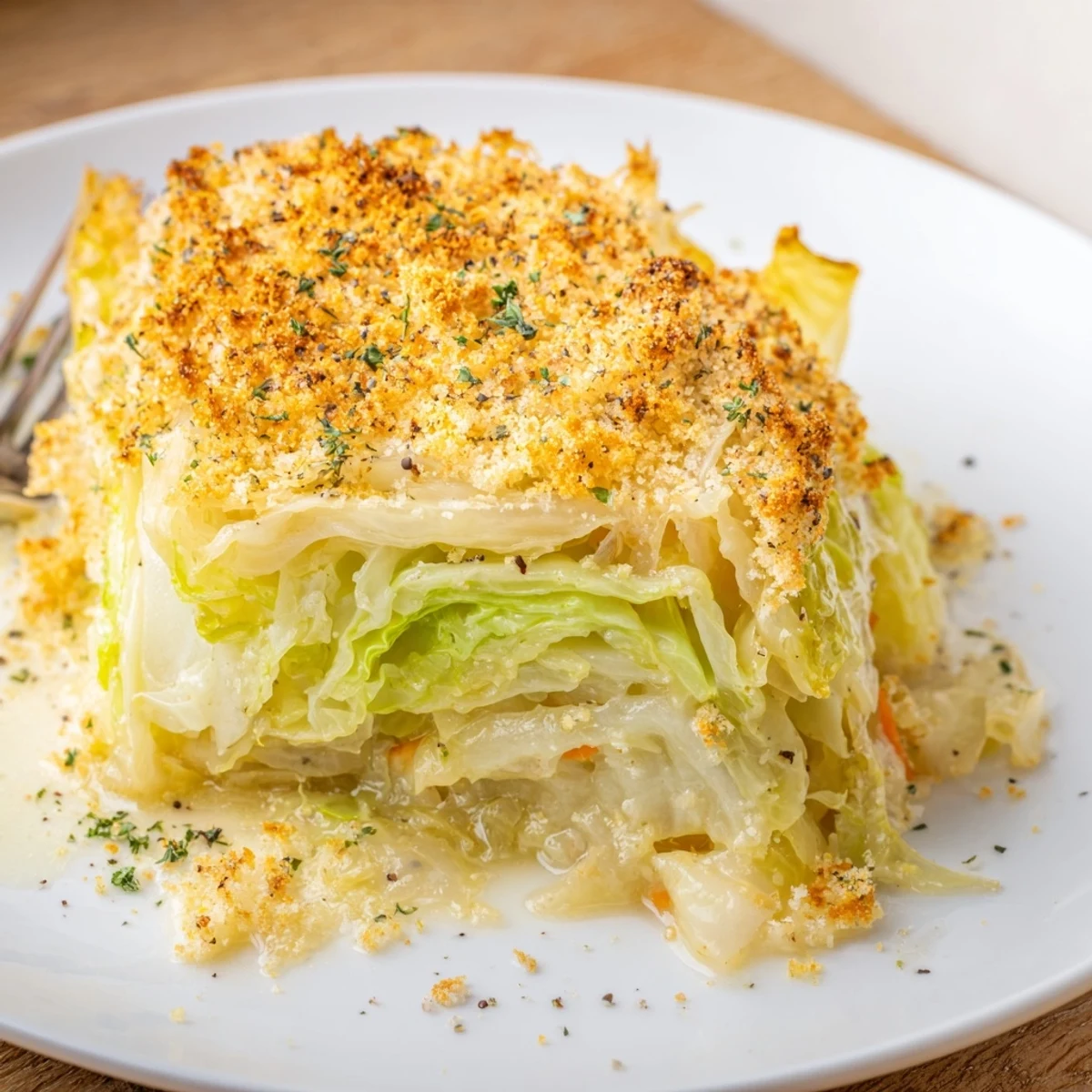
 Slow-roasting thick-cut cabbage softens leaves and deepens natural sweetness while layered sauerkraut adds bright tang. Sautéed onions, garlic and grated carrot bring aromatic depth; a sour cream and egg custard keeps the bake creamy. Topped with buttered breadcrumbs and baked until golden, it rests briefly to set. Swap plant-based cream for a vegan version or add smoked sausage for richness.
The smell of cabbage roasting low and slow is one of those underrated kitchen perfumes that sneaks up on you and fills every corner of the house. My neighbor actually knocked on my door once asking what was baking because the aroma had drifted through the shared wall. There is something deeply satisfying about taking humble ingredients and transforming them into a dish that feels like a warm blanket on a cold evening.
I made this for a potluck dinner in the dead of January when everyone was tired of heavy roasts and needed something honest and grounding. A friend who grew up in Bavaria took one bite, closed her eyes, and said it reminded her of her grandmothers kitchen in Munich.
Ingredients
- 1 medium green cabbage (about 2 lbs), cored and thickly sliced: The star of the dish, choose one that feels heavy for its size with tightly packed leaves.
- 2 cups sauerkraut, drained and rinsed: Rinsing tames the sharpness just enough so it blends rather than fights with the other flavors.
- 1 large onion, thinly sliced: Sweetness and depth come from patient onion cooking, do not rush this part.
- 3 garlic cloves, minced: Fresh garlic makes a noticeable difference here, skip the jarred version.
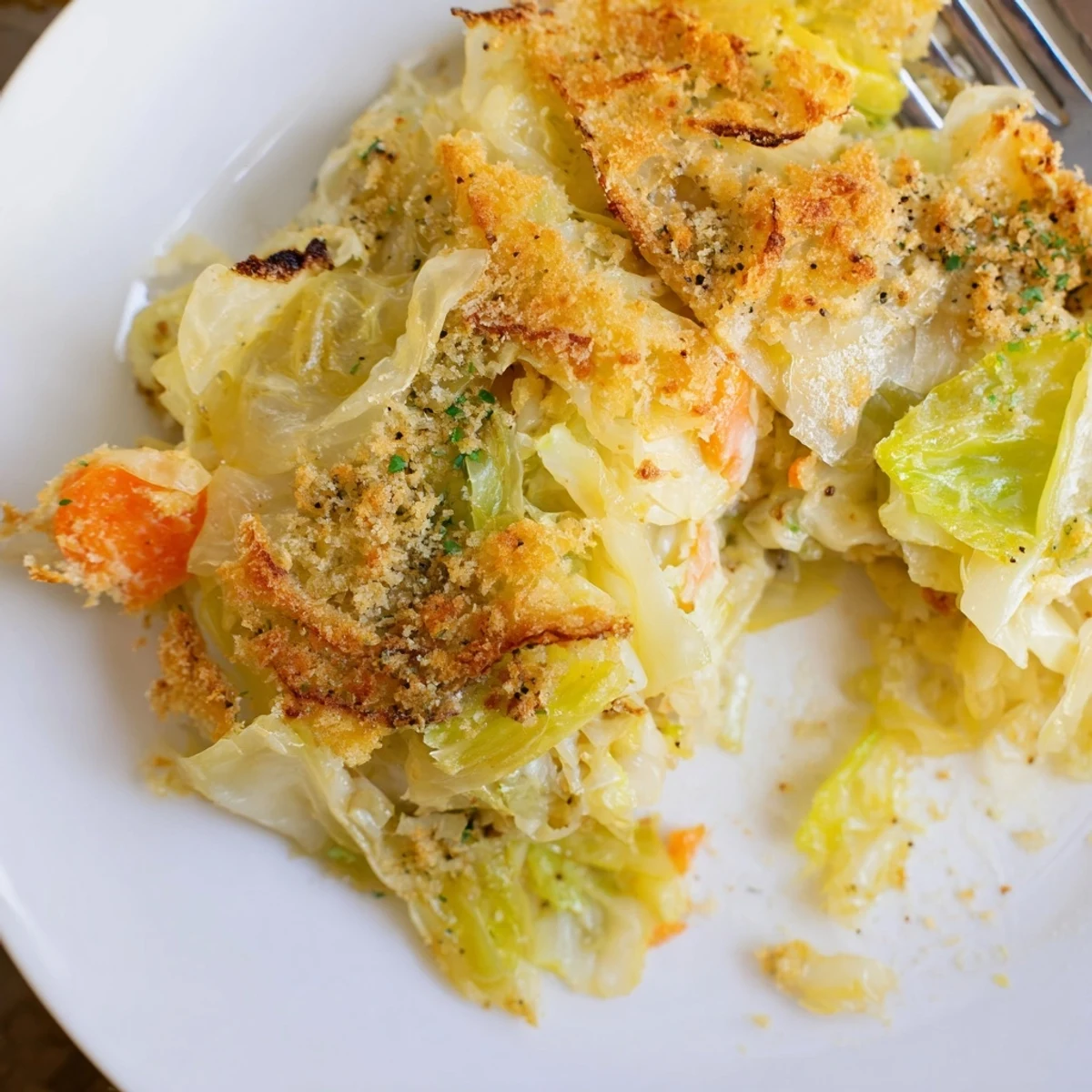
- 2 medium carrots, grated: They add subtle sweetness and a lovely golden fleck throughout the layers.
- 1 cup sour cream: This creates the rich creamy binder that holds everything together in the oven.
- 2 large eggs: They set the custard like base that makes each slice hold its shape.
- 3 tbsp olive oil: Good quality oil matters since the flavor carries through the long roast.
- 1 cup vegetable broth: Keeps everything moist during the long bake without drowning the vegetables.
- 1 tsp caraway seeds (optional): Totally optional but they add an authentic German bakery warmth that ties it all together.
- Salt and freshly ground black pepper: Season generously at each layer for the best flavor distribution.
- 1 cup breadcrumbs: Use gluten free if needed, they create that irresistible golden cap on top.
- 2 tbsp melted butter: Mixed with the crumbs for a crunchy, buttery finish worth every calorie.
Instructions
- Preheat and prep:
- Set your oven to 325°F (165°C) and grease a large casserole dish with one tablespoon of olive oil, making sure to coat the corners well.
- Build the flavor base:
- In a large skillet, heat the remaining olive oil over medium heat and cook the sliced onion until it turns soft and translucent, about 5 minutes, then stir in the garlic and grated carrots for 2 more minutes until fragrant.
- Layer with intention:
- Place half the cabbage in the dish, top with half the sauerkraut and half the sauteed vegetables, season well, then repeat the layers one more time pressing gently so everything nestles together snugly.
- Pour the creamy sauce:
- Whisk the sour cream, eggs, and vegetable broth in a bowl until silky smooth, then pour it evenly across the surface, letting it seep down into the layers naturally.
- Slow roast covered:
- Cover the dish tightly with foil and slide it into the oven for 1 hour and 30 minutes, resisting the urge to peek, as the trapped steam works magic on those cabbage layers.
- Finish with crunch:
- Toss the breadcrumbs with melted butter, remove the foil, scatter the crumbs over the top, and bake uncovered for 30 more minutes until golden and gloriously bubbling at the edges.
- Rest and serve:
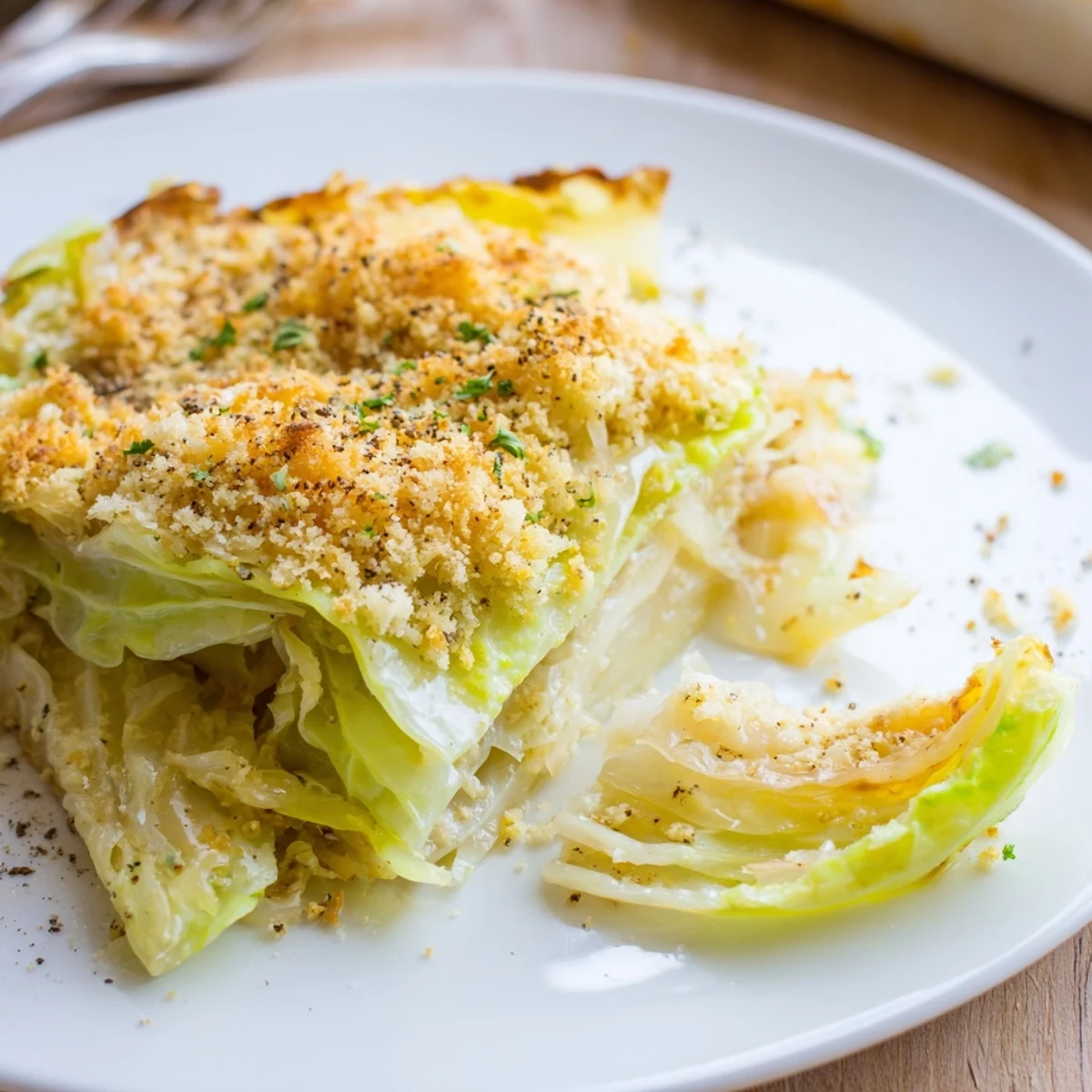
- Let it stand for 10 minutes before cutting so the layers settle and each slice comes out clean and beautiful.
 Save to Pinterest
 That potluck evening turned into an impromptu recipe swap where three people wrote this down on napkins, and it has been on my winter rotation ever since.
Serving Suggestions That Actually Work
A thick slice of dense rye bread alongside this casserole is nonnegotiable in my house, perfect for soaking up every bit of that tangy creamy sauce. A smear of spicy German mustard on the bread cuts through the richness beautifully and balances each bite.
Making It Your Own
My brother swears by adding diced smoked sausage between the layers, and honestly it transforms the dish into something heartier for meat lovers at the table. For a vegan version, plant based sour cream and a flax egg substitute work surprisingly well without losing the comforting texture.
Storing and Reheating Like a Pro
This casserole is one of those rare dishes that genuinely tastes better on day two when the flavors have had time to mingle and settle overnight in the fridge.
- Store covered in the refrigerator for up to 4 days and reheat individual portions in the oven at 350°F to restore the crunchy top.
- Freeze individual slices wrapped tightly in foil for up to 2 months, though the texture of the topping softens slightly.
- Always let a frozen portion thaw overnight in the fridge before reheating for the most even results.
 Save to Pinterest
 This is the kind of unassuming dish that wins people over bite by bite until they are scraping the dish clean and asking when you will make it again.
Recipe FAQs
- → How do I prevent a soggy bottom?
-
Drain and briefly dry the sauerkraut, and sauté the onion mixture until moisture is reduced. Pour the custard evenly and roast uncovered for the final 30 minutes to evaporate excess liquid and brown the top.
- → Which cabbage is best to use?
-
A firm green cabbage holds up well to slow roasting; cut thick slices so the leaves soften without turning to mush and retain structure in the bake.
- → Can I make it vegan?
-
Yes. Use plant-based sour cream and replace eggs with a flaxseed slurry or a commercial egg replacer; bake as directed and check for set before finishing with breadcrumbs.
- → How far ahead can I assemble it?
-
Assemble and cover, then refrigerate up to 24 hours. Allow the dish to come closer to room temperature before baking and add the breadcrumb topping in the last stage to keep it crisp.
- → Any tips for a crisp breadcrumb topping?
-
Toss breadcrumbs with melted butter before sprinkling, and add them only for the final uncovered bake. Using panko or lightly toasting breadcrumbs first gives extra crunch.
- → What pairs well with this dish?
-
Serve with hearty rye or grain bread, sharp mustard, or grilled smoked sausage for a traditional contrast; a simple green salad brightens the plate.