
 Save to Pinterest
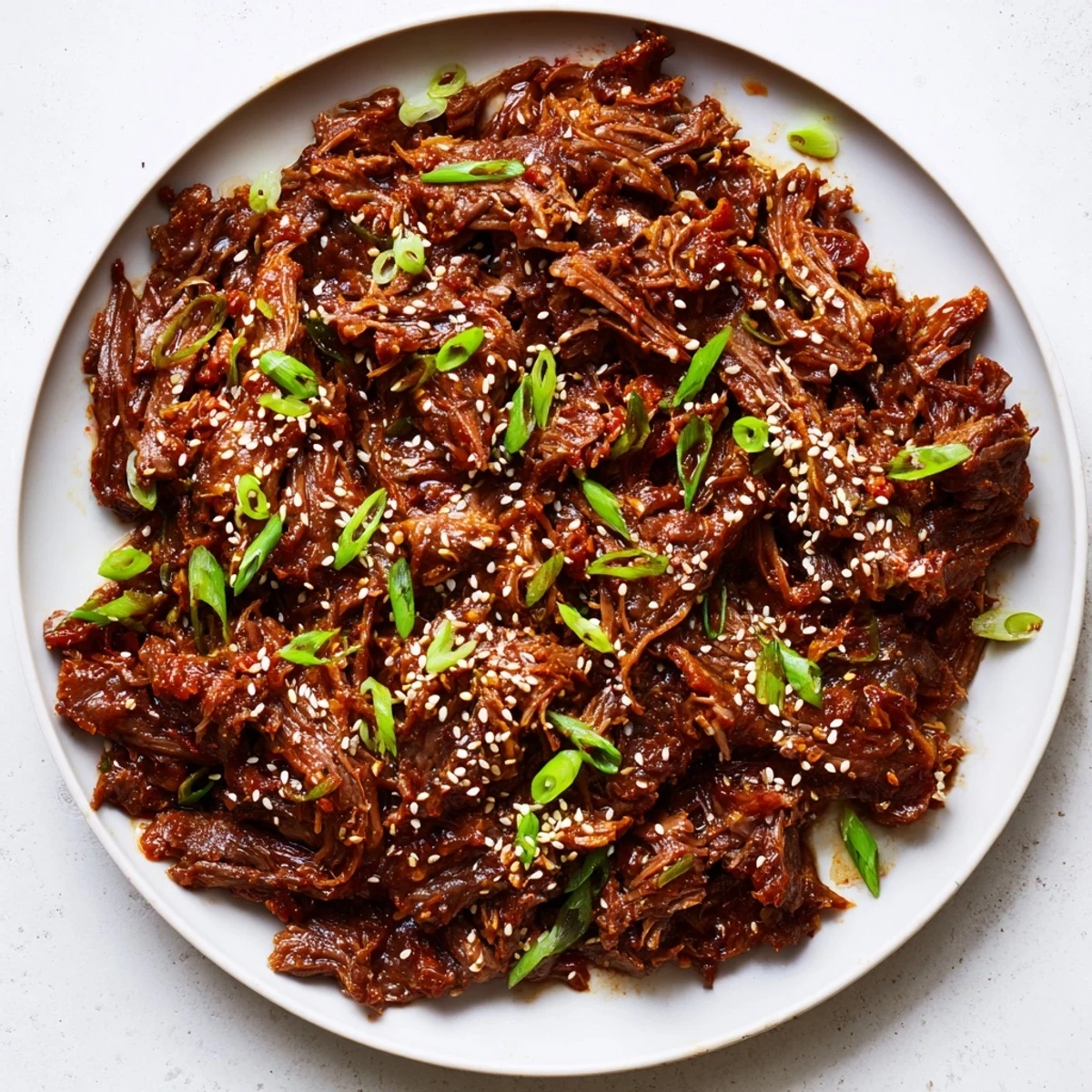
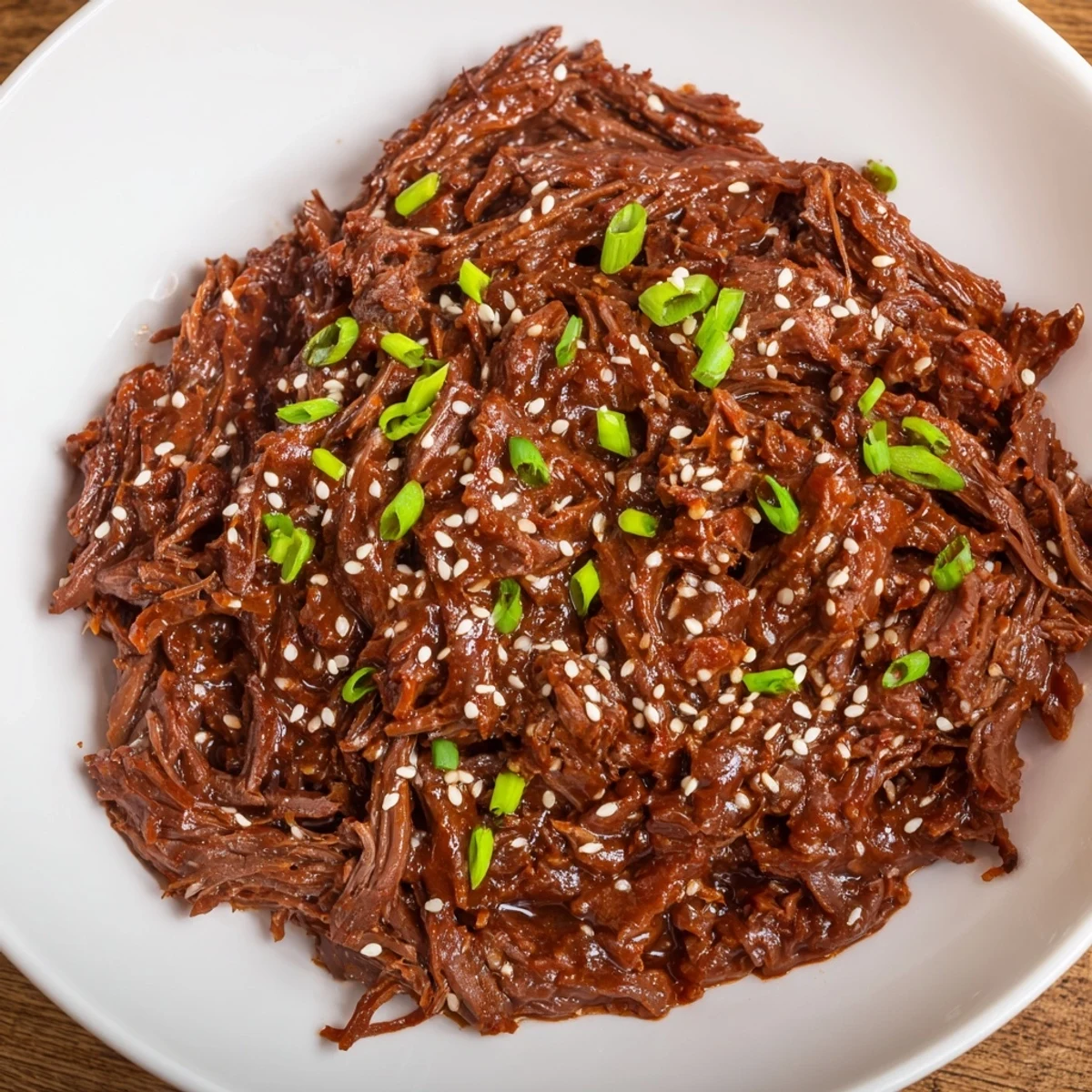
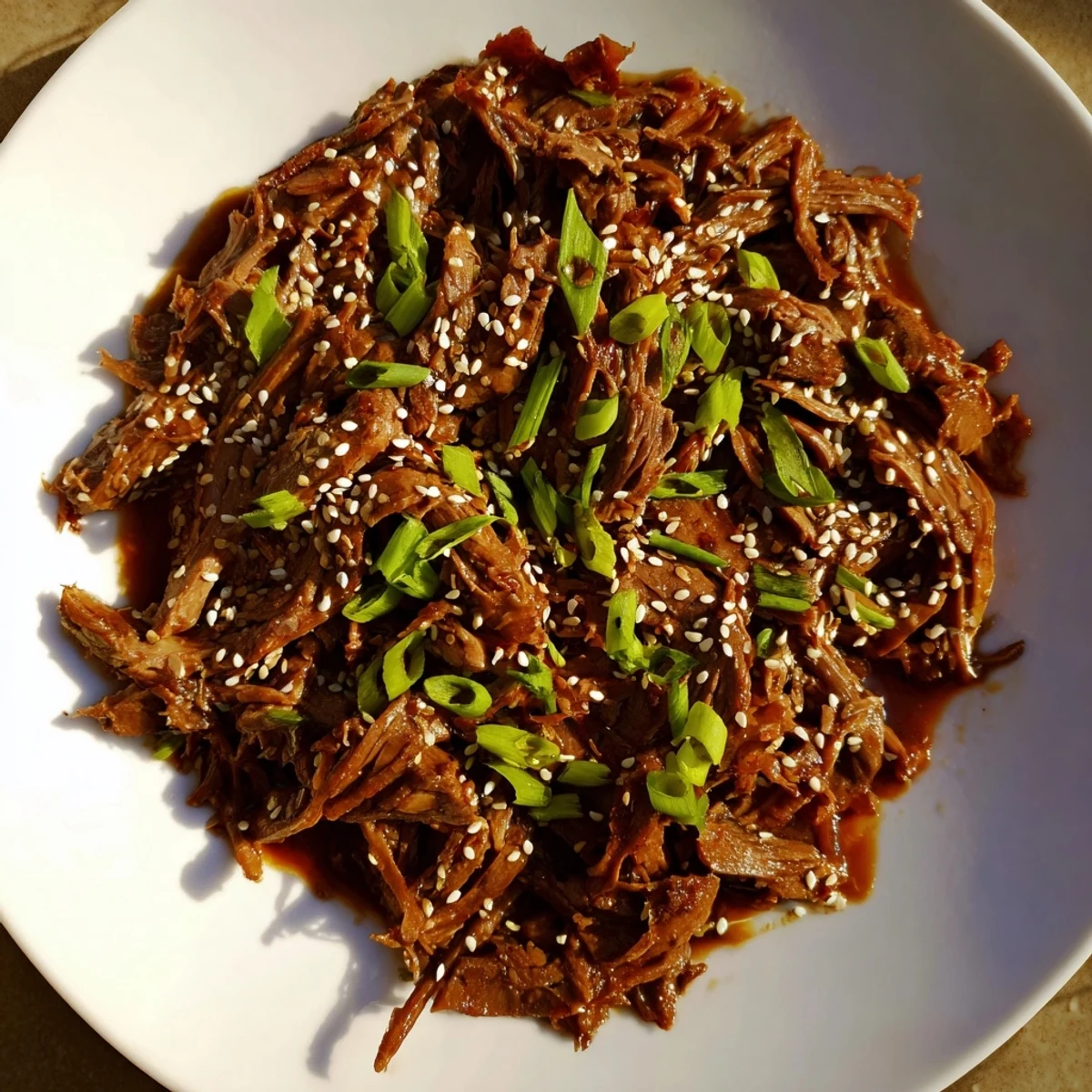
 This dish features succulent beef chunks slow-cooked in a flavorful Korean-inspired sauce combining soy, brown sugar, garlic, ginger, and gochujang. The long, gentle cooking method transforms the beef into tender, shreddable pieces infused with sweet, savory, and spicy notes. Served best over steamed rice or wrapped in crisp lettuce leaves, garnished with green onions and toasted sesame seeds for texture and aroma.
Optional additions like pear puree add depth, while substitutions such as tamari accommodate gluten-free diets. This easy-to-prepare meal delivers rich flavors with minimal hands-on time, making it perfect for relaxed dining or gatherings.
The first time I made this Korean beef, my apartment smelled so incredible that my neighbor knocked on my door thinking I had ordered takeout from that famous place downtown. I laughed and invited her in for a taste, watching her eyes widen when I told her it had been simmering away all day while I was at work. Now it is my go-to for those weeks when I want something that feels fancy but requires almost zero effort.
Last winter I served this at a small dinner party when my sister visited from out of town. She kept sneaking forkfuls straight from the slow cooker while we were supposedly waiting for the rice to finish steaming. Now whenever she visits, this is the first request she makes before even unpacking her bag.
Ingredients
- Beef chuck roast: This cut has just the right amount of marbling to stay juicy through hours of slow cooking, and shredding it creates those perfect tender strands that soak up all that sauce
- Low-sodium soy sauce: Using low-sodium lets you control the salt level since the sauce reduces and concentrates as it cooks
- Brown sugar: The molasses in brown sugar gives the sauce a deeper caramel note that white sugar just cannot replicate
- Rice vinegar: Adds a subtle brightness that cuts through the richness and keeps every bite from feeling too heavy
- Sesame oil: A little goes a long way, and that toasted nutty flavor is what makes this taste authentically Korean
- Freshly grated ginger: I have tried jarred ginger in a pinch, but freshly grated gives such a warm zing that makes the whole dish come alive
- Gochujang: This Korean chili paste brings a gentle heat and complexity that builds depth without overwhelming the other flavors
- Green onions: Cooking half with the beef infuses them into the sauce, while saving the rest fresh for garnish adds a crisp onion bite on top
Instructions
- Whisk together the sauce:
- In a medium bowl, combine the soy sauce, brown sugar, water, rice vinegar, sesame oil, grated ginger, minced garlic, gochujang, and toasted sesame seeds, whisking until the sugar completely dissolves and the mixture feels smooth and cohesive.
- Prepare the beef:
- Place the beef chunks in your slow cooker, then pour that gorgeous sauce over the top, using tongs to turn the pieces so every surface gets coated in that glossy red mixture.
- Add aromatics:
- Scatter half of the sliced green onions across the top and let them settle down into the sauce where they will release all their savory goodness as everything cooks.
- Let it cook:
- Cover and cook on low for 7 hours, resisting the urge to lift the lid too often, until the beef is tender enough that it practically shreds itself when you touch it with a fork.
- Shred and coat:
- Use two forks to pull the beef apart right in the slow cooker, stirring it around so all those shredded pieces get completely saturated in the thickened sauce.
- Serve it up:
- Pile the beef over steamed rice, tuck it into lettuce cups for a lighter option, or serve alongside simple steamed vegetables, finishing with those fresh green onions, sesame seeds, and chili if you want some extra color and heat.
 Save to Pinterest
 This recipe has become my comfort food of choice whenever life feels overwhelming. There is something profoundly satisfying about dumping ingredients into a pot and coming home hours later to a meal that tastes like you spent all day laboring over it.
Making It Your Own
Once you have made this a few times, you will start noticing how small tweaks change the character of the dish. Sometimes I add a splash of extra rice vinegar at the end when I want more brightness, or an extra spoonful of gochujang when I am craving more heat.
Serving Ideas
Beyond rice, this beef works beautifully tucked into tortillas for Korean-style tacos, piled onto baked sweet potatoes, or even spooned over ramen noodles for an incredibly quick and satisfying upgrade to instant noodles.
Make-Ahead Magic
This recipe actually tastes better the next day when the flavors have had more time to meld and penetrate deeply into the beef. I often make it on Sunday and portion it out for effortless lunches throughout the week that I never get tired of eating.
- Freeze the cooled beef in portion-sized containers with some sauce for those nights when cooking is absolutely not happening
- Thaw overnight in the refrigerator and reheat gently with a splash of water to loosen the sauce
- The texture stays surprisingly good after freezing, unlike some beef dishes that can become grainy
 Save to Pinterest
 There is something so rewarding about a recipe that delivers far more than it demands. This Korean beef has that magical quality of making you feel like a accomplished cook with almost no effort at all.
Recipe FAQs
- → How long should the beef cook for optimal tenderness?
-
Cooking the beef on low heat for about 7 hours allows the meat to become tender and easily shreddable, absorbing all the sauce flavors deeply.
- → Can I use a different cut of beef for this dish?
-
Beef chuck roast is ideal due to its marbling and connective tissue, which break down during slow cooking, but other tougher cuts suitable for slow cooking can also work.
- → What role does gochujang play in the sauce?
-
Gochujang adds a balanced heat and umami depth with its fermented chili paste character, giving the sauce a distinctive Korean flair.
- → How can I make this dish gluten-free?
-
Substitute low-sodium soy sauce with tamari and ensure the gochujang is gluten-free to keep the flavors intact without gluten.
- → What are some suitable serving suggestions?
-
Serve the tender beef over steamed rice, wrapped in crisp lettuce leaves, or alongside steamed vegetables for a satisfying meal.
- → How should leftovers be stored?
-
Store leftovers in an airtight container in the refrigerator for up to 3 days or freeze for up to 3 months to preserve flavor and texture.