
 Save to Pinterest
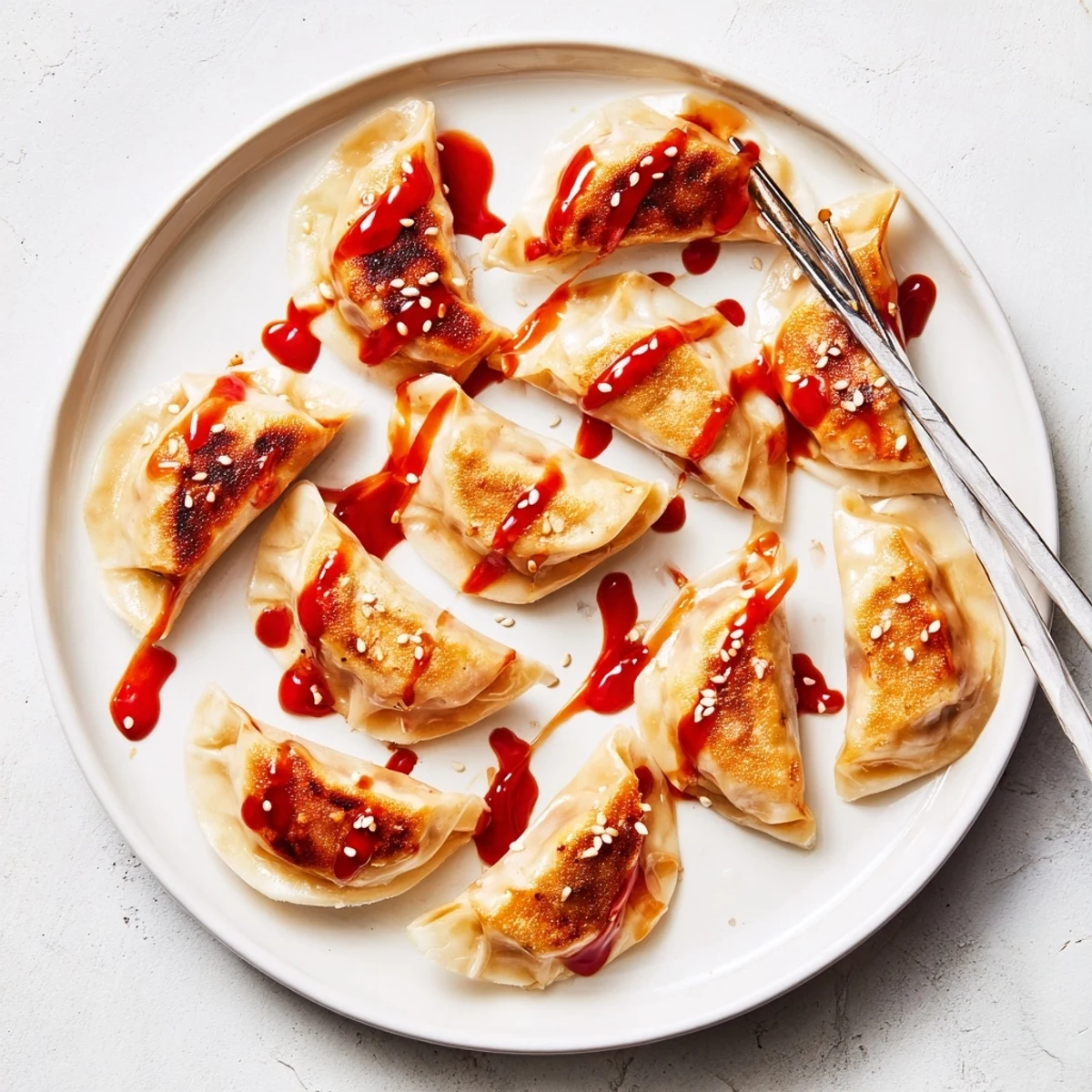
 These Korean-style beef dumplings feature a savory filling of ground beef, napa cabbage, and aromatics wrapped in delicate skins and pan-fried until golden and crisp. The sweet-spicy gochujang glaze adds a glossy finish that balances rich flavors with a hint of heat. Perfect for appetizers or a main course, these mandu deliver restaurant-quality results at home.
The sizzle of mandu hitting a hot pan is one of those sounds that instantly pulls me into the kitchen, feet shuffling, mouth already watering. My friend Soojin taught me the folding technique one rainy afternoon in her tiny apartment, laughing at my lopsided first attempts until we both had tears streaming down our faces. That day changed how I think about dumplings forever, turning them from freezer aisle convenience into something deeply personal and worth every minute of folding.
I made these for a neighborhood potluck last fall and watched a woman named Clara eat seven of them standing up before she even set her dish down on the table. She tracked me down later for the recipe, and now we text each other dumpling folding photos like proud grandparents. Food builds bridges in the most unexpected ways.
Ingredients
- 300 g ground beef: Choose something with a little fat content, around 80/20, because lean beef makes the filling dry and crumbly.
- 1 cup napa cabbage, finely chopped: Salt it lightly and squeeze out excess moisture so your dumplings do not turn soggy inside.
- 1/2 cup onion, finely chopped: The onion melts into the filling and adds a subtle sweetness that balances the soy and sesame.
- 2 green onions, thinly sliced: Add these last so they stay bright and fresh tasting throughout the filling.
- 2 garlic cloves, minced: Fresh garlic only, the jarred stuff lacks the punch that makes mandu filling sing.
- 1 tbsp ginger, grated: Use a microplane for a fine paste that distributes evenly without chunks.
- 1 tbsp soy sauce: This seasons the filling from within, so do not be tempted to skip it.
- 1 tbsp toasted sesame oil: The aromatic backbone of the entire filling, and a little goes a long way.
- 1 tbsp mirin (optional): Adds a gentle sweetness and helps tenderize the beef as it sits.
- 1 tsp sugar: Just enough to round out the saltiness and enhance the natural flavors.
- 1/4 tsp ground black pepper: Freshly cracked is always better, but regular works fine here.
- 1 egg: Binds everything together so your filling holds its shape inside the wrapper.
- 30 round dumpling wrappers: Keep them covered with a damp towel while working so they do not dry out and crack.
- 2 tbsp gochujang: Korean red pepper paste brings depth, umami, and a gentle heat that builds slowly.
- 2 tbsp honey: Balances the fermented funk of gochujang and helps the glaze thicken into a glossy coating.
- 1 1/2 tbsp soy sauce (for glaze): Salty anchor for the sweet and spicy elements to rally around.
- 1 tbsp rice vinegar: A bright acidity that keeps the glaze from feeling cloying or heavy.
- 1 tbsp sesame oil (for glaze): Extra nuttiness that ties the glaze back to the filling flavors.
- 1 tsp garlic, minced (for glaze): Raw garlic in the glaze adds a sharp little kick that cooked garlic cannot replicate.
- 2 to 3 tbsp vegetable oil: A neutral oil with a high smoke point is essential for getting that golden crust.
Instructions
- Mix the filling:
- Combine the ground beef, drained napa cabbage, onion, green onions, garlic, ginger, soy sauce, sesame oil, mirin, sugar, pepper, and egg in a large bowl. Use your hands to mix everything until it feels cohesive and evenly seasoned, about two minutes of squishing and folding.
- Fill and fold:
- Place a wrapper in your palm and spoon a rounded teaspoon of filling into the center. Dip your finger in water and run it around the edge, then fold into a half moon and pinch firmly, pleating one side if you are feeling fancy.
- Make the glaze:
- Stir gochujang, honey, soy sauce, rice vinegar, sesame oil, and garlic together in a small saucepan over low heat until it bubbles gently and thickens slightly, about two to three minutes, then set aside.
- Fry and steam:
- Heat oil in a large nonstick skillet over medium high heat and arrange mandu in a single layer. Cook until the bottoms are deeply golden, about two to three minutes, then pour in a quarter cup of water, slap on the lid, and let them steam for three to four minutes.
- Crisp and finish:
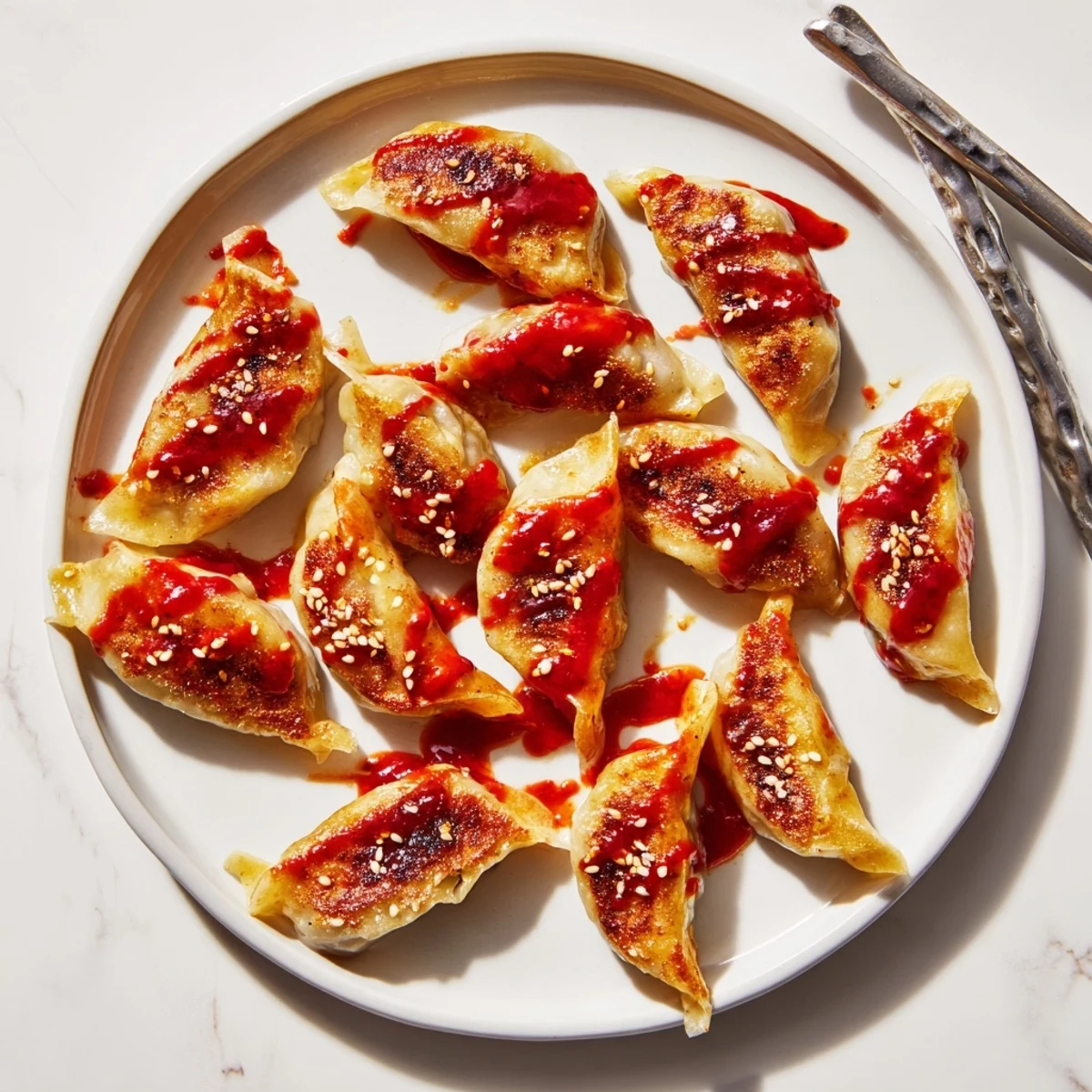
- Take off the lid and let the remaining water cook off so the bottoms go crisp again, about one to two minutes more. Transfer to a plate, drizzle generously with warm glaze, sprinkle with sesame seeds, and serve immediately while the contrast of textures is at its peak.
 Save to Pinterest
 There is something quietly powerful about sitting around a table with a plate of dumplings between you and someone else, no pretense required. On a cold Tuesday night last January, my partner and I ate these cross legged on the living room floor with nothing but a single lamp on, and it remains one of my favorite meals of the year.
Freezing for Later
Arrange uncooked mandu on a parchment lined tray so none of them touch, and freeze them solid for about an hour before transferring to a zip top bag. Cook them straight from frozen with the same method, just add an extra minute or two to the steaming step and resist the urge to thaw them first.
Serving Suggestions
Pickled radish cuts through the richness of the beef and glaze with its clean acidity, and a small mound of kimchi on the side adds a fermented crunch that makes everything feel more complete. A bowl of simple miso soup alongside turns these from a snack into a proper meal without much extra effort.
Common Mistakes to Avoid
The biggest pitfalls are usually small oversights that compound quickly once the pan gets hot. Pay attention to these details and your first batch will turn out as well as your fiftieth.
- Wet cabbage in the filling turns your dumplings into sad little water balloons.
- A lid that does not fit tightly lets steam escape and leaves the wrappers chewy instead of tender.
- Crowding the pan drops the temperature and steaming instead of frying, so work in batches if needed.
 Save to Pinterest
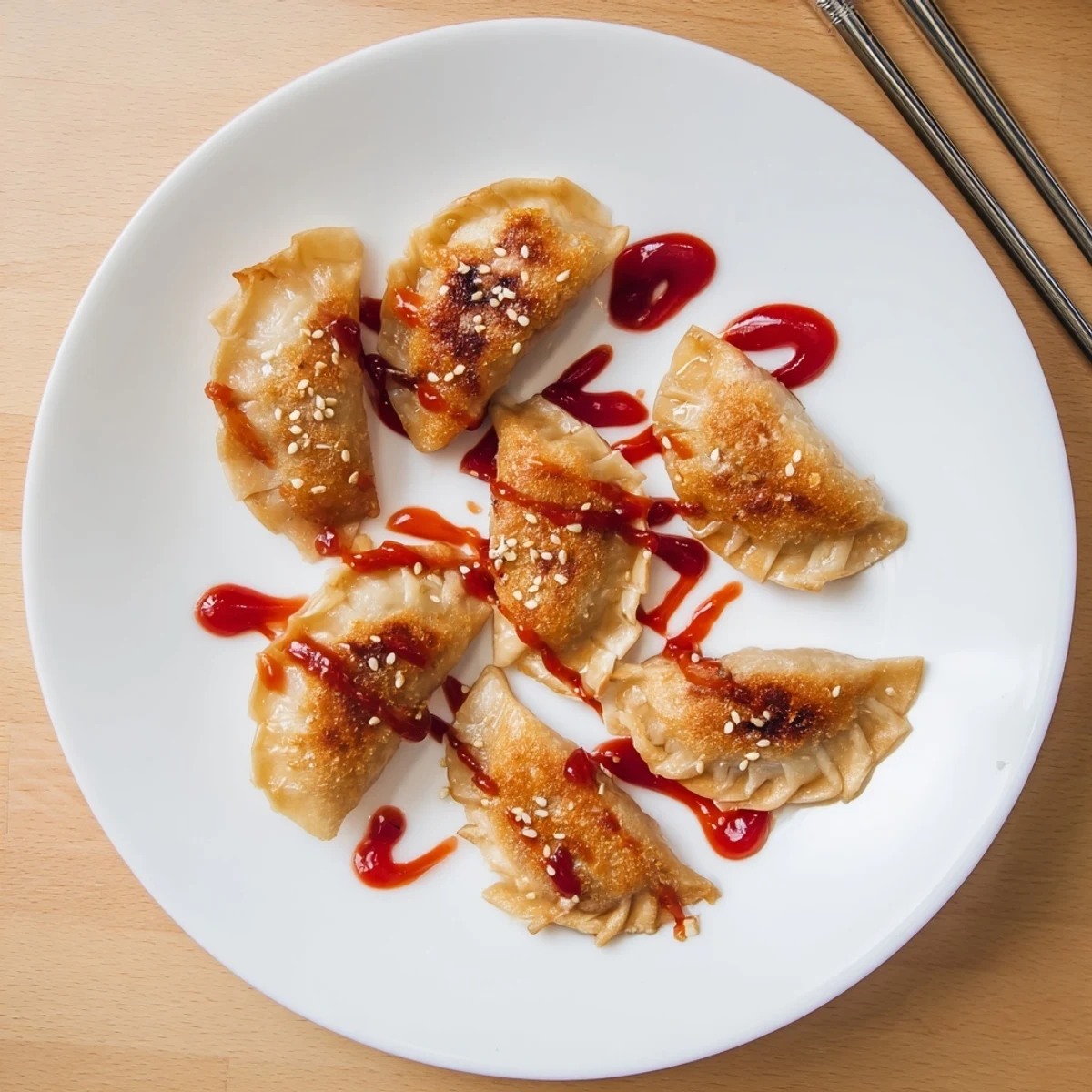
 Every fold is a small act of care, and whoever ends up biting into these will taste that effort immediately. Make a mess, laugh at your ugly dumplings, and enjoy every crispy, saucy bite.
Recipe FAQs
- → What makes mandu different from other dumplings?
-
Mandu are Korean dumplings typically filled with meat and vegetables. They're often pan-fried to create a crispy bottom while keeping the top tender, distinct from steamed Chinese dumplings or boiled Italian varieties.
- → Can I make these dumplings ahead of time?
-
Yes, assemble the mandu and freeze them uncooked on a baking sheet before transferring to a freezer bag. Cook from frozen by adding 1-2 extra minutes to the steaming time.
- → What can I substitute for gochujang?
-
Mix red pepper flakes with miso paste and a touch of sugar for a similar spicy-sweet profile. Sriracha combined with a small amount of miso also works in a pinch.
- → How do I prevent dumplings from sticking to the pan?
-
Use a well-seasoned nonstick skillet and ensure the oil is hot before adding the mandu. Don't overcrowd the pan, and let them develop a golden crust before attempting to move them.
- → What sides pair well with these dumplings?
-
Serve with pickled radish, kimchi, or a simple cucumber salad dressed with rice vinegar and sesame seeds. A light soup such as manduguk also makes a complete meal.
- → Can I boil these instead of frying?
-
Yes, drop the mandu into boiling water for 3-4 minutes until they float, then drain. The texture will be softer without the crispy bottom, and the glaze can still be drizzled over the top.