
 Save to Pinterest
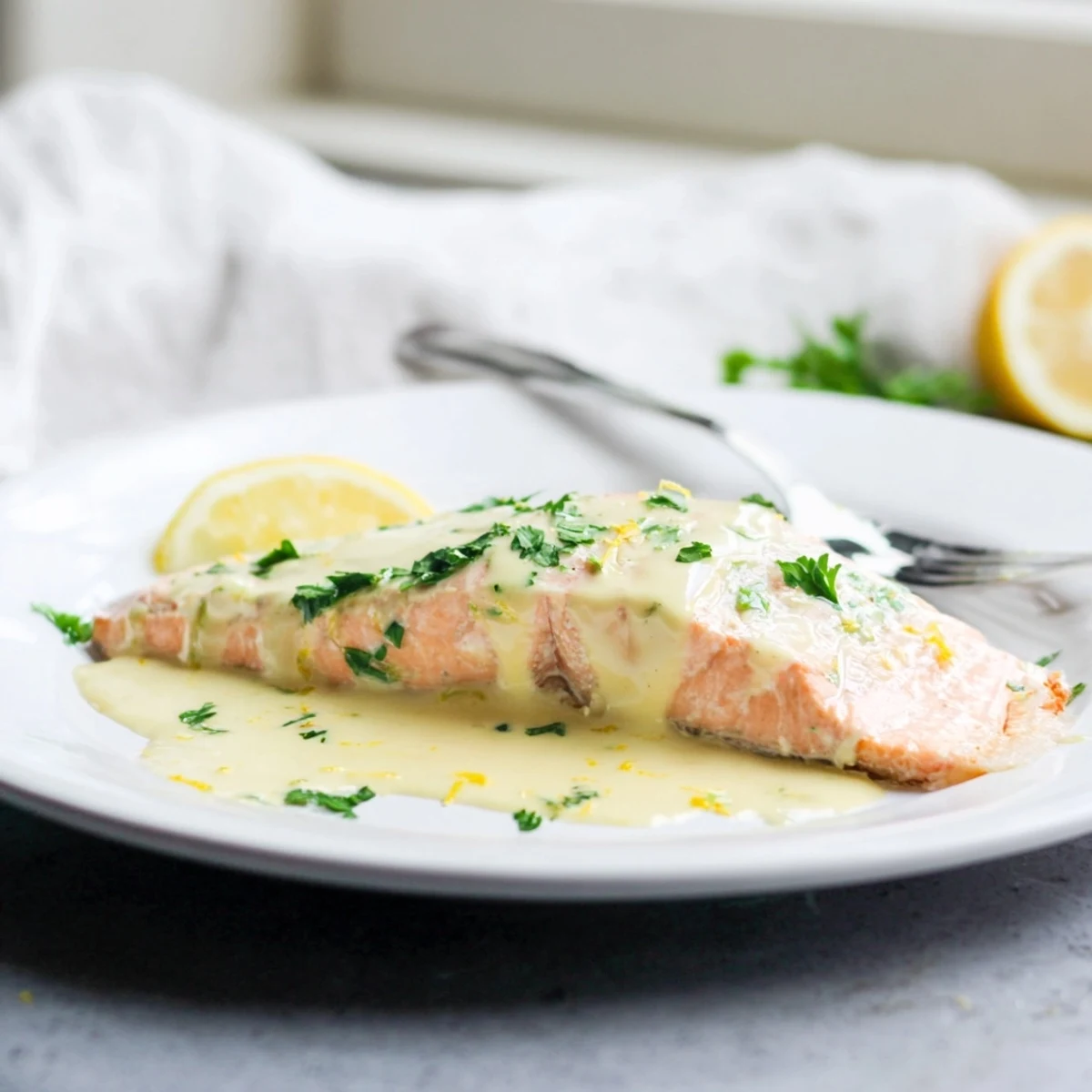
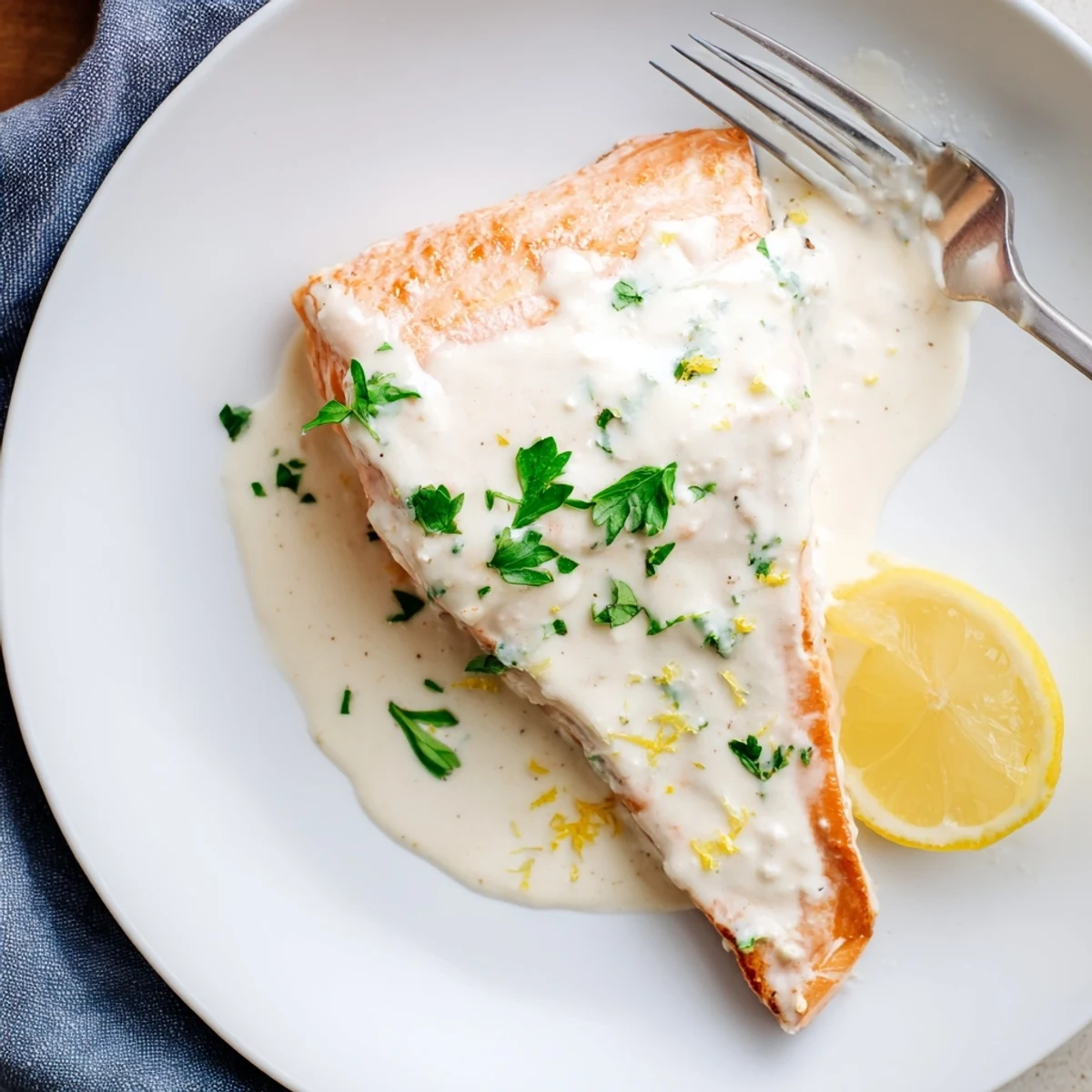
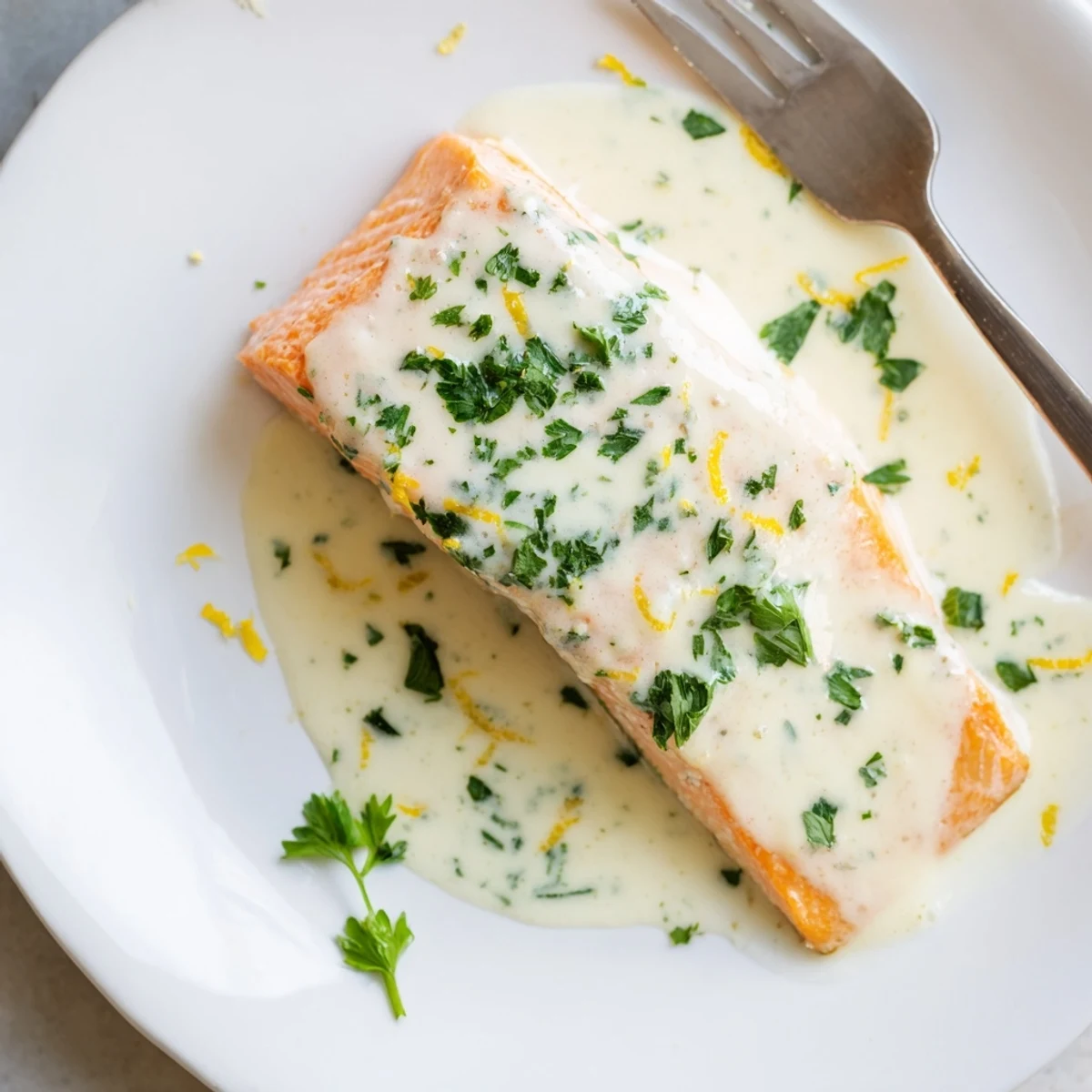
 This elegant yet accessible dish features perfectly pan-seared salmon fillets crowned with a vibrant lemon cream sauce. The sauce, enriched with butter, heavy cream, garlic, and fresh lemon, creates a luxurious complement to the tender fish. Ready in just 30 minutes, this main course suits both casual weeknight dinners and special occasions. The balance of bright citrus notes and rich cream creates a sophisticated flavor profile that feels restaurant-quality while remaining approachable for home cooks of all skill levels.
The sizzle of salmon hitting a hot pan is one of those sounds that instantly makes a kitchen feel alive, and on a rainy Tuesday evening last March, that sound rescued an otherwise forgettable week.
My neighbor stopped by unexpectedly that evening and ended up staying for dinner, fork in hand, standing at the counter because the table felt too formal for something this comforting.
Ingredients
- 4 skinless salmon fillets, about 170 g each: Try to grab fillets of similar thickness so they cook evenly without you babysitting each piece differently.
- 2 tablespoons butter: This is the foundation of the sauce, so use real butter if you can.
- 2 cloves garlic, minced: Fresh garlic makes a difference here, and one extra clove never hurt anyone.
- 1 cup heavy cream: The richness balances the lemon beautifully, and you can swap half and half if you want something lighter.
- Zest of 1 lemon: Zest before you juice, and use a light hand because the oils are where the magic lives.
- 2 tablespoons fresh lemon juice: Roll the lemon on the counter first to get every last drop.
- 1 teaspoon Dijon mustard: Just a tiny amount that ties the whole sauce together without anyone guessing it is there.
- 2 tablespoons fresh parsley, chopped: Add it at the end so it stays bright and vibrant.
- Salt and freshly ground black pepper: Season the salmon generously on both sides before it ever touches the pan.
- 1 tablespoon olive oil: A neutral oil works too, but olive oil adds a subtle fruitiness that complements the fish.
Instructions
- Prep the salmon:
- Pat each fillet dry with paper towels and season both sides with salt and pepper, pressing gently so the seasoning adheres.
- Get a beautiful sear:
- Heat the olive oil in a large nonstick skillet over medium high heat until it shimmers, then lay the salmon in carefully and let it cook undisturbed for 4 to 5 minutes per side until you get a golden crust.
- Build the sauce base:
- Remove the salmon and keep it warm, then reduce the heat to medium, melt the butter, and sauté the garlic for about a minute until your kitchen smells incredible.
- Create the lemon cream:
- Pour in the heavy cream and bring it to a gentle simmer, stirring in the lemon zest, lemon juice, and Dijon mustard, then let it bubble for 3 to 4 minutes until it coats the back of a spoon.
- Finish and serve:
- Stir in the chopped parsley, taste and adjust the seasoning, then return the salmon to the pan and spoon the sauce over the top for 2 to 3 minutes so everything becomes friends.
 Save to Pinterest
 That night my neighbor told me it was the best salmon she had ever eaten, and I think she meant it, or at least the empty plate on my counter suggested she did.
What to Serve Alongside
This dish loves simple company, and steamed green beans or a pile of buttery mashed potatoes soak up the extra sauce like a dream.
A Splash of White Wine
If you have an open bottle of Sauvignon Blanc sitting in the fridge, pour a splash into the sauce right after the garlic softens and let it reduce before adding the cream.
Leftovers and Reheating
Leftover salmon with lemon cream sauce keeps well in the refrigerator for up to two days, though the sauce may thicken considerably when cold.
- Reheat gently in a skillet over low heat with a splash of cream or water to loosen the sauce.
- Avoid the microwave if you can, because it tends to overcook the fish and separate the cream.
- The sauce also makes a fantastic quick pasta dressing the next day if you flake the leftover salmon into it.
 Save to Pinterest
 Some meals are just dinner, and some meals are the reason you close the laptop, light a candle, and decide the evening belongs to you.
Recipe FAQs
- → What is the best way to achieve crispy skin on salmon?
-
While this recipe uses skinless fillets, if cooking with skin-on salmon, start with a cold pan, place the fish skin-side down, and let the skin crisp over medium-high heat for 4-5 minutes before flipping. Pat the skin thoroughly dry before cooking for the crispiest results.
- → Can I make the lemon cream sauce ahead of time?
-
Yes, prepare the sauce up to 2 hours in advance and store it gently warmed in a thermos or over very low heat. The sauce may thicken as it sits, so add a splash of cream or warm water to reach desired consistency before serving.
- → What sides complement this salmon dish?
-
Steamed asparagus, roasted broccoli, or green beans work beautifully for lighter meals. For more substantial sides, consider garlic mashed potatoes, wild rice, or crusty bread to soak up the extra sauce. A simple arugula salad with vinaigrette provides a fresh contrast.
- → How do I know when the salmon is cooked through?
-
Insert a fork into the thickest part of the fillet and twist gently—the fish should flake easily and appear opaque throughout. The internal temperature should reach 145°F (63°C). Remember that salmon continues cooking slightly after removal from heat due to residual heat.
- → Can I substitute the heavy cream for a lighter option?
-
Absolutely. Half-and-half, whole milk with extra butter, or coconut cream for dairy-free versions work well. Keep in mind that lighter dairy options may not thicken as much, so reduce the sauce for an additional minute or two. The sauce will still be flavorful though slightly less rich.
- → What type of salmon works best for this preparation?
-
Fresh Atlantic, sockeye, or king salmon fillets all perform beautifully. Aim for fillets that are evenly thick for consistent cooking. If using frozen salmon, thaw completely in the refrigerator overnight and pat very dry before searing to achieve proper browning.