
 Save to Pinterest
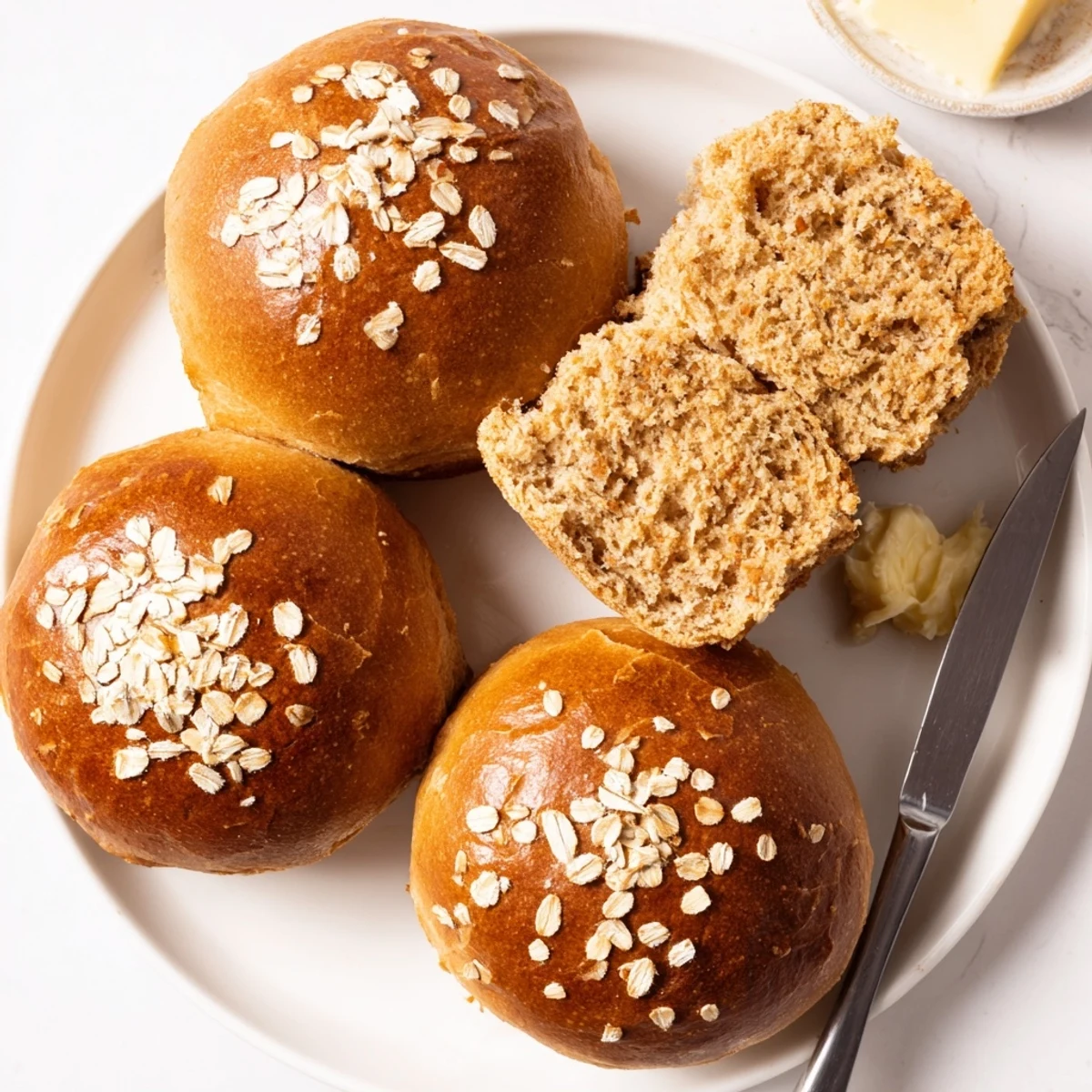
 These rustic oatmeal molasses dinner rolls blend rolled oats and unsulphured molasses with warm milk and yeast for a slightly sweet, tender crumb. Combine dry and wet ingredients, knead until smooth, let rise until doubled, shape into 12 rounds, proof briefly, then bake at 375°F (190°C) for 22–25 minutes until golden. Try half whole wheat flour, brush with butter, or sprinkle oats before baking.
There was a rainy autumn afternoon when the scent of baking bread mixed with the drumming on my window, and I found myself whisking together a batch of oatmeal molasses dinner rolls almost by accident. The hush of the kitchen was only interrupted by the bubbling sound as warm milk met molasses, sticky and fragrant, in the bowl. I never planned it, but sometimes those slow, aimless days make room for comfort foods to find their way in. The first bite—chewy, a little sweet, effortlessly rustic—felt like a quiet triumph over the weather outside.
I served these rolls at a family dinner where the table was crowded, the soup was bubbling, and someone absently kept reaching for more even as stories and laughter flew over the plates. Watching buttery crumbs gather on napkins—and disappear in happy silence—turned this recipe from a kitchen experiment into a mealtime tradition.
Ingredients
- Old-fashioned rolled oats: They bring a toasty, nubbly texture and hold their own in the dough—don’t skip to instant oats, which get mushy.
- All-purpose flour: The more you knead, the better the fluffy structure, but keep extra for dusting so the dough doesn’t stick everywhere.
- Kosher salt: Just enough to balance the sweetness and make the oats taste rich, not bland.
- Instant yeast: It gives the dough a graceful rise with minimal waiting, so your kitchen warms with that fresh bread aroma even faster.
- Warm milk: This needs to be just warm to the touch—if it’s too hot, the yeast will sulk and refuse to rise.
- Molasses (unsulphured): Its deep, almost smoky sweetness turns these from ordinary to memorable, but measure carefully or it can overpower.
- Unsalted butter, melted: Adds richness and keeps the rolls pillowy—save a bit to brush on top for a bakery-worthy sheen.
- Large egg: It brings everything together, making the rolls tender instead of crumbly.
- Extra rolled oats (for topping): Sprinkle them before baking for a homey, golden finish that always impresses guests.
Instructions
- Mix the dry foundation:
- In a roomy bowl, combine oats, flour, salt, and instant yeast. Stir with your hands or a sturdy spoon to make sure every grain is mingled—it almost crunches under the scoop.
- Warm and whisk the wet ingredients:
- Gently heat your milk until you can swirl a finger in without flinching, then blend with molasses, melted butter, and the egg until smooth and glossy.
- Bring the dough together:
- Pour the wet mix into the dry. Stir until a shaggy, sticky dough forms, scraping down the sides so nothing gets left behind.
- Knead into magic:
- Turn the dough onto a floured counter and knead for about 8 minutes—listen for the slap and squeak as the gluten wakes up. It should be springy and a little tacky.
- Give it a cozy rise:
- Settle the dough into a greased bowl, cover, and let it rest somewhere warm for about an hour. By the time you check, it should look sleepily doubled in size and smell faintly sweet.
- Shape and space the rolls:
- Punch the dough down gently, then divide and roll into twelve soft balls. Arrange them on your prepared sheet with little gaps, ready to puff up on their second rise.
- Let them get puffy:
- Cover and let rise for another half hour. You’ll see the rolls swell and bump up against each other like a jigsaw puzzle.
- Add the finishing touches:
- If you like, brush the tops with milk or melted butter before sprinkling on extra oats—this step is pure bread-baker’s joy.
- Bake until golden:
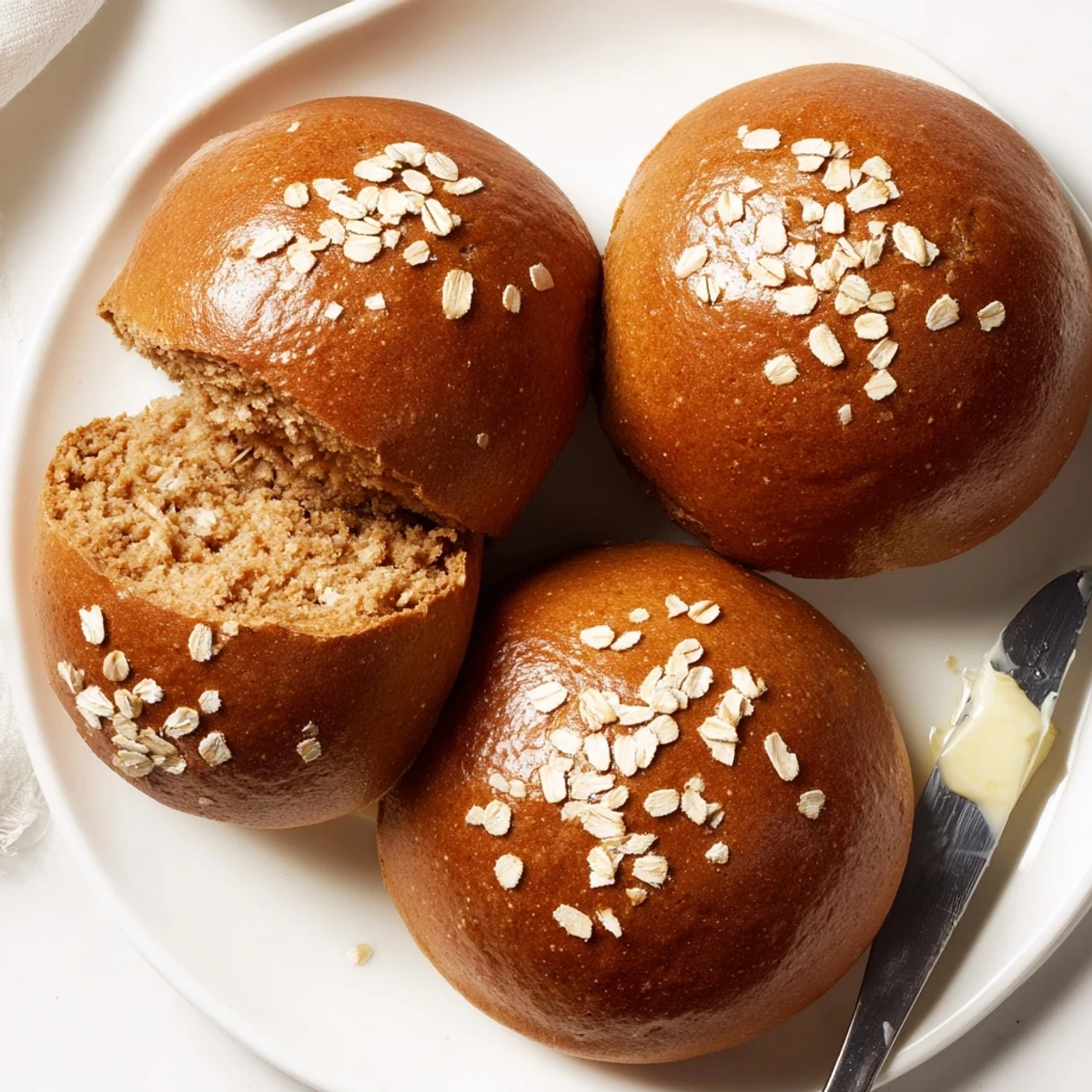
- Slide into a hot oven and bake for 22–25 minutes. When they’re burnished gold and sound hollow when tapped, they’re ready for their moment on the cooling rack.
 Save to Pinterest
 One evening, a friend dropped in unexpectedly just as the rolls came out of the oven. She tore one open, steam billowing, and grinned like she’d found hidden treasure—reminding me how good food quietly brings people together without any planning at all.
Making Bread with Kids (or First Timers)
Letting little hands help sprinkle oats or shape the rolls always ends in giggles and floury noses. The irregular results look beautifully rustic on a serving plate, and the memory sticks longer than any perfectly round roll ever could.
Freezing and Reheating Without Losing Texture
If you manage not to gobble them all at once, wrap the cooled rolls snugly before freezing. A quick reheat in a low oven brings the crust back to life and fills your kitchen with that irresistible fresh-bread smell again.
Serving Ideas for All Occasions
A pat of salted butter turns these into a stand-alone treat, but they also soak up soups and gravies like nothing else. For brunch, I’ve split them and tucked in eggs and greens for a grab-and-go sandwich that makes everyone marvel at your bread-making prowess.
- Let them cool slightly before slicing to keep the inside soft.
- Try a drizzle of honey for a sweet breakfast option.
- If you switch flours, start with half whole wheat so the rolls stay fluffy.
 Save to Pinterest
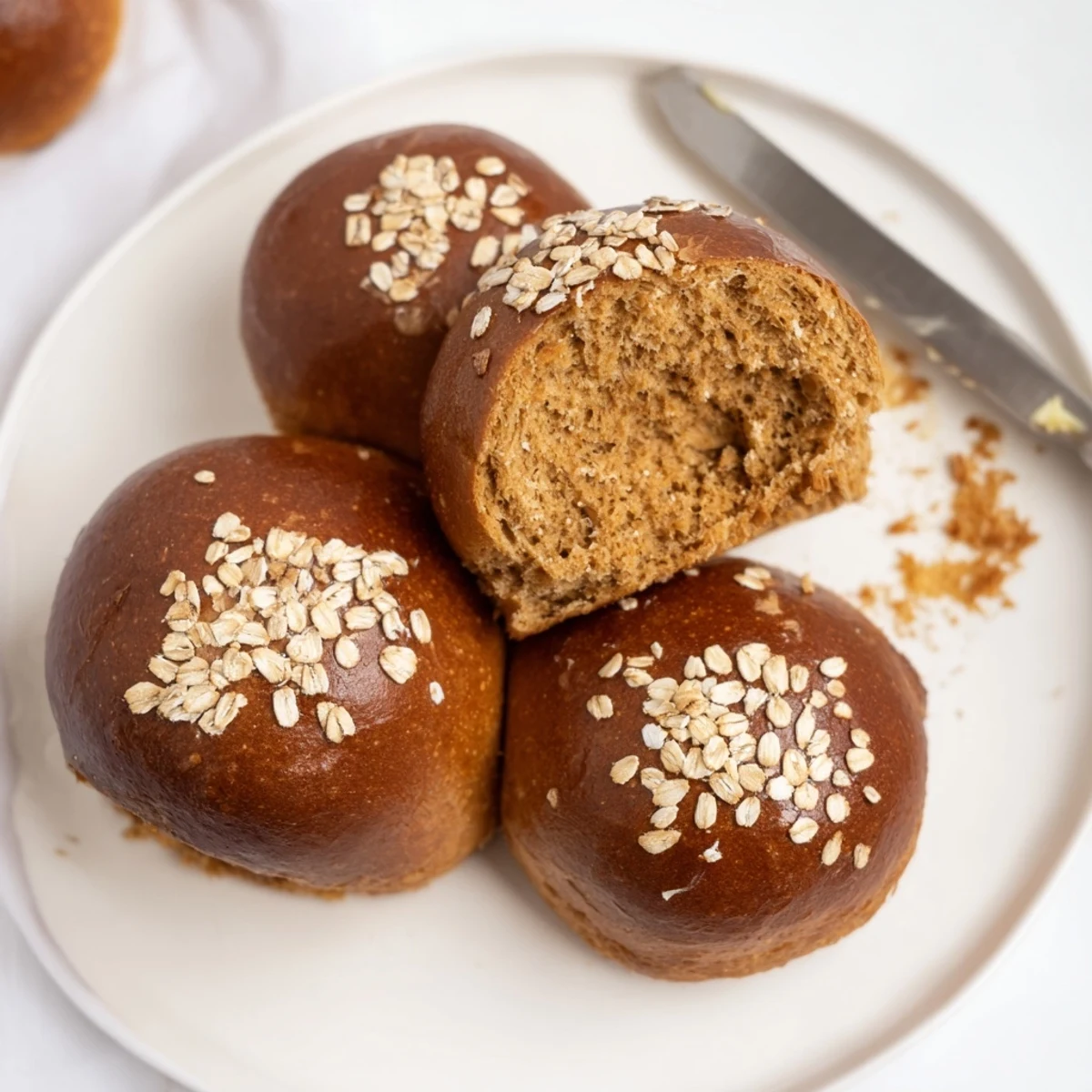
 Whether it’s a slow day or a holiday, there’s something grounding about baking these rolls from scratch. Share them warm, and don’t be surprised if they disappear before you ever reach for the butter.
Recipe FAQs
- → Can I use quick oats instead of rolled oats?
-
Yes, quick oats can be used in a pinch but will absorb liquid differently and produce a softer texture. Reduce soaking time or add a touch more flour if the dough feels too wet.
- → How do I know when the dough has been kneaded enough?
-
The dough should become smooth and elastic and pass the windowpane test when stretched gently. If using a mixer, knead 6–8 minutes; by hand, 8–10 minutes is typical.
- → What temperature should the milk be for activating the yeast?
-
Warm milk around 110°F (43°C) is ideal—comfortably warm to the touch but not hot. Too-hot liquid can kill the yeast; too-cool will slow rising.
- → Can I freeze the rolls and how should I reheat them?
-
Yes. Cool completely, then freeze in an airtight container. Reheat from frozen in a low oven (about 325°F/160°C) until warmed through, or thaw and refresh at 350°F (175°C) for 8–10 minutes.
- → How can I deepen the molasses flavor without overpowering the dough?
-
Use unsulphured molasses and consider reducing sugar elsewhere. You can also brown the butter lightly for a richer note or let the dough rise a bit longer for developed flavor.
- → Will substituting half the flour with whole wheat change the method?
-
Substituting half the flour increases absorption and can yield a denser crumb. You may need slightly more liquid and a longer knead or rise to achieve elasticity and a good crumb.