
 Save to Pinterest
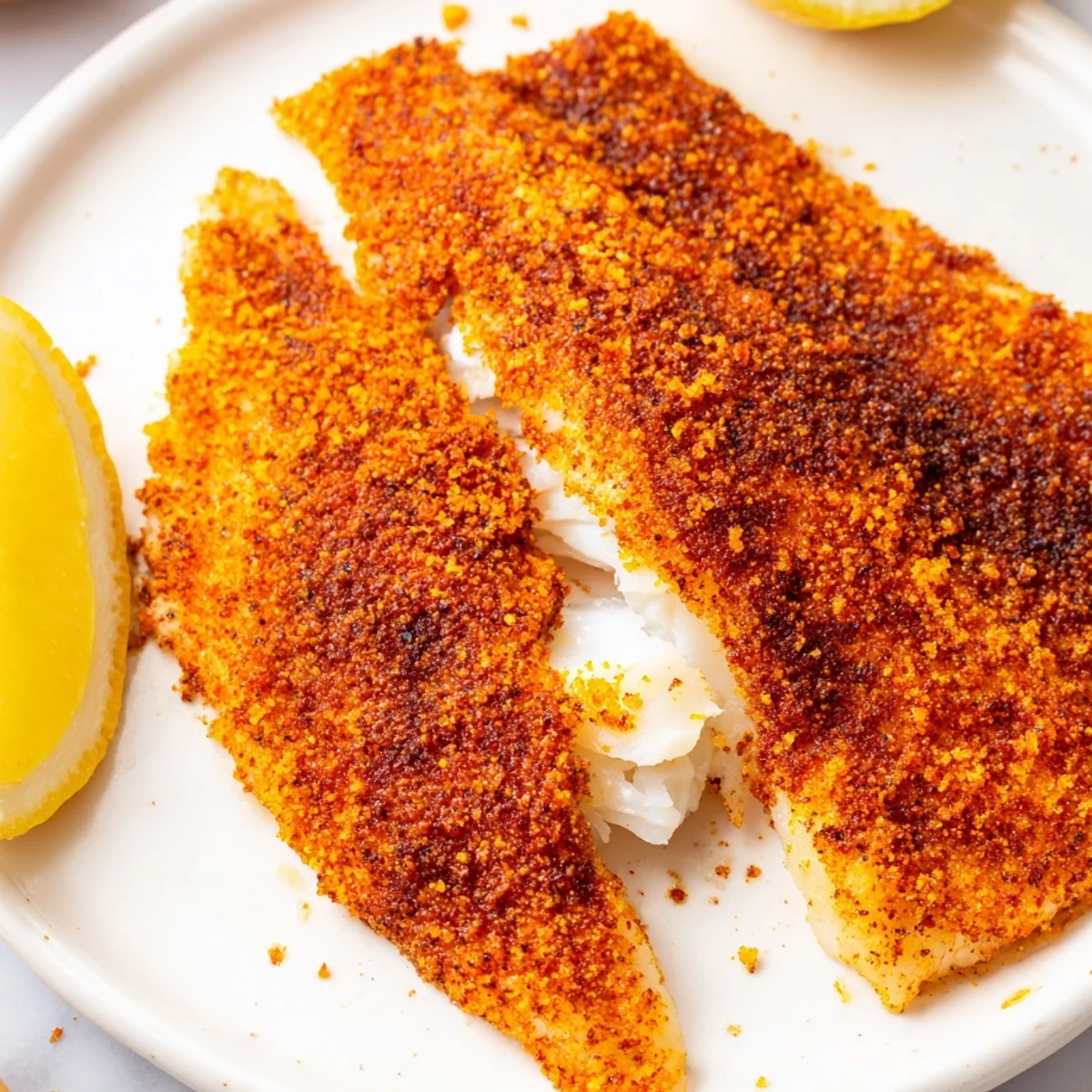
 This pan-fried tilapia delivers perfectly crispy, golden fillets in just 20 minutes from start to finish. The fish gets coated in a simple blend of paprika, garlic powder, onion powder, salt, and pepper, then seared in olive oil or butter until beautifully bronzed on the outside and flaky-tender on the inside.
An optional cornmeal or gluten-free flour dredge adds extra crunch. Each serving packs 32 grams of protein while staying low in carbs, making it an ideal choice for a wholesome weeknight dinner. Serve with fresh lemon wedges, steamed vegetables, or a crisp side salad.
The sizzle of fish hitting a hot pan is one of those sounds that instantly makes a kitchen feel alive, and tilapia is the fish that taught me that. I started cooking it on busy weeknights when takeout felt like the only option, but twenty minutes later I would have something golden and crispy on my plate. It became my go-to proof that fast food does not have to come from a drive-through window.
One Tuesday my neighbor knocked on the door asking if I had a lemon she could borrow, and the smell drifting from my skillet made her change her mind and stay for dinner instead. We stood in the kitchen eating straight from the pan with paper towels instead of plates, squeezing lemon over each bite and laughing about how neither of us had bothered to set the table.
Ingredients
- Tilapia fillets (4, about 150g each): Pat them thoroughly dry with paper towels because moisture is the enemy of a good crust.
- Salt (1 tsp): Seasons the fish from the inside out and helps draw out surface moisture for better browning.
- Freshly ground black pepper (half tsp): Always use fresh cracked pepper here because the pre-ground stuff tastes flat against delicate fish.
- Paprika (half tsp): Adds a warm color and subtle sweetness that rounds out the savory spices beautifully.
- Garlic powder (quarter tsp): Delivers even garlic flavor without burning or sticking the way fresh garlic can in a hot pan.
- Onion powder (quarter tsp): Works quietly in the background to deepen the overall flavor without competing with the fish.
- Cornmeal or gluten-free flour (quarter cup, optional): Gives an irresistible crunch but skip it entirely if you prefer a lighter, bare fillet.
- Olive oil or unsalted butter (2 tbsp): Butter adds richness while olive oil handles higher heat, and honestly half of each is the best compromise.
- Lemon (1, cut into wedges): A final squeeze brightens every bite and cuts through the richness of the golden crust.
Instructions
- Mix your seasoning blend:
- In a small bowl, stir together the salt, pepper, paprika, garlic powder, and onion powder until evenly combined. The color should be a warm reddish brown and the smell already promises good things.
- Season the fillets:
- Sprinkle both sides of each tilapia fillet generously with the spice mix, pressing it gently so it adheres. Let them sit for a minute while the pan heats so the seasoning has time to work its way in.
- Optional crunchy coating:
- If you are using cornmeal or flour, lightly dredge each seasoned fillet and shake off every bit of excess. Too much coating creates a gummy layer instead of the crisp shell you are after.
- Get the pan screaming hot:
- Heat the olive oil or butter in a large nonstick skillet over medium-high heat until it shimmers and you see the faintest wisp of smoke. This is the moment that separates a soggy fillet from a golden one.
- Lay the fish down carefully:
- Place the fillets in the pan without crowding, working in batches if your skillet cannot fit all four comfortably. You should hear an aggressive sizzle the moment the fish touches the surface.
- Cook until golden:
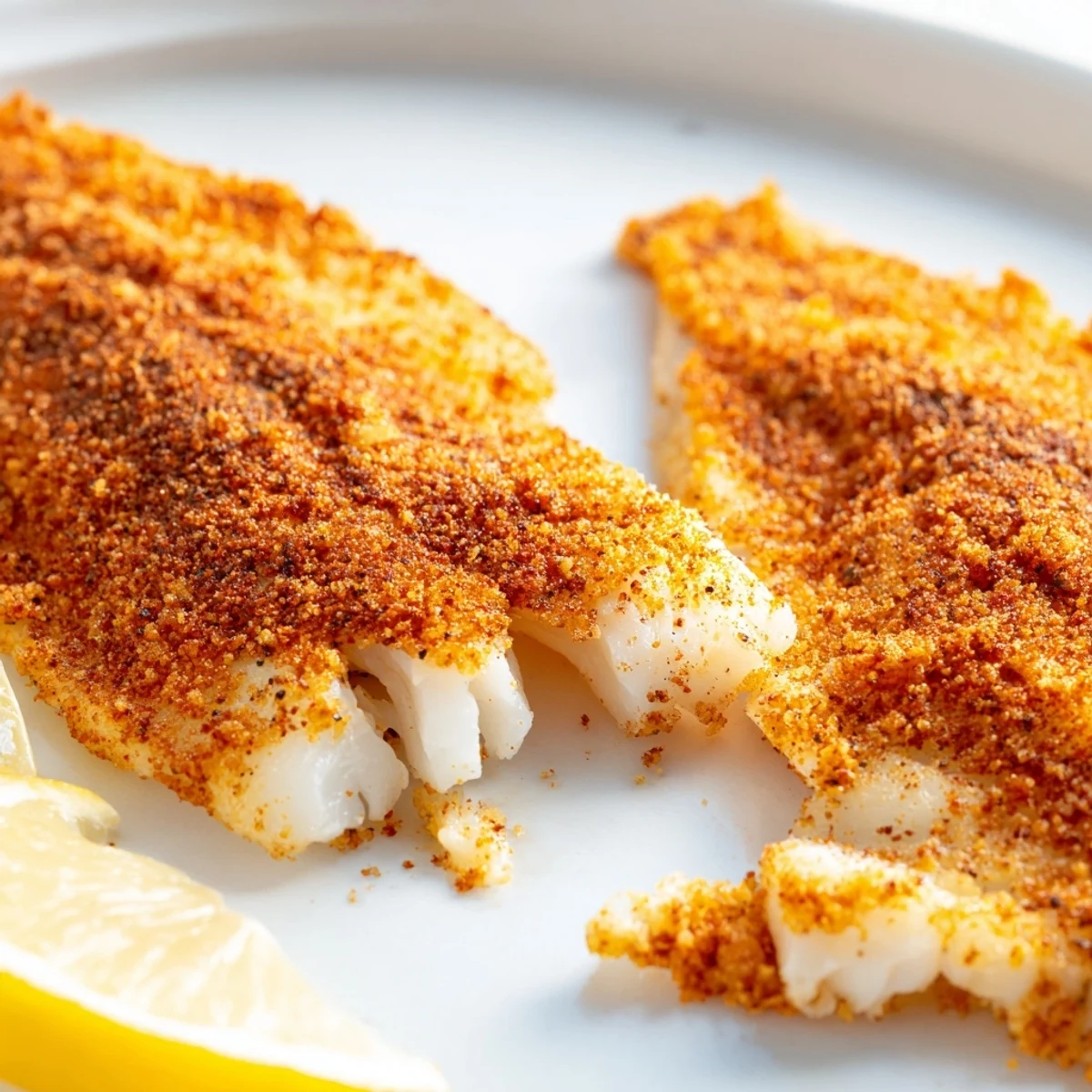
- Let the first side cook undisturbed for 3 to 4 minutes until the edges turn golden and the fish releases from the pan without resistance. Flip gently with a fish spatula and cook the second side for another 2 to 3 minutes until the flesh is opaque and flakes easily.
- Serve with brightness:
- Transfer the fillets to plates immediately and hand everyone a lemon wedge. The juice hits the hot crust and releases a fragrance that makes waiting feel impossible.
 Save to Pinterest
 There is something about a plate of perfectly golden fish that turns an ordinary weeknight into a small celebration without any extra effort.
Choosing the Right Skillet
A large nonstick skillet is your best friend here because tilapia is delicate and tends to stick on bare stainless steel. If you have a well-seasoned cast iron pan that works too, but the nonstick surface gives you more forgiveness when flipping. Just make sure the pan is big enough to hold at least two fillets with space between them, because crowding drops the temperature and steams the fish instead of searing it.
Smart Swaps and Additions
Tilapia is wonderfully forgiving but so are cod, catfish, and sole if that is what the store has. For a spicy kick, add a pinch of cayenne to the seasoning blend and it transforms the whole dish with zero extra effort. Serve it alongside steamed vegetables, a simple salad, or a pile of rice and you have a complete meal that feels intentional without being fussy.
Wine Pairing and Finishing Touches
A crisp Sauvignon Blanc or a dry Riesling pairs beautifully with the mild, flaky fish and the warm spices. Pour yourself a glass while the pan heats and the whole evening shifts into something slower and more enjoyable.
- Chill your wine while cooking so it is ready the moment the fish comes off the heat.
- A sprinkle of fresh parsley over the finished plate adds color and a fresh bite.
- Remember that fish waits for no one, so gather everyone before you start searing.
 Save to Pinterest
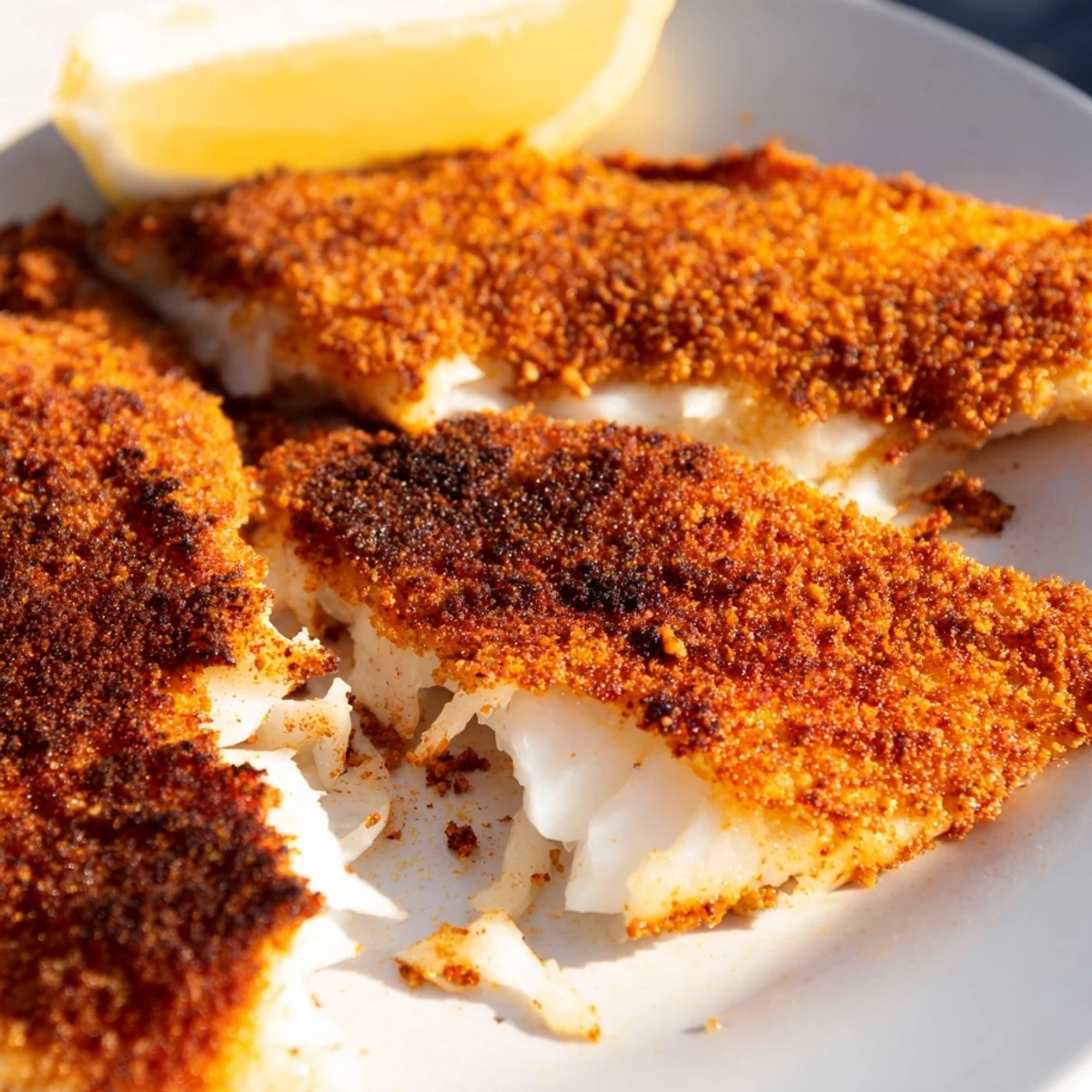
 Crispy, golden, and on the table in twenty minutes, this tilapia is the kind of recipe that makes you feel like a confident cook even on your most exhausted days. Keep a bag of fillets in the freezer and you will never run out of reasons to make it.
Recipe FAQs
- → How do I know when tilapia is fully cooked?
-
Tilapia is done when it turns opaque throughout and flakes easily when tested with a fork. The internal temperature should reach 145°F (63°C). Avoid overcooking, as the fish can become dry and rubbery.
- → Can I use frozen tilapia fillets?
-
Yes, but thaw them completely first by placing them in the refrigerator overnight or under cold running water. Pat the fillets thoroughly dry with paper towels before seasoning to ensure proper browning and prevent sticking.
- → What's the best oil for pan-frying fish?
-
Olive oil and butter are both excellent choices. Olive oil has a higher smoke point and creates an even crust, while butter adds rich flavor. Combining the two gives you the best of both worlds. Avoid oils with strong flavors that might overpower the delicate fish.
- → Why does my tilapia stick to the pan?
-
Fish typically sticks when the pan isn't hot enough or the fillets aren't properly dried. Make sure your skillet is preheated over medium-high heat before adding oil, and always pat the tilapia completely dry with paper towels. A properly heated pan and dry fish will release naturally once a golden crust forms.
- → What sides go well with pan-fried tilapia?
-
Steamed vegetables like broccoli or asparagus, a fresh green salad, roasted potatoes, or fluffy white rice all pair beautifully. For a lighter meal, try serving it alongside quinoa or a cucumber-tomato salad with a light vinaigrette.
- → Can I substitute other fish for tilapia?
-
Absolutely. Cod, catfish, sole, and whiting all work well with the same seasoning blend and cooking method. Adjust cooking time slightly based on the thickness of the fillets—thicker cuts like cod may need an extra minute per side.