
 Save to Pinterest
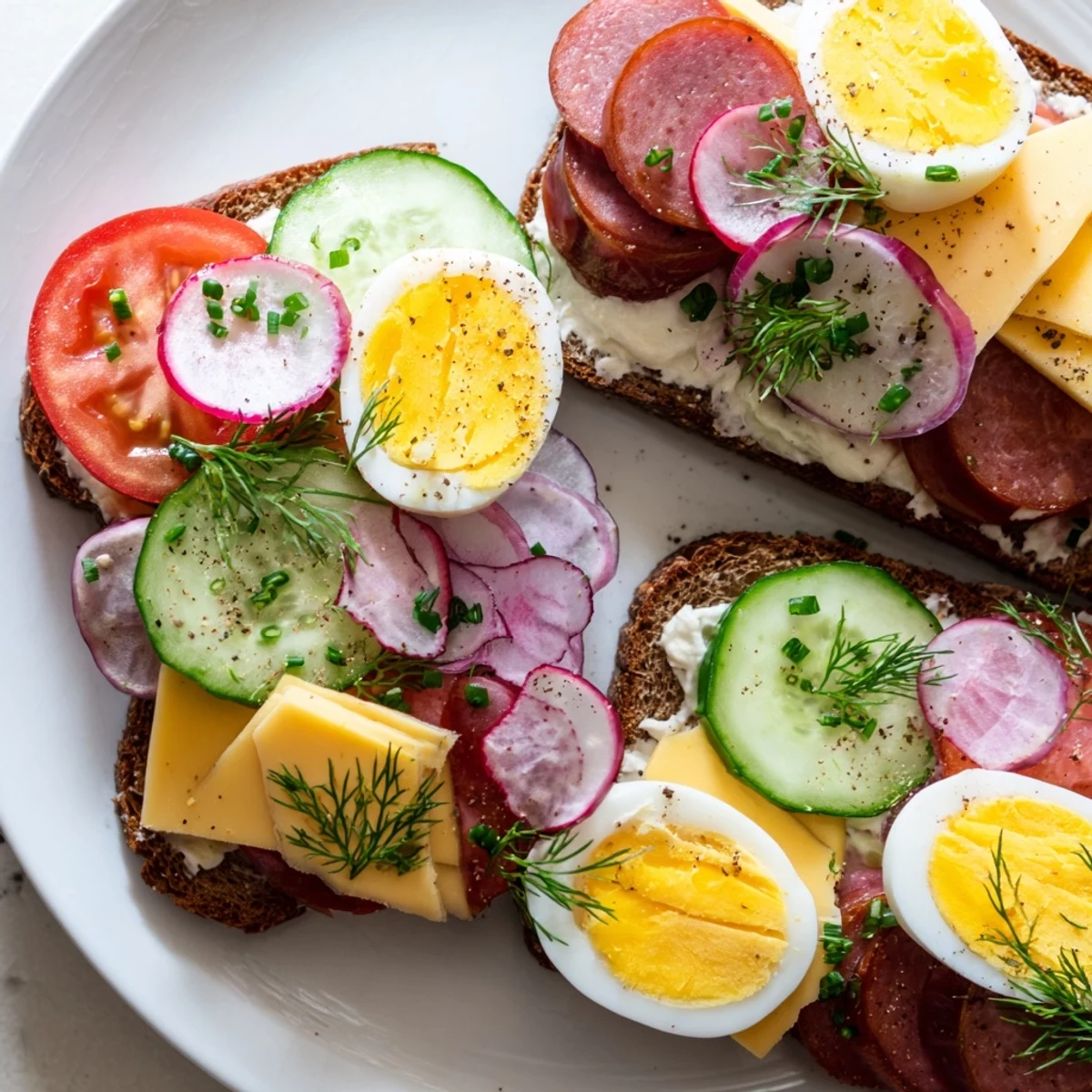
 Open-faced Polish kanapki are a beloved staple of Polish cuisine, served at breakfast, lunch, or as party appetizers. They feature thick slices of rye bread spread with butter and generously topped with kielbasa, eggs, cheese, and colorful fresh vegetables like tomatoes, cucumbers, and radishes.
What makes kanapki special is their versatility — you can mix and match toppings to suit any preference, making them perfect for feeding a crowd. They require zero cooking and come together in just 15 minutes, making them an ideal choice for quick meals or entertaining guests.
My babcia used to lay out an entire cutting board of kanapki every Saturday morning without ever calling them fancy or值得庆祝的, and somehow that bare simplicity made them irresistible. The sound of her knife tapping rhythmically against the board while she hummed some old Polish tune is permanently lodged in my brain. She never measured anything or followed rules, just reached for whatever sat in the fridge that day. Those sandwiches taught me that the best food rarely tries hard.
I once brought a platter of these to a friend's potluck expecting them to disappear into the background behind the hot dishes. They were gone in fifteen minutes, and three people asked me for the recipe as if I had done something magical rather than slice bread and arrange toppings.
Ingredients
- Rye bread or baguette (8 slices): A dense, sturdy rye holds toppings without sagging and delivers that authentic Polish character, but a fresh baguette works when rye is not around.
- Unsalted butter, softened (3 tbsp): Softened butter spreads cleanly without tearing the bread, and unsalted lets you control the seasoning yourself.
- Cream cheese (2 tbsp, optional): Adds a tangy creaminess that works especially well under egg or vegetable toppings.
- Kielbasa or smoked ham (4 slices): Kielbasa brings smoky depth that tastes distinctly Polish, while ham offers a milder route for less adventurous eaters.
- Cooked egg (4 slices): Hard boiled eggs sliced thin provide protein and a gentle richness that pairs beautifully with cucumber and dill.
- Yellow cheese such as Edam or Gouda (4 slices): A mild cheese lets the other flavors shine while adding a creamy layer underneath the vegetables.
- Tomato, thinly sliced (1): Brings juiciness and a pop of color, but pat slices dry first to prevent soggy bread.
- Small cucumber, thinly sliced (1): Cool and crisp against the rich spreads, cucumber is a nonnegotiable in my book.
- Red onion, thinly sliced (1/4): Just enough sharp bite to wake everything up without overpowering the sandwich.
- Radishes, thinly sliced (8): Their peppery crunch is the secret weapon most people skip and immediately regret leaving off.
- Fresh chives or dill, chopped: Either herb finishes the sandwich with a bright, grassy aroma that ties all the flavors together.
- Salt and freshly ground black pepper: A final pinch of each makes every topping taste more like itself.
Instructions
- Lay the foundation:
- Arrange all eight bread slices on your cutting board or a clean countertop, giving yourself enough space to work without crowding.
- Spread the base:
- Spread each slice generously with softened butter, or use cream cheese on the ones you plan to top with egg or vegetables for a tangier contrast.
- Build the protein layer:
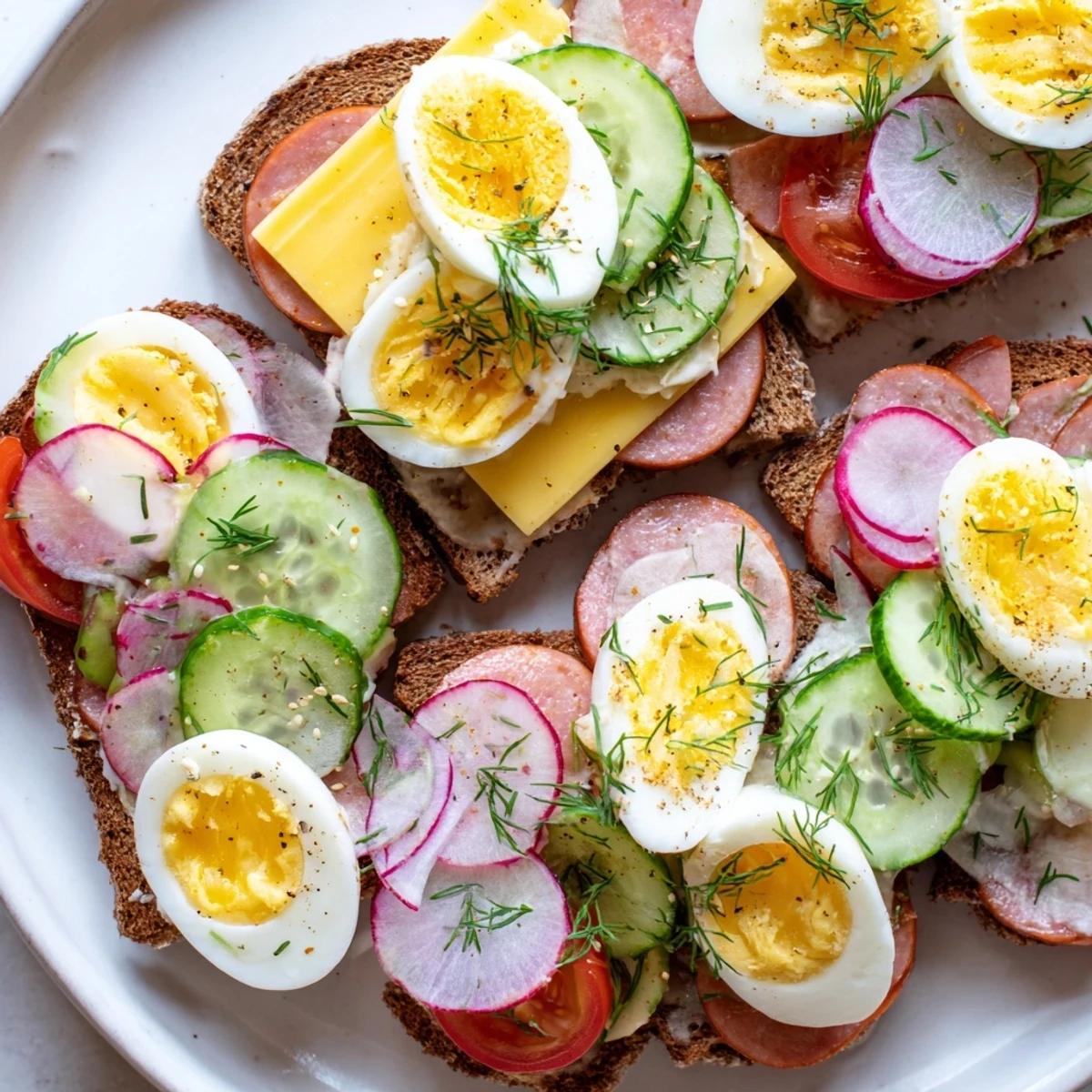
- Lay one slice of kielbasa, ham, egg, or cheese on each piece of bread, mixing and matching so the platter looks colorful and inviting.
- Layer the vegetables:
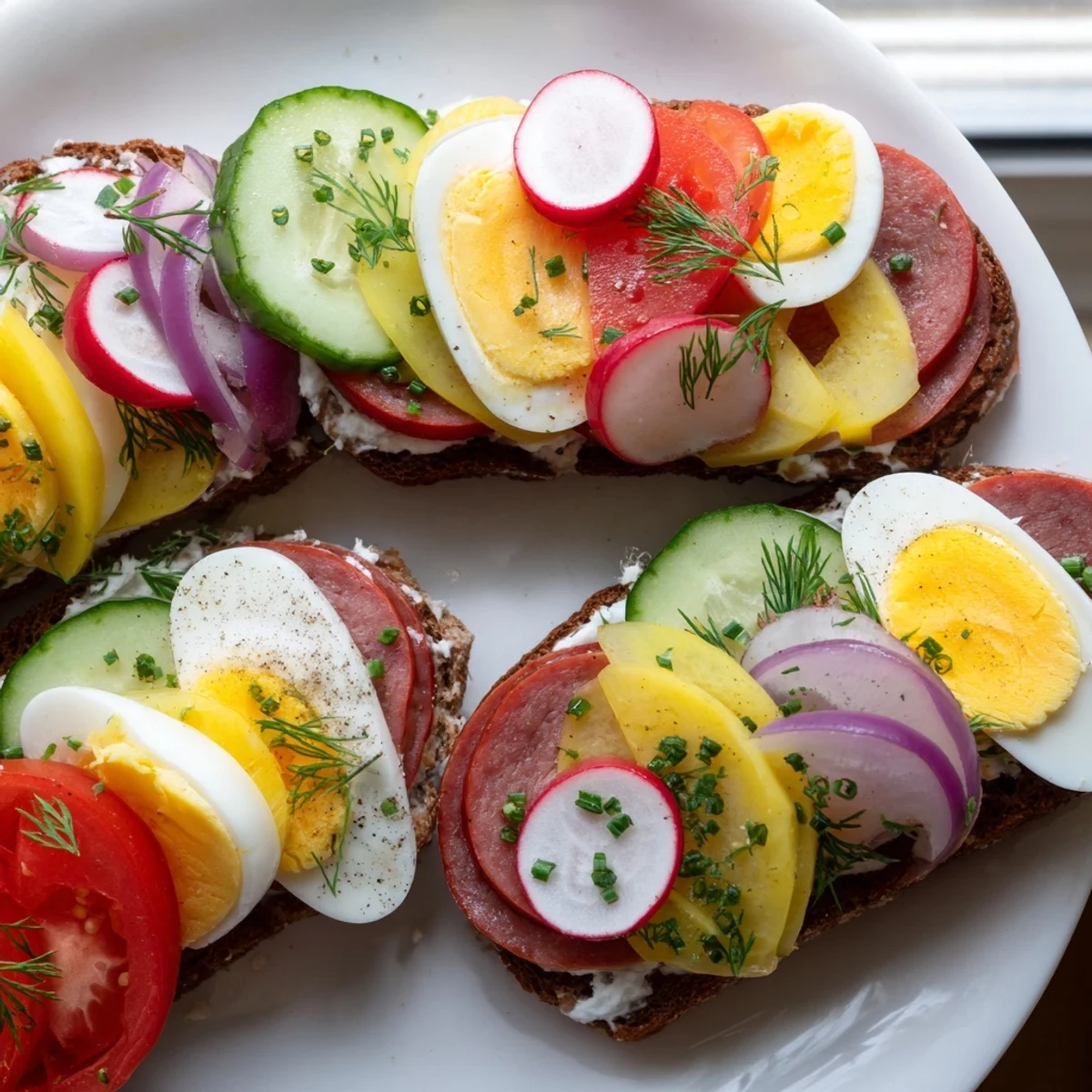
- Arrange tomato, cucumber, red onion, and radish slices over each sandwich, letting some edges hang off for a rustic, abundant look.
- Season and garnish:
- Sprinkle each open faced sandwich with salt, pepper, and a generous scattering of fresh chives or dill while the herbs are still fragrant.
- Serve right away:
- Transfer the finished kanapki to a platter and serve immediately while the bread is still sturdy and the vegetables are at their freshest.
 Save to Pinterest
 The summer I spent in Krakow, every bakery window displayed rows of kanapki arranged like tiny edible artworks, each one different from the next. I would buy three or four and sit by the Wisla river eating them one after another, convinced nothing in the world tasted better than simple food eaten outside.
Bread Makes or Breaks This
Use the freshest, sturdiest loaf you can find because there is no cooking to hide behind here. A weak or stale slice turns the whole experience into a crumbly disappointment. Sourdough and wholegrain are worthy substitutes when rye is unavailable, but avoid anything too soft or fluffy. The bread is the stage, and it needs to hold up its performers.
Arranging a Party Platter
When serving these for guests, make twice as many as you think you need because they vanish faster than any hot appetizer on the table. Alternate the toppings so the platter shows off a mosaic of colors and textures. Garnish the whole board with extra dill sprigs and a bowl of pickles on the side.
Variations Worth Trying
Once you master the classic approach, start playing with additions that feel true to the spirit of the dish. Horseradish smeared under the kielbasa adds a welcome sinus clearing heat. A smear of mustard under ham changes the whole sandwich in one small stroke.
- Pickled cucumbers or sauerkraut piled on top introduce a sour tang that pairs naturally with the rich meats and cheeses.
- A few lettuce leaves underneath the vegetables add crunch and keep wet ingredients from soaking into the bread.
- Always taste as you build so nothing on the plate surprises you when you bite in.
 Save to Pinterest
 Kanapki are proof that a meal does not need a stove, a timer, or a recipe card to feel complete and deeply satisfying. Keep good bread and fresh toppings in your kitchen, and you will never be far from something wonderful.
Recipe FAQs
- → What type of bread works best for kanapki?
-
Traditional Polish kanapki are made with dense, hearty rye bread, which provides a sturdy base that holds up well under generous toppings. A fresh baguette, sourdough, or whole grain bread also works beautifully if rye isn't available.
- → Can I prepare kanapki ahead of time?
-
You can prepare the individual components ahead — slice vegetables, cut meats and cheeses, and soften butter in advance. However, assemble them just before serving to prevent the bread from becoming soggy and to keep the vegetables looking fresh and vibrant.
- → What are traditional Polish toppings for kanapki?
-
Classic toppings include sliced kielbasa, smoked ham, hard-boiled eggs, yellow cheese like Edam or Gouda, tomatoes, cucumbers, radishes, and red onion. Fresh herbs such as chives or dill are essential finishing touches that add authentic Polish flavor.
- → Are kanapki served cold or warm?
-
Kanapki are typically served cold or at room temperature, making them perfect for buffets, picnics, and gatherings. The bread can be lightly toasted if you prefer a warmer, crispier base, but the toppings are always added fresh and uncooked.
- → How do I make vegetarian kanapki?
-
Simply skip the kielbasa and ham, and load up on hard-boiled egg slices, cheese, and an abundance of fresh vegetables. Cream cheese makes an excellent spread, and you can add pickles, roasted peppers, or horseradish for extra depth of flavor.
- → What occasions are kanapki typically served at?
-
In Poland, kanapki are served at nearly every occasion — from everyday breakfast and quick lunches to holiday gatherings, birthday parties, and funeral receptions. They're a universal crowd-pleaser and a staple of Polish hospitality.