
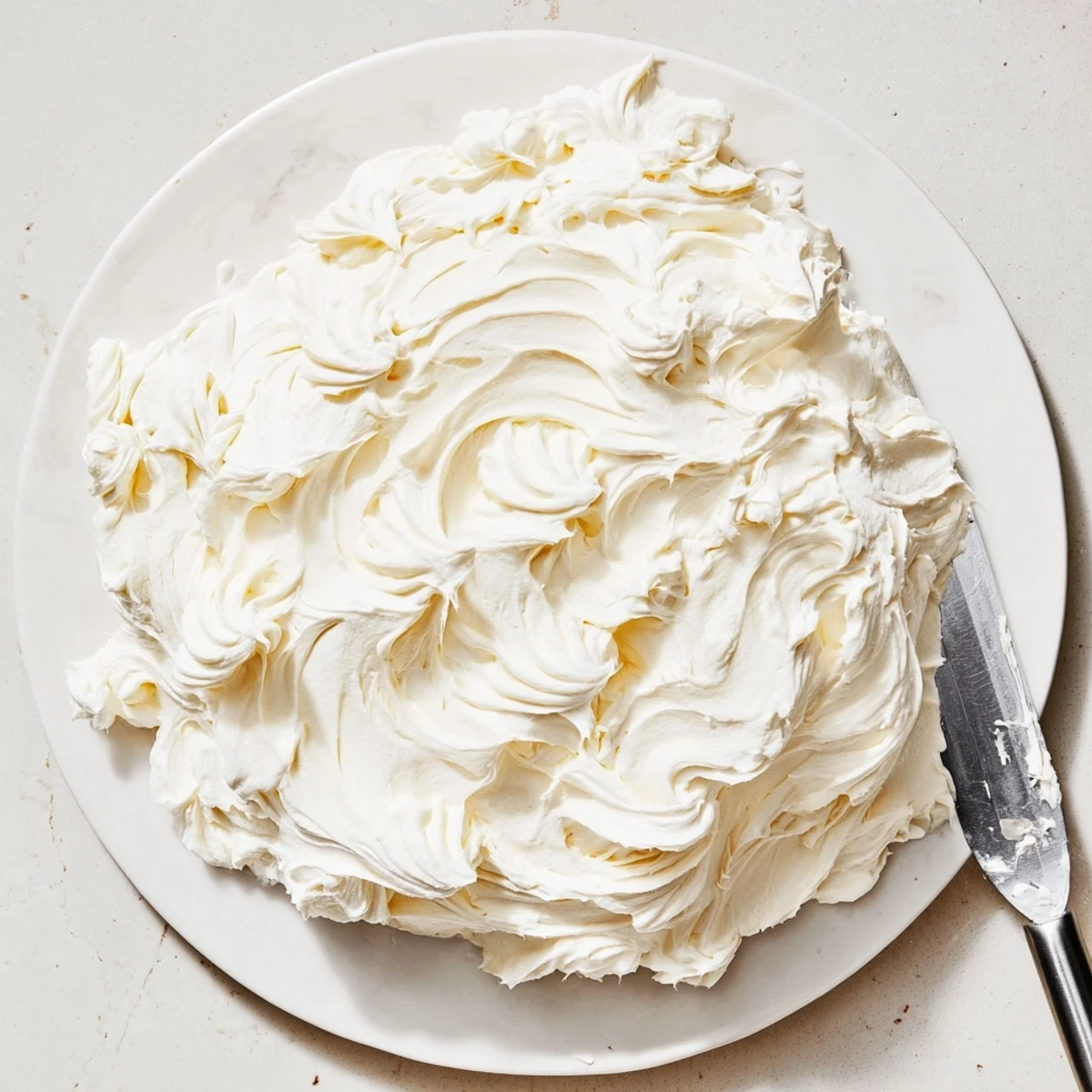
 Save to Pinterest
 This Italian meringue buttercream delivers a silky, luxurious texture by gradually incorporating room-temperature butter into a glossy whipped meringue made from hot sugar syrup and egg whites. Known for its exceptional stability and subtle sweetness, it spreads flawlessly over layer cakes and pipes beautifully onto cupcakes.
The technique requires a candy thermometer and a stand mixer, but the results are well worth the effort. Once mastered, you can customize it with chocolate, fruit purée, or coffee for endless variations.
The sound of a stand mixer whirring at full speed takes me straight back to a tiny apartment kitchen where I attempted Italian meringue buttercream for the first time and watched it curdle into what looked like scrambled eggs. That disaster taught me everything I now know about patience, temperature, and trusting the process. This buttercream is the gold standard of frostings, silky beyond imagination, and worth every anxious minute hovering over a candy thermometer.
My sister walked in just as I was panicking over a curdled bowl, calmly told me to keep beating, and within thirty seconds the whole thing transformed into the most luscious cream I had ever seen. She barely looked surprised, as if she had known all along that the failure was only temporary. I have never doubted the method since.
Ingredients
- Granulated sugar (200 g): This is the backbone of your sugar syrup, and plain white sugar gives you the cleanest flavor and most reliable results.
- Water (60 ml): Just enough to dissolve the sugar before it boils, so do not add extra thinking it will help.
- Egg whites (100 g, about 3 large): Room temperature whites whip up with more volume, so pull them out of the fridge at least an hour ahead.
- Cream of tartar (1/4 tsp, optional): A tiny insurance policy that stabilizes your whites and makes the meringue less prone to deflating.
- Unsalted butter (340 g): The star of the show, and it absolutely must be at room temperature, soft enough to leave a fingerprint but not melting or greasy.
- Vanilla extract (1 tsp): Use the good stuff here because buttercream has so few ingredients that every single one shines through.
- Fine salt (a pinch): Just enough to balance the sweetness and make the vanilla taste more like itself.
Instructions
- Start the sugar syrup:
- Combine the sugar and water in a medium saucepan and stir gently over medium heat just until the sugar dissolves completely. Stop stirring once it starts boiling, because agitation can cause crystallization and ruin your syrup.
- Cook the syrup to 118 degrees C:
- Increase the heat to medium high and let the syrup bubble away untouched until your candy thermometer reads 118 degrees C (244 degrees F). Keep a close eye on it during the last few degrees because the temperature climbs fast.
- Whip the egg whites:
- While the syrup heats, start whipping your egg whites with the cream of tartar in a spotlessly clean bowl on medium speed. You want soft peaks forming right as your syrup reaches temperature, so timing is everything.
- Pour in the hot syrup:
- With the mixer running on medium, slowly drizzle the hot syrup down the side of the bowl in a thin, steady stream. Avoid pouring directly onto the whisk because it will splatter hot sugar everywhere and that is a burn you will not forget.
- Whip until cool and glossy:
- Crank the mixer to high and let it run for about ten minutes until the meringue is thick, shiny, and the outside of the bowl feels completely cool to the touch. This step is non negotiable because warm meringue will melt your butter instantly.
- Add the butter gradually:
- Switch to medium speed and drop in the butter cubes one at a time, waiting until each one disappears before adding the next. The mixture will almost certainly look curdled and horrifying at some point, but keep beating and it will magically emulsify.
- Finish with flavor:
- Add the vanilla extract and a pinch of salt, then beat until everything is smooth, creamy, and impossibly fluffy. Taste it now because this is your chance to adjust the salt or vanilla before spreading it on anything.
- Use or store:
- Spread it immediately onto your cake or cupcakes, or transfer it to an airtight container and refrigerate for up to a week. If chilled, let it come fully to room temperature and give it a good rewhip before using.
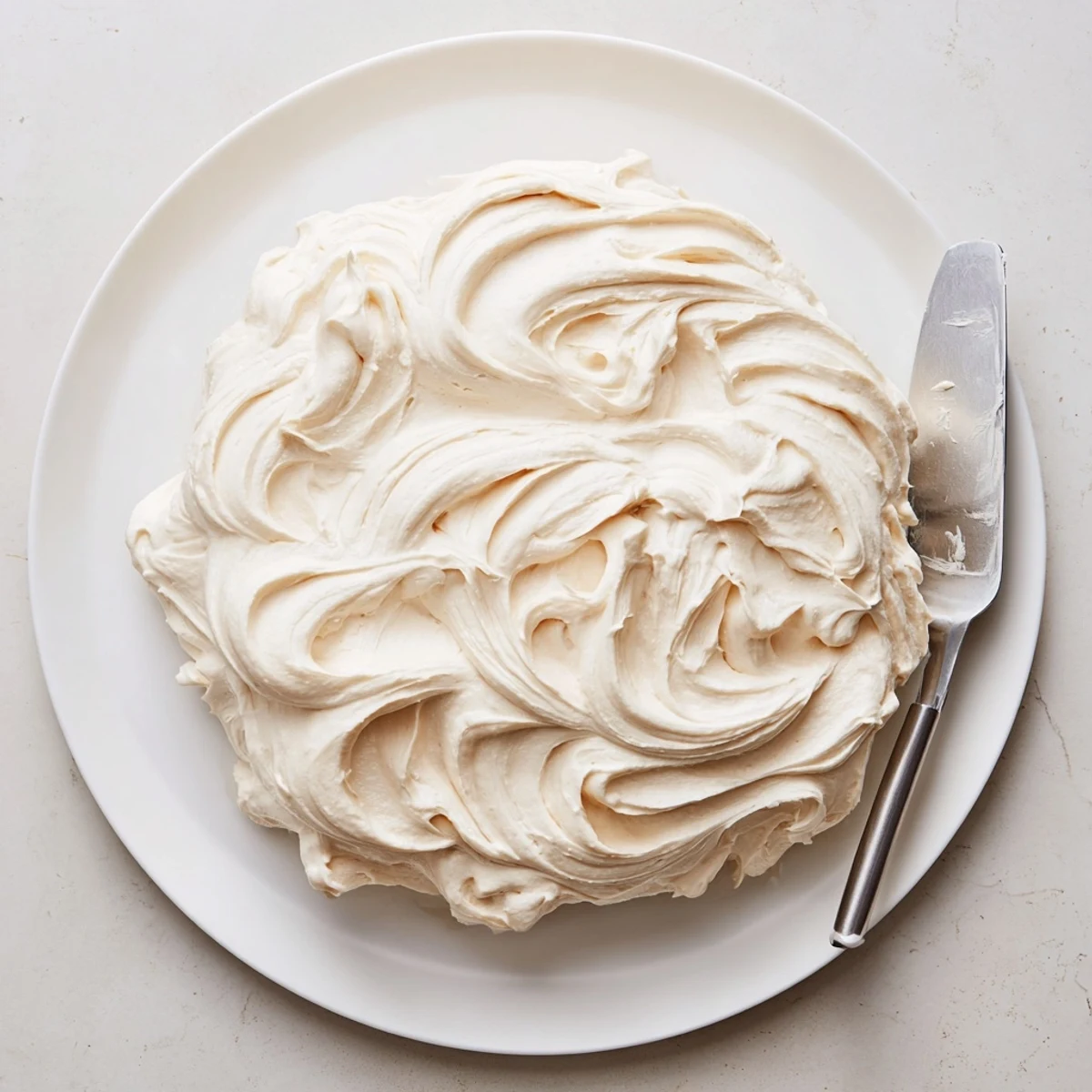 Save to Pinterest
 The moment I swirled this buttercream onto a birthday cake and watched it hold perfect swirls under candlelight, I understood why pastry chefs refuse to use anything else.
When Things Go Sideways
Every single person who makes this buttercream for the first time hits a moment of panic when the mixture looks broken, curdled, or separated. That moment is completely normal and actually means you are on the right track. The butter is simply reacting to temperature differences, and continued beating is the only fix it needs.
Flavor Variations Worth Trying
Once you have the base recipe down, the possibilities open up in every direction. Fold in melted and cooled dark chocolate for a rich mocha vibe, or swirl in raspberry puree for something bright and fruity. A tablespoon of strong espresso or a splash of citrus extract can transform the entire personality of this frosting.
Getting the Texture Right for Different Uses
For spreading smoothly over a layer cake, the standard recipe is perfect as written. For intricate piping work, you might want a slightly stiffer consistency, which you can achieve by chilling the bowl for five minutes or beating in a few tablespoons of sifted icing sugar. For filling delicate layers, a slightly softer blend spreads more gently without tearing the cake.
- Always start with less butter if you plan to pipe detailed decorations.
- A quick chill in the fridge fixes almost any texture problem.
- Taste and adjust salt before you start decorating, not after.
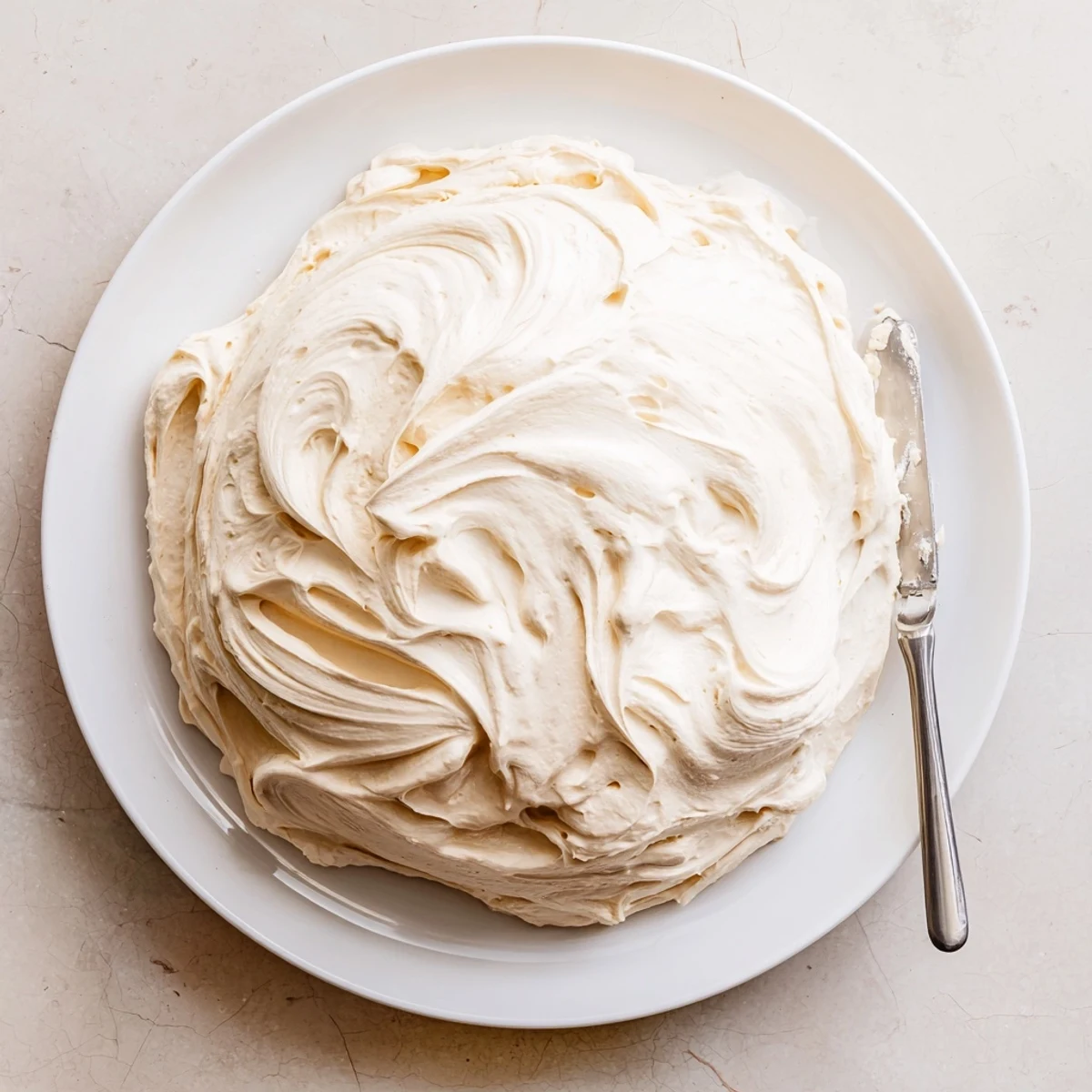 Save to Pinterest
 Master this buttercream once and you will never go back to anything else, because the silky result is worth every minute of attention.
Recipe FAQs
- → Why does my buttercream look curdled or soupy?
-
This is completely normal during the butter-adding stage. The emulsion needs time to come together. Keep beating on medium speed and the mixture will eventually turn smooth and creamy. If it remains too soupy, chill it for 10–15 minutes, then whip again.
- → Can I make Italian meringue buttercream ahead of time?
-
Yes, it stores well in an airtight container in the refrigerator for up to one week or in the freezer for up to two months. Before using, bring it to room temperature and rewhip until smooth and fluffy.
- → What temperature should the sugar syrup reach?
-
The sugar syrup should reach 118°C (244°F) on a candy thermometer. This precise temperature is essential for creating a stable meringue that won't weep or break when butter is added.
- → Why did my buttercream melt or become too soft?
-
If the meringue was still warm when butter was added, the butter will melt. Ensure the mixing bowl is cool to the touch before incorporating butter. You can also try using slightly cooler butter or briefly chilling the bowl before continuing.
- → Can I flavor or color this buttercream?
-
Absolutely. After the buttercream is fully whipped, add melted and cooled chocolate, fruit purée, coffee extract, or gel food coloring. Add flavorings gradually and mix until evenly incorporated for the best results.
- → How do I get a stiffer consistency for piping?
-
For firmer buttercream ideal for detailed piping, reduce the butter slightly or fold in a few tablespoons of sifted icing sugar after whipping. Chill briefly before piping to further stiffen the texture.