
 Save to Pinterest
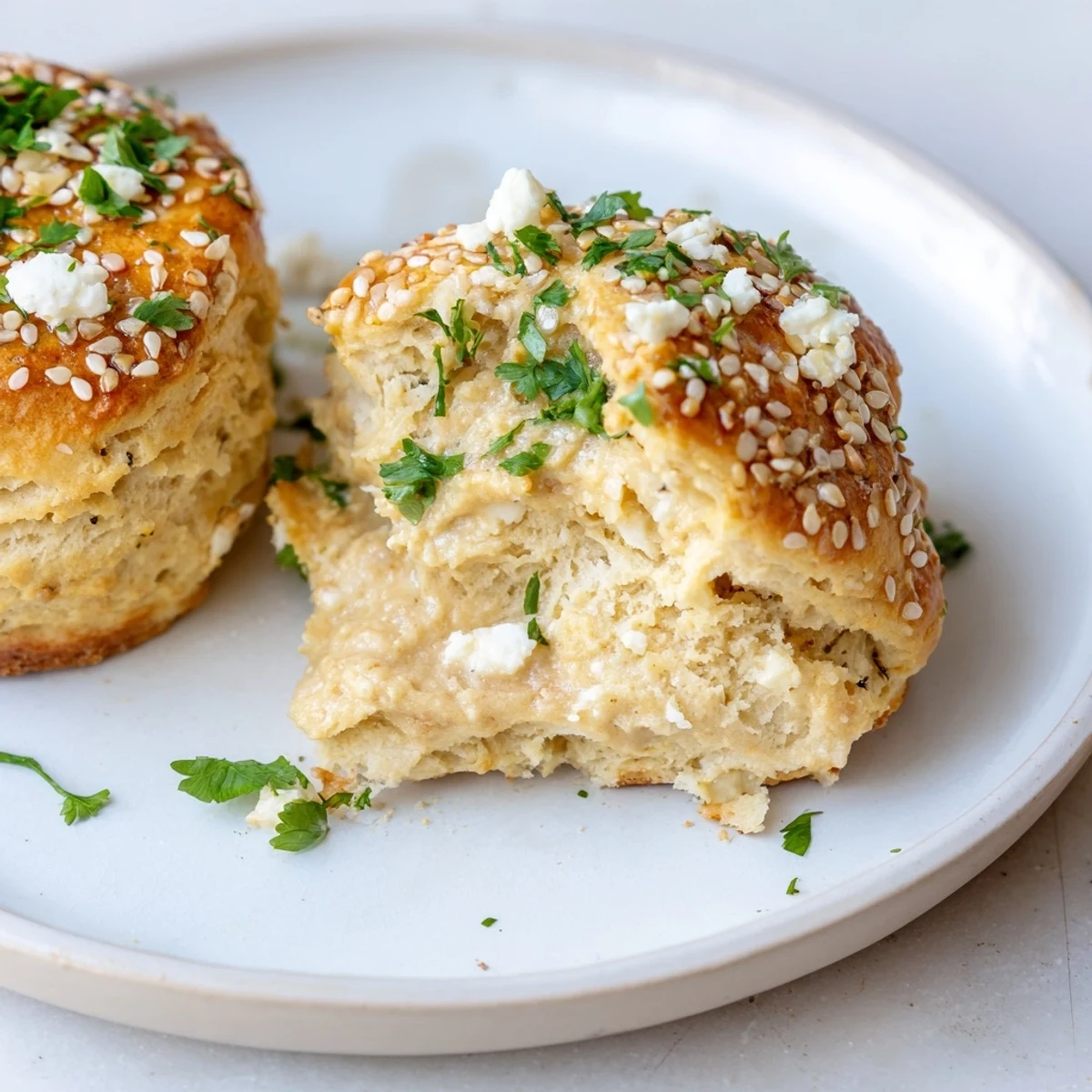
 These tender, savory scones use hummus to add moisture and flavor. Whisk flour with baking powder and a pinch of salt, rub in cold butter until coarse, then fold in a hummus, milk and egg mixture until just combined. Pat to about 1 cm thickness, cut 6 cm rounds, brush with milk and bake 18–20 minutes at 200°C until golden. Stir in herbs, feta or sesame for variation and avoid overworking the dough to keep them light.
My friend Leah brought a tub of hummus to a Sunday potluck and forgot to take it home, so it sat in my fridge for three days staring at me every time I reached for the milk. On a rainy Tuesday afternoon, with nothing but boredom and a rumbling stomach, I decided to mash it into scone dough on a wild hunch. The oven filled with this strange, savoury aroma that was neither purely British nor Middle Eastern but something oddly perfect in between.
I served these warm to my neighbour David, who once told me he hates scones because they are too dry. He ate three in one sitting and asked if I could make them again for his book club on Thursday.
Ingredients
- All purpose flour (250 g): Plain flour gives the scone a tender crumb, and sifting it first makes a real difference you can taste.
- Baking powder (2 tsp): This is what gives the scones their gentle lift so do not skip it or let it sit too long after opening.
- Baking soda (1/2 tsp): A small amount helps with browning and works alongside the slight acidity in hummus.
- Salt (1/2 tsp): Do not be tempted to reduce this because salt is what makes savoury baking taste complete.
- Hummus (100 g): Use your favourite kind because its flavour will shine through, and a smooth texture blends best.
- Milk (80 ml): Dairy or plant based both work beautifully, but whole milk gives the richest colour on top.
- Cold unsalted butter (60 g): Keep it cubed and chilled because cold butter creates the flaky pockets that make scones irresistible.
- Large egg (1): Binds everything together and adds richness to the crumb.
- Fresh parsley or chives (2 tbsp, optional): A handful of herbs turns these from simple to special with almost no effort.
- Crumbled feta cheese (30 g, optional): Salty little pockets of feta make each bite surprising in the best way.
- Toasted sesame seeds (1 tbsp, optional): A sprinkle on top adds crunch and a nutty finish that ties the whole idea together.
Instructions
- Preheat and prepare:
- Set your oven to 200 degrees C (400 degrees F) and line a baking tray with parchment paper so nothing sticks.
- Mix the dry ingredients:
- Whisk the flour, baking powder, baking soda, and salt together in a large bowl until evenly combined.
- Rub in the butter:
- Drop in the cold cubed butter and work it through with your fingertips until the mixture looks like coarse sand with a few pea sized bits remaining.
- Combine the wet ingredients:
- In a separate bowl, whisk the hummus, milk, and egg until smooth and slightly frothy.
- Bring it all together:
- Pour the wet mixture into the dry and fold gently with a spatula until it just holds together, stopping before it looks perfectly smooth.
- Add your extras:
- Fold in any herbs, feta, or sesame seeds with two or three gentle turns so they stay distributed without overworking the dough.
- Shape and cut:
- Turn the dough onto a lightly floured surface, pat it into a round about 2.5 cm thick, and cut out scones with a 6 cm cutter, pressing straight down without twisting.
- Finish and bake:
- Arrange the scones on the tray, brush the tops with a splash of milk and extra sesame if you like, then bake for 18 to 20 minutes until golden and proud.
- Cool slightly:
- Let them rest on the tray for five minutes so the centres finish setting before you tear into them.
 Save to Pinterest
 The second batch I ever made disappeared at a picnic before the sandwiches even came out of the bag, and that was the moment I knew this recipe had earned a permanent spot in my life.
Serving Suggestions
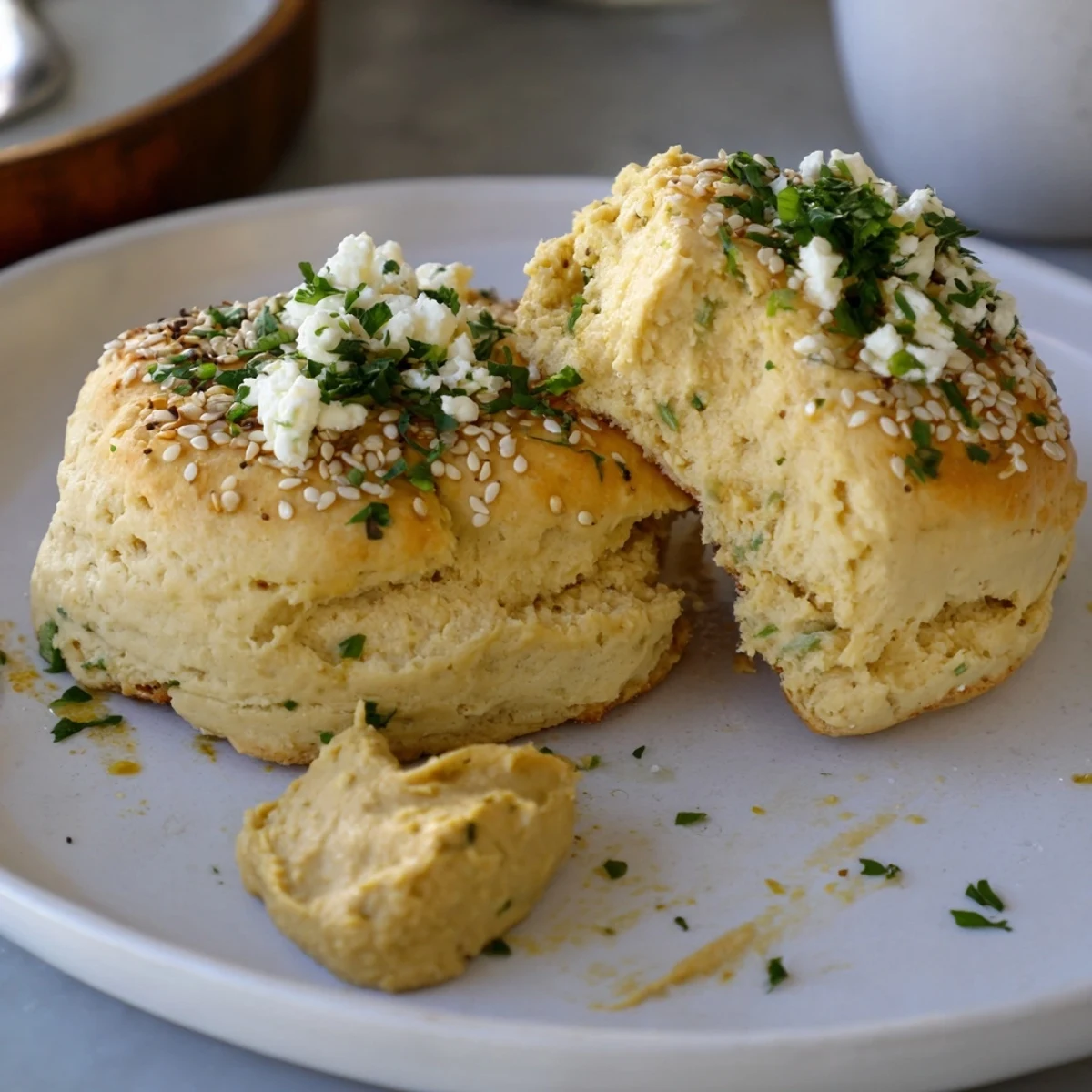
Split them warm and load each half with extra hummus, or try a dollop of thick tangy yogurt with a scatter of zaatar on top. They are also wonderful alongside a bowl of tomato soup on a cold evening.
Making Them Vegan
Swap the milk for oat or soy, replace the egg with a flaxseed egg (one tablespoon ground flax plus three tablespoons water), and use a dairy free butter. The texture stays surprisingly close to the original.
Storing and Reheating
Keep leftover scones in an airtight container at room temperature for up to two days, or freeze them for a month. A quick stint in a low oven brings back that just baked warmth better than a microwave ever could.
- Freeze them individually on a tray before bagging so they do not clump together.
- A ten minute warm up at 160 degrees C is all you need for that fresh from the oven feeling.
- Do not store them in the fridge because the cold dries out the crumb faster than anything else.
 Save to Pinterest
 Keep a batch in the freezer and you are never more than twenty minutes away from something warm, savoury, and completely satisfying.
Recipe FAQs
- → How do I keep the scones flaky?
-
Use very cold butter and work it into the flour until the mixture resembles coarse crumbs. Handle the dough gently and avoid overmixing—short, light strokes preserve pockets of fat that create flakiness.
- → Can I make these vegan?
-
Yes. Swap dairy milk for plant-based milk and replace the egg with a flaxseed egg (1 tbsp ground flax + 2.5 tbsp water, chilled). Use vegan butter and check hummus ingredients for animal products.
- → What hummus varieties work best?
-
Plain, roasted red pepper, or garlic hummus all add distinct flavor. Choose a smoother hummus for even hydration; chunkier varieties may be spooned in sparingly or thinned slightly with milk.
- → How should I store and reheat leftovers?
-
Cool completely, then store airtight at room temperature for 1–2 days or refrigerate up to 4 days. Reheat in a low oven (160–170°C) for a few minutes to refresh the crust, or toast halves briefly.
- → Can I freeze the dough or baked scones?
-
Yes. Freeze shaped, unbaked rounds on a tray, then transfer to a bag; bake from frozen adding a few minutes to the time. Fully baked scones freeze well and can be reheated in the oven.
- → Why did my scones turn out dense?
-
Dense scones usually come from overworking the dough, too much liquid, or warm butter. Measure ingredients accurately, keep butter cold, and mix just until combined for a lighter texture.