
 Save to Pinterest
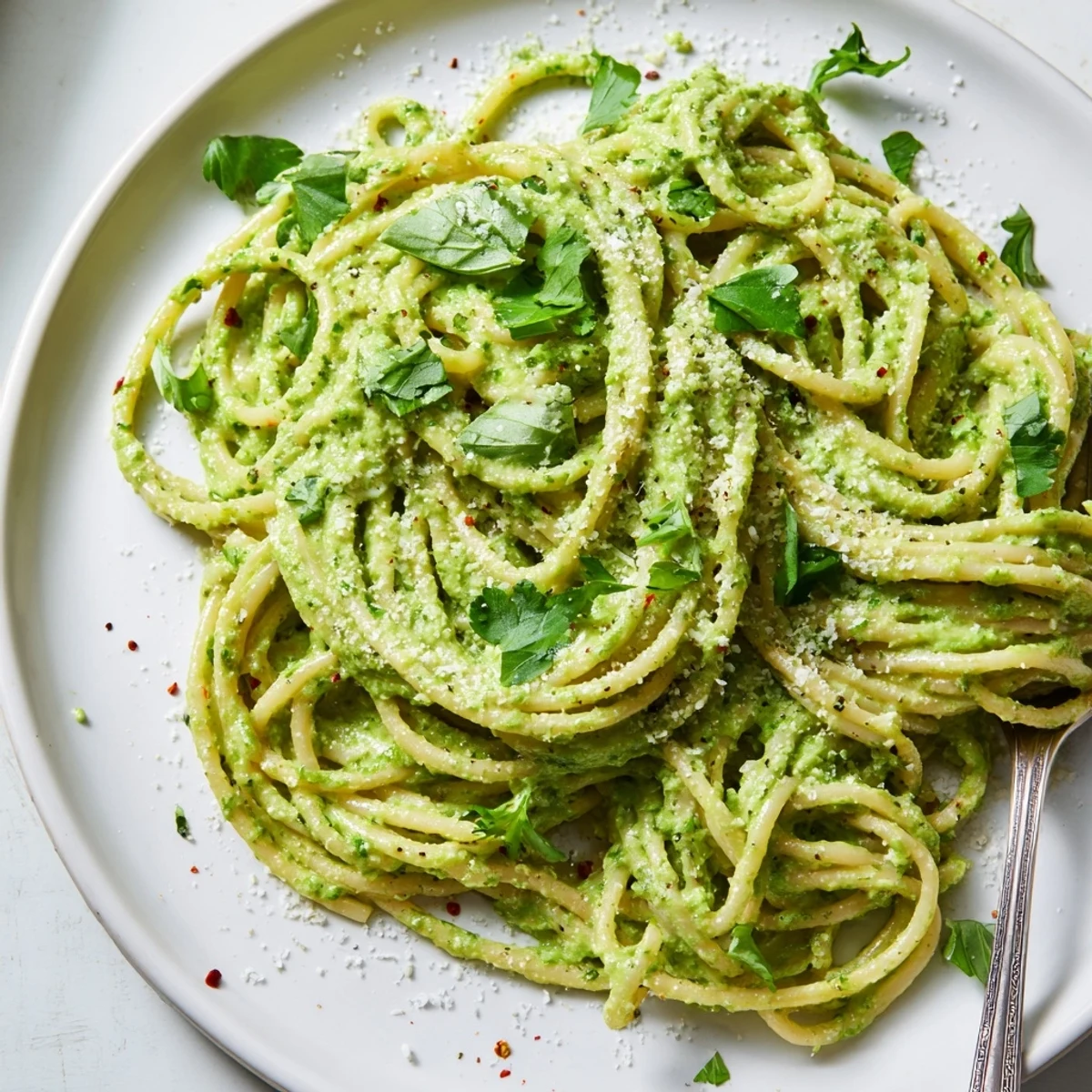
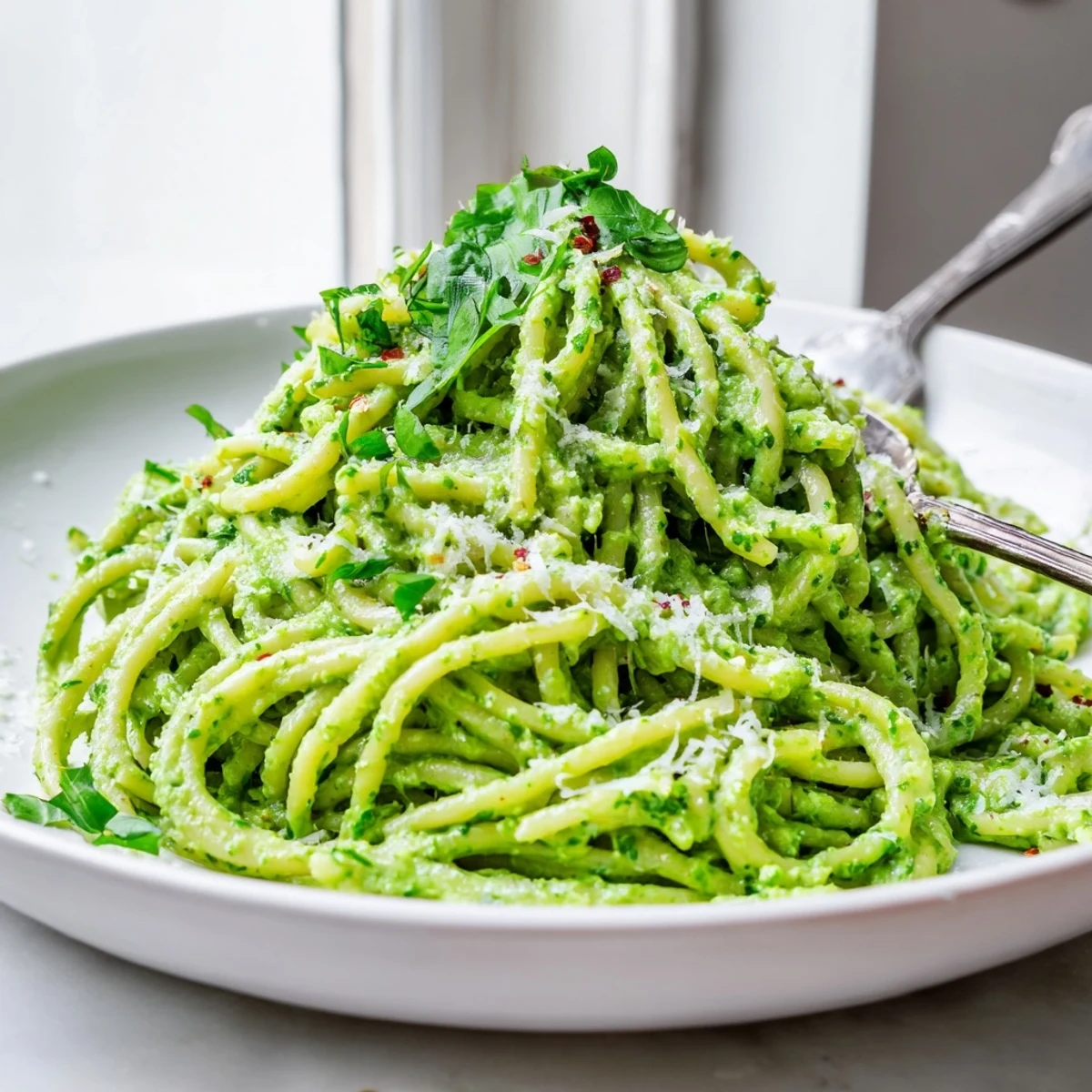
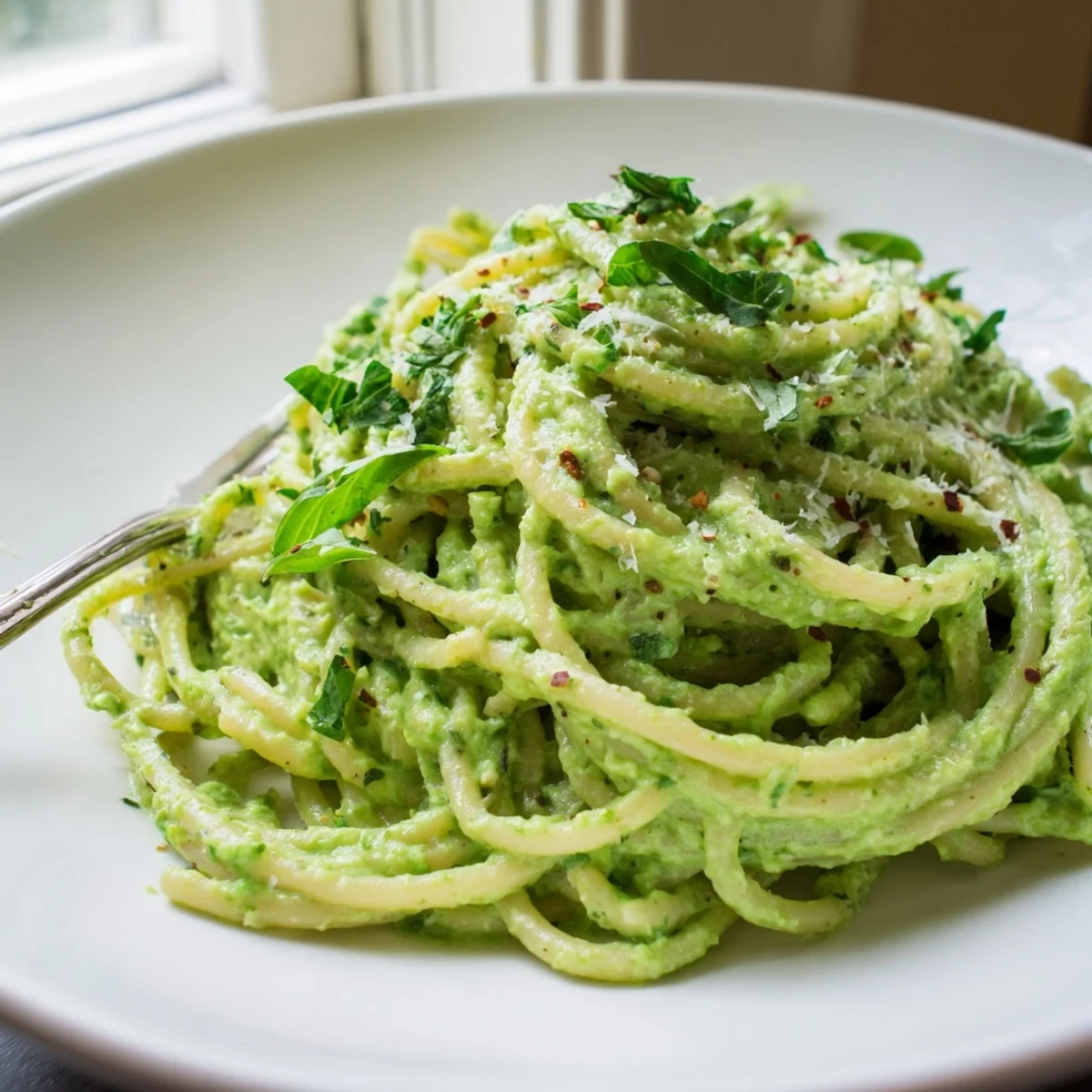
 This Green Goddess Pasta Sauce brings together fresh basil, parsley, chives, and tarragon into a luxuriously creamy blend featuring ripe avocado and Greek yogurt. The result is a vibrant, herb-forward sauce that coats every strand of pasta in a bright, tangy, and satisfying way.
Ready in just 25 minutes with only 10 minutes of cooking, it's an ideal weeknight meal that feels light yet nourishing. The avocado provides a velvety richness without heavy cream, while fresh lemon juice adds a zesty brightness that ties everything together.
Naturally vegetarian and easily adaptable for vegan or gluten-free diets, this sauce also doubles beautifully as a dip or salad dressing for leftovers.
My blender had been sitting dormant for weeks until a particularly overheated Tuesday evening when the thought of standing over a stove felt unbearable, and I spotted a wilting bunch of basil next to a perfectly ripe avocado on the counter. What started as a desperate pantry raid turned into the most vividly green, impossibly creamy pasta sauce I have ever thrown together in under half an hour. Now it shows up on my table at least twice a month, sometimes dressed up with grilled chicken, sometimes naked and humble with just a shower of Parmesan.
I once made this for my neighbor Sarah after she had a terrible week at work, and she sat on my kitchen floor eating it straight from the mixing bowl with a serving fork, laughing at herself and saying it was the first thing that had tasted good in days. That is the kind of sauce this is, unpretentious and deeply comforting, the sort of food that meets you exactly where you are.
Ingredients
- Fresh basil (1 cup leaves): The backbone of that classic Green Goddess flavor, so do not skip it or try to substitute dried, because dried basil will leave you with something that tastes like a completely different dish.
- Fresh parsley (1/2 cup leaves): Flat leaf parsley adds a bright, clean note that rounds out the sweeter basil and keeps the sauce from tasting one dimensional.
- Fresh chives (1/4 cup): Their mild onion flavor weaves through the herbs beautifully and gives the sauce a subtle savory edge without any raw garlic harshness.
- Fresh tarragon (2 tablespoons, optional): This is the secret ingredient that makes the sauce taste like true Green Goddess dressing, with its faint anise warmth, but I understand if you do not keep it on hand.
- Ripe avocado (1, pitted and peeled): Choose one that yields slightly when pressed but is not mushy, because overripe avocado can make the sauce taste slightly bitter and underripe will never blend smooth.
- Greek yogurt (1/2 cup): Use full fat for the richest result, or a dairy free alternative if you need it, because the tang here is what balances the richness of the avocado.
- Extra virgin olive oil (3 tablespoons): A good fruity oil makes a real difference here since its flavor comes through clearly in the finished sauce.
- Fresh lemon juice (2 tablespoons, about half a lemon): Squeeze it yourself, because bottled lemon juice tastes flat and metallic next to fresh, and this sauce deserves the real thing.
- Garlic (1 clove): Just one is enough to add depth without overpowering the delicate herbs, so resist the urge to throw in three more.
- Grated Parmesan (2 tablespoons, or nutritional yeast for vegan): A small amount that acts more like seasoning than cheese, adding umami and a salty finish.
- Dried pasta (350 g or 12 oz): Spaghetti, penne, or whatever shape makes you happy, and gluten free pasta works beautifully here too.
- Salt and black pepper (to taste): Season gradually and taste as you go, because the Parmesan already contributes salt.
- Chili flakes (1/4 teaspoon, optional): A tiny pinch cuts through the richness and adds a whisper of heat that keeps each bite interesting.
Instructions
- Boil the pasta properly:
- Bring a large pot of generously salted water to a rolling boil and cook the pasta according to the package directions until just al dente, with a slight bite in the center. Before you drain it, scoop out half a cup of that starchy cooking water and set it aside because it is liquid gold for loosening the sauce later.
- Build the green sauce:
- Drop the basil, parsley, chives, tarragon if you are using it, the avocado flesh, Greek yogurt, olive oil, lemon juice, garlic clove, and Parmesan into your food processor or blender. Let it run until everything transforms into a vivid, uniformly green cream that smells like a garden in June.
- Season and adjust:
- Taste the sauce and add salt, pepper, and chili flakes as you like, blending briefly after each addition to incorporate. If the sauce feels too thick to coat pasta, drizzle in a few tablespoons of that reserved pasta water and blend again until it reaches a silky, pourable consistency.
- Marry pasta and sauce:
- Toss the drained pasta with the sauce in a large bowl, stirring and folding gently until every strand or shape is coated in green. Add more pasta water a splash at a time if the sauce clumps or sticks, because you want a glossy, fluid coating that clings without pooling.
- Serve with abandon:
- Plate it immediately while it is warm, with extra herbs scattered on top and an additional dusting of Parmesan if the mood strikes. This sauce is best the moment it is made, so call everyone to the table now.
 Save to Pinterest
 On a rainy Sunday last month I packed the leftovers into a jar and spread them on toast the next morning with a fried egg on top, and that impromptu breakfast somehow felt more special than the original dinner.
Great Ways to Use Leftover Sauce
If you somehow end up with extra sauce, thin it with a little more olive oil and lemon juice and it becomes a sensational dip for raw vegetables or a spread for sandwiches and wraps. I have even stirred it into scrambled eggs on particularly ambitious mornings, and it turns ordinary eggs into something that feels deliberate and a little fancy.
What to Pour Alongside It
A chilled glass of Sauvignon Blanc or a crisp Pinot Grigio is the natural companion here, because the citrus and herbal notes in those wines echo exactly what is happening in the sauce. If you prefer not to drink wine, sparkling water with a squeeze of lemon and a sprig of basil makes the meal feel just as considered.
Making It Work for Everyone at the Table
This recipe bends easily to dietary needs without losing its soul, so keep a few swaps in your back pocket for whoever shows up hungry.
- For a vegan version, use plant based yogurt and nutritional yeast, and skip the Parmesan entirely.
- Gluten free pasta behaves perfectly here, so use your favorite brand without second guessing.
- For extra protein, toss in grilled chicken, sauteed shrimp, or a handful of roasted chickpeas at the end.
 Save to Pinterest
 Keep this recipe in your back pocket for any night when cooking feels like too much but eating something green and vibrant feels like exactly enough.
Recipe FAQs
- → Can I make this sauce ahead of time?
-
Yes, you can prepare the sauce up to 24 hours in advance. Store it in an airtight container in the refrigerator with a piece of plastic wrap pressed directly against the surface to minimize oxidation and browning from the avocado. Give it a good stir before tossing with freshly cooked pasta.
- → What pasta shapes work best with this sauce?
-
Long strands like spaghetti or linguine work beautifully, as the creamy sauce clings to each noodle. Short shapes like penne, fusilli, or farfalle are also excellent because their ridges and curves catch the herb-flecked sauce. Use gluten-free pasta if needed to keep the dish gluten-free.
- → How do I prevent the avocado from turning brown?
-
The fresh lemon juice in the sauce helps slow oxidation naturally. For extra protection, press plastic wrap directly onto the surface of the sauce when storing. Adding a squeeze of extra lemon juice on top before refrigerating also helps maintain the vibrant green color.
- → Can I substitute the Greek yogurt with something else?
-
Absolutely. Dairy-free yogurt, coconut cream, or even a splash of heavy cream can replace Greek yogurt. For a lighter version, silken tofu blended until smooth works well. Each substitute will slightly alter the flavor and texture, so adjust seasoning accordingly.
- → Is this sauce served warm or cold?
-
This sauce is best served at room temperature or slightly warm, tossed directly with hot freshly drained pasta. The residual heat from the pasta gently warms the sauce, creating a silky texture. Avoid heating the sauce directly on the stove, as high heat can cause the avocado to become bitter.
- → What protein additions pair well with this dish?
-
Grilled chicken breast or shrimp are classic pairings that complement the herbaceous flavors. For a plant-based protein boost, roasted chickpeas, white beans, or pan-seared tofu cubes work wonderfully. Add the protein on top or fold it in just before serving.