
 Save to Pinterest
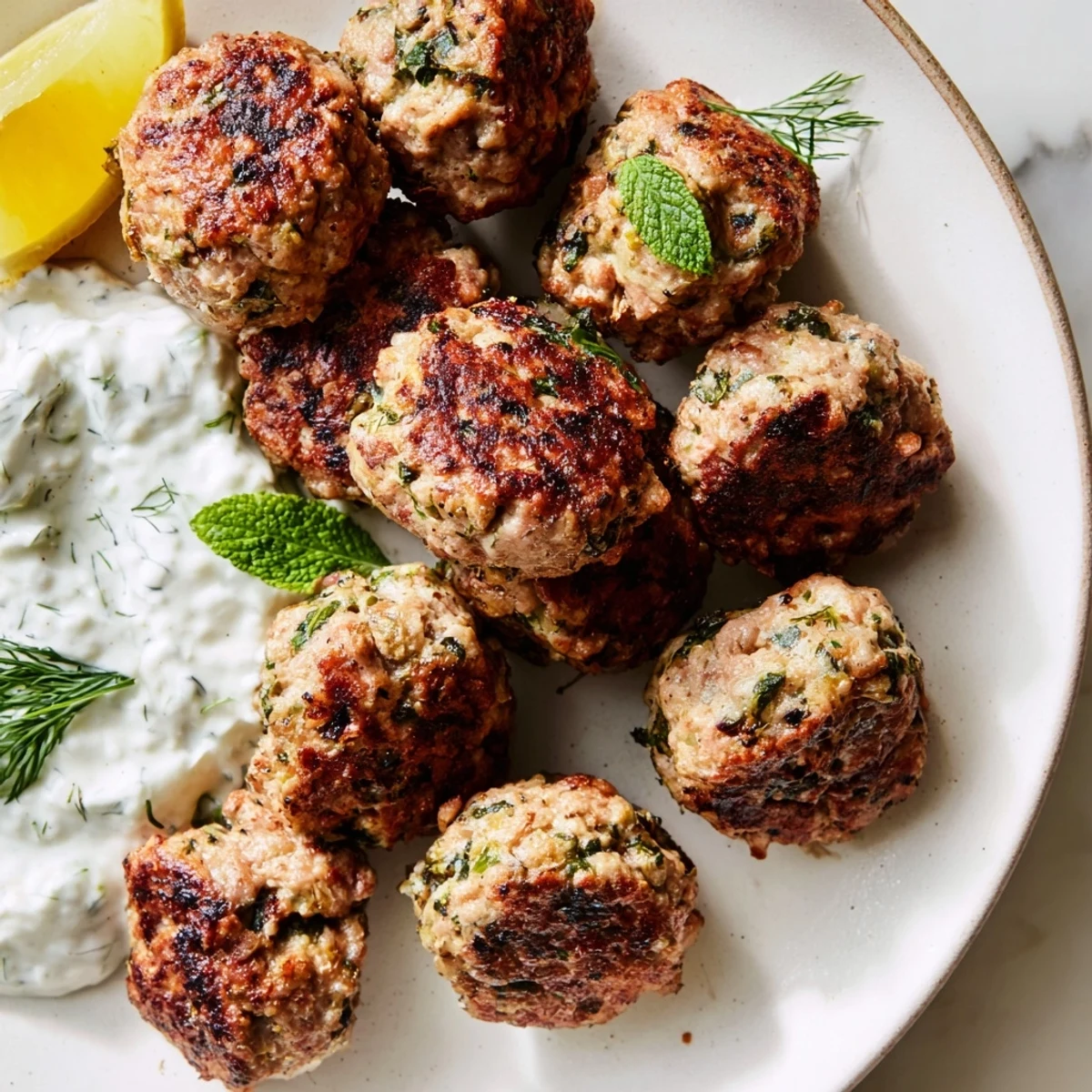
 These Greek turkey meatballs are bursting with Mediterranean flavors from fresh herbs like mint, parsley, and oregano, balanced by warm cumin and garlic.
Ground turkey keeps things lean while staying incredibly juicy, especially when pan-fried to a golden crust or baked until perfectly cooked through.
The homemade tzatziki brings everything together with creamy Greek yogurt, crisp cucumber, fragrant dill, and a bright squeeze of lemon.
Ready in under an hour, this protein-packed main feeds four and pairs beautifully with warm pita or a simple side salad for a complete meal.
Someone brought tzatziki to a potluck years ago and I spent the entire evening standing near that bowl, scooping it onto everything. That garlic laced yogurt haunted me for weeks until I finally attempted my own version at home, pairing it with turkey meatballs because ground beef felt too heavy for something so bright. The combination worked immediately, all herby and warm against that cold sauce, and now this is the dish friends request when they come over in summer.
My neighbor Elena smelled them through the open window one June evening and appeared at the door with a bottle of white wine before I even plated dinner. We sat on the porch tearing pita with our hands and she told me the cumin was unexpected but exactly right, which is still one of my favorite compliments about anything I have cooked.
Ingredients
- Ground turkey (500 g): Lean but not too lean, around 93 percent works best because a little fat keeps them moist.
- Breadcrumbs (half cup): These bind everything together and soak up moisture so the meatballs hold their shape without getting dense.
- One large egg: The glue that keeps your meatballs from crumbling in the pan.
- Garlic cloves (2 for meatballs, 1 for tzatziki, minced): Fresh is nonnegotiable here, the jarred stuff cannot compete with this flavor profile.
- One small onion, finely grated: Grating instead of chopping distributes sweetness evenly and keeps the texture tender.
- Fresh parsley and mint (2 tbsp and 1 tbsp, chopped): The mint is what makes people pause and ask what is in these, so do not skip it.
- Dried oregano (1 tsp): A staple backbone herb for anything Greek inspired.
- Ground cumin (1 tsp): This adds a subtle warmth that rounds out the Mediterranean flavors beautifully.
- Salt and black pepper (half tsp and quarter tsp): Season assertively because turkey needs more help than beef or lamb.
- Olive oil (2 tbsp for cooking): Use a good one for brushing or pan frying since the flavor comes through.
- Greek yogurt (1 cup, full fat preferred): Full fat makes tzatziki velvety and luxurious, low fat turns it watery and sad.
- Half a large cucumber, peeled, seeded, and grated: Squeezing it dry is the single most important step in this entire recipe.
- Fresh dill (1 tbsp, chopped): Dill and cucumber are best friends and this is where that magic happens.
- Lemon juice (1 tbsp): Brightens the tzatziki and ties it to the meatball seasoning.
- Extra virgin olive oil (1 tbsp for tzatziki): A drizzle at the end gives the sauce a silky finish.
- Lemon wedges, fresh herbs, warm pita or salad for serving: The accessories matter because squeezing fresh lemon over everything at the table is part of the experience.
Instructions
- Make the tzatziki first:
- Wrap that grated cucumber in a clean kitchen towel and squeeze until your hands ache, truly dry is the secret. Stir it into the yogurt with garlic, dill, lemon juice, olive oil, salt, and pepper, then tuck it into the fridge so the flavors can marry while you handle the meatballs.
- Build the meatball mixture:
- Drop everything into a large bowl and mix with your hands, gently and briefly, just until combined. Overworking turkey turns it rubbery, so treat the mixture kindly and stop as soon as no dry spots remain.
- Shape into balls:
- Roll walnut sized portions between damp palms, aiming for 18 to 20 even pieces. Wet hands prevent sticking and give you smoother rounds.
- Cook by pan frying:
- Heat olive oil in a large nonstick skillet over medium heat and add meatballs in batches so the pan is not crowded. Turn them every couple of minutes for 8 to 10 minutes total until deeply golden all over and cooked through to the center.
- Or bake them instead:
- Arrange on a parchment lined sheet at 200 degrees Celsius, brush with olive oil, and roast for 15 to 18 minutes, flipping once halfway through. This method is hands off and yields a slightly lighter result.
- Plate and serve:
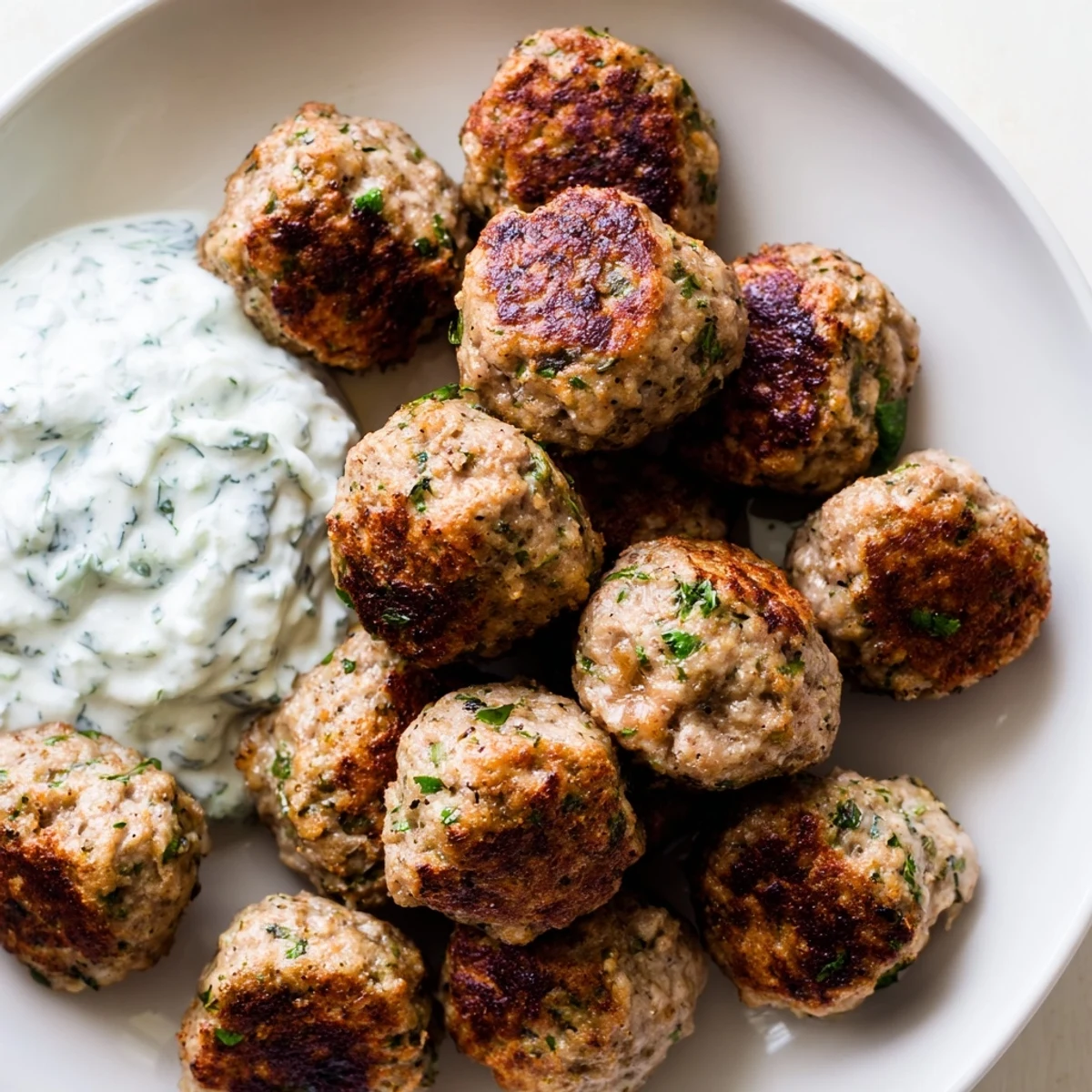
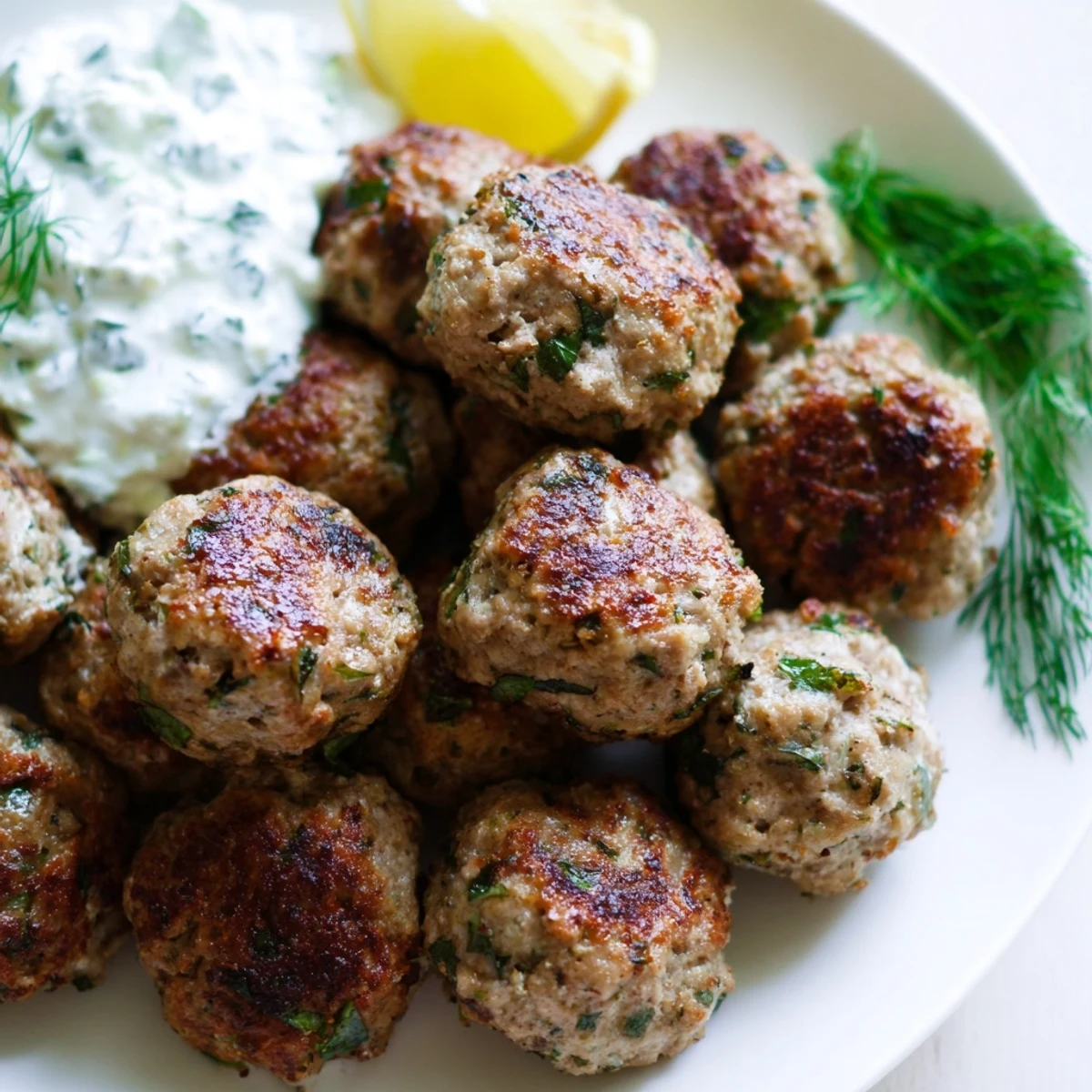
- Pile the meatballs on a platter with a generous bowl of tzatziki alongside, scatter herbs over everything, and hand out lemon wedges. Let people build their own plates with pita or salad as they please.
 Save to Pinterest
 The night I made these for a friend who had just moved to town, she sat crosslegged on my kitchen floor eating leftovers straight from the container and said she finally felt at home.
Getting Ahead and Storing
The tzatziki holds beautifully in the fridge for up to two days in a sealed container, and honestly it peaks around hour twelve when the dill and garlic have fully bloomed into the yogurt. Cooked meatballs keep for three days refrigerated and reheat gently in a skillet with a splash of water, or you can freeze the raw shaped balls on a sheet pan before transferring them to a bag for a month of easy weeknight dinners.
Swaps and Variations
Ground chicken works as a seamless substitute if that is what you have, and lamb turns everything richer and more intensely flavored in a way that feels celebratory. For gluten free, swap the breadcrumbs for a gluten free panko alternative or even finely ground oats, which perform nearly identically. A pinch of red pepper flakes in the meatball mix adds a gentle heat that plays surprisingly well against the cool tzatziki.
What to Serve Alongside
A simple salad of sliced tomatoes, red onion, and crumbled feta dressed with olive oil and red wine vinegar turns this into a full Greek inspired spread with almost no extra effort. Warm pita is the obvious companion but a bed of fluffy couscous or even roasted vegetables works when you want something heartier.
- Chill your serving plates in summer so the tzatziki stays cool longer at the table.
- A glass of Assyrtiko or Sauvignon Blanc cuts through the richness perfectly.
- Always make extra tzatziki because people will find things to dip into it long after the meatballs are gone.
 Save to Pinterest
 Keep this recipe close because once people taste it, they will ask for it again and again.
Recipe FAQs
- → Can I make the tzatziki ahead of time?
-
Yes, tzatziki actually tastes better when made in advance. You can prepare it up to two days ahead and keep it refrigerated in an airtight container. The flavors meld and develop beautifully overnight.
- → What's the best way to keep turkey meatballs juicy?
-
Don't overwork the mixture when combining ingredients, as this compacts the meat and makes meatballs tough. Mix gently until just combined. The breadcrumbs and egg also help retain moisture during cooking.
- → Can I bake these meatballs instead of pan-frying?
-
Absolutely. Arrange them on a parchment-lined baking sheet, brush lightly with olive oil, and bake at 200°C (400°F) for 15 to 18 minutes, turning halfway through. They'll come out golden and fully cooked.
- → What can I substitute for ground turkey?
-
Ground chicken works as a direct substitute with similar results. Ground lamb adds a richer, more traditional Greek flavor. Adjust seasoning slightly depending on the meat you choose.
- → How do I remove excess water from the cucumber for tzatziki?
-
Grate the cucumber, then wrap it in a clean kitchen towel or several layers of paper towels. Squeeze firmly to extract as much liquid as possible. This step is essential for a thick, creamy tzatziki rather than a watery one.
- → Are these meatballs gluten-free?
-
The standard version contains breadcrumbs, so it's not gluten-free. However, you can swap regular breadcrumbs for gluten-free breadcrumbs and the results remain excellent.