
 Save to Pinterest
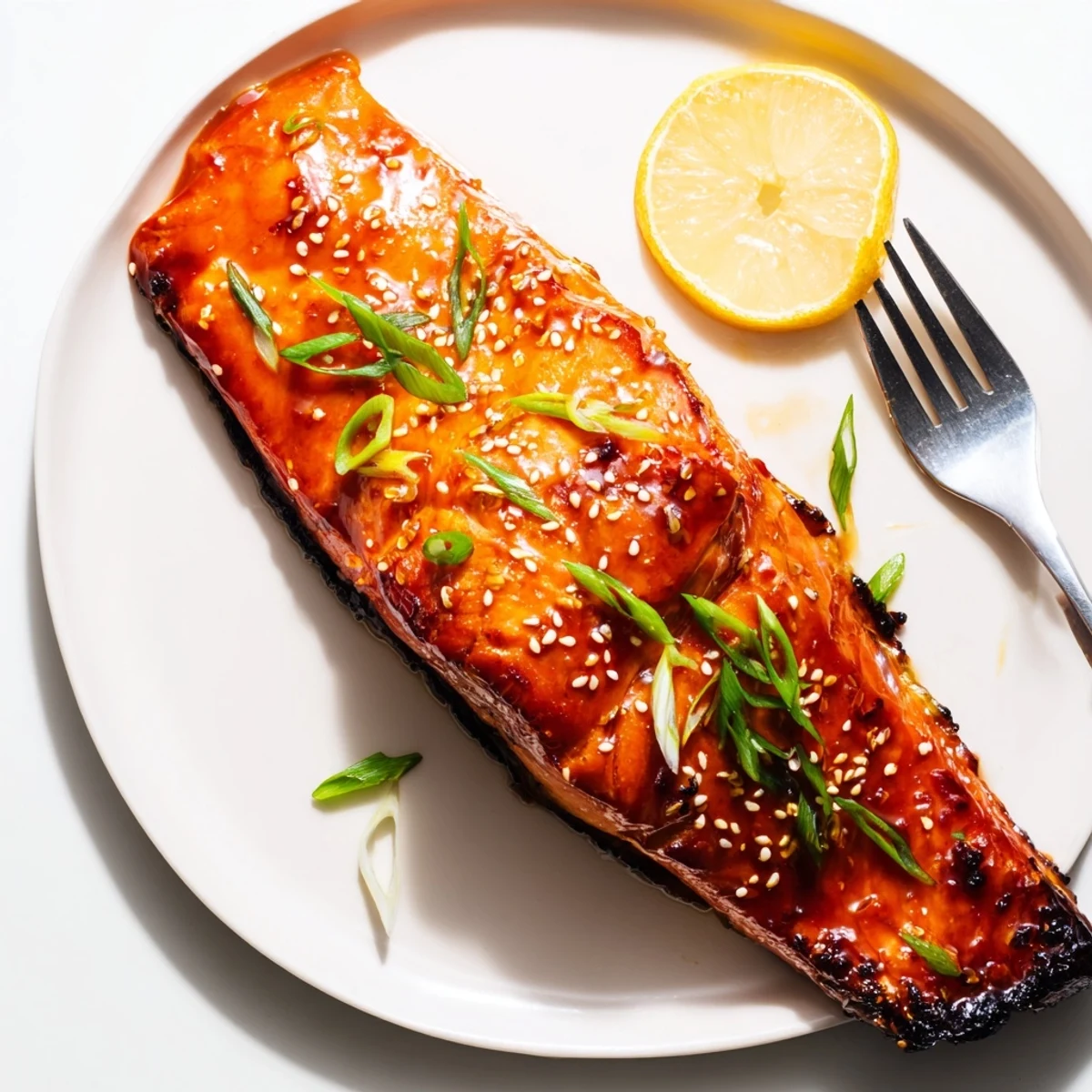
 Succulent salmon fillets are brushed with a homemade gluten-free teriyaki glaze made from tamari, maple syrup, rice vinegar, sesame oil, garlic, and ginger, then oven-baked until perfectly flaky.
Ready in just 25 minutes with only 10 minutes of prep, this dish delivers bold umami flavors without gluten. Thickened with a cornstarch slurry, the sauce caramelizes beautifully in the oven.
Garnished with toasted sesame seeds and sliced green onions, it pairs wonderfully with steamed rice or sautéed vegetables for a complete, light yet satisfying Asian-inspired dinner.
The smell of teriyaki hitting a hot pan is one of those scents that pulls everyone into the kitchen before you even call them for dinner. My neighbor once knocked on my door asking what I was cooking because the aroma had drifted through our shared hallway. Salmon glazed in a sticky, savory sauce is weeknight luxury at its finest, and making it gluten-free is easier than most people think. This recipe has saved more busy evenings than I can count.
I started making this when a friend with celiac disease came for dinner and I wanted her to feel completely catered to rather than accommodated. We stood in the kitchen catching up while the sauce simmered, and she kept dipping her finger in to taste it, declaring it better than any takeout she had ever ordered. That evening set the template for dozens of relaxed dinners since.
Ingredients
- Salmon fillets (4, about 150 g each): Skin on or off works, though skin on holds the fish together beautifully during baking and crisps up under the broiler.
- Gluten-free tamari (60 ml): This is your soy sauce replacement and the backbone of umami flavor, always check the label to confirm it is certified gluten-free.
- Pure maple syrup or honey (2 tbsp): Maple syrup gives a rounder, more mellow sweetness while honey adds a floral edge, choose based on your mood.
- Rice vinegar (2 tbsp): A gentle acidity that balances the richness of the salmon and keeps the sauce from feeling cloying.
- Sesame oil (1 tbsp): A little goes a long way here and adds that toasty, unmistakable Asian-inspired depth.
- Garlic, minced (2 cloves): Freshly minced always beats pre-jarred for this sauce, the sharpness melts into something sweet as it cooks.
- Fresh ginger, grated (1 tsp): Grate it finely right into the pan, the slight prickle it gives the glaze is what makes people ask for the recipe.
- Cornstarch (1 tbsp mixed with 2 tbsp cold water): This slurry is the magic trick that turns a thin liquid into a glossy, clingy glaze in under two minutes.
- Toasted sesame seeds (1 tbsp): Scatter these on top for a gentle crunch that makes every bite more interesting.
- Green onions, thinly sliced (2): Their sharp freshness cuts through the richness and adds a pop of color that photographs beautifully.
- Lemon wedges (optional): A squeeze at the end brightens the whole plate and makes the flavors sing one note higher.
Instructions
- Preheat and prepare your pan:
- Set your oven to 200 degrees Celsius (400 degrees Fahrenheit) and line a baking sheet with parchment paper so cleanup is effortless and the fish will not stick.
- Build the teriyaki sauce:
- In a small saucepan over medium heat, combine the tamari, maple syrup, rice vinegar, sesame oil, garlic, and ginger, then bring it to a gentle simmer until you see tiny bubbles forming at the edges.
- Thicken the glaze:
- Stir in the cornstarch slurry and whisk constantly for one to two minutes until the sauce transforms into a silky, thick glaze that coats the back of a spoon, then remove from heat immediately.
- Glaze the salmon:
- Place the salmon fillets on the prepared baking sheet and brush each one generously with the teriyaki glaze, saving a little extra for serving.
- Bake to perfection:
- Bake for twelve to fifteen minutes until the salmon is opaque and flakes easily when you press it gently with a fork, and if you want that irresistible caramelized edge, flip the broiler on for the final two minutes.
- Finish and serve:
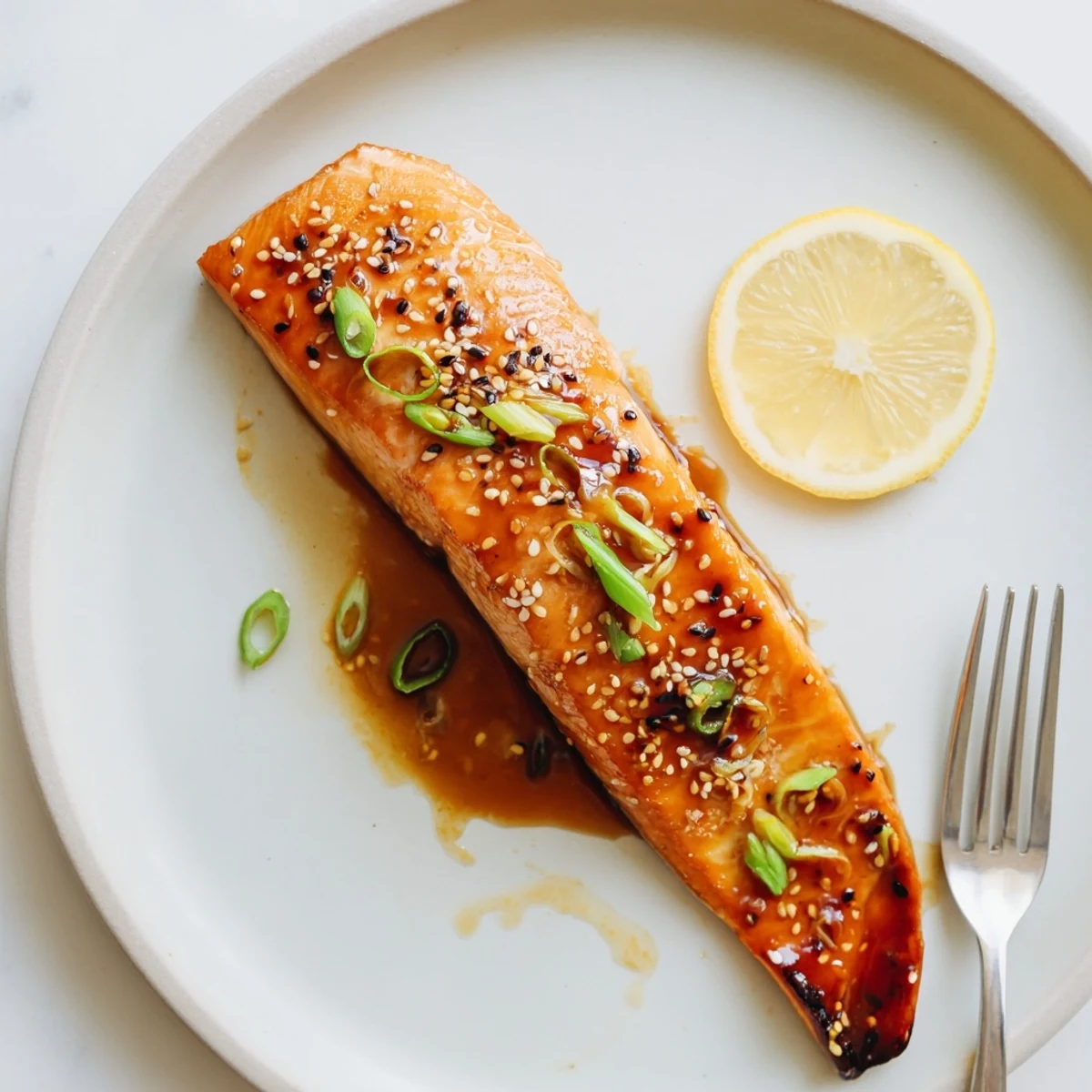
- Drizzle the remaining sauce over each fillet, scatter with sesame seeds and sliced green onions, and serve with lemon wedges on the side for a bright final squeeze.
 Save to Pinterest
 The night I served this to my parents, my father who never comments on food went back for a second fillet without saying a word. That silent gesture meant more than any compliment could have conveyed.
What to Serve Alongside
Steamed jasmine rice is the most natural companion here because it soaks up every drop of extra sauce and stretches the meal beautifully. Sautéed bok choy or a simple cucumber salad with rice vinegar adds crunch and freshness that keeps the plate from feeling heavy. A glass of crisp Sauvignon Blanc alongside turns a Tuesday dinner into something that feels like a tiny celebration.
Tools That Make It Easier
A small saucepan with a heavy base distributes heat evenly and prevents the sugar in the maple syrup from scorching. A silicone pastry brush is worth owning just for this recipe because it spreads the glaze evenly without shedding bristles onto your fish. Parchment paper is non-negotiable for me since it means the salmon lifts cleanly off the pan every single time.
Storing and Reheating
Covered tightly in the refrigerator, leftover salmon keeps well for up to two days though the texture is best on day one. Reheat gently in a low oven rather than a microwave to avoid cooking it further and drying out the fish. If you are eating it cold, flake it over a bowl of rice with any remaining sauce drizzled on top.
- Store the sauce separately if possible so the fish does not become soggy overnight.
- Freezing is not recommended because the glaze can separate upon thawing.
- Always smell leftovers before eating since fish is one ingredient you want to be cautious with.
 Save to Pinterest
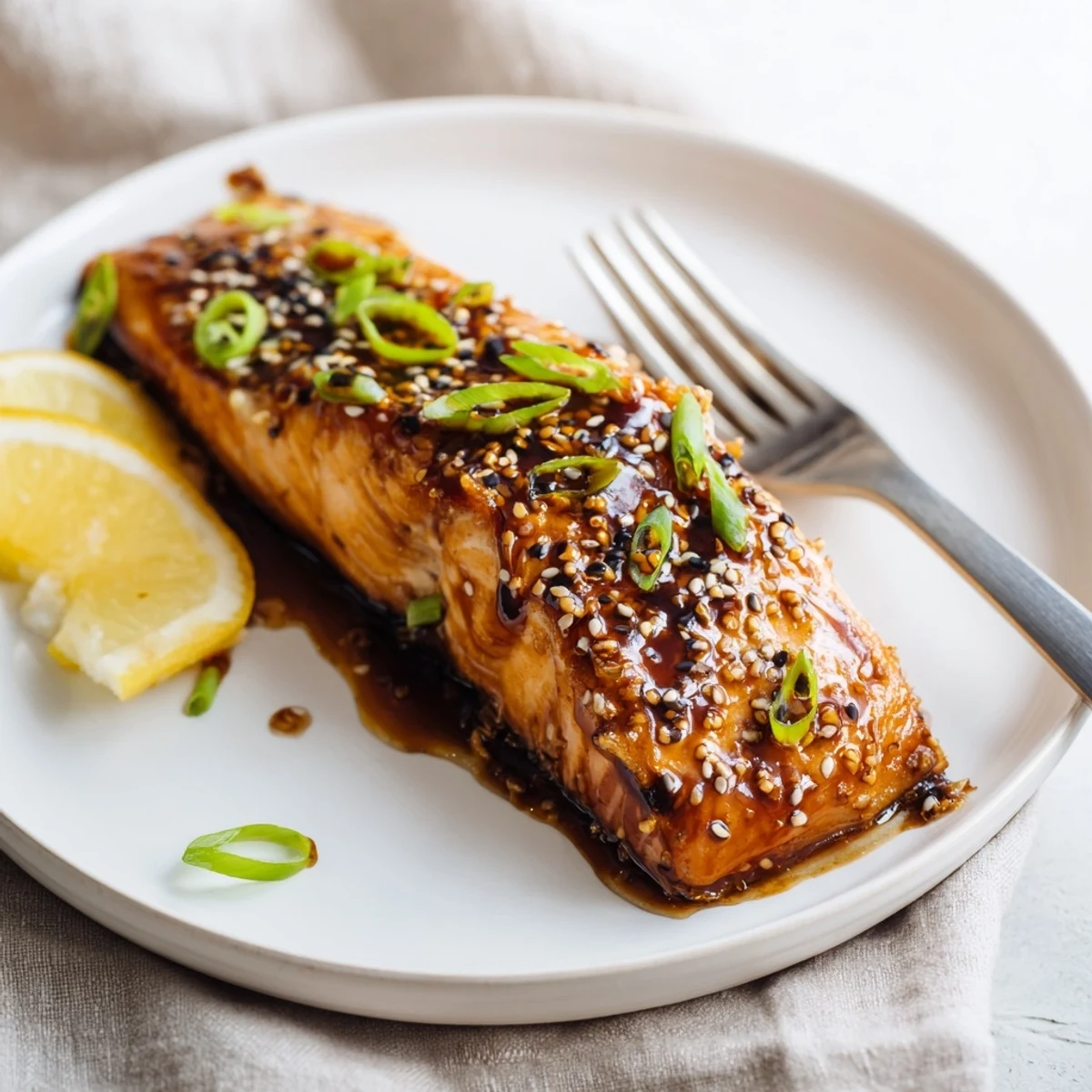
 This teriyaki salmon is proof that gluten-free cooking never has to mean compromising on flavor or satisfaction. Make it once and it will quietly become part of your regular rotation without anyone realizing it was born from a dietary need.
Recipe FAQs
- → Can I use regular soy sauce instead of tamari?
-
Regular soy sauce contains gluten, so it won't keep this dish gluten-free. Tamari is a gluten-free alternative with a similar rich, savory flavor. If gluten is not a concern for you, regular soy sauce works fine as a direct substitute.
- → How do I know when the salmon is done baking?
-
Salmon is ready when it turns opaque throughout and flakes easily when pressed gently with a fork. An instant-read thermometer should register 63°C (145°F) at the thickest part. Baking typically takes 12 to 15 minutes at 200°C (400°F).
- → Can I marinate the salmon before baking?
-
Yes, marinating the salmon in half the teriyaki sauce for about 30 minutes before baking adds extra depth of flavor. Reserve the remaining sauce for brushing during baking and drizzling at the end.
- → What sides go well with teriyaki salmon?
-
Steamed jasmine or brown rice is a classic pairing that soaks up the extra sauce. Sautéed vegetables like bok choy, snap peas, or broccoli also complement the dish beautifully. A simple cucumber salad adds a refreshing crunch.
- → How should I store and reheat leftovers?
-
Store leftover salmon in an airtight container in the refrigerator for up to 2 days. Reheat gently in a 160°C (325°F) oven for about 8 minutes to avoid drying it out. Gentle microwaving at reduced power also works, though the texture may soften slightly.
- → Can I make the teriyaki sauce ahead of time?
-
The teriyaki sauce can be prepared up to 3 days in advance and stored in an airtight container in the refrigerator. Reheat it gently in a saucepan, whisking to restore its smooth consistency before brushing onto the salmon.