
 Save to Pinterest
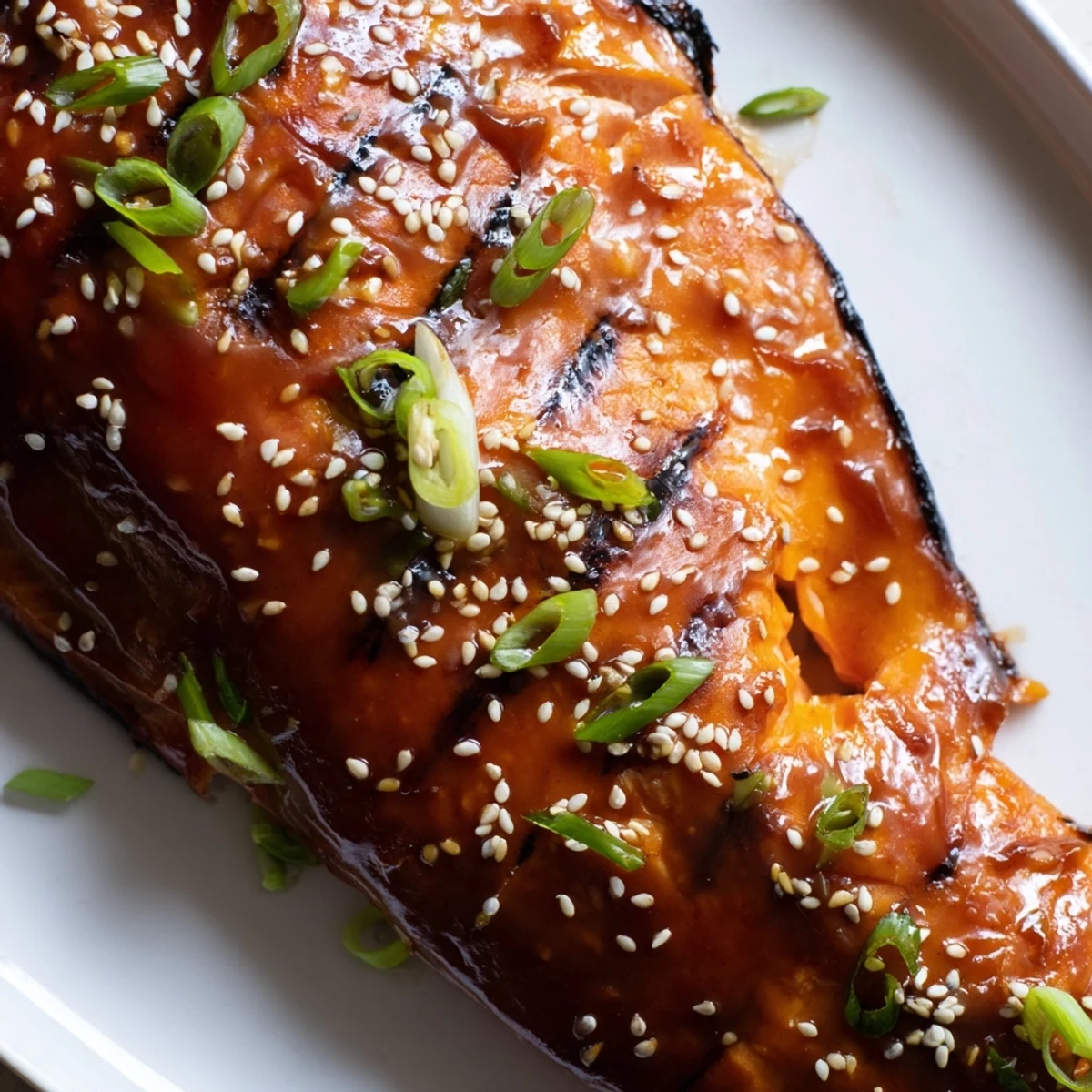
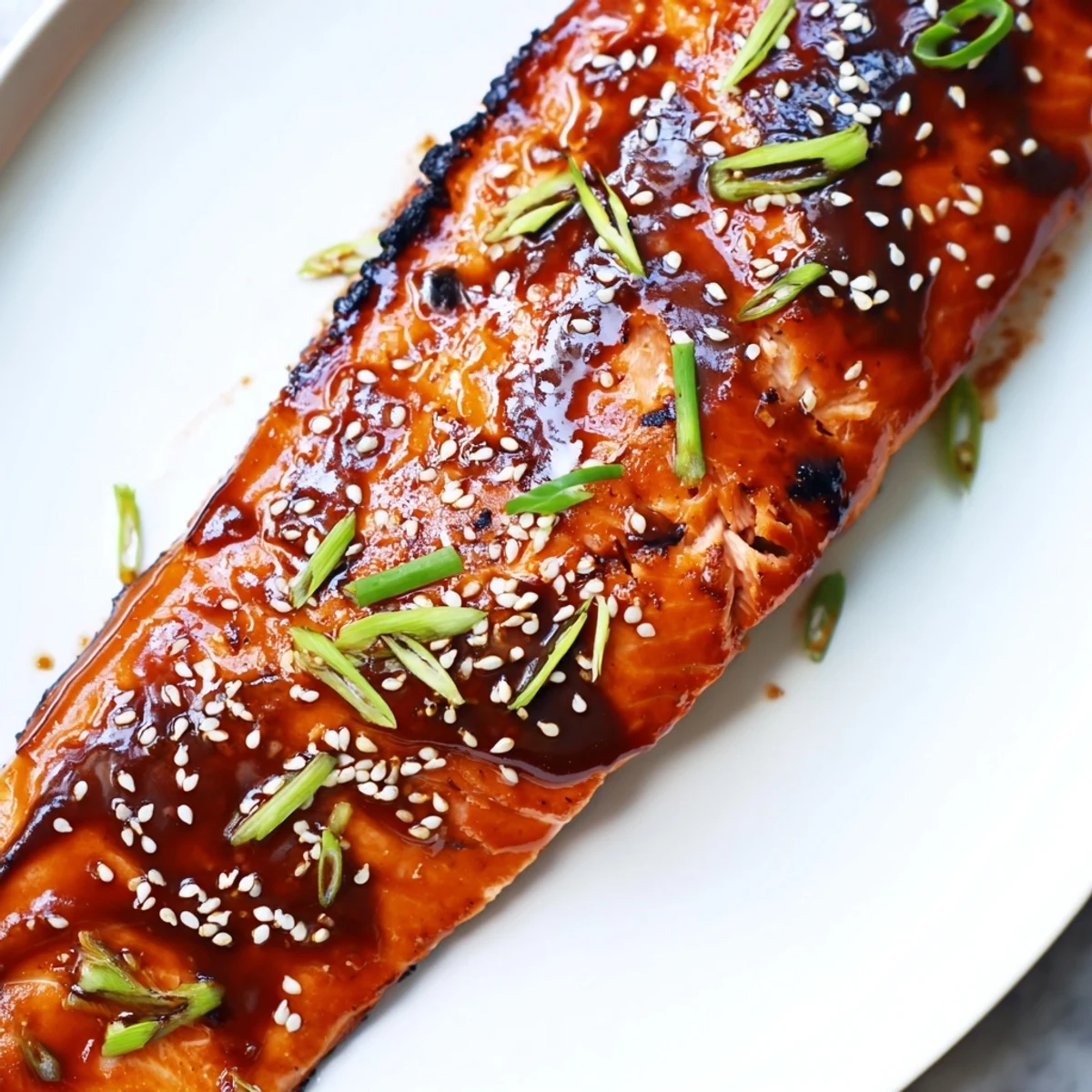
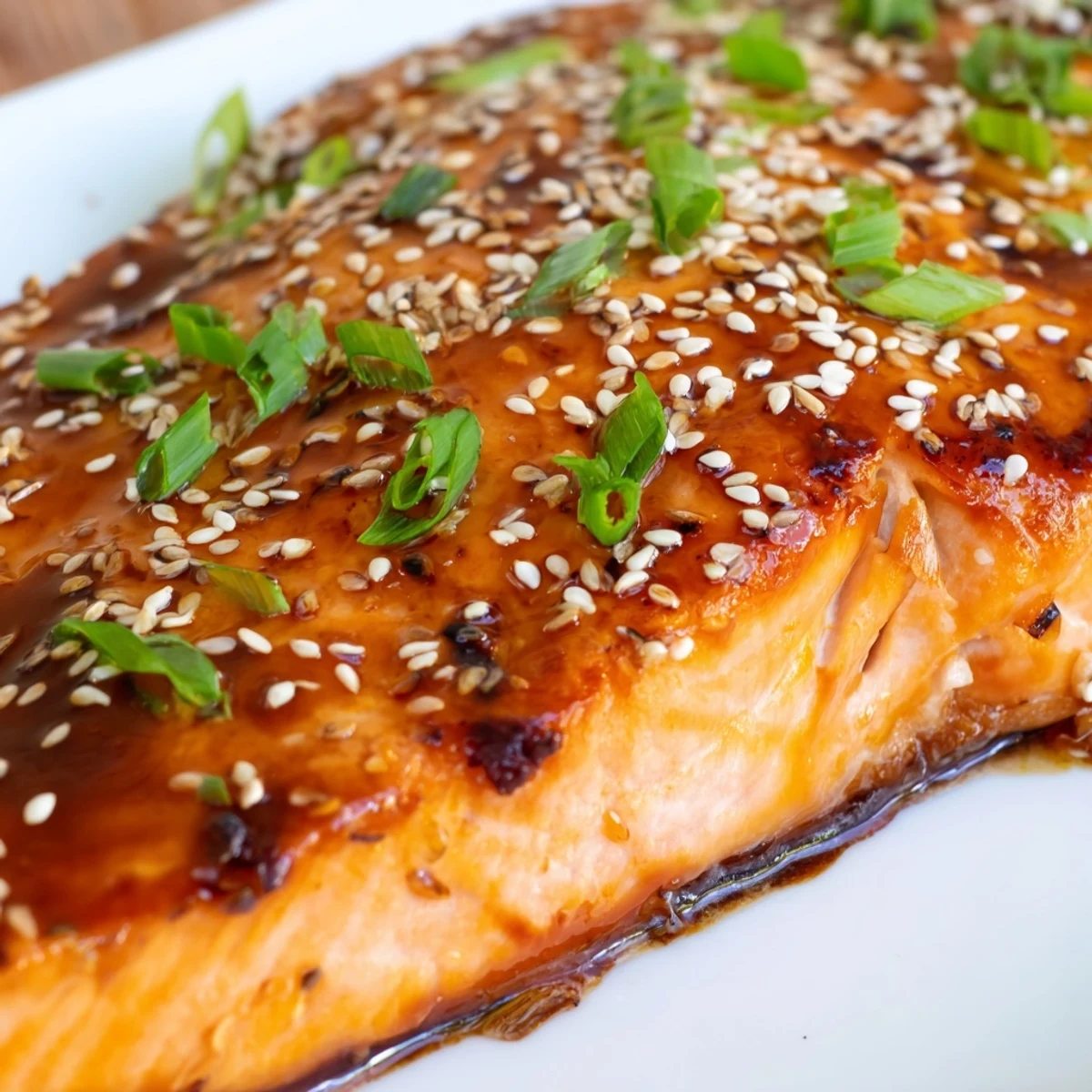
 This gluten-free teriyaki salmon brings bold Asian flavors to your dinner table in just 25 minutes. Fresh salmon fillets are baked to perfection and generously coated in a homemade teriyaki glaze made with tamari, pure maple syrup, rice vinegar, and sesame oil.
The sauce comes together quickly on the stovetop, thickened with a simple cornstarch slurry for that classic glossy finish. Each fillet bakes in about 12 to 15 minutes until it flakes effortlessly with a fork.
Garnished with toasted sesame seeds and thinly sliced spring onions, this dish pairs beautifully with steamed jasmine rice or sautéed vegetables. It is naturally dairy-free and certified gluten-free when using the right tamari.
The sizzle of salmon hitting a hot pan is one of those sounds that makes everyone in the house wander into the kitchen, pretending they need a glass of water. My neighbor Linda knocked on my door one Tuesday evening asking if I had any soy sauce, and she ended up staying for dinner because the smell drifting through the hallway was apparently impossible to ignore. That was the night I realized this gluten free teriyaki salmon had graduated from weeknight convenience to full blown dinner party material.
I used to be intimidated by making teriyaki from scratch, convinced it required some special ingredient I would never find at my local grocery store. Then I realized it is basically just a sweet, savory, tangy reduction that comes together in one small pot, and the homemade version tastes infinitely better than anything from a bottle.
Ingredients
- 4 skin on salmon fillets (about 150g each): Skin on is the way to go here because it protects the flesh from drying out and gets beautifully crispy if you decide to sear before baking.
- 60 ml gluten free tamari: This is your soy sauce substitute and the umami backbone of the entire dish, so make sure it is certified gluten free if that matters for your household.
- 60 ml pure maple syrup or honey: Maple syrup gives a rounder, warmer sweetness while honey adds a floral note, and both caramelize beautifully in the oven.
- 2 tbsp rice vinegar: The acid balances the sweetness and saltiness, preventing the glaze from tasting one dimensional.
- 1 tbsp sesame oil: Just a small amount delivers that toasty, nutty aroma that makes everything taste unmistakably Asian inspired.
- 2 cloves garlic, minced: Fresh garlic is non negotiable here, and finely mincing it ensures it distributes evenly through the sauce.
- 1 tsp fresh ginger, grated: Use a microplane to get it almost paste like so it melts into the sauce rather than leaving stringy bits.
- 1 tsp cornstarch plus 2 tsp cold water: This slurry is what transforms a thin liquid into a glossy, clingy glaze that actually stays on the salmon instead of pooling on the pan.
- 1 tsp toasted sesame seeds: Toasting them briefly in a dry pan wakes up their flavor and adds a satisfying crunch.
- 2 spring onions, thinly sliced: Scatter these on at the very end for a fresh, mild onion bite and a pop of green color.
Instructions
- Build the sauce base:
- Combine tamari, maple syrup, rice vinegar, sesame oil, garlic, and ginger in a small saucepan and bring it to a gentle simmer over medium heat, stirring occasionally so nothing catches on the bottom.
- Thicken to a glossy glaze:
- Whisk the cornstarch and cold water together in a small bowl until smooth, then pour it into the simmering sauce while whisking constantly. Keep cooking for about two minutes until it coats the back of a spoon and looks like something you want to eat with a spoon.
- Prep the oven and the fish:
- Heat your oven to 200 degrees Celsius (400 Fahrenheit) and line a baking tray with parchment paper. Pat the salmon fillets dry with paper towels and lay them skin side down on the tray.
- Glaze generously:
- Brush each fillet with a generous coating of the teriyaki sauce, saving a little extra for serving. Do not be shy about it, because some of it will caramelize and some will sink into the fish.
- Bake until perfectly flaky:
- Slide the tray into the oven and bake for 12 to 15 minutes, depending on thickness, until the salmon flakes easily when you twist a fork in the thickest part. The edges should be slightly caramelized and the center still moist.
- Finish and serve:
- Sprinkle toasted sesame seeds and sliced spring onions over the top, drizzle with any reserved sauce, and serve immediately while the salmon is still glistening and warm.
 Save to Pinterest
 The night my friend David, who has been gluten free for years, took a bite and then sat back in his chair with a stunned expression, I knew this recipe had earned a permanent spot in my rotation.
What to Serve Alongside
Steamed jasmine rice is the obvious choice because it soaks up the extra teriyaki sauce like a sponge, but I have also served this over a bed of sauteed bok choy and snap peas when I wanted something lighter. A quick cucumber salad with rice vinegar and a pinch of sugar makes a refreshing side that cuts through the richness of the salmon.
Adjusting the Sweetness and Heat
If you prefer a less sweet glaze, start with three tablespoons of maple syrup instead of a full quarter cup and taste the sauce before adding the slurry. For a spicier version, a pinch of red chili flakes in the sauce base adds warmth without overwhelming the delicate salmon, and a squeeze of lime juice at the end brightens everything up beautifully.
Getting the Timing Right
The beauty of this recipe is that the sauce can be made ahead and refrigerated for up to a week, which means on a busy night you only need to glaze the salmon and bake it. I usually make a double batch of the sauce and keep half in a jar for impromptu dinners throughout the week.
- Take the salmon out of the fridge 15 minutes before baking so it cooks evenly.
- Leftovers keep well in the refrigerator for two days and are excellent cold on top of a rice bowl.
- Trust the fork test rather than the timer, because salmon thickness varies wildly and overcooked salmon is a tragedy.
 Save to Pinterest
 This is the kind of recipe that makes you look like you tried much harder than you actually did, and there is absolutely nothing wrong with that.
Recipe FAQs
- → Can I use regular soy sauce instead of tamari?
-
Regular soy sauce contains gluten, so it is not suitable for this gluten-free version. Tamari is a Japanese soy sauce alternative that is typically gluten-free. Always check the label to ensure it is certified gluten-free if that is a dietary requirement.
- → How do I know when the salmon is fully cooked?
-
The salmon is done when it flakes easily with a fork. This typically takes 12 to 15 minutes in a 200°C (400°F) oven. The internal temperature should reach 63°C (145°F) for food safety. Avoid overcooking as the fish will become dry and lose its tender texture.
- → Can I pan-sear the salmon instead of baking?
-
Yes, pan-searing works wonderfully. Heat a tablespoon of oil in a skillet over medium-high heat, place the salmon skin-side up, and cook for about 4 minutes per side. Brush with teriyaki sauce during the last minute of cooking to create a caramelized glaze.
- → What can I substitute for maple syrup in the teriyaki sauce?
-
Honey is an excellent substitute for maple syrup and will provide a slightly different sweetness profile. For a refined sugar-free option, coconut aminos can also work, though the sauce will be less sweet. Adjust quantities to taste.
- → How should I store leftover teriyaki salmon?
-
Store leftover salmon in an airtight container in the refrigerator for up to 2 days. Reheat gently in the oven at 160°C (325°F) to prevent the fish from drying out. The teriyaki sauce can be stored separately in the fridge for up to a week.
- → Is this dish suitable for meal prep?
-
The teriyaki sauce can be prepared in advance and stored in the refrigerator for up to a week. However, salmon is best enjoyed fresh. If meal prepping, consider making the sauce ahead and cooking the salmon the day you plan to serve it for the best texture and flavor.