
 Save to Pinterest
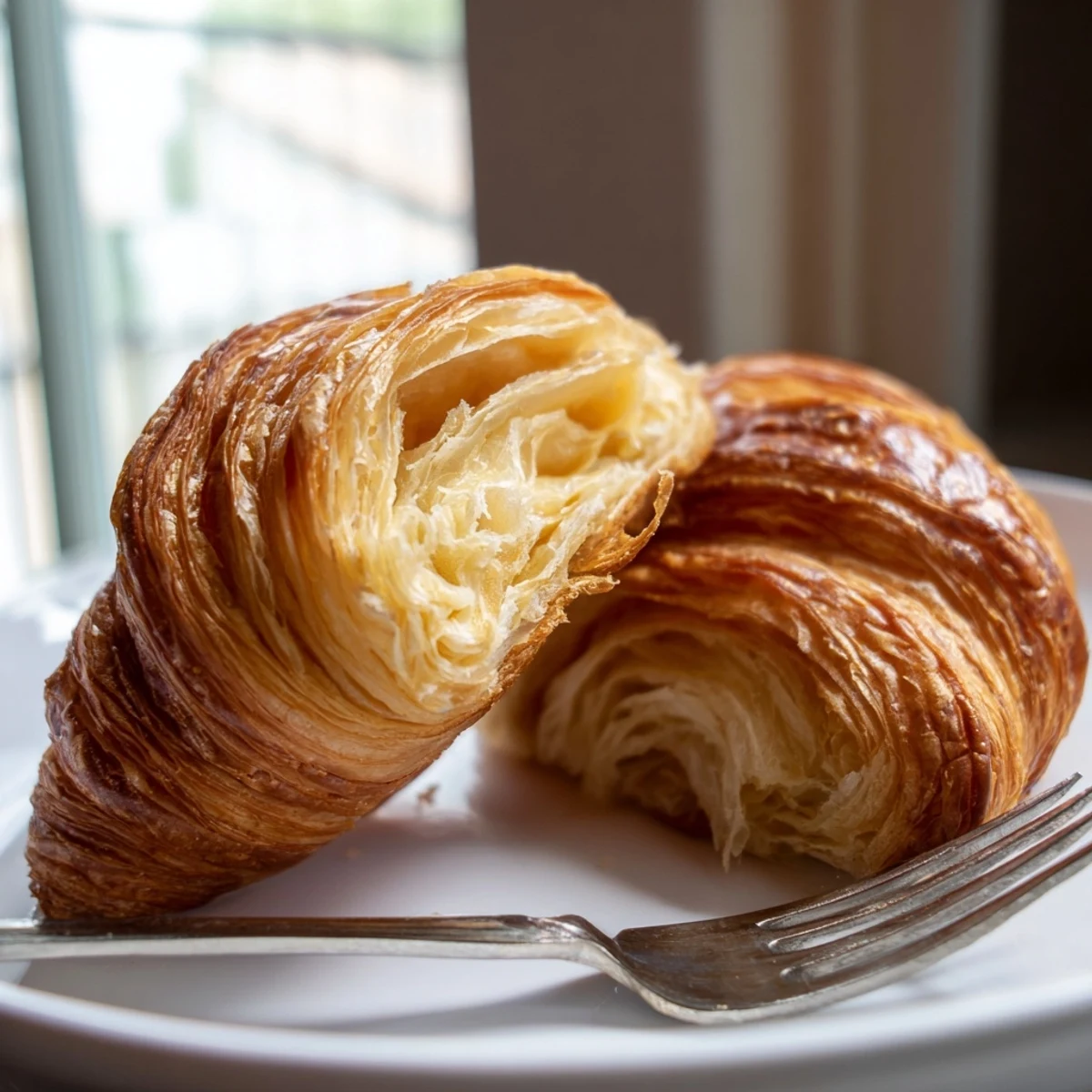
 Master the art of laminated dough with these stunning gluten-free croissants that rival any French bakery. The secret lies in the precise folding technique and keeping everything chilled throughout the process. You'll create twenty-seven delicate layers through strategic rolling and folding, resulting in that signature shatteringly crisp exterior and tender, airy interior.
While these require patience and practice, the reward of pulling warm, golden crescents from your own oven is absolutely worth every minute. Serve them fresh with your favorite jam or simply enjoy plain, letting the buttery layers speak for themselves. Perfect for special weekend breakfasts or when you want to impress guests with authentic French patisserie skills.
The first time I attempted gluten-free croissants, my kitchen looked like a flour bomb had gone off. I had promised my newly diagnosed celiac friend she would taste real pastry again, something with actual layers that shatter when you bite them. Three failed attempts later, I finally understood that gluten-free dough needs more patience than its wheat counterpart, but the payoff of watching someone take that first skeptical bite, then immediately reach for another, that is worth every frustrating moment.
Last Christmas morning, I made a double batch and watched my usually skeptical father-in-law eat three before asking what made them different from regular croissants. When I told him they were gluten-free, he genuinely looked confused and reached for a fourth. That moment of someone enjoying food without worrying about what is missing, that is the magic right there.
Ingredients
- Gluten-free all-purpose flour with xanthan gum: This is your foundation and the xanthan gum is crucial for structure
- Almond flour: Adds tenderness and a lovely richness that wheat flour would normally provide
- Instant yeast: Reliable and quick, perfect for this dough that needs careful temperature management
- Unsalted butter: Cold butter creates those distinct layers we are chasing
- Warm milk and water: The liquid temperature should feel like a comfortable bath, not hot
- Eggs: Room temperature eggs incorporate better into the dough structure
- Granulated sugar: Helps with browning and adds just enough sweetness to balance the butter
- Salt: Do not skip this as it balances all the flavors and keeps the pastry from tasting flat
Instructions
- Mixing the Foundation:
- Whisk the dry ingredients together thoroughly in a large bowl, then combine the warm liquids and softened butter separately before pouring them into the flour mixture. Mix until the dough comes together and feels sticky to the touch, which is exactly what you want it to be.
- The First Chill:
- Shape your dough into a rough rectangle, wrap it tightly in plastic wrap, and let it rest in the refrigerator for 45 minutes. This rest period hydrates the flour and makes the dough much easier to work with during the rolling process.
- Preparing the Butter Layer:
- Take your cold butter and slice it into thin, even pieces, then arrange them between two sheets of parchment paper. Pound the butter with a rolling pin until it flattens into a smooth six by eight inch rectangle, keeping everything as cold as possible.
- The First Letter Fold:
- Roll your chilled dough into a twelve by eight inch rectangle and place the butter layer over the bottom two thirds, leaving a small border. Fold the top third down over the butter, then fold the bottom third up like you are folding a letter, creating three layers with butter sandwiched between each.
- The Rolling Turns:
- Rotate the dough ninety degrees, roll it out again to the same dimensions, and repeat the letter fold, then chill for twenty minutes. Do this process two more times, keeping the dough chilled between each turn, which creates all those beautiful flaky layers.
- The Final Rest:
- After completing your fourth and final fold, wrap the dough and let it chill for a full hour to relax the gluten-free flours and firm up all those butter layers you have created.
- Shaping the Croissants:
- Roll the chilled dough into a sixteen by ten inch rectangle and cut it into eight equal triangles using a sharp knife or pizza cutter. Starting from the wide end, roll each triangle tightly toward the point and place them on a parchment-lined baking sheet with the point tucked underneath.
- The Proofing Stage:
- Cover the shaped croissants loosely and let them rise in a warm spot for one to one and a half hours. You are looking for them to appear slightly puffy and hold a gentle fingerprint when touched, not doubled in size like bread dough.
- The Golden Finish:
- Whisk the egg with milk for a rich egg wash and brush each croissant gently, being careful not to let the liquid drip down the sides. Bake at four hundred degrees for twenty to twenty two minutes until they turn a deep golden brown and your kitchen smells like a Parisian bakery.
 Save to Pinterest
 There is something deeply satisfying about pulling a tray of golden croissants from the oven, especially when you have spent hours carefully folding and chilling the dough. My friend cried the first time she tasted these, not because they were perfect, but because they were just normal, delicious pastry that happened to be safe for her to eat.
Temperature Control Secrets
Working with gluten-free dough means constantly balancing between cold enough to keep the butter distinct and warm enough to roll without cracking. I keep an ice pack nearby and chill my rolling pin, and I have learned that warm hands are the enemy of flaky layers. If you feel the butter softening while you work, wrap everything up and take a break.
Dairy-Free Adaptations
After my sister developed a dairy sensitivity, I experimented extensively with plant-based alternatives and found that high-quality vegan butter works surprisingly well for lamination. The trick is using a butter block style rather than tub spreads, and you may need to adjust the chilling times since dairy-free butter softens faster than traditional butter. The flavor shifts slightly but the texture remains remarkably close to the original.
Storage and Serving Suggestions
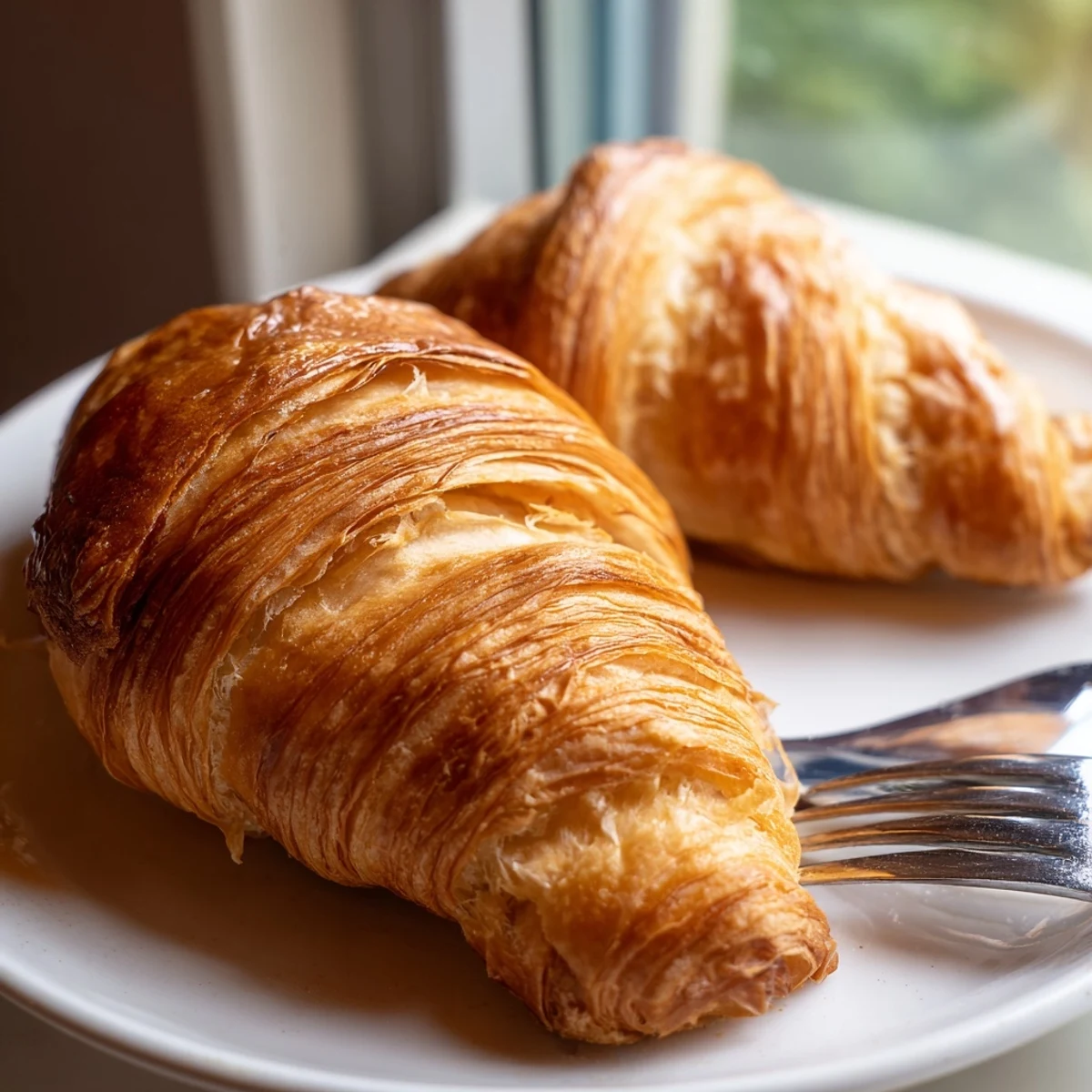
These croissants are best enjoyed the same day they are baked, ideally while still slightly warm from the oven. If you need to store them, wrap each one individually and freeze immediately, then refresh in a three hundred fifty degree oven for five to seven minutes.
- Serve alongside raspberry jam and good butter for a classic breakfast
- Split and toast them, then fill with ham and gruyere for lunch
- Day-old croissants make excellent bread pudding or pain perdu
 Save to Pinterest
 Every batch teaches you something new about patience and precision, and every imperfect, slightly lopsided croissant still brings joy to the table. That, ultimately, is what baking is really about.
Recipe FAQs
- → Can I make these completely dairy-free?
-
Yes, simply substitute the butter with high-quality plant-based butter blocks and use your favorite non-dairy milk. The texture remains excellent when using solid butter alternatives.
- → Why must the dough stay cold during lamination?
-
Cold temperature prevents the butter layers from melting into the dough. This separation creates those signature flaky layers during baking. If dough becomes too warm, refrigerate immediately.
- → Can I freeze the dough before baking?
-
Absolutely. After shaping the croissants, freeze them on the tray until firm, then transfer to an airtight bag. When ready to bake, let them thaw and proof overnight in the refrigerator.
- → What's the best way to tell when they're fully baked?
-
Look for deep golden-brown color on all sides. They should feel light when lifted and have a hollow sound when tapped on the bottom. The internal temperature should reach 190°F.
- → Can I use a different gluten-free flour blend?
-
Results vary between flour brands. Choose a blend containing xanthan gum for structure. Some blends may absorb more liquid, so adjust dough hydration slightly if needed.
- → Why did my croissants lose their shape during baking?
-
This usually happens when they're over-proofed or the butter gets too warm before baking. Ensure they proof just until slightly puffy, not doubled, and keep them chilled until they hit the oven.