
 Save to Pinterest
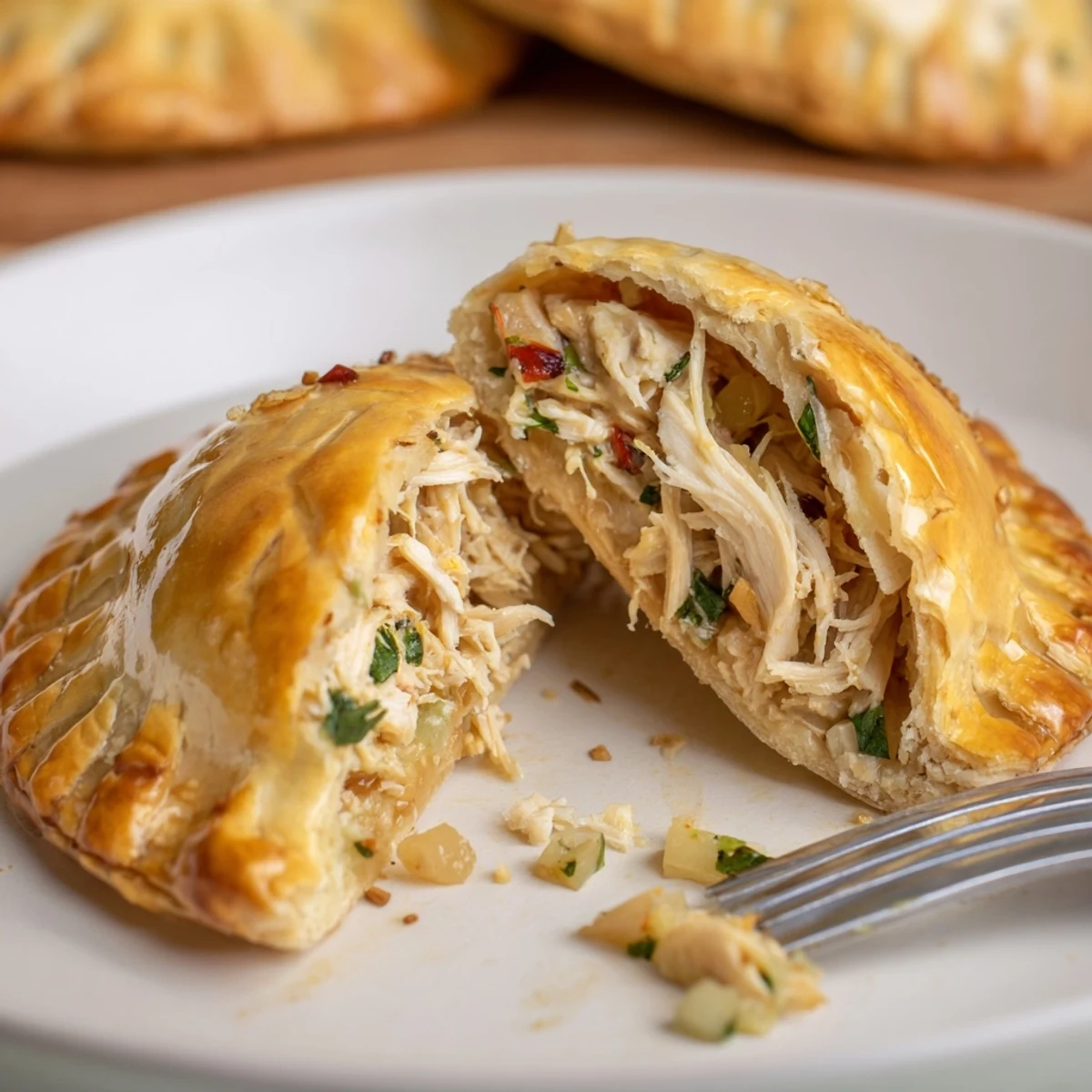
 Make a tender gluten-free dough by cutting cold butter into a flour blend with baking powder and xanthan gum, then bind with egg, vinegar and chilled water. Sauté onion, garlic and bell pepper with cumin, smoked paprika and oregano, stir in shredded chicken, tomato sauce, olives and cilantro. Roll dough thin, fill and crimp, brush with egg and bake at 400°F until golden. Freeze unbaked empanadas or swap chicken for mushrooms or beans.
It’s funny how the simplest triggers—a puff of warm pastry aroma or the snap of a golden edge—can transport you right back to your kitchen counter, hands dusted with flour. That’s what happened the first time I made these gluten-free chicken empanadas: I was more caught up in the sizzle from the skillet than following any strict rules. Somewhere along the way, between sneaking tastes of the filling and fussing with imperfect crimped edges, I realized food like this is about savoring messiness and laughter as much as flavor. These empanadas were the reward: tender, savory, and wildly satisfying to pull apart.
I’ll never forget bringing a freshly baked batch to a park picnic—half the group doubted they were gluten-free until every crumb disappeared. Someone mistook my slightly odd crimping for a 'rustic touch', which still makes me laugh. In the end, no one cared about perfect looks because the layers of flavor and that buttery bite said it all. I had to promise a double batch next time.
Ingredients
- Gluten-free all-purpose flour blend (with xanthan gum): Not all blends are equal; make sure yours has xanthan gum for structure and elasticity, or add 1/2 teaspoon if not.
- Salt: Just enough is essential to bring out both the dough and filling flavors.
- Baking powder: This gives the dough a subtle lift, ensuring it turns tender—not dense.
- Cold unsalted butter: I learned to cube it and keep it ice-cold to achieve the flakiest layers in a gluten-free pastry.
- Eggs: One binds the dough with richness, and the other for that irresistible golden kiss on top.
- Cold water: Splash in gradually—too much, and your dough turns sticky; too little, and it crumbles.
- Apple cider vinegar: Just a dash makes the dough more tender and helps with browning.
- Cooked chicken breast: I use leftovers or poach some fresh; shredding finely helps everything blend into every bite.
- Olive oil: A little for the skillet brings out aromatics and sets the stage for flavor.
- Onion: Chop it finely so it melts into the chicken mixture and doesn’t overpower.
- Garlic: Minced for even distribution; it’s subtle background magic in the filling.
- Red bell pepper: Adds color, sweetness, and some texture contrast—don’t skip, even if skeptical.
- Ground cumin: Essential to give the filling its warm, earthy backbone.
- Smoked paprika: Adds smoky depth that elevates the mild chicken.
- Dried oregano: A pinch pulls the filling together with herby brightness.
- Chili powder: Optional, but it’s my favorite way to add a gentle kick.
- Salt and black pepper: Always use both for balanced seasoning.
- Tomato sauce: A little goes a long way—just enough to bind everything and add moisture.
- Chopped green olives (optional): For briny pops of flavor. I was skeptical at first, but now I’m hooked.
- Fresh cilantro or parsley: Stir in just before filling for a burst of herbaceousness.
Instructions
- Mix the dry ingredients:
- Sift flour, salt, and baking powder into a bowl—feel the weight lighten in your palms.
- Cut in the butter:
- Drop in cold, cubed butter; use a pastry cutter or fingertips to work it in until it all resembles coarse sand with pea-sized crumbs.
- Bring together the dough:
- Add one egg, vinegar, and cold water. Stir just until it clumps; knead gently until a rough dough forms, then shape into a disc and chill for 30 minutes.
- Sauté the aromatics:
- Heat olive oil in a skillet over medium, then add onion and garlic. Sauté until their scent sweetens and the edges turn golden, about 3 minutes.
- Add the veggies and spices:
- Stir in bell pepper, cumin, paprika, oregano, chili powder, salt, and pepper. Let them mingle for 2 minutes, stirring, until the peppers soften and the kitchen smells irresistible.
- Finish the filling:
- Stir in shredded chicken and tomato sauce; cook until everything is coated and just thickened. Remove from heat, add olives and herbs, and let cool until you can handle it easily.
- Prepare to shape:
- Preheat your oven to 400°F and line a baking sheet with parchment. Dust your work surface lightly with gluten-free flour.
- Roll and cut the dough:
- Roll out dough to about 1/8-inch thick. Cut circles using a 4–5-inch cutter or an upturned bowl.
- Fill and seal:
- Spoon 2 tablespoons filling into the center of each round. Fold dough over, press the edge to seal, then crimp with a fork for a classic look (no need for perfection).
- Egg wash and bake:
- Arrange empanadas on your baking sheet. Beat the second egg and brush over the tops for shine, then bake 20–25 minutes until just golden and aromatic.
 Save to Pinterest
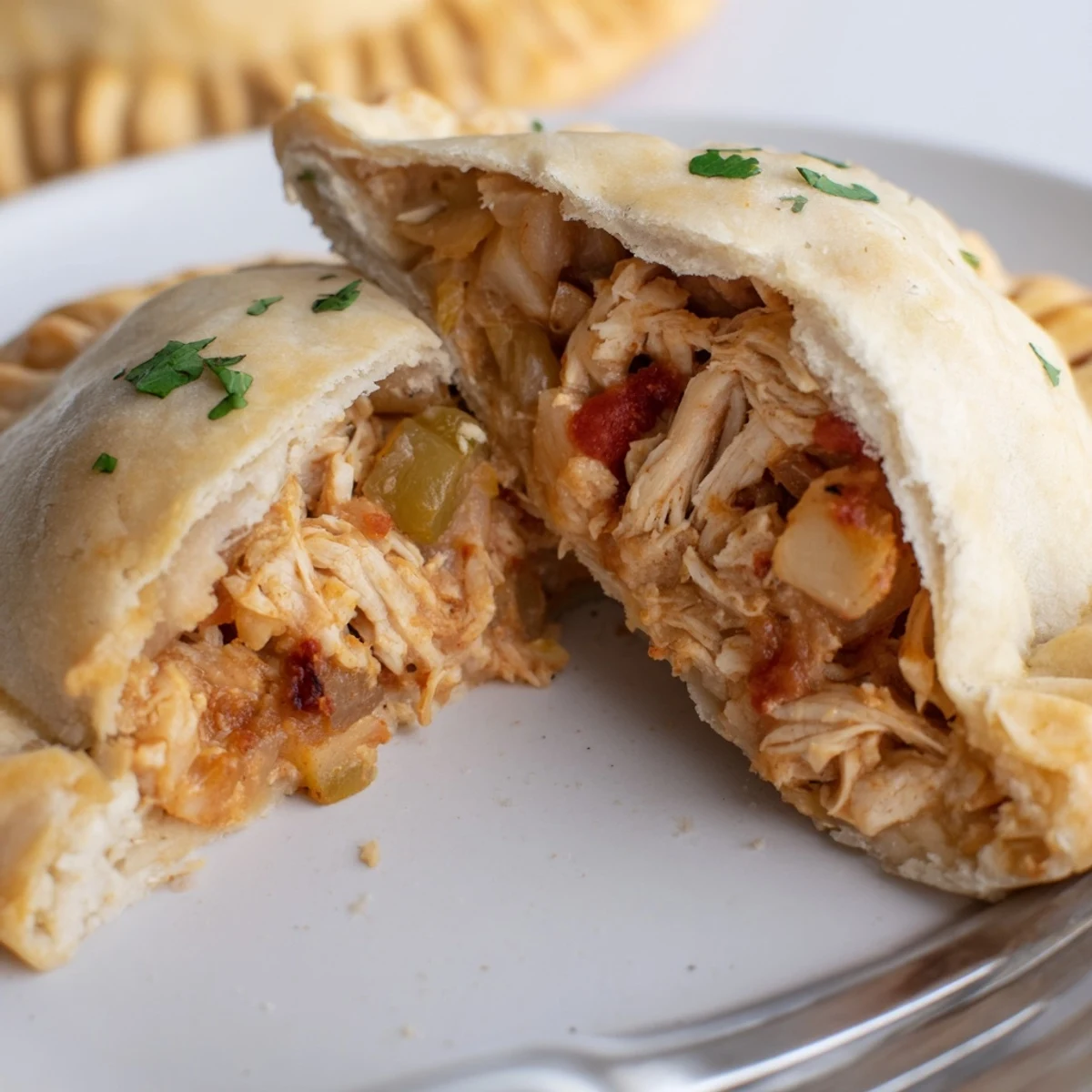
 The moment these empanadas finally cooled just enough to hold was when a quiet kitchen became lively again—everyone leaning in, fingertips brushing crumbs off plates, trading stories as another round vanished. The batch barely lasted an hour, and even people without gluten intolerance were angling for seconds.
Choosing the Best Gluten-Free Flour
Not all gluten-free flour blends perform the same; some make dough gritty or gummy. I had the best luck with blends that include xanthan gum for stretch and body. Mixing in a tablespoon of fine cornmeal also made the crust even more satisfying. The right flour can turn pastry from compromise to celebration.
Freezing and Reheating for Any Occasion
Empanadas were my savior on rushed weeknights—simply freeze assembled, unbaked empanadas in a single layer, then move to a bag once solid. Bake straight from frozen, just adding a few minutes to the oven time. Their crisp, golden exterior never gives away how easy they are to keep on hand. The anticipation as they bake fills the kitchen with warmth and hope.
Empanada Success: Final Tricks and Troubleshooting
Sometimes the dough fights back—if it crumbles, a sprinkle of water works wonders, while stickiness can be tamed with a dusting of flour. Don’t worry if your first few look lopsided; imperfect edges just give character and charm. Always taste the filling and adjust seasoning before assembly—there’s no fixing bland after baking.
- Let baked empanadas cool at least 10 minutes so the filling sets.
- Leftovers reheat best in the oven, not the microwave, for ultimate crispiness.
- Customize with any protein or veggies you love—this dough is forgiving.
 Save to Pinterest
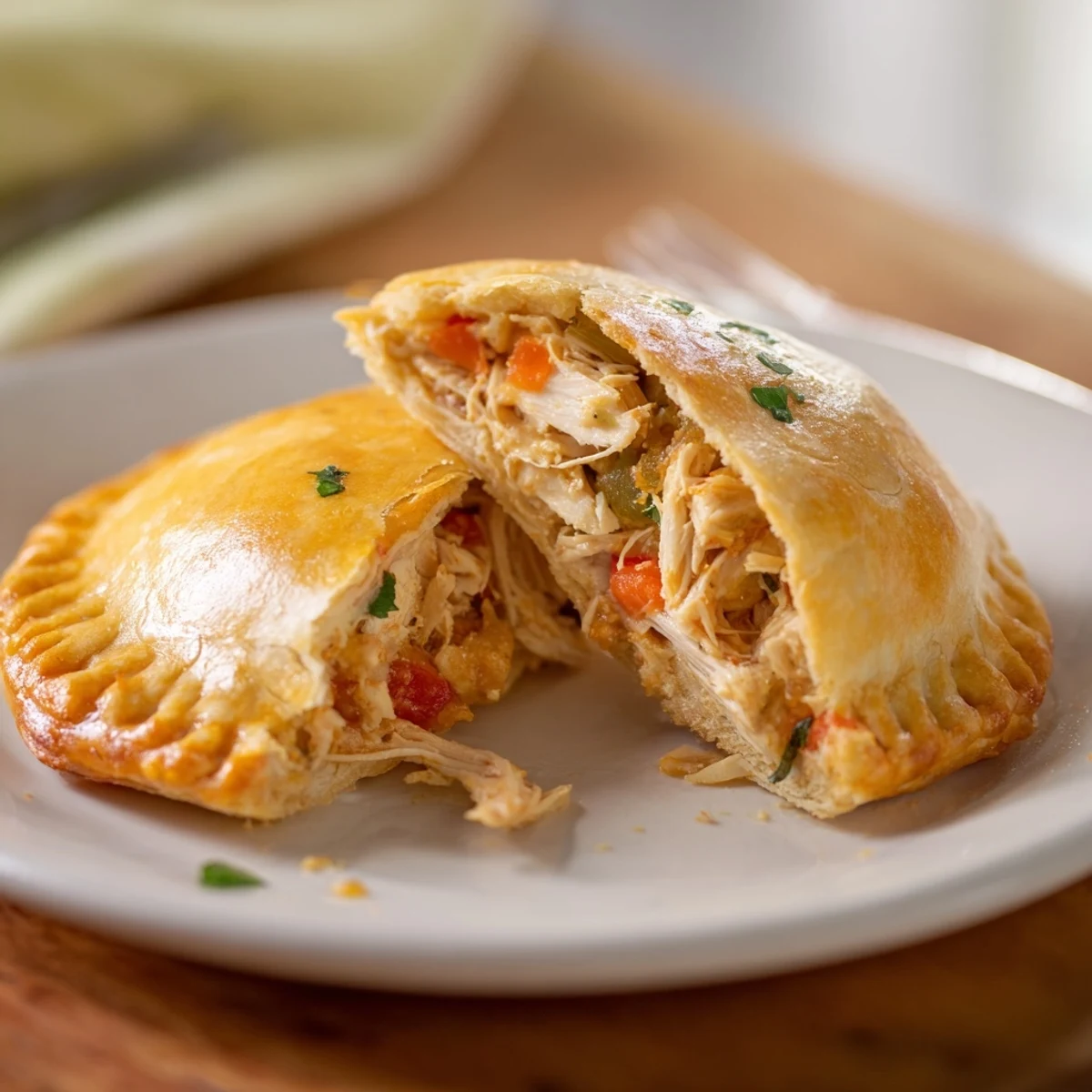
 No matter how you fill or fold them, these empanadas invite smiles and casual, happy gatherings. There’s always room for one more at the table—or in the lunchbox tomorrow.
Recipe FAQs
- → Can I use a store-bought gluten-free flour blend?
-
Yes. Choose a blend with xanthan gum included or add a small amount yourself for structure. Keep the dough cold and avoid overworking to maintain flakiness.
- → How do I prevent soggy bottoms?
-
Drain any excess moisture from the filling and cool it before assembling. Roll the dough slightly thicker and bake on a preheated sheet with parchment; an egg wash helps form a barrier.
- → Can I prepare these ahead and freeze?
-
Yes. Assemble unbaked empanadas on a tray, freeze until firm, then transfer to a bag. Bake from frozen, adding a few extra minutes until golden.
- → What can I substitute for chicken or olives?
-
Use sautéed mushrooms, black beans, or shredded jackfruit for vegetarian options. For olives, capers or roasted peppers add briny or sweet contrast.
- → Why is my dough crumbly and how to fix it?
-
Crumbly dough needs more liquid or a touch more egg. Add cold water a tablespoon at a time and gently bring the dough together without overmixing; chilling helps hydrate the flour.
- → What's the best oven temperature and bake time?
-
Bake at 400°F (200°C) for 20–25 minutes or until tops are deep golden. Rotate the pan once for even browning and let cool briefly before serving.