
 Save to Pinterest
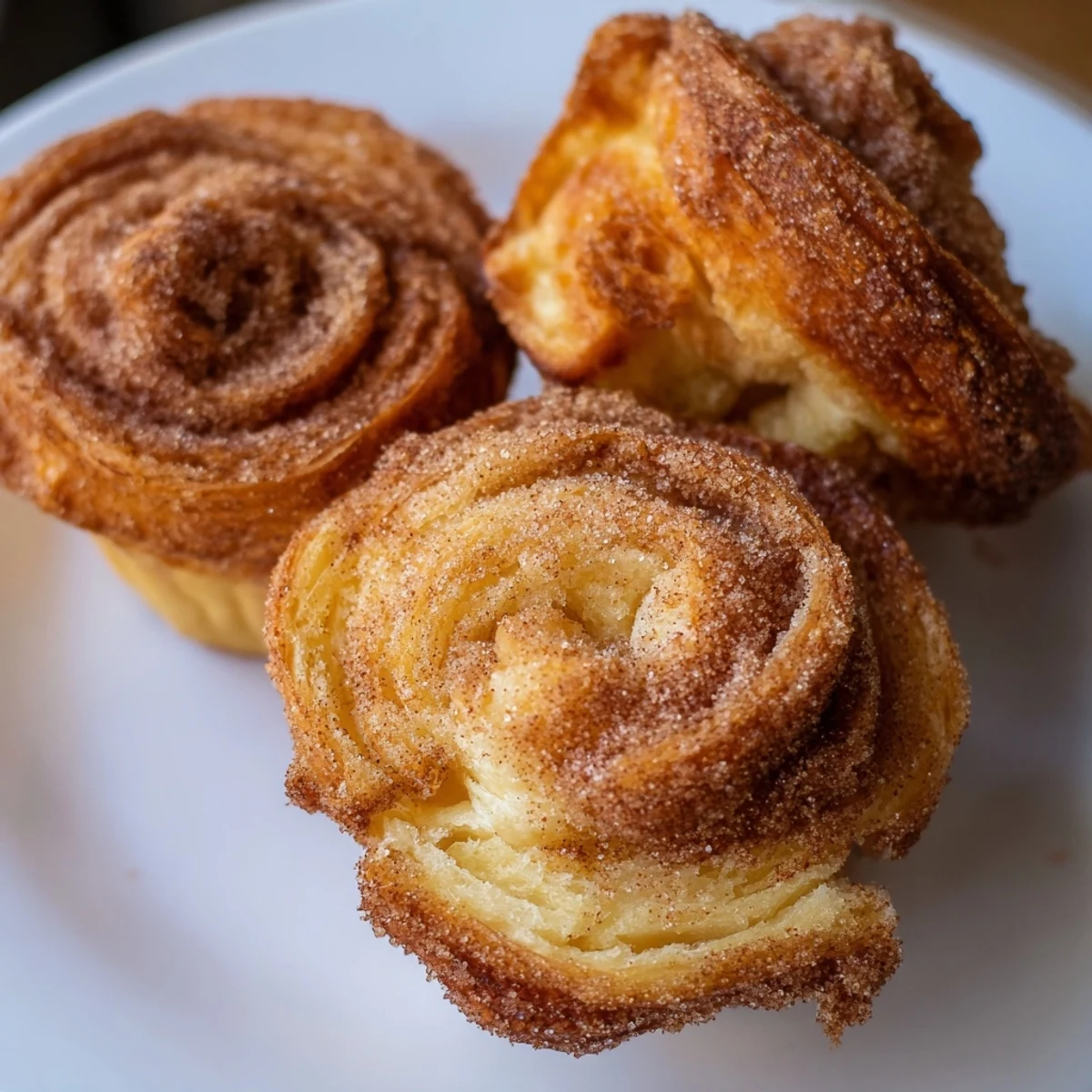
 Cruffins bring together the best of two beloved baked goods: the shatteringly flaky layers of a croissant and the charming, portable shape of a muffin.
Made from an enriched yeasted dough layered with butter through a classic lamination process, each cruffin reveals beautiful spiral layers once baked to golden perfection.
The dough is folded, chilled, sliced, twisted, and coiled into a muffin tin before a final rise and bake. A generous roll in cinnamon sugar while still warm makes them utterly irresistible.
The sound of butter hitting a rolling pin at six in the morning is oddly therapeutic, something I discovered during a phase where I refused to believe weekend baking needed to be simple. Cruffins were born from that stubborn streak, and honestly, they ruined me for plain muffins forever. The first batch came out lopsided and leaking butter, but those golden, flaky spirals still got devoured in under ten minutes.
I brought a tray of these to a friends potluck and watched three grown adults quietly fight over the last one. Someone asked which bakery I bought them from, which remains one of my proudest kitchen moments. That is the magic of a cruffin, it looks like it took professional training but really it just takes patience and cold butter.
Ingredients
- All-purpose flour (375 g): The backbone of the dough, plain flour lets the butter layers shine without making it tough.
- Instant yeast (7 g): This gives the dough its initial rise and keeps the texture light rather than dense like puff pastry.
- Granulated sugar (40 g): Just enough sweetness to balance the salt and make these feel like a treat.
- Salt (8 g): Do not skip or reduce this, it is essential for flavor and helps control the yeast.
- Lukewarm water (180 ml): Think baby bath temperature, too hot and you kill the yeast before it even starts.
- Whole milk (70 ml, lukewarm): Milk adds tenderness and a slight richness that water alone cannot achieve.
- Unsalted butter for dough (30 g, melted): This small amount keeps the dough soft and workable without interfering with the lamination.
- Unsalted butter for layering (150 g, room temperature): The star of the show, this butter gets folded in to create all those gorgeous flaky layers.
- Granulated sugar for topping (60 g, optional): A crunchy sweet coating that makes these irresistible straight from the oven.
- Ground cinnamon (1 tsp, optional): Pairs beautifully with the sugar coating and adds warmth to every bite.
Instructions
- Mix and bring the dough together:
- In a large mixing bowl, combine the flour, yeast, sugar, and salt, then pour in the lukewarm water, milk, and melted butter. Stir until everything comes together into a shaggy, slightly sticky dough.
- Knead until smooth and let it rise:
- Turn the dough out and knead for about five to seven minutes until it feels smooth and springs back when poked. Cover the bowl with a damp towel and leave it in a warm spot for one hour until it has puffed up and roughly doubled.
- Prepare the butter block:
- While the dough rises, place the room temperature butter between two sheets of parchment paper and beat or roll it into a neat rectangle about fifteen by twenty centimeters. Chill it in the fridge so it firms up slightly but stays bendable.
- Roll out and lock in the butter:
- On a well floured surface, roll the risen dough into a large rectangle roughly thirty by fifty centimeters. Lay the butter slab over two thirds of the dough surface, spreading it evenly.
- First fold and rest:
- Fold the dough into thirds like a letter, rotate it ninety degrees, and roll it back out to the same size before folding into thirds again. Wrap it up and refrigerate for one full hour so the butter can firm up between the layers.
- Roll and cut into strips:
- Roll the chilled dough out once more to thirty by fifty centimeters, then use a knife or dough scraper to cut it into twelve even strips lengthwise. Keep them covered with a towel so they do not dry out while you work.
- Shape each cruffin:
- Take one strip, gently stretch it if needed, and roll it up tightly like a little snail, then cut it straight down the middle lengthwise to expose the beautiful layers inside.
- Coil into the tin:
- Twist each half into a loose spiral and coil it into a greased muffin cavity with the cut layers facing outward so they fan open during baking.
- Final rest before baking:
- Cover the filled tin loosely and let the cruffins sit at room temperature for forty five minutes to one hour until they look puffy and have visibly relaxed into their cups.
- Bake to golden perfection:
- Preheat your oven to 200 degrees Celsius and bake the cruffins for eighteen to twenty two minutes until they are deeply golden and have risen dramatically above the tin edges.
- Finish and serve:
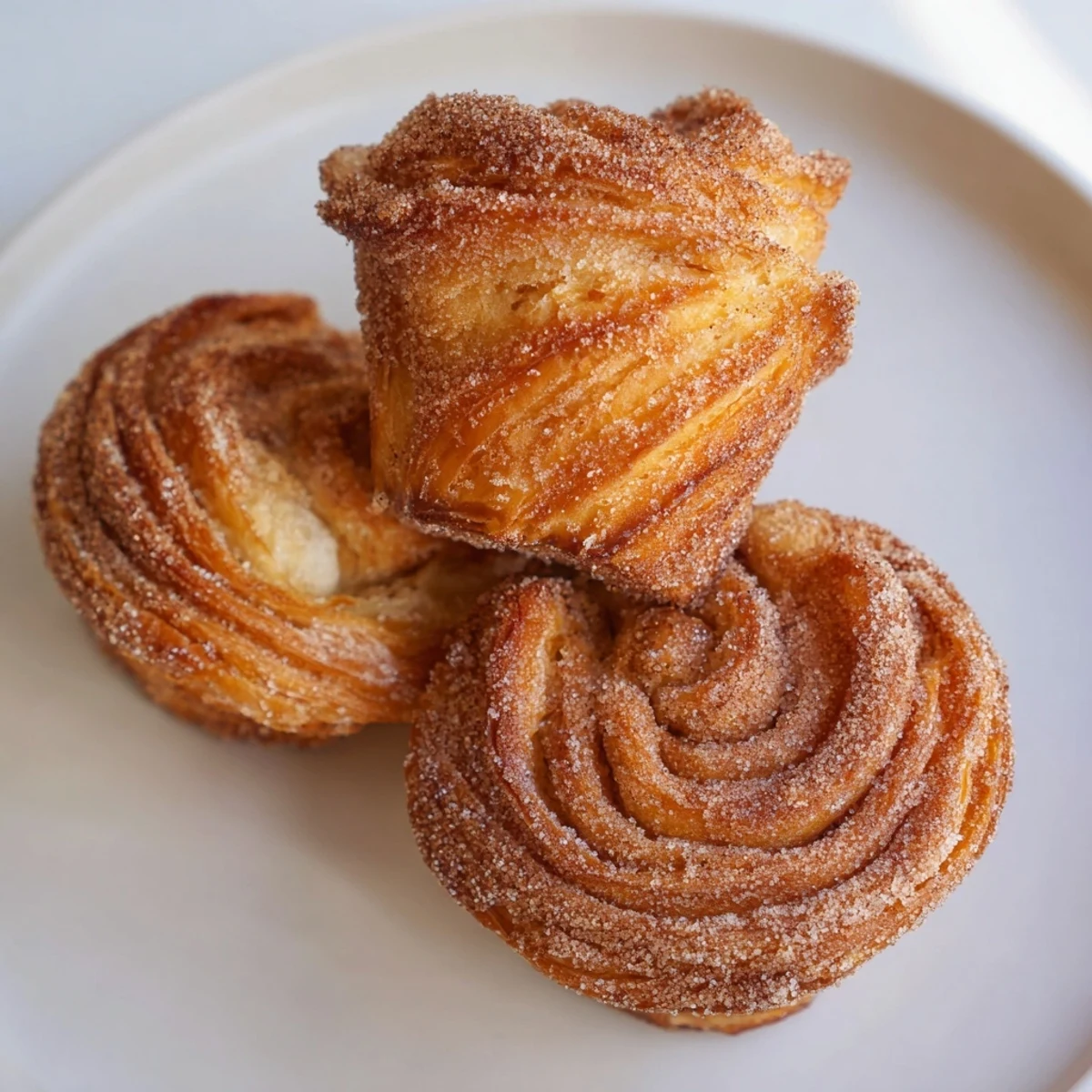
- Let them cool just enough to handle, then roll the warm cruffins in cinnamon sugar if using and serve them as soon as possible while the layers are still shatteringly crisp.
 Save to Pinterest
 One Sunday I made these during a thunderstorm, the kitchen dark and warm while rain hammered the windows, and the cruffins came out more golden than ever. My partner ate two standing at the counter before I even finished photographing them. Sometimes food becomes a memory not because of the occasion but because of the quiet chaos around it.
Getting Those Layers Right
The single most important thing about cruffins is temperature control, both of the dough and the butter. If your kitchen is warm, work quickly during the folding steps and do not hesitate to pop the dough back in the fridge for ten minutes halfway through rolling. Cold butter that is still pliable is the sweet spot you are aiming for, think firm but bendable like a stick of butter left out for twenty minutes on a cool day.
Adding Fillings Without Ruining the Layers
A thin smear of raspberry jam or melted dark chocolate across the dough before you roll it up adds a wonderful surprise inside each cruffin. The trick is keeping the layer paper thin, too much filling will leak out during baking and make the bottoms soggy. Chocolate chips scattered across the surface work too, but finely chopped chocolate melts more evenly and does not tear the dough.
Storage and Reheating
Cruffins are unquestionably at their best within two hours of baking, when the exterior is still crisp and the interior is soft and slightly warm. That said, you can store leftovers in an airtight container at room temperature for up to two days, though the layers will soften overnight.
- A quick stint in a 180 degree oven for three to four minutes brings back much of the original crispness.
- Avoid microwaving them, it makes the butter layers greasy rather than flaky.
- Freeze unbaked shaped cruffins in the tin, then bake from frozen with an extra five to seven minutes added to the time.
 Save to Pinterest
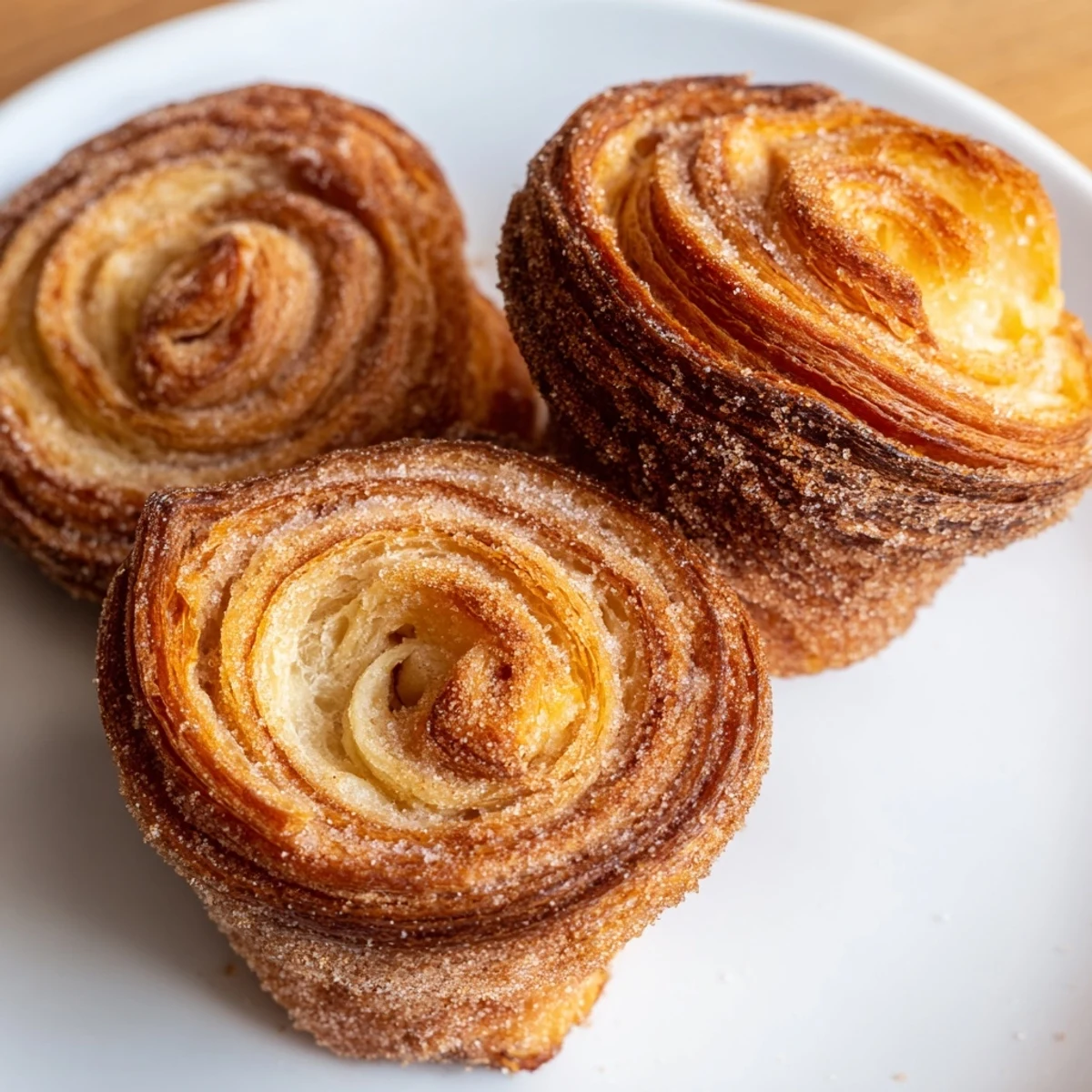
 There is something deeply satisfying about pulling a tray of golden spirals from the oven and watching the layers unfurl like tiny croissant roses. Make them once and you will find yourself inventing reasons to roll out dough at dawn again.
Recipe FAQs
- → What is a cruffin?
-
A cruffin is a hybrid pastry that combines the flaky, buttery laminated dough of a croissant with the shape and convenience of a muffin. The dough is laminated with butter, then twisted and coiled into a muffin tin cavity to create stunning spiral layers during baking.
- → Can I make the dough ahead of time?
-
Yes, the dough benefits from resting in the refrigerator. You can prepare it through the lamination folds and chill it overnight. Let it come to a workable temperature before rolling and shaping the next day.
- → Why is my butter layer tearing through the dough?
-
This usually happens when the butter is too cold or the dough is too warm. Both should be at a similar pliable consistency during lamination. If the butter firms up too much, let it soften slightly at room temperature for a few minutes before continuing.
- → How do I get distinct spiral layers in my cruffins?
-
The key is cutting each rolled strip down the center lengthwise to expose the laminated layers, then twisting each half into a spiral before coiling it into the muffin tin. Make sure the cut sides face outward so the layers are visible after baking.
- → Can I fill cruffins with jam or chocolate?
-
Absolutely. Spread a thin layer of jam, chocolate spread, or pastry cream on the dough strip before rolling it up. This adds a delicious filling that peeks through the layers when the cruffin is pulled apart.
- → How should I store leftover cruffins?
-
Store cruffins in an airtight container at room temperature for up to two days. They are best enjoyed fresh, but a brief warm-up in the oven at 160°C for a few minutes helps restore some of their original flakiness.