
 Save to Pinterest
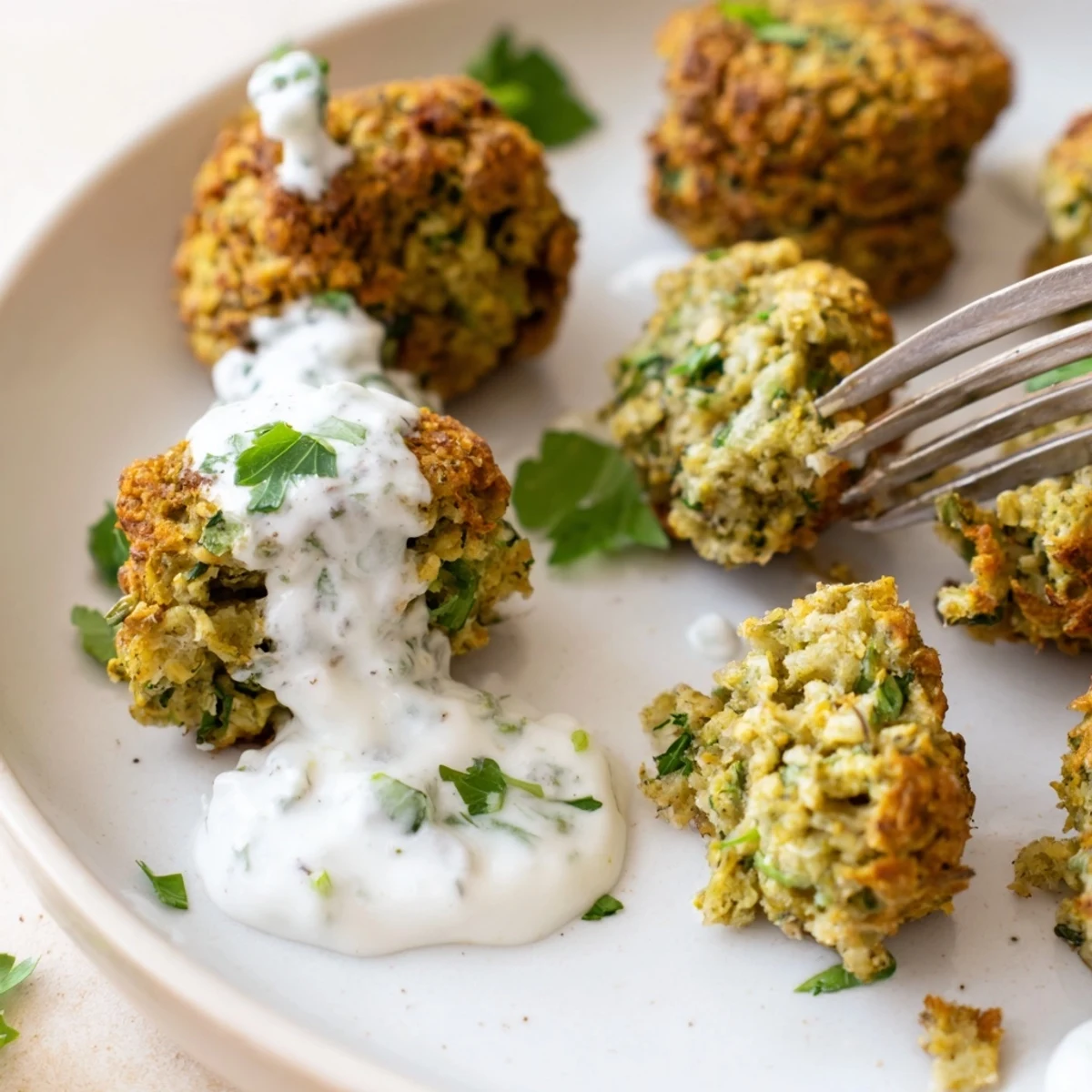
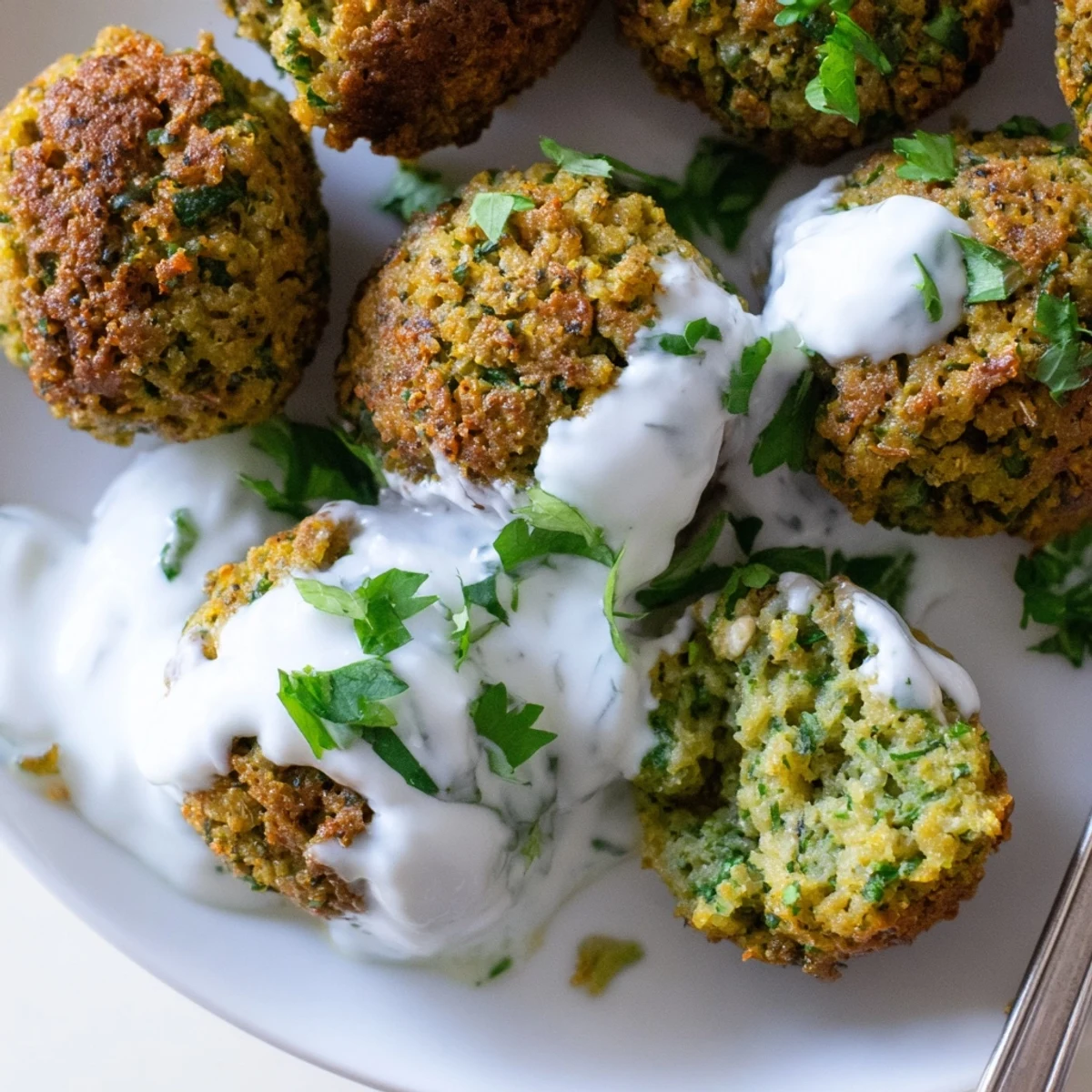
 These golden falafel bites are made from soaked chickpeas blended with fresh parsley, cilantro, and warm spices like cumin and coriander. The mixture is chilled, shaped into bite-sized pieces, and fried until perfectly crispy on the outside while remaining tender inside.
Served alongside a cool garlic yogurt sauce with lemon and fresh herbs, they make an ideal appetizer, light meal, or part of a mezze spread. Ready in under an hour with simple pantry ingredients.
The sizzle of falafel hitting hot oil is one of those sounds that instantly pulls everyone into the kitchen, and my tiny apartment was no exception the evening I decided to master these crispy herb packed bites after a disastrous attempt with canned chickpeas. That first crunchy, golden morsel dunked into cool garlic yogurt changed everything about how I thought about homemade Middle Eastern cooking. I have been refining this recipe ever since, tweaking the herb balance and learning the patience that dried chickpeas demand.
My neighbor knocked on my door one Tuesday night asking what smelled so incredible, and we ended up standing in my kitchen eating falafel straight from the paper towel lined plate with our fingers. She brought over a bottle of wine and we demolished the entire batch before I even thought about plating them properly.
Ingredients
- Dried chickpeas (1 1/2 cups, soaked overnight): Please do not shortcut this with canned chickpeas because the texture will be mushy and sad, and all that waiting truly pays off.
- Small onion, roughly chopped: One small onion adds moisture and sweetness without making the mixture too wet to hold together.
- Garlic (3 cloves for falafel, 1 for sauce): Fresh garlic is non negotiable here, and you will use three cloves in the falafel mix and save one for the yogurt sauce.
- Fresh parsley leaves (1 cup): Flat leaf parsley is the backbone herb that gives falafel its classic green flecked interior.
- Fresh cilantro leaves (1/2 cup): Cilantro adds a bright citrusy note that pairs beautifully with the earthy spices.
- Fresh dill (1/4 cup, optional): I started adding dill on a whim once and now I refuse to leave it out because it gives a subtle freshness that makes people ask what your secret is.
- Ground cumin (1 tsp): Toasting the cumin briefly in a dry pan before adding it wakes up flavors you did not know were sleeping.
- Ground coriander (1 tsp): Coriander and cumin together create that warm, aromatic base that makes falafel taste like falafel.
- Cayenne pepper (1/2 tsp, optional): Just enough warmth without overpowering the herbs, though you can leave it out for sensitive palates.
- Baking powder (1 tsp): This little trick keeps the falafel light inside instead of turning into dense little hockey pucks.
- All purpose flour (2 tbsp): Just enough to bind the mixture, and chickpea flour works perfectly if you need it gluten free.
- Salt and black pepper (1 tsp salt, 1/2 tsp pepper): Season boldly because fried food needs confident seasoning to shine.
- Vegetable oil for frying: You need about two inches of oil in a heavy skillet, and the temperature makes all the difference between greasy and glorious.
- Plain Greek yogurt (3/4 cup): Thick, tangy yogurt is the cooling counterpoint these spiced bites are begging for.
- Lemon juice (1 tbsp): A squeeze of brightness in the sauce ties everything together beautifully.
- Chopped fresh parsley or mint (2 tbsp, for sauce): Mint is my personal favorite here because it adds an unexpected coolness.
Instructions
- Prep the chickpeas:
- Drain and rinse those soaked chickpeas thoroughly, then spread them on a clean towel and pat them dry because excess moisture is the enemy of crispy falafel.
- Build the mixture:
- Pulse the chickpeas with onion, garlic, all the herbs, cumin, coriander, cayenne, salt, and pepper in a food processor until you see a coarse, grainy paste that holds together when you pinch it, stopping before it turns into hummus.
- Rest and bind:
- Scrape everything into a bowl, fold in the baking powder and flour, cover it tight, and let it chill in the refrigerator for at least twenty minutes so the flavors marry and the mixture firms up for easier shaping.
- Whip up the sauce:
- Stir together the yogurt, finely minced garlic, lemon juice, herbs, salt, and pepper in a small bowl, taste it, adjust, and tuck it into the fridge so the flavors deepen while you fry.
- Heat the oil:
- Pour two inches of oil into your heaviest skillet and bring it to 350 degrees over medium high heat, and if you do not have a thermometer, a tiny test ball of mixture should sizzle aggressively the moment it hits the oil.
- Shape and fry:
- Scoop tablespoon sized portions, roll them into balls or gently flatten them into small patties about an inch across, and slip them carefully into the hot oil in small batches so the temperature does not drop, frying until each side is deeply golden and crisp, about two to three minutes total per batch.
- Drain and serve:
- Lift the falafel out with a slotted spoon onto paper towels, let them rest for just a minute, then serve them warm with that cool garlic yogurt sauce ready for dunking.
 Save to Pinterest
 The night I served these at a dinner party, my friend David held up a falafel bite, examined its golden crust in the kitchen light, and declared that he was never ordering takeout falafel again. That plate was emptied three times before the main course even made it to the table.
Serving Ideas That Go Beyond the Plate
Tuck these into warm pita with shredded lettuce, diced tomatoes, and pickled turnips for a sandwich that rivals any street cart. They also disappear fast arranged on a mezze platter alongside hummus, tabbouleh, and marinated olives. A squeeze of fresh lemon over the top right before eating wakes up every single flavor.
What If You Want to Bake Instead of Fry
Brush each falafel generously with oil and arrange them on a parchment lined baking sheet at 400 degrees for twenty five to thirty minutes, flipping once halfway through. They will be genuinely delicious, though you will not get quite the same shatteringly crisp exterior that a quick fry provides.
A Few Things I Learned the Hard Way
There are a handful of small lessons that separate good falafel from great falafel, and most of them I learned through messy, splattered kitchens and more than a few broken apart batches. Keep these in your back pocket and you will save yourself some frustration.
- If the mixture feels too loose to shape after chilling, sprinkle in another tablespoon of flour and chill for ten more minutes before trying again.
- Do not crowd the pan because each batch needs room to fry properly, and dropping temperature is the fastest path to oily, soggy falafel.
- Taste a tiny cooked test piece before shaping the whole batch so you can adjust salt or spices while there is still time to fix it.
 Save to Pinterest
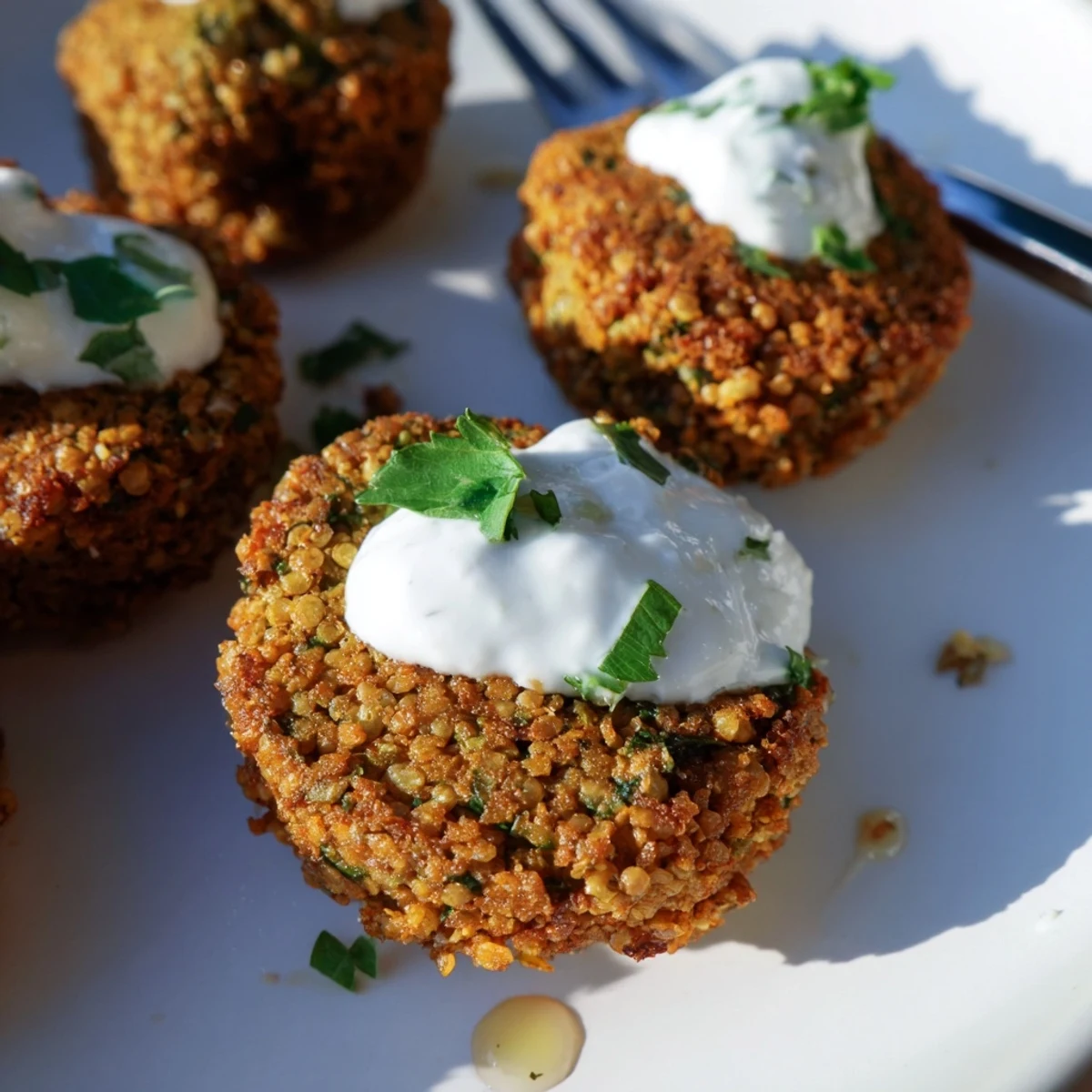
 Once you taste these fresh out of the pan, still crackling slightly, dunked into that cool herb flecked yogurt, you will understand why this recipe earned a permanent spot in my rotation. Share them with someone you love, or quietly eat the whole batch standing over the counter, because either way you made something wonderful.
Recipe FAQs
- → Do I need to use dried chickpeas or can I use canned?
-
Dried chickpeas that have been soaked overnight are strongly recommended for falafel. Canned chickpeas contain too much moisture and will produce a mushy texture that falls apart during frying. The soaked dried chickpeas create the characteristic coarse, crunchy texture.
- → Can I bake these falafel bites instead of frying?
-
Yes, you can bake them at 400°F (200°C) for 25–30 minutes, flipping once halfway through. Brush the falafel generously with oil before baking to help achieve a golden, crispy exterior. The texture will be slightly different but still delicious and lighter.
- → Why does the falafel mixture need to be refrigerated before shaping?
-
Refrigerating the mixture for 20–30 minutes firms it up, making it easier to shape into balls or patties. It also allows the flour and baking powder to bind the ingredients together, which helps the falafel hold their shape during frying and prevents crumbling in the oil.
- → What can I substitute for the yogurt in the garlic sauce?
-
For a dairy-free or vegan version, substitute the Greek yogurt with plain unsweetened non-dairy yogurt such as coconut, almond, or cashew-based yogurt. You can also use a tahini-based sauce thinned with lemon juice and water as an alternative.
- → How should I store and reheat leftover falafel?
-
Store leftover falafel in an airtight container in the refrigerator for up to 3 days. To reheat, place them in a preheated oven or air fryer at 375°F (190°C) for about 8–10 minutes. This method restores crispiness much better than microwaving, which can make them soggy.
- → What dishes pair well with falafel bites?
-
Falafel bites are versatile and can be served inside warm pita bread with fresh vegetables, layered over a grain bowl or salad, or as part of a larger mezze platter alongside hummus, tabbouleh, pickled turnips, and olives. They also work beautifully as a standalone appetizer with the yogurt dipping sauce.