
 Save to Pinterest
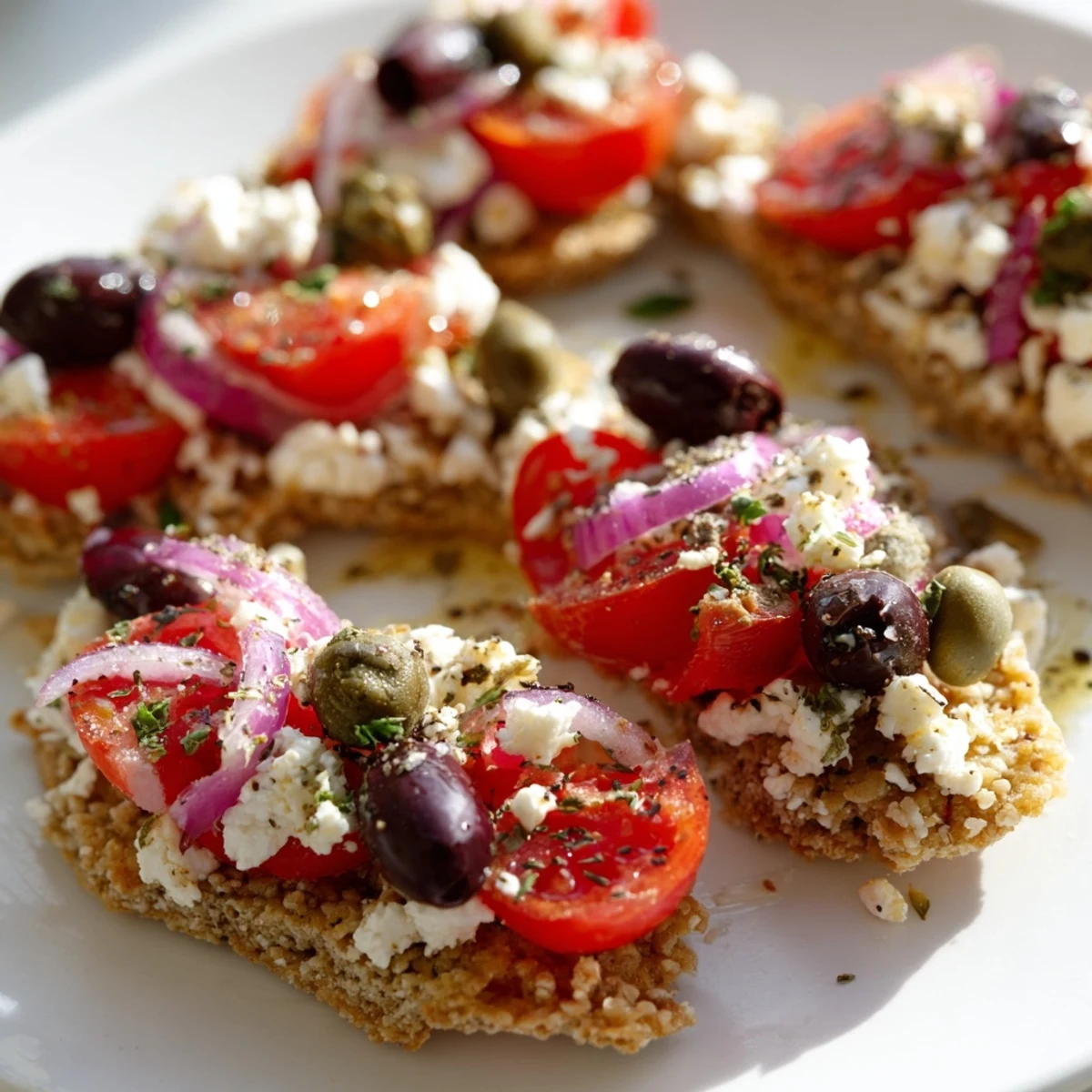
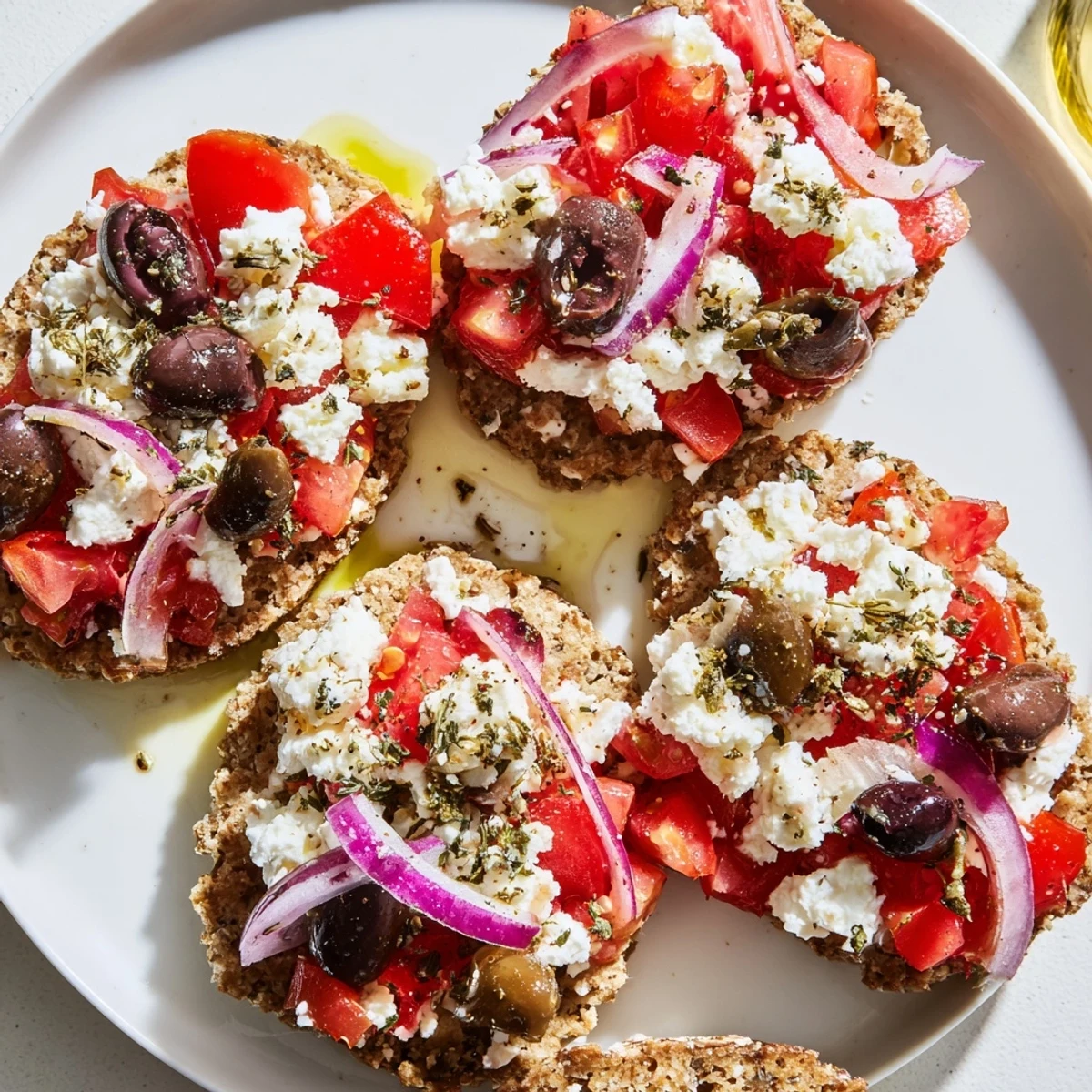
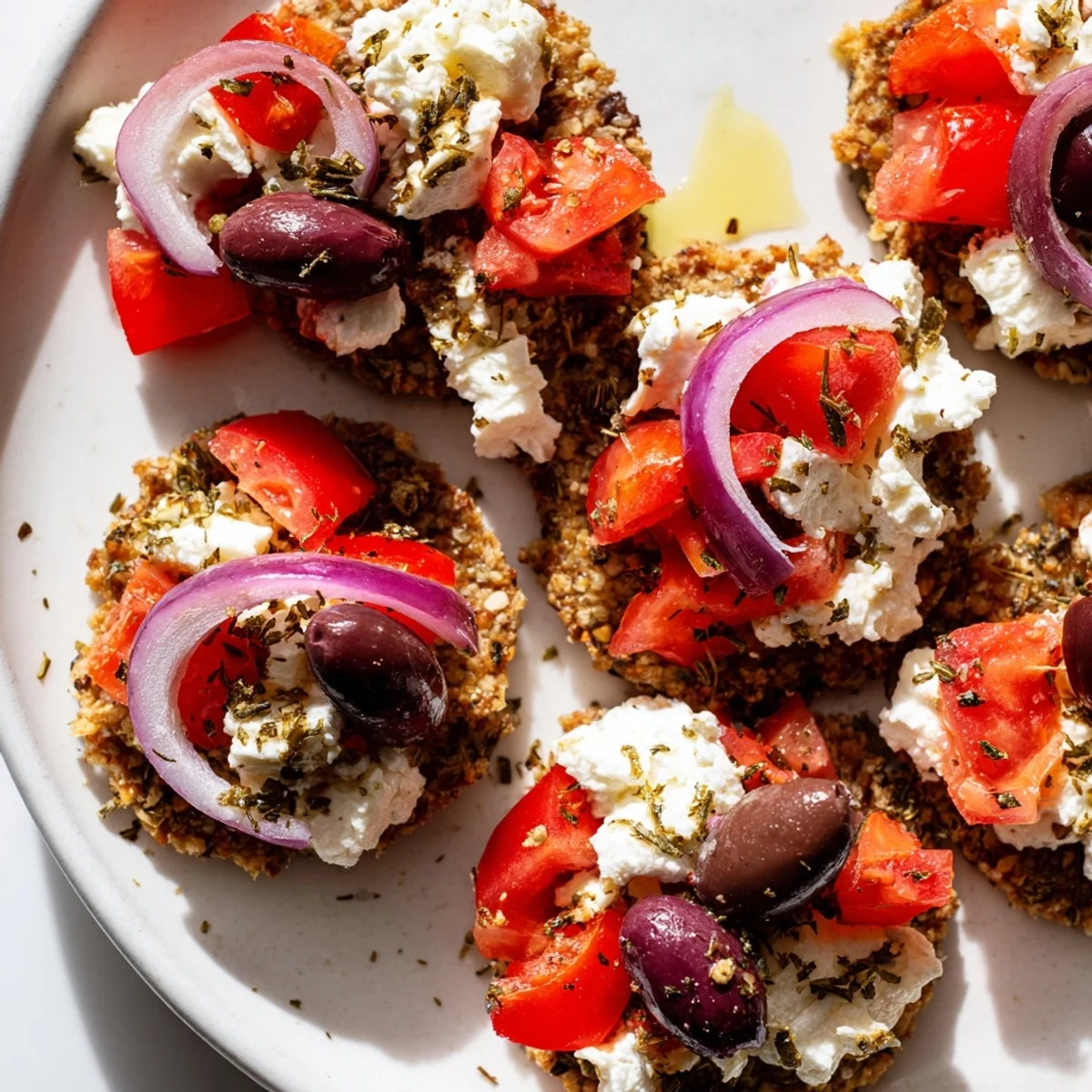
 These crispy Cretan feta rusks bring the sunny flavors of Greece straight to your table in just 30 minutes. Barley rusks are lightly brushed with olive oil and baked until golden and fragrant, then generously topped with a vibrant mix of ripe diced tomatoes, crumbled feta cheese, sliced Kalamata olives, and fragrant fresh oregano.
Finished with a drizzle of extra virgin olive oil and a crack of black pepper, they make an ideal appetizer or meze spread. Simple to prepare yet packed with Mediterranean flavor, they pair beautifully with a chilled glass of white wine.
The afternoon sun hit our stone terrace in Rethymno at exactly the right angle, turning everything golden including the plate of rusks our host Yiannis carried out from his kitchen. He was not a chef, just a man who grew up eating what his land gave him, and he treated every ingredient like it deserved a proper introduction. That plate of barley rusks piled high with tomatoes and feta changed how I think about snacking forever.
I made these for a friend who claimed she hated olives and she ate six of them without pausing to reconsider her position.
Ingredients
- 8 Cretan barley rusks (paximadia): These are rock hard twice baked breads and that toughness is the whole point because they hold up under juicy toppings without dissolving.
- 100 ml extra virgin olive oil: Use the good stuff here since it is a raw flavor drizzled on top and you will taste every note of it.
- 200 g feta cheese, crumbled: A proper Greek feta stored in brine crumbles beautifully and brings the salty tang that makes everything else sing.
- 200 g ripe tomatoes, finely diced: Wait until your tomatoes are almost too soft because that jammy sweetness is what balances the salt of the feta and olives.
- 2 tbsp fresh oregano, chopped: Rub it between your palms as you scatter it to release the oils and multiply the fragrance tenfold.
- 1 small red onion, finely sliced: Soak the slices in cold water for ten minutes if you find raw onion too aggressive, it tames the bite without erasing the crunch.
- 1 tbsp capers (optional): Rinse them well under cold water first to mellow the brine then chop roughly so they distribute evenly across each rusk.
- 30 g Kalamata olives, pitted and sliced: Pit them yourself by pressing with the flat side of a knife because pre pitted olives lose their texture and taste flatter.
- Freshly ground black pepper, to taste: Be generous here since pepper is the quiet backbone that ties salty feta to sweet tomato.
Instructions
- Warm the oven:
- Set it to 180 degrees Celsius and let it come fully to temperature while you gather everything else because a properly hot oven makes the rusks golden not soggy.
- Brush and toast the rusks:
- Lightly brush each barley rusk with olive oil on both sides then arrange them on a baking tray and bake for five to eight minutes until they smell like warm grain and feel crisp when tapped.
- Build the tomato mixture:
- Toss the diced tomatoes with half the oregano and a few grinds of pepper in a bowl and let it sit so the salt draws out just enough juice to make a natural sauce.
- Cool the rusks briefly:
- Pull the tray out and give the rusks two minutes to settle so they do not melt the feta on contact and create a greasy puddle.
- Layer everything up:
- Spoon the tomato mixture onto each rusk then crumble feta generously over the top pressing gently so it catches on the rough surface.
- Finish with garnishes:
- Scatter red onion slices, olives, capers if you are using them, and the remaining oregano across the tops then drizzle with extra olive oil and a final crack of pepper.
- Serve right away:
- Get them to the table while the rusks are still warm and crunchy because waiting even ten minutes means the bottom layer softens past the point of satisfaction.
 Save to Pinterest
 Yiannis poured us each a glass of something cold and pale and told us that in Crete nobody eats alone, and somehow that made the rusks taste even better.
What To Drink Alongside
A chilled glass of retsina is the traditional match and its pine resin edge cuts through the richness of feta and olive oil beautifully. If resin scented wine is not your thing, any crisp dry white like an Assyrtiko or even a cold pilsner works just as well.
Swaps And Shortcuts
If you cannot find barley rusks, thick cut whole wheat crackers or even grilled ciabatta slices will get you close enough to the spirit of the dish. The key is having something sturdy enough to carry the toppings without collapsing halfway to your mouth.
Storing Leftovers
Assembled rusks will not keep well because the toppings seep into the base and turn everything mushy overnight. Your best strategy is to store the components separately and assemble only what you plan to eat within the hour.
- Keep leftover tomato mixture in a sealed container in the fridge for up to two days and drain any excess liquid before using.
- Store toasted rusks in an airtight bag at room temperature and they stay crisp for nearly a week.
- Always assemble just before serving because the magic of this dish lives in that first crunchy bite.
 Save to Pinterest
 Some recipes become staples because they are easy and some because they transport you somewhere else entirely, and this one quietly does both.
Recipe FAQs
- → What are Cretan barley rusks (paximadia)?
-
Cretan barley rusks, known as paximadia, are traditional twice-baked barley breads from Crete. They are rock-hard and extremely dry, which makes them incredibly long-lasting. They soften slightly when topped with moist ingredients like tomatoes and olive oil while retaining a satisfying crunch.
- → Can I make these feta rusks ahead of time?
-
It's best to assemble them just before serving to keep the rusks crispy. You can prepare the tomato mixture and crumble the feta in advance, storing them separately in the refrigerator. Toast the rusks and assemble everything right before your guests arrive for the best texture.
- → What can I substitute for barley rusks?
-
If you can't find Cretan barley rusks, whole wheat crackers, crusty bread slices toasted until very crisp, or Italian crostini work well as alternatives. The key is having a sturdy, crunchy base that can hold up to the juicy toppings without becoming soggy too quickly.
- → Which type of feta works best for this dish?
-
Authentic Greek feta made from sheep's milk or a blend of sheep and goat's milk delivers the best tangy, creamy flavor. Look for PDO-certified Greek feta if possible. It crumbles beautifully and its salty richness balances perfectly with the sweet tomatoes and mild rusks.
- → What wine pairs well with Cretan feta rusks?
-
A chilled glass of retsina, the traditional Greek white wine infused with pine resin, is the classic pairing. Alternatively, a crisp Assyrtiko, Sauvignon Blanc, or any dry white wine with good acidity complements the salty feta and fresh Mediterranean flavors beautifully.
- → Are these rusks suitable for vegetarians?
-
Yes, this dish is entirely vegetarian. It contains barley rusks, feta cheese, fresh vegetables, olives, capers, and olive oil. Just verify that your barley rusks don't contain any hidden animal-derived ingredients by checking the label if serving to strict vegetarians.