
 Save to Pinterest
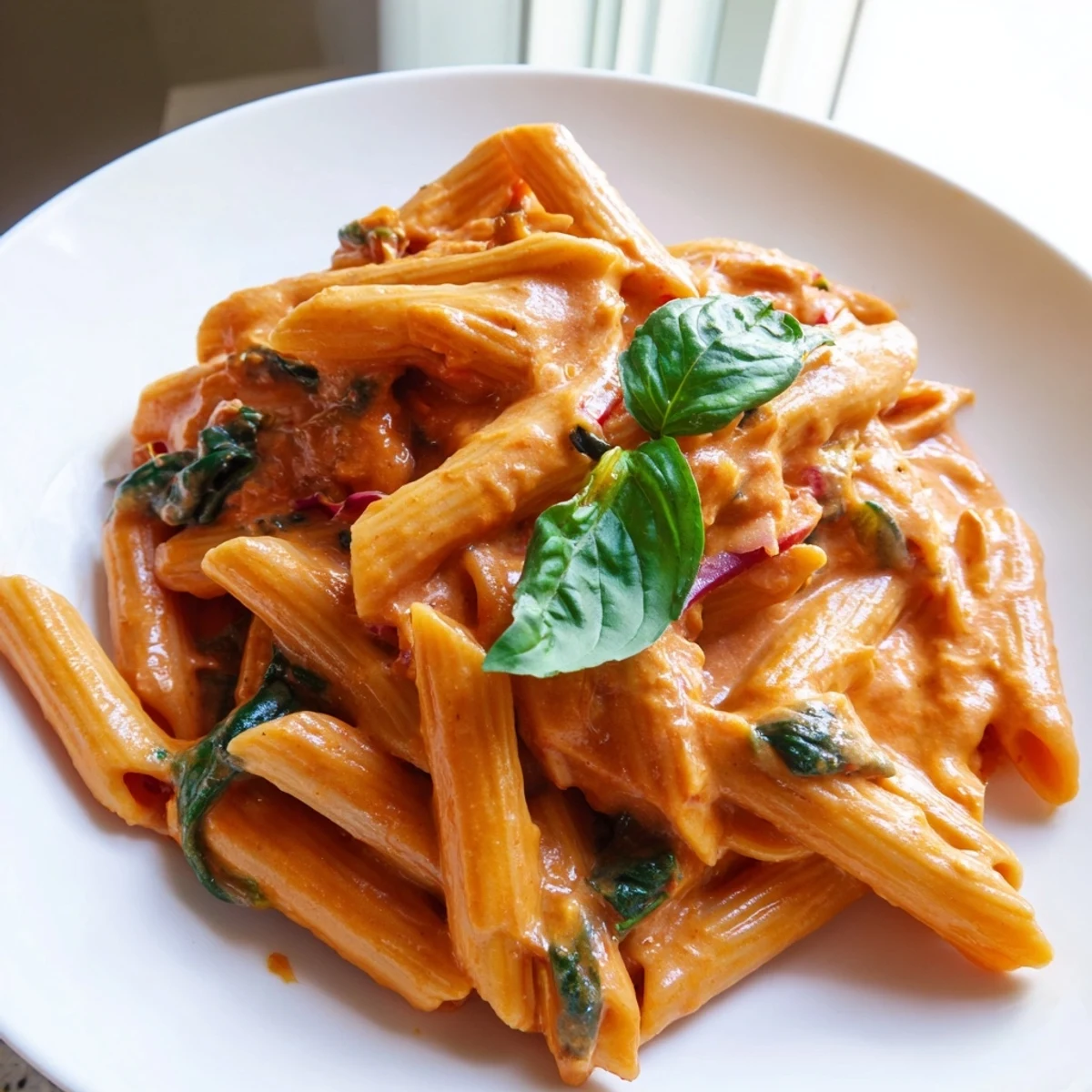
 This indulgent pasta combines the intense umami flavor of sun-dried tomatoes with a luxurious cashew-based cream sauce. The blending creates an incredibly smooth, velvety texture that coats every strand perfectly while the spinach adds fresh contrast and vibrant color.
The 30-minute timeline makes this ideal for weeknight dinners, yet the sophisticated flavor profile feels restaurant-worthy. The sauce thickens beautifully as it simmers, and the reserved pasta water helps achieve that ideal consistency that clings to the pasta.
What truly sets this apart is the depth—the sun-dried tomatoes provide concentrated sweetness and tang, nutritional yeast adds cheesy notes, and the garlic-oregano base gives classic Italian warmth. A final garnish of fresh basil brightens everything.
The first time I made this sauce, I stood by the blender watching sun-dried tomatoes and cashews whirl together into something impossibly creamy. My roommate walked in and actually asked if I was secretly making alfredo. That moment of disbelief—when a handful of pantry staples transforms into something decadent and velvety—still makes me smile every time I pull out my blender.
Last winter I made this for a dinner party when someone mentioned they were eating dairy-free. I was nervous, honestly—pasta without real cheese can feel incomplete. But watching everyone go silent for that first bite, then immediately ask for the recipe, taught me that creamy does not need cream to be satisfying.
Ingredients
- 350 g dried pasta: Choose something with ridges or curves to catch the sauce. Penne and fusilli are ideal, though spaghetti works beautifully if you want something more traditional.
- 100 g sun-dried tomatoes in oil: The oil they come packed in is liquid gold—do not discard it. That reserved oil adds depth and richness that makes the sauce sing.
- 1 cup raw cashews: Soaking them is non-negotiable. Fifteen minutes in hot water transforms them from nutty grit into something that blends silk-smooth.
- 2 cups unsweetened plant-based milk: Oat milk is my secret weapon here—it is naturally creamy and neutral, letting the tomato flavor shine without interference.
- 3 tbsp nutritional yeast: This adds that subtle savory, cheesy background note that makes plant-based sauces feel complete instead of like they are missing something.
- 2 cloves garlic: Fresh garlic matters here. Pre-minced stuff from a jar has a harsh, metallic taste that will cut through the creaminess unpleasantly.
- 1 tbsp lemon juice: A little acid is what wakes up the rich sauce and keeps it from feeling too heavy on the palate.
- 1 tsp dried oregano: Dried oregano actually works better than fresh here since it holds up to the bold tomato flavor without disappearing.
- 1 small yellow onion: Finely chopped so it practically melts into the sauce, providing sweetness rather than distinct oniony bites.
- 2 cups fresh baby spinach: The spinach wilts down into silky ribbons that add color and nutrition without making this taste like health food.
- Fresh basil leaves: Tear them by hand just before serving. Cutting basil with a knife bruises the leaves and gives them an unpleasant metallic taste.
Instructions
- Cook the pasta:
- Boil it until it is just al dente—slightly undercooked is perfect since it will finish in the sauce later. That starchy pasta water you save is liquid gold that helps bind everything together.
- Blend the sauce base:
- Dump those soaked cashews, sun-dried tomatoes, plant milk, nutritional yeast, garlic, lemon juice, oregano, salt, and pepper into your blender. Let it run for a full minute until it is absolutely smooth—no grainy texture allowed here.
- Sauté the onion:
- While the blender does its work, cook that chopped onion in olive oil (or even better, some of the reserved sun-dried tomato oil) over medium heat until it turns translucent and sweet.
- Simmer the sauce:
- Pour in that gorgeous orange-pink sauce from the blender and let it bubble gently for a few minutes. This step mellows the raw garlic flavor and helps everything get friendly with each other.
- Wilt the spinach:
- Toss in the spinach and watch it collapse into the sauce. It only takes about two minutes, and suddenly you have ribbons of green running through that creamy orange base.
- Bring it all together:
- Add your cooked pasta right into the skillet and toss until every piece is coated. If the sauce seems thick, splash in some of that reserved pasta water—it is the secret to restaurant-style coating.
 Save to Pinterest
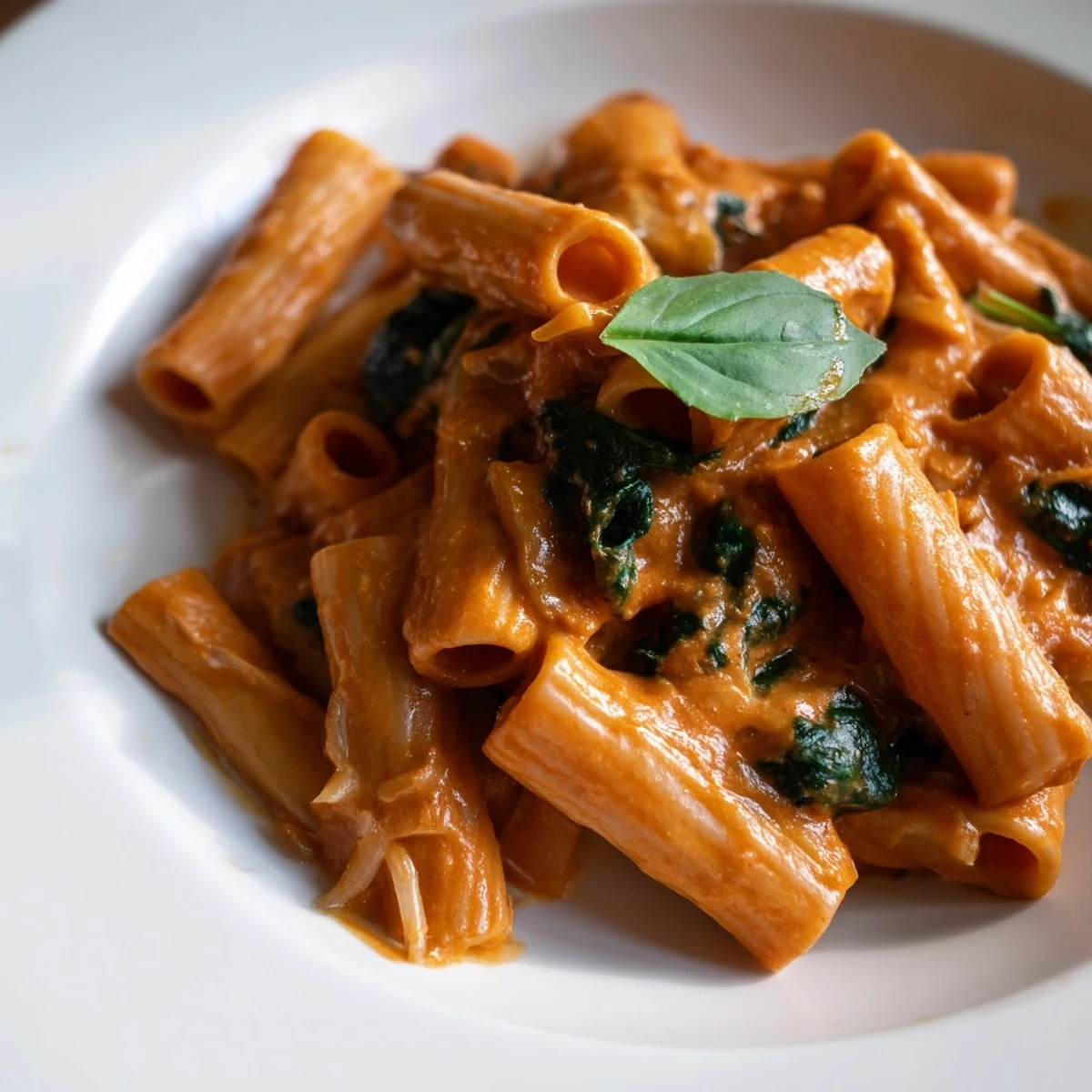
 This pasta has become my go-to when someone needs comforting. Last month a friend was going through a breakup and I showed up at her door with a container of this. She texted me two hours later saying it was the first thing she had actually enjoyed eating in days.
Make It Your Own
The beauty of this sauce is that it plays nicely with so many additions. I have stirred in roasted cherry tomatoes that burst while you eat, sautéed mushrooms for earthiness, and even frozen peas when I needed some green but only had pantry staples on hand.
What To Serve With It
A crisp white wine like Sauvignon Blanc cuts through the richness perfectly. If you are not drinking, sparkling water with a squeeze of lemon does the same job—bright and refreshing against the creamy pasta. A simple green salad with an acidic vinaigrette balances the meal nicely.
Storage And Reheating
This keeps beautifully in the refrigerator for up to four days. The sauce actually thickens as it sits, so when reheating, splash in a little water or plant milk to loosen it back up. I have also frozen portioned leftovers for those nights when cooking feels impossible.
- Reheat gently over low heat, stirring frequently to prevent separating.
- The pasta will absorb more sauce as it sits, so do not worry if it looks thicker the next day.
- Bring to room temperature before reheating for more even warming.
 Save to Pinterest
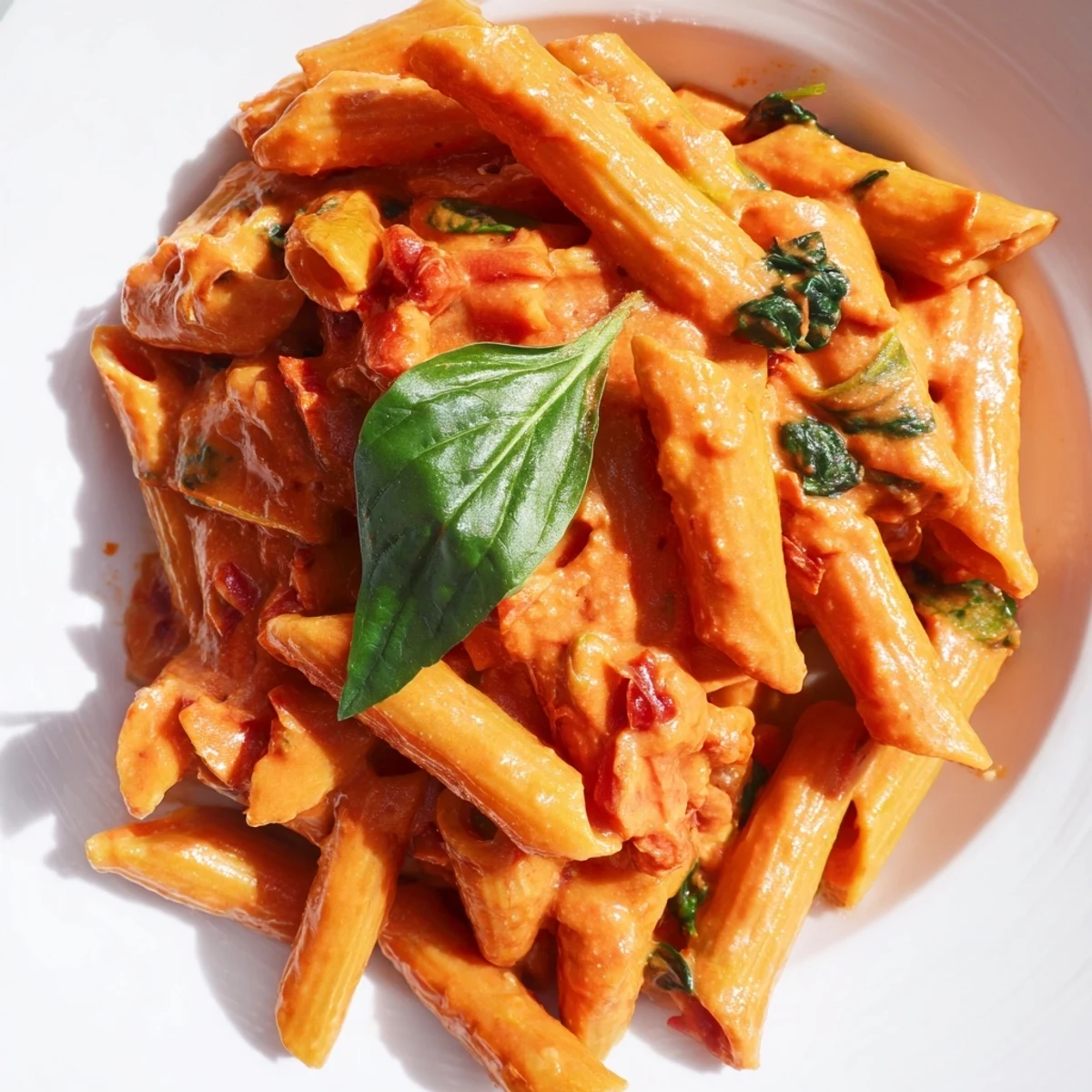
 Sometimes the simplest meals become the most meaningful. This pasta started as an experiment and ended up being the dish I make for everyone I love.
Recipe FAQs
- → Can I make the sauce ahead of time?
-
Yes, blend the sauce up to 24 hours in advance and store in an airtight container in the refrigerator. When ready to serve, gently reheat on the stove, adding a splash of plant milk to restore consistency if needed. The pasta should be cooked fresh for best texture.
- → What can I substitute for cashews?
-
Sunflower seeds or raw macadamia nuts work as direct substitutes for cashews. For a nut-free version, use silken tofu or coconut cream from a can—though the flavor profile will shift slightly. Each alternative still provides that creamy, luxurious texture.
- → Is this suitable for meal prep?
-
Absolutely. The pasta and sauce reheat beautifully. Store in individual containers for up to 4 days. The sauce may thicken in the fridge, so add a splash of warm water or plant milk when reheating to regain that silky consistency.
- → How can I add more protein?
-
Stir in white beans, chickpeas, or lentils during the final minutes of cooking. Pan-seared tofu or tempeh cubes also make excellent additions. The cashews already provide 14g of protein per serving, but legumes will boost it further while adding texture.
- → Can I use fresh tomatoes instead?
-
Fresh tomatoes won't provide the same concentrated, intense flavor as sun-dried. However, you could roast cherry tomatoes until shriveled and sweet, then blend them with the other sauce ingredients. This adds prep time but maintains that deep tomato essence.
- → What type of pasta works best?
-
Penne, fusilli, and spaghetti all perform wonderfully. The ridges in penne and spirals of fusilli catch the creamy sauce beautifully, while spaghetti delivers elegant, coated strands. Choose whatever shape you enjoy most—even rigatoni or farfalle work great.