
 Save to Pinterest
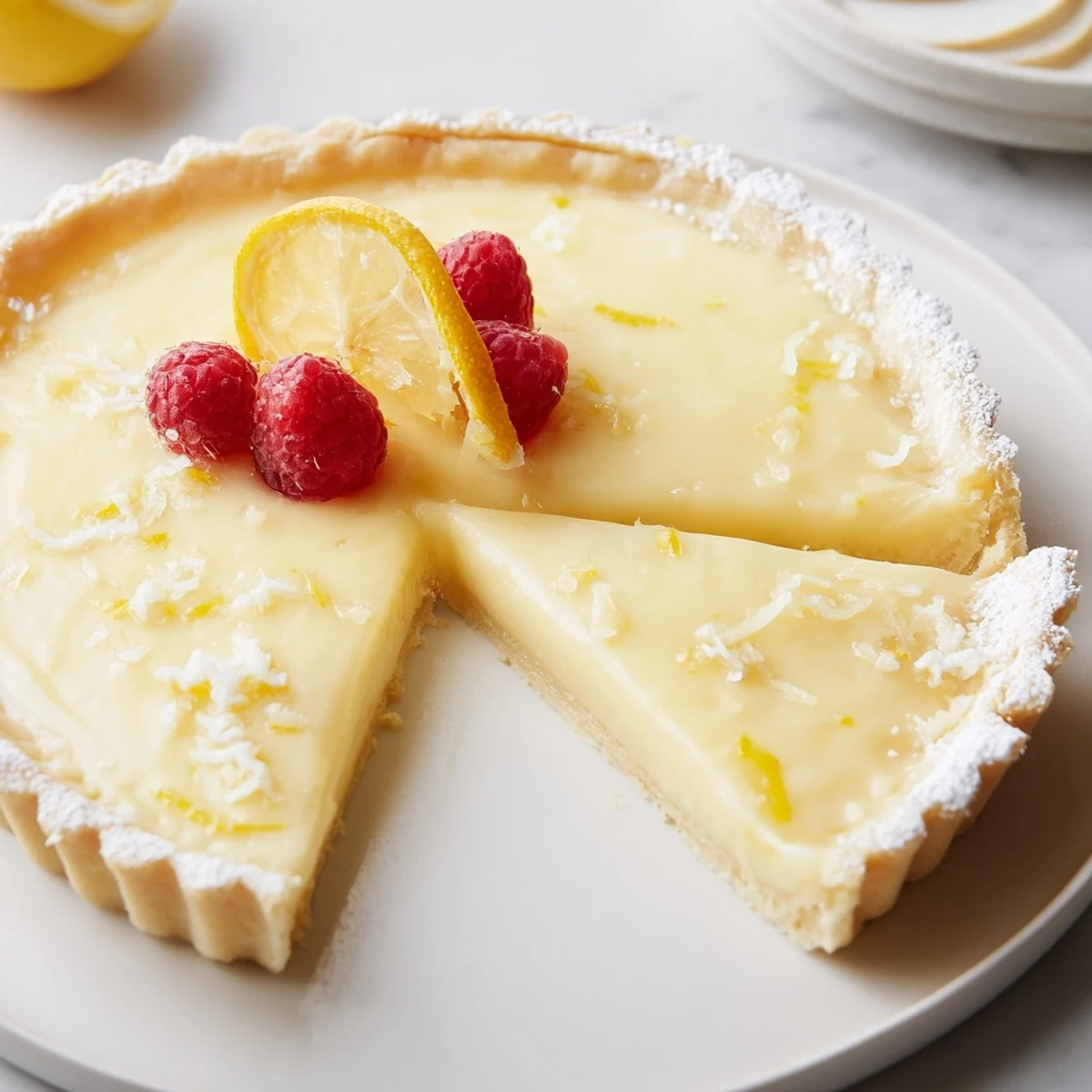
 Preheat to 350°F and blind-bake a cold, buttery crust until golden. Whisk heavy cream, sugar, whole eggs, and yolks with finely grated lemon zest and fresh juice until smooth. Pour into the warm shell and bake gently at 300°F until the edges are set and the center remains slightly jiggly. Cool completely, then refrigerate at least one hour to firm the silky lemon custard.
Use very cold butter for a tender crust, grate zest finely for even citrus flavor, and finish with a dusting of powdered sugar or fresh berries before serving.
The first time I ever tasted a truly creamy lemon tart, it was in a sun-drenched kitchen with the scent of zest settling on my fingertips. The play of tang and silkiness was so unexpected it made me laugh out loud and reach for a second forkful. Sometimes the easiest pleasures slip into your life on a Tuesday afternoon, after you’ve impulsively brought home a few extra lemons and the week needs brightening. This tart became my rainy day excuse to turn citrus and cream into sunshine on a plate.
Last spring, I brought this tart to a neighbor’s backyard brunch, slightly anxious the filling might have set too softly. To my surprise, a chorus of clinking forks and happy sighs made me realize it was the right kind of wobbly—rich and bright enough to disappear faster than I could slice. Watching people sneak a second piece made me grin behind my coffee mug.
Ingredients
- All-purpose flour: Sifted for a delicate crumb, it forms the foundation of a tender yet sturdy crust.
- Powdered sugar: This blends smoothly, making for a melt-in-the-mouth pastry with just a hint of sweetness.
- Salt: Just a pinch balances out the buttery richness in both crust and cream.
- Unsalted butter (cold and cubed): Cold butter ensures those irresistible flaky layers I learned to cherish after a few soggy tart bases.
- Egg yolk: Adds richness and color while binding the crust; reserving the white for another treat is always my plan.
- Cold water: Only as much as the dough needs—too much leads to a tough bite, which I discovered after an early miscalculation.
- Heavy cream: This is the secret to a filling that’s creamy and luscious rather than eggy.
- Granulated sugar: Enough to temper the tartness, but not so much that it overpowers the lemons.
- Eggs and egg yolks: The combination gives body and silkiness to the filling; I always tap each egg on the counter for luck.
- Lemon zest: Use a fine microplane—the scent as it hits the cream is half the magic.
- Fresh lemon juice: The freshest you can squeeze, since bottled juice never delivers the same fragrance or balance.
- Powdered sugar (for dusting): A flurry of this just before serving makes every slice look bakery-worthy.
- Fresh berries or candied lemon slices: Optional, but a favorite flourish when I want the tart to look as bright as it tastes.
Instructions
- Get your oven ready:
- Set your oven to 350°F (175°C) and let the warm air fill the kitchen while you gather your ingredients.
- Blend your crust base:
- Pile the flour, powdered sugar, and salt into a food processor and pulse just until the mixture looks like sandy pebbles.
- Add butter and yolk magic:
- Drop in cold butter cubes and blend until you hear the crumbs clattering together, then pulse in egg yolk and water until you can just squish it together in your palm.
- Chill and shape:
- Turn the dough onto a floured surface, shape it gently into a disk, wrap, and chill for 30 minutes so it rolls out like a dream.
- Line the tart pan:
- Roll dough to about 3 mm thick, nestle into a tart pan, trim, and prick the base so it puffs just enough.
- Blind bake:
- Freeze the crust briefly, line with parchment, fill with pie weights, and bake until the edges are kissed with gold. Remove weights for the last few minutes so the bottom crisps up just right.
- Cool and lower heat:
- Let the crust breathe on the counter and adjust the oven to 300°F (150°C) for a gentle filling bake.
- Mix the creamy filling:
- In a bowl, whisk together cream, sugar, eggs, yolks, zest, lemon juice, and a pinch of salt until frothy and completely smooth—no streaks allowed.
- Fill and bake:
- Pour the lemon mixture into the slightly cooled crust and carefully return to the oven; bake until the center quivers ever so gently when nudged.
- Chill and garnish:
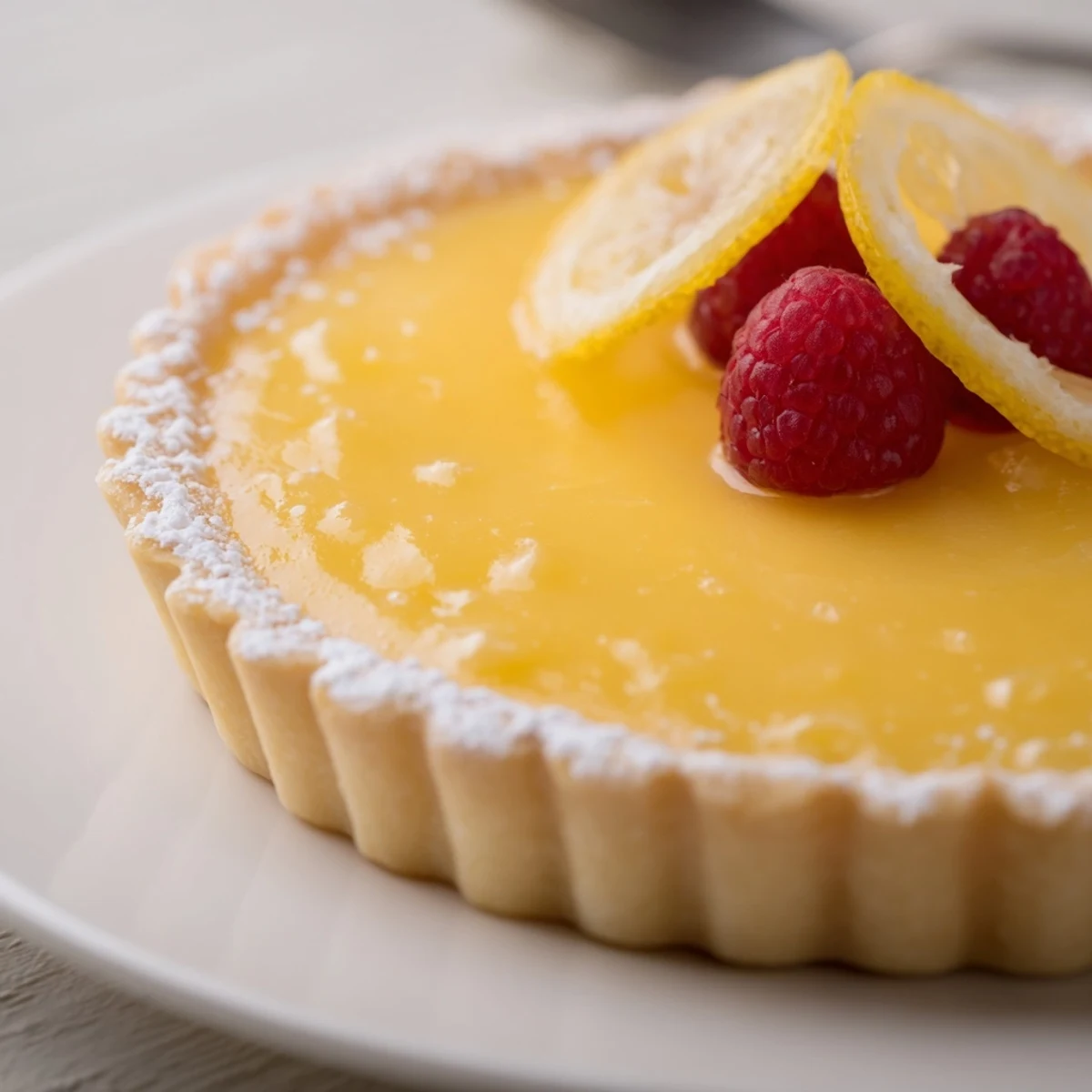
- Cool the tart fully, then chill for at least an hour before dusting with sugar and crowning with berries or candied lemon.
 Save to Pinterest
 There was a quiet afternoon when I sliced the tart for a friend who needed cheering up; we ended up eating it straight off the kitchen counter, laughing as the powdered sugar stuck to our fingers. In that moment, the ordinary became something a little bit special, and this tart earned its place as my go-to treat for turning around a tough day.
Making The Crust Foolproof
I used to be intimidated by pastry, mostly because impatient fingers warm the butter too quickly, making for a less-than-crisp result. Chilling everything—from the mixing bowl to the rolling pin—turned it from frustration to fun, and the crust snapped perfectly under my fork at last. If you don’t own a food processor, using a pastry blender works just as well with a little extra care.
Lemon Zest and Aroma
Using a microplane to zest the lemons fills the kitchen with the sort of fragrance that makes you pause and inhale, savoring those citrus oils. I’ve found that grating straight over the bowl catches even the tiniest bursts of aroma. When I added just a little more zest than the recipe called for one year, the tart gained an extra spark without turning bitter.
Perfect Timing for Creamy Filling
Judging when the filling is set is part instinct, part watching for the gentle wobble at the center. If baked too long, the creamy texture can turn dense or curdle—so I set a timer but always trust my eyes a bit more than the clock. Letting it chill for the full hour keeps the slices neat and keeps patience from being punished.
- Use an oven thermometer if yours is unreliable.
- Let the tart cool in the pan before transferring.
- Wipe the knife between cuts for picture-perfect slices.
 Save to Pinterest
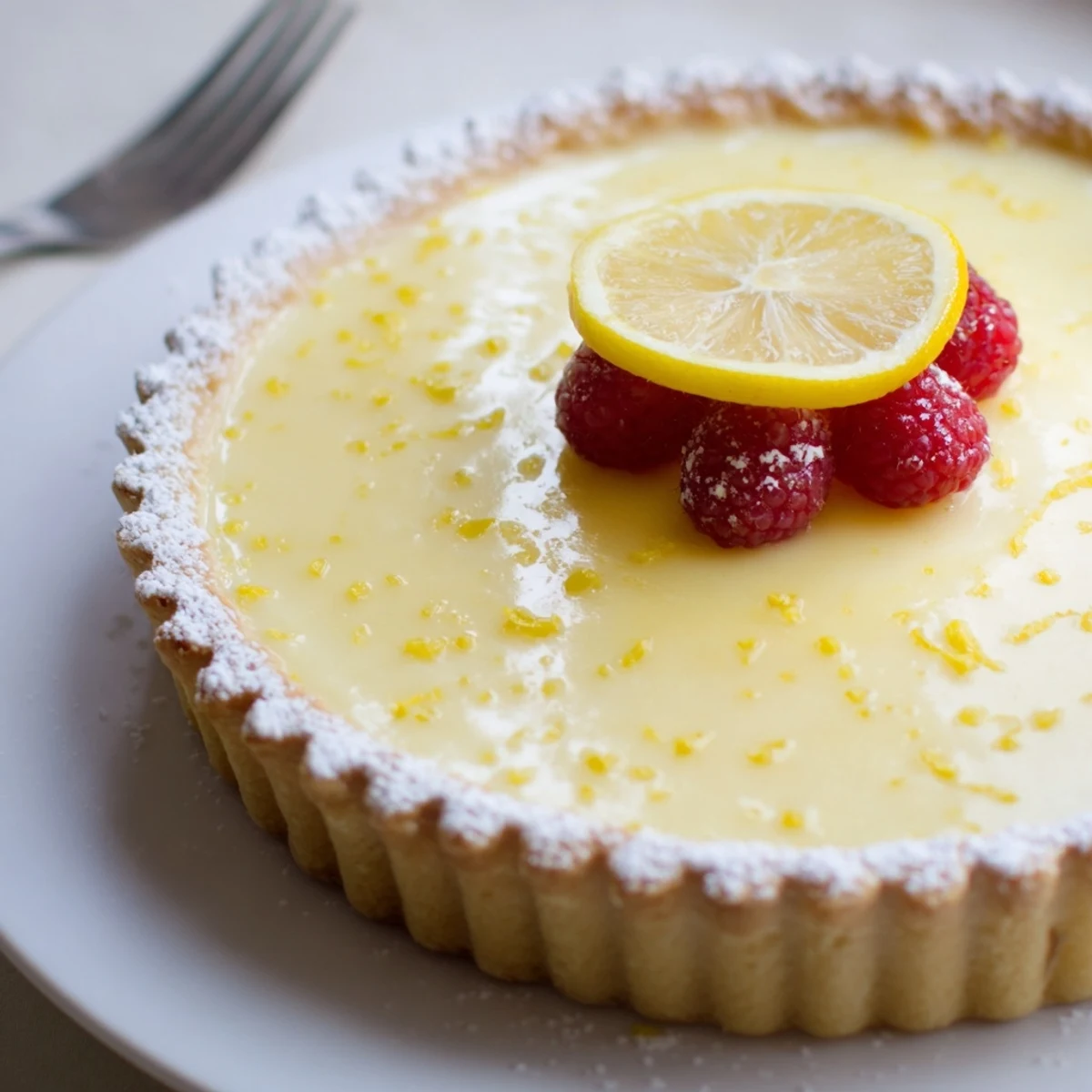
 May this tart bring a pop of lemony brightness to your kitchen whenever you need it—it’s the best excuse I know for inviting someone over and making an ordinary day a little more memorable.
Recipe FAQs
- → How can I prevent the filling from cracking?
-
Bake at a lower temperature once the custard is in the shell and remove it when the edges are set but the center still jiggles slightly; residual heat will finish cooking while it cools, reducing cracking.
- → Can I make the crust without a food processor?
-
Yes — use a pastry blender or two forks to cut cold cubed butter into the dry ingredients until crumbly, then add yolk and ice water until the dough just comes together.
- → How do I get a crisp bottom crust?
-
Blind-bake the crust with parchment and pie weights until golden, then remove weights and bake a few minutes more. Freezing the shaped shell for 10 minutes before baking also helps prevent shrinkage.
- → Can I adjust the tart to be less sweet?
-
Reduce the granulated sugar slightly and rely on bright lemon juice and zest for flavor balance; taste the filling before baking and adjust carefully to avoid curdling the eggs.
- → How should the tart be stored and how long does it keep?
-
Cover and refrigerate the chilled tart; it keeps well for 2–3 days. Avoid leaving it at room temperature for extended periods due to the egg and dairy content.
- → Any tips for extra lemon brightness?
-
Use finely grated zest stirred into the filling and consider a teaspoon of good-quality vanilla or a touch of cream for rounded aroma without masking the citrus.