
 Save to Pinterest
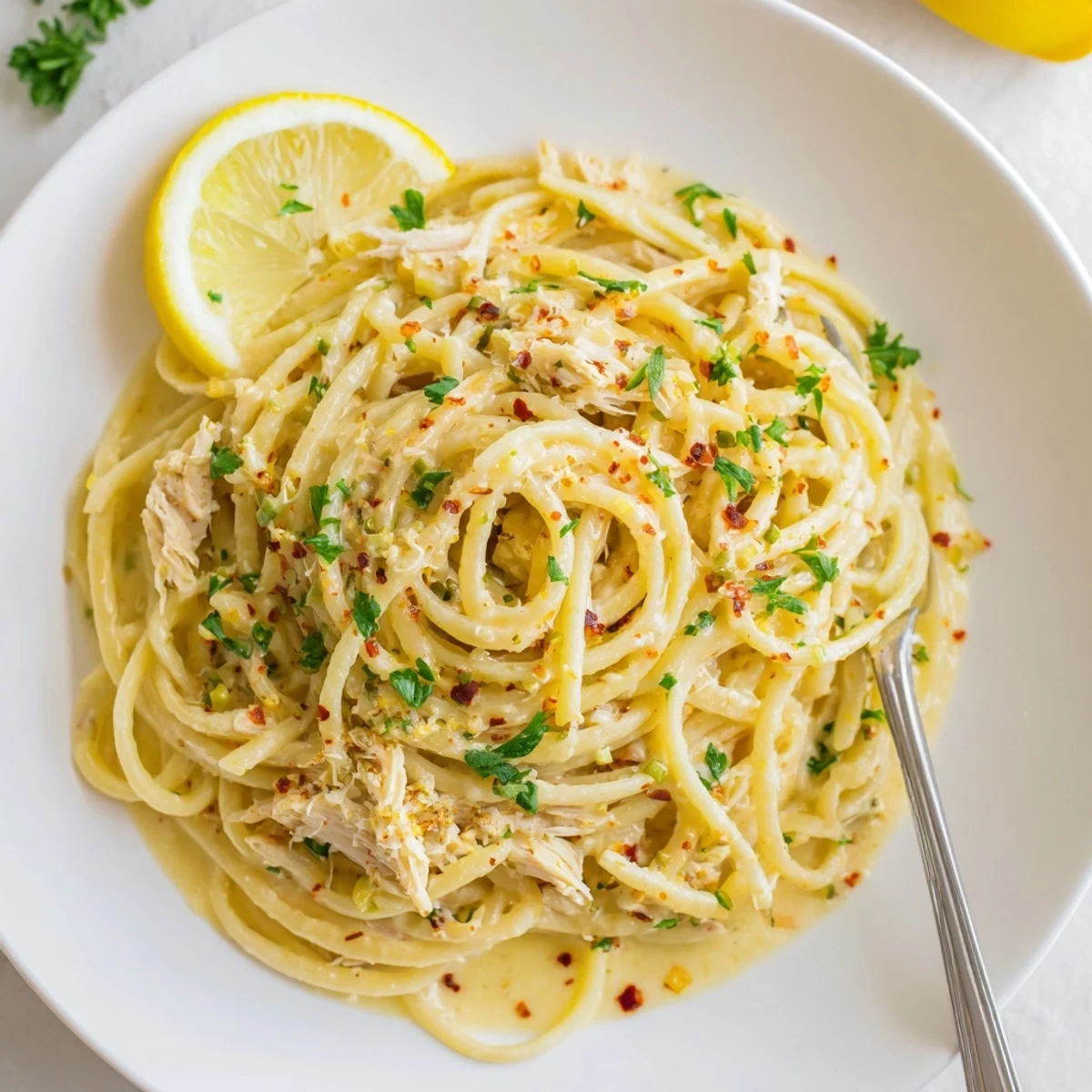
 This quick, savory pasta features a glossy cowboy butter sauce made by melting butter with garlic, Dijon, smoked paprika, red pepper flakes and a splash of Worcestershire, then brightened with lemon, parsley and chives. Tossed with al dente pasta and a little reserved pasta water, it clings to the noodles. Fold in shredded chicken or steak if desired and serve with parmesan and lemon wedges.
The skillet was sizzling louder than the country station on my friends radio the night she threw together what she called cowboy butter on a random Tuesday in her tiny apartment kitchen.
We stood around her counter slurping noodles straight from the pan, grease on our chins, completely unable to stop eating.
Ingredients
- 12 oz pasta (linguine, spaghetti, or fettuccine): Long noodles grab the buttery sauce best so choose whichever shape makes you happy.
- 1/2 cup unsalted butter: This is the foundation of the entire sauce so use good quality butter if you can find it.
- 4 garlic cloves, minced: Fresh garlic makes a difference here, do not reach for the jarred stuff.
- 1 tablespoon Dijon mustard: It adds a tangy depth that most people never expect from a butter sauce.
- 1 teaspoon smoked paprika: This is what gives cowboy butter its signature smoky warmth.
- 1/2 teaspoon crushed red pepper flakes: Adjust up or down depending on how much fire you like.
- 1 teaspoon Worcestershire sauce: A small amount adds umami that makes the sauce feel deeply savory.
- Zest and juice of 1 lemon: The bright acidity cuts through the richness and balances every bite.
- 1/4 cup chopped fresh parsley: Use fresh herbs here, dried parsley will not give you the same vibrant color or flavor.
- 2 tablespoons chopped fresh chives: Their mild onion flavor rounds out the herb mix beautifully.
- 1 teaspoon kosher salt and 1/2 teaspoon black pepper: Seasoning is essential to make all those bold flavors pop.
- Optional protein (shredded chicken or grilled steak): Toss it in to make this a heartier meal.
- Grated parmesan and lemon wedges for serving: Entirely optional but highly recommended for finishing.
Instructions
- Boil the Pasta:
- Cook your pasta in a large pot of well salted boiling water until just al dente, then scoop out half a cup of that starchy water before draining.
- Build the Butter Base:
- Melt the butter in a large skillet over medium heat and let it foam slightly before adding the garlic, stirring until your whole kitchen smells incredible.
- Add the Bold Flavors:
- Stir in the Dijon mustard, smoked paprika, red pepper flakes, Worcestershire sauce, lemon zest, and lemon juice, cooking for one to two minutes while everything bubbles and merges.
- Finish the Sauce:
- Toss in the parsley, chives, salt, and pepper, stirring so the herbs wilt gently into the golden butter.
- Marry Pasta and Sauce:
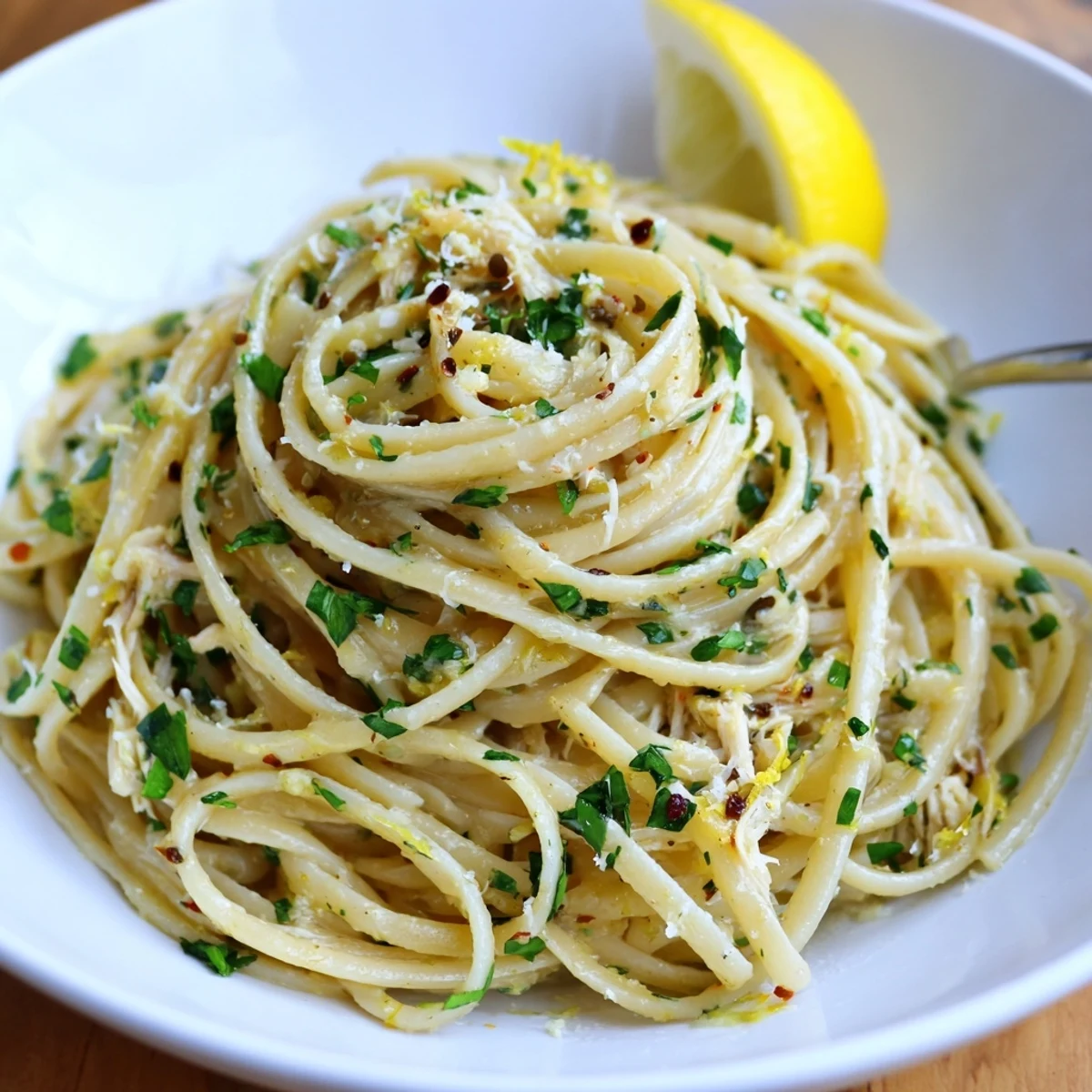
- Dump the drained pasta into the skillet and toss enthusiastically, splashing in reserved pasta water a little at a time until the sauce turns glossy and hugs every strand.
- Optional Protein Addition:
- Fold in shredded chicken or sliced steak if using and let it warm through for two minutes.
- Serve Immediately:
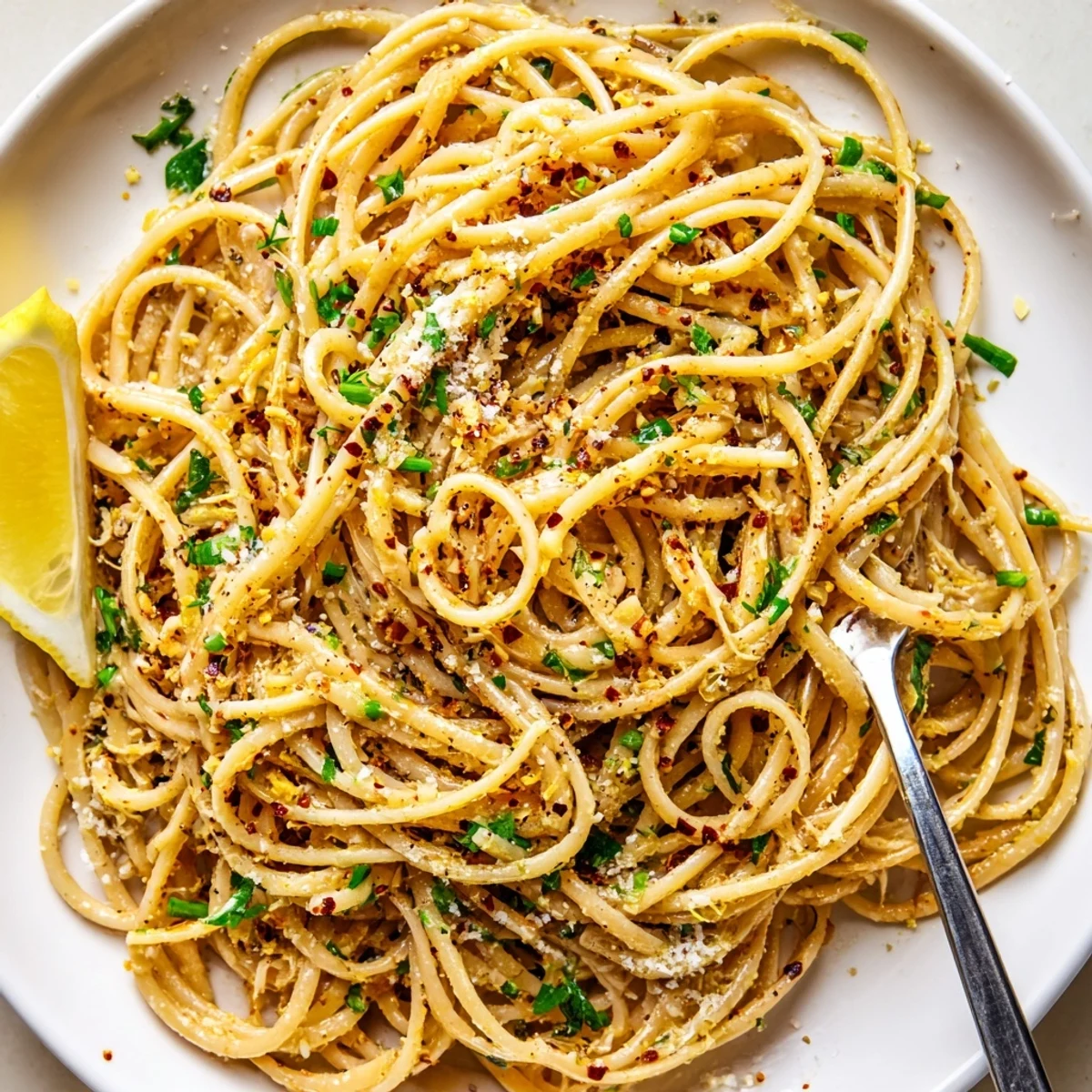
- Plate it up with extra herbs, a shower of parmesan, and lemon wedges on the side for anyone who wants more brightness.
 Save to Pinterest
 That night in my friends kitchen taught me that the best meals are rarely the planned ones.
Smart Swaps and Variations
Shrimp seared in the cowboy butter before adding the garlic turns this into something that would impress at a dinner party. For a vegetarian version, sautéed mushrooms add meaty texture and soak up the sauce like little sponges. You could even serve the finished sauce over zucchini noodles if you want something lighter.
What to Watch Out For
The lemon zest can overpower everything if you go too heavy, so stop at one lemon even if you are tempted to add more. Worcestershire sauce sometimes contains anchovies so check the label if you are cooking for vegetarians. Also remember that the sauce thickens as it sits so serve it right away for the best texture.
Tools That Make This Easier
A large skillet gives the pasta room to toss and coat evenly without making a mess on your stove. Keep a measuring cup near the pot so you remember to save that pasta water before draining. A microplane zester makes quick work of the lemon and garlic if you want to skip mincing.
- A wooden spoon is gentler on your skillet than metal and gives you better control when tossing.
- Have everything chopped and measured before you start because the sauce comes together fast.
- Taste the sauce before adding the pasta so you can adjust salt or heat to your liking.
 Save to Pinterest
 Some recipes become staples not because they are fancy but because they make a regular Tuesday feel like a celebration.
Recipe FAQs
- → How do I control the heat level?
-
Start with less crushed red pepper and taste as you go. The smoked paprika adds warmth without much heat; add flakes in small increments or omit them for a milder finish.
- → Can I make this vegetarian?
-
Yes—skip the optional meat and boost texture with sautéed mushrooms, roasted cauliflower, or toasted chickpeas. Check Worcestershire for anchovies if avoiding fish-derived ingredients.
- → Which pasta shape works best?
-
Long strands like linguine or spaghetti pick up the glossy butter sauce well, but fettuccine or bucatini also work. Short shapes like rigatoni are fine if you prefer bite-sized pieces.
- → How do I keep the sauce from separating or feeling greasy?
-
Reserve pasta water and add it gradually while tossing; the starch helps emulsify the butter into a silky, clingy sauce. Use medium heat and remove from heat briefly if the sauce looks oily.
- → Can I prepare parts of this ahead of time?
-
Yes—make the butter sauce and refrigerate. Reheat gently over low heat, add a splash of pasta water to loosen, then toss with freshly cooked pasta just before serving.
- → What protein substitutions work well?
-
Shredded rotisserie chicken, grilled steak strips, shrimp, or pan-seared tofu all pair nicely. Add cooked protein at the end and warm through for two minutes so flavors meld without overcooking.