
 Save to Pinterest
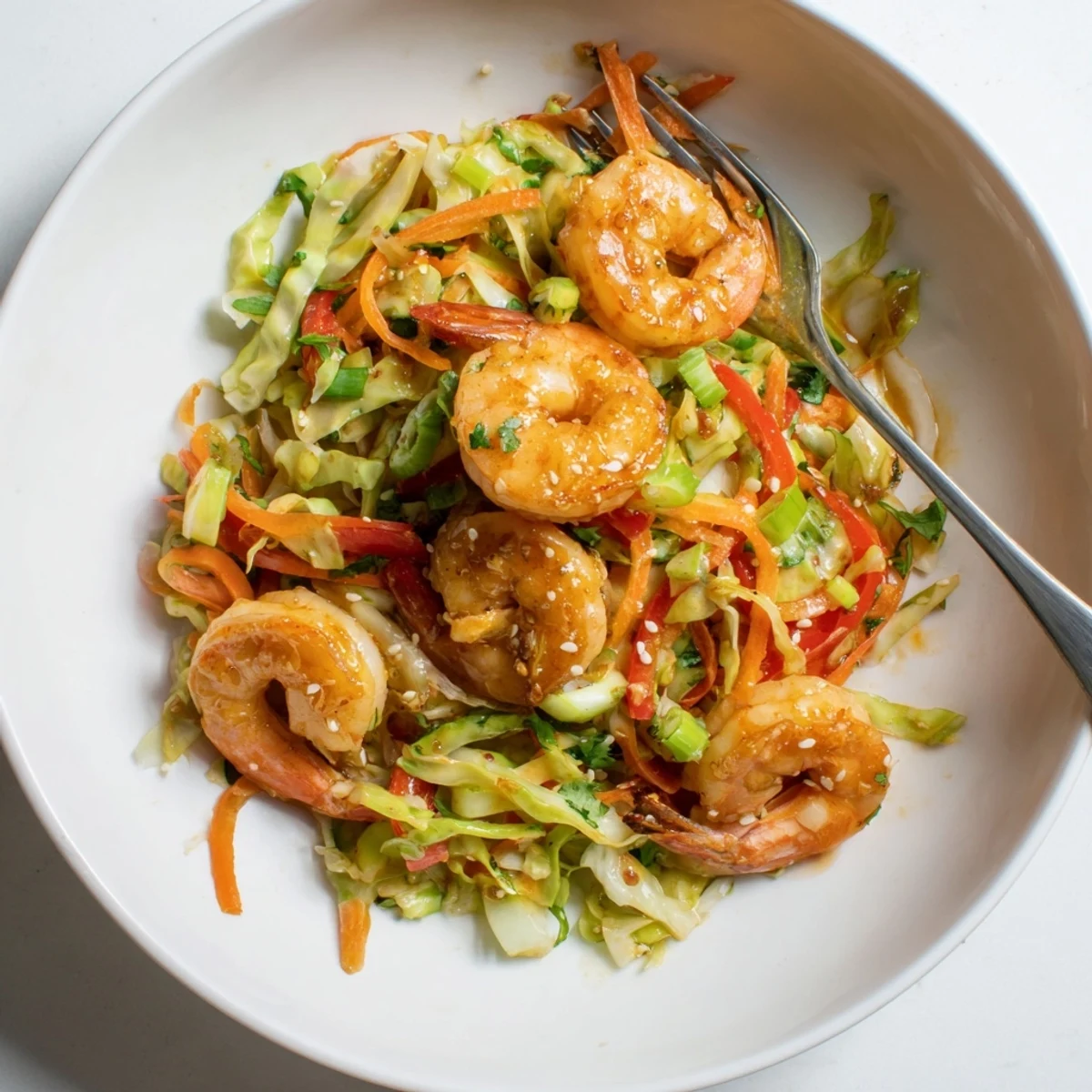
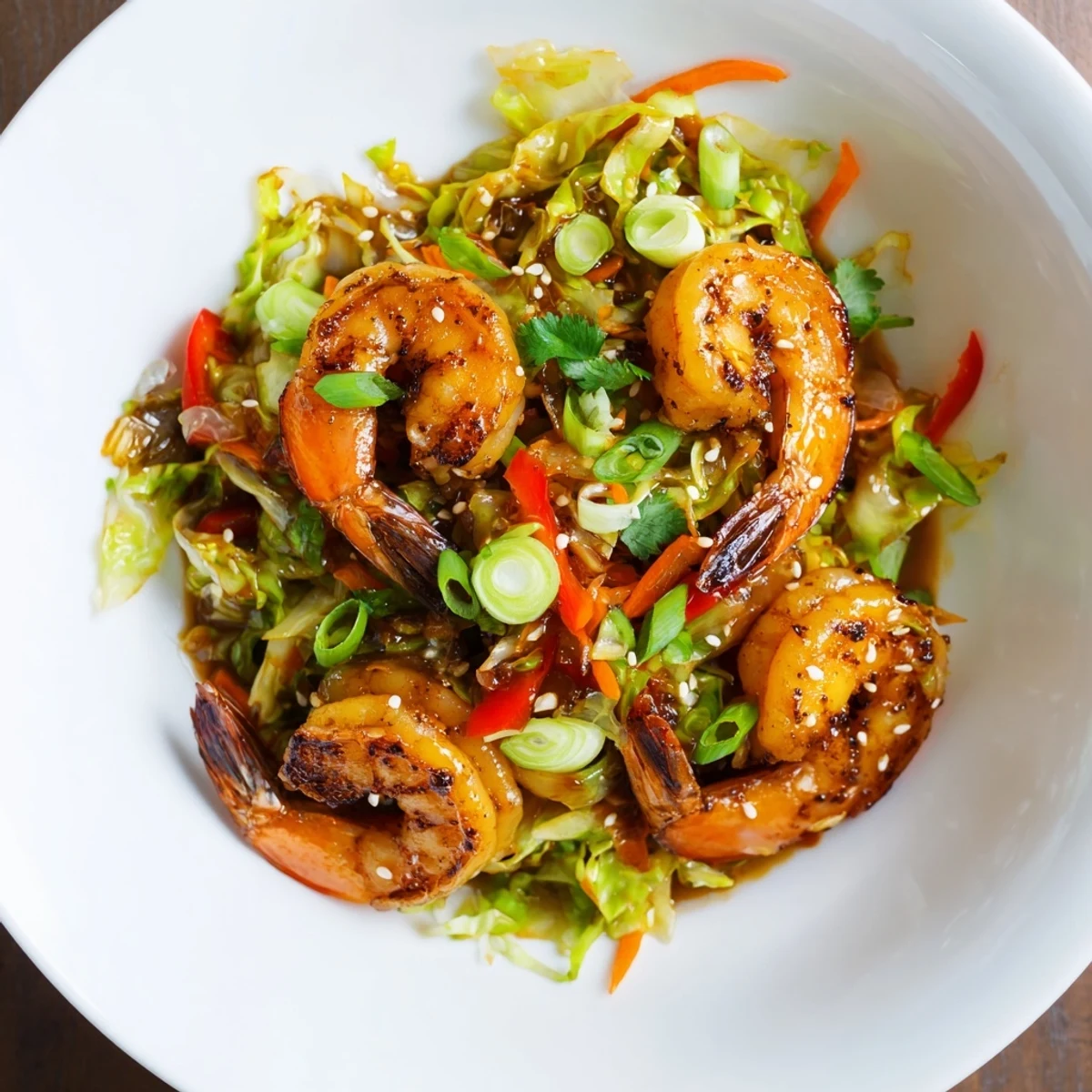
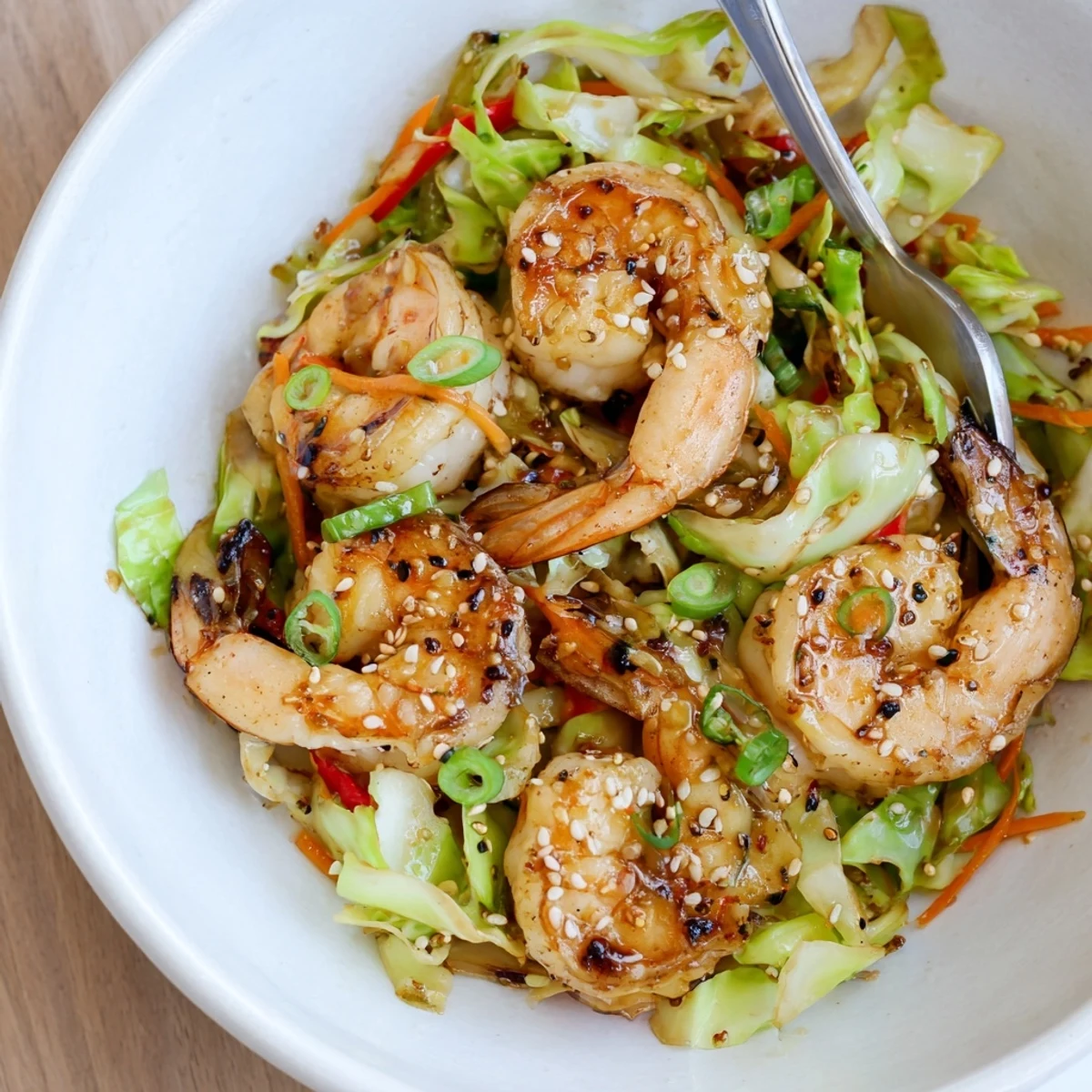
 Ready in about 25 minutes, this dish begins by searing peeled shrimp until just opaque, then sautéing garlic, ginger and thinly sliced cabbage, carrot and bell pepper until crisp-tender. Return the shrimp and quickly coat everything in a savory soy-oyster-rice vinegar sauce with a touch of sesame oil and honey. Garnish with green onions and toasted sesame seeds; swap tamari for a gluten-free option and serve with rice or cauliflower rice.
The sizzle of shrimp hitting a screaming hot wok is one of those sounds that instantly makes a kitchen feel alive, and this stir fry delivers that satisfaction every single time. I threw it together one Tuesday when the fridge held nothing but half a cabbage and a bag of shrimp, and it turned into the kind of meal that made me put down my phone and actually taste my food. Twenty five minutes later my roommate was scraping the pan clean and asking when I was making it again. That random weeknight dinner became a permanent fixture in our house.
My friend Lena came over one evening visibly exhausted from a brutal workday, and I silently pushed a plate of this across the counter toward her. She stood there eating, still wearing her coat, and about halfway through she finally exhaled and said this is exactly what I needed. Food does that sometimes, speaks when words fall short.
Ingredients
- 1 lb large shrimp, peeled and deveined: Fresh or frozen both work beautifully, but pat them completely dry with paper towels so they sear instead of steam.
- 4 cups green cabbage, thinly sliced: Slice it thin and at an angle so the shreds cook quickly and still keep a satisfying crunch.
- 1 medium carrot, julienned: Cut them into thin matchsticks so they cook at the same rate as the cabbage and pepper.
- 1 red bell pepper, thinly sliced: The sweetness balances the savory depth of the sauce perfectly.
- 3 green onions, sliced: Save these for the very end so they stay bright and fresh.
- 2 cloves garlic, minced: Fresh garlic makes a real difference here, do not reach for the jarred stuff.
- 1 inch fresh ginger, grated: Grate it directly into the pan for the most potent flavor.
- 3 tbsp soy sauce or tamari: Tamari keeps it gluten free and actually has a richer, deeper flavor.
- 1 tbsp oyster sauce: This is the secret weapon that gives the sauce its restaurant quality depth.
- 1 tbsp rice vinegar: Just enough acidity to brighten everything without making it sour.
- 2 tsp sesame oil: A little goes a long way and adds that unmistakable toasty aroma.
- 1 tsp honey or brown sugar: Balances the salt and acid so nothing tastes harsh.
- 1/4 tsp crushed red pepper flakes: Optional but highly recommended for a gentle warmth.
- 2 tbsp vegetable oil: Use a neutral oil with a high smoke point for proper stir frying.
- Toasted sesame seeds and fresh cilantro for garnish: The finishing touches that make it look as good as it tastes.
Instructions
- Whisk the sauce together:
- Combine soy sauce, oyster sauce, rice vinegar, sesame oil, honey, and red pepper flakes in a small bowl. Give it a taste and adjust if you want it sweeter or spicier.
- Sear the shrimp:
- Heat one tablespoon of oil in your wok over medium high heat until it shimmers, then toss in the shrimp in a single layer. Let them cook undisturbed for about a minute before flipping, and pull them as soon as they turn pink.
- Wake up the aromatics:
- Add the remaining oil, then immediately drop in the garlic and ginger, stirring constantly for about thirty seconds until your kitchen smells incredible.
- Stir fry the vegetables:
- Add the cabbage, carrot, and bell pepper all at once and toss vigorously for three to four minutes. You want them tender but still snapping with texture.
- Bring it all together:
- Return the shrimp to the wok, pour the sauce over everything, and toss continuously for one to two minutes until every strand and every shrimp is coated and glossy.
- Finish and serve:
- Kill the heat, scatter green onions, sesame seeds, and cilantro over the top, and serve immediately while the wok is still sizzling.
 Save to Pinterest
 This dish became my unofficial therapy meal during a particularly chaotic apartment move, eaten cross legged on the kitchen floor surrounded by half packed boxes. Something about the crunch of the cabbage and the savory punch of that sauce made the chaos feel manageable.
Making It Your Own
The beauty of a stir fry is its forgiving nature, so toss in snap peas, mushrooms, or broccoli florets if that is what you have hanging around. I have made this with leftover roasted chicken and even pressed tofu on nights when shrimp was not in the budget, and it always works. Think of the recipe as a solid framework rather than a rigid set of rules.
Serving Suggestions
Piled over steamed jasmine rice this is pure comfort, but cauliflower rice keeps it low carb without losing any of the satisfaction. A drizzle of sriracha across the top elevates everything if you like it fiery. Sometimes I fold the leftovers into a wrap the next day and that might be even better than the original meal.
Tools and Timing
A well seasoned wok is ideal but a large skillet works perfectly fine, just make sure it is wide enough to give the ingredients room to breathe. Have everything chopped and measured before you turn on the heat because once the cooking starts it moves fast. This is the kind of recipe that rewards being organized.
- Prep all vegetables and sauce before the stove goes on.
- Keep a clean plate next to the wok for the shrimp.
- Serve immediately because stir fry waits for no one.
 Save to Pinterest
 Keep this recipe close because it will rescue you on more busy weeknights than you can count. Simple, vibrant, and endlessly adaptable, it is the kind of cooking that reminds you why homemade dinner is always worth the effort.
Recipe FAQs
- → How do I tell when the shrimp are done?
-
Shrimp cook very quickly; remove them when they turn opaque and curl slightly, usually 2–3 minutes. Overcooking makes them tough, so briefly sear, then finish in the pan with the sauce.
- → How can I keep the cabbage crisp and not soggy?
-
Slice the cabbage thinly and stir-fry over high heat for just a few minutes until it’s tender-crisp. Avoid adding too much liquid at once and cook vegetables in a hot, well-oiled wok or skillet.
- → What can I use instead of oyster sauce?
-
Use a splash more soy or tamari with a pinch of sugar and a little fish sauce for depth. For vegetarian swaps, use a mushroom-based sauce or extra soy with a drizzle of hoisin.
- → How do I make this gluten-free?
-
Substitute tamari for soy sauce and choose a gluten-free oyster sauce or omit it. Check labels carefully and use certified gluten-free condiments to avoid cross-contamination.
- → What are good serving options and add-ins?
-
Serve over steamed rice, brown rice, or cauliflower rice for a lower-carb meal. Add snap peas, broccoli, mushrooms or tofu for extra texture and variety.
- → How should leftovers be stored and reheated?
-
Cool quickly and refrigerate in an airtight container for up to 2 days. Reheat gently in a skillet over medium heat to preserve texture; add a splash of water or soy to loosen the sauce if needed.