
 Save to Pinterest
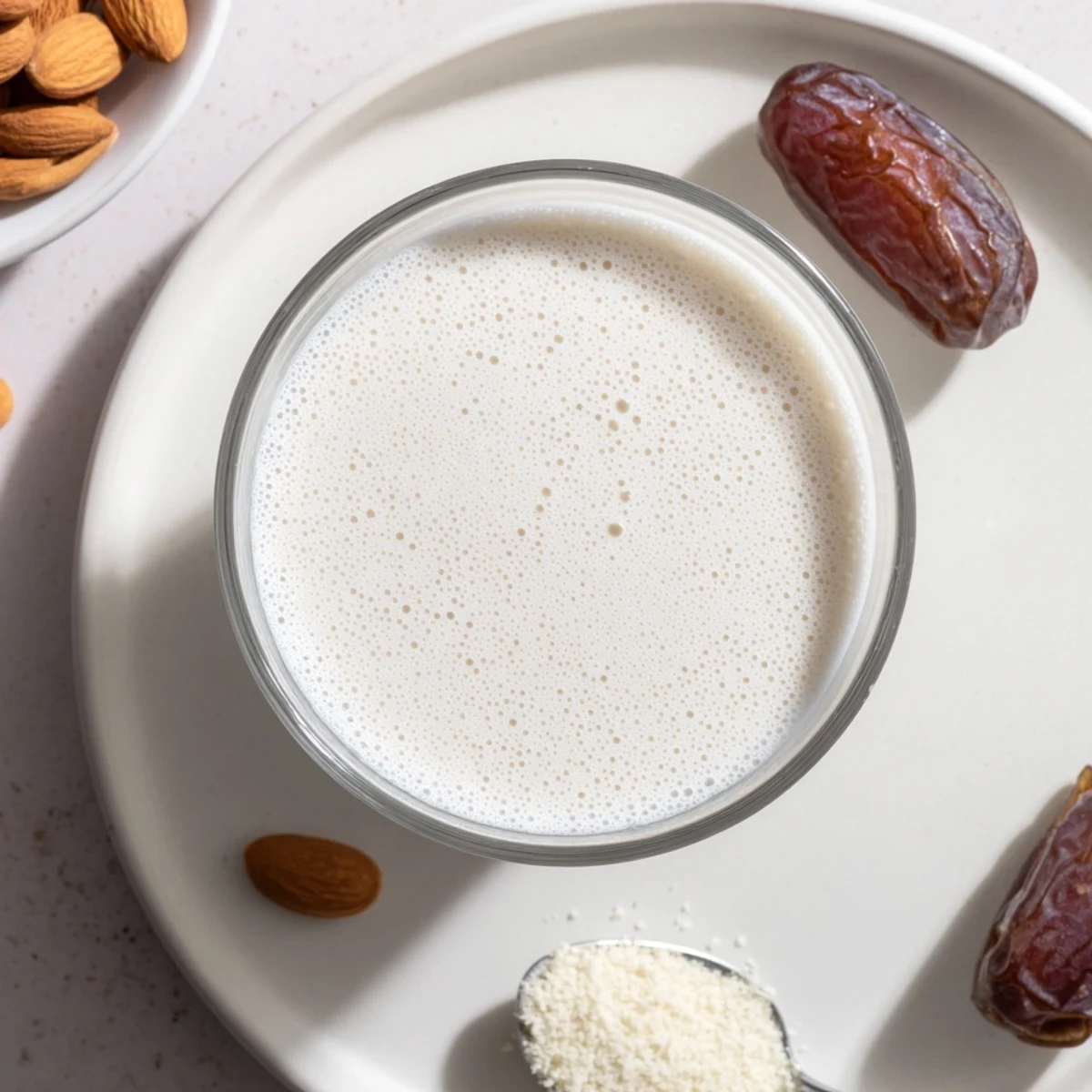
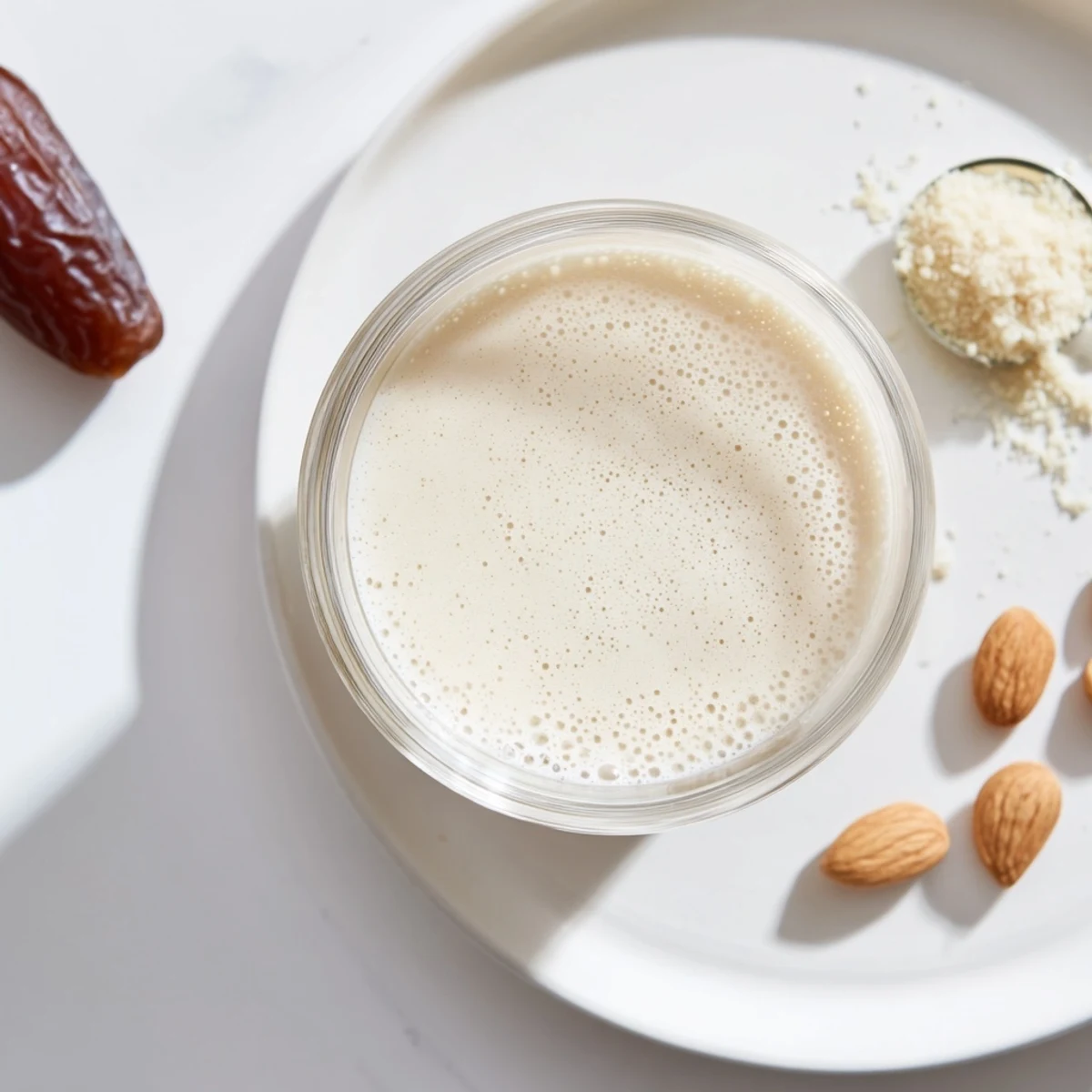
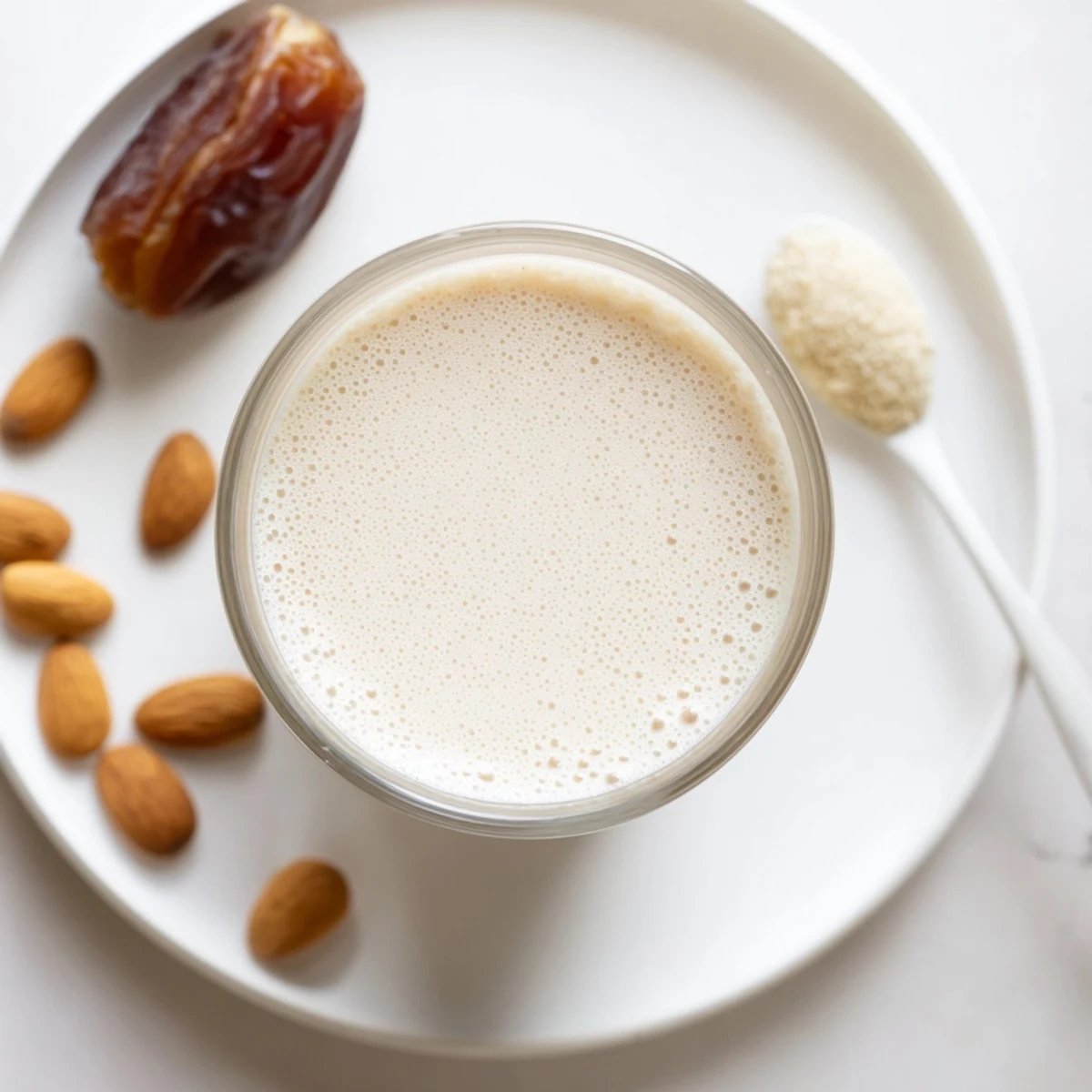
 Make about 1 litre of creamy almond milk by soaking 1 cup (150 g) raw almonds for at least 8 hours, draining, then blending with 4 cups (1 L) filtered water. Optionally add 1–2 dates for sweetness, 1 tsp vanilla and a pinch of salt. Strain through a nut milk bag or cheesecloth, press to extract liquid, bottle and refrigerate. Use within 3–4 days and save the pulp for baking or smoothies.
The whir of my blender at seven in the morning used to drive my roommate absolutely crazy, but once she tasted fresh almond milk in her coffee she stopped complaining and started requesting it. There is something deeply satisfying about making something from scratch that most people only know from a carton. The whole process feels almost meditative once you get the rhythm down. Ten active minutes and you have milk that tastes alive in a way store bought never will.
A friend once watched me strain a batch and said it looked like I was performing some kind of rustic kitchen alchemy. She was right in a way. The transformation from hard little nuts to silky white milk still feels like a small miracle every single time I make it.
Ingredients
- Raw almonds (1 cup, 150 g): Use truly raw almonds, not roasted or salted, because the freshness of the nut determines the entire flavor of your milk.
- Filtered water (4 cups, 1 liter, plus more for soaking): Since water is the primary ingredient, use the best tasting water you have access to.
- Dates, pitted (1 to 2, optional): These add a gentle caramel like sweetness that feels more natural than any refined sugar.
- Vanilla extract (1 tsp, optional): A tiny splash elevates the milk from plain to something you actually want to drink by the glass.
- Sea salt (a pinch, optional): Salt does not make it salty, it simply wakes up every other flavor already present.
Instructions
- The overnight soak:
- Cover your almonds generously with water in a bowl and leave them on the counter for at least eight hours or tuck them into the fridge overnight. You will know they are ready when they look plump and a fingernail presses in easily.
- A good rinse:
- Drain the soaking water completely and rinse the almonds under cool running water until it runs clear. This washes away the tannins that can make your milk taste bitter.
- Into the blender:
- Toss the soaked almonds into your blender with four cups of fresh filtered water and any optional dates, vanilla, and salt. Crank the blender to high and let it run for one to two full minutes until the mixture looks creamy white and no chunks remain.
- The satisfying squeeze:
- Pour the blended mixture through a nut milk bag or several layers of cheesecloth draped over a large bowl. Gather the cloth tight and squeeze firmly with both hands, wringing out every last drop of liquid like you are ringing a wet towel.
- Bottle and chill:
- Transfer your fresh almond milk into a clean glass bottle or jar and pop it into the refrigerator. Give it a hearty shake before each pour because natural separation is actually a sign you made it right.
 Save to Pinterest
 I started keeping a jar of fresh almond milk in the fridge every week after a particularly brutal flu season when dairy just felt too heavy. It became a quiet ritual that signaled I was taking care of myself without making a big fuss about it.
Adjusting Thickness and Richness
Play with the water ratio until you find your personal sweet spot. Three cups of water instead of four yields a luxurious cream that is almost drinkable on its own, while five cups produces something lighter that disappears quickly into oatmeal or smoothies.
Storing Your Fresh Milk
Fresh almond milk lasts three to four days in the refrigerator, which sounds short until you realize how quickly you will go through it. If you see separation, just shake. If it smells sour or tastes off, it is done, and that simplicity is actually the beauty of a preservative free milk.
Flavor Variations Worth Trying
Once you have the basic method dialed in, the flavor possibilities open up wide and keep things interesting week after week.
- Stir in a tablespoon of cocoa powder and a little maple syrup for the best chocolate milk you have ever had.
- Add half a teaspoon of cinnamon and a drizzle of honey for something that tastes like a warm hug in a glass.
- Toss in a handful of strawberries before blending for a pink milk that will make everyone in your kitchen smile.
 Save to Pinterest
 Once you start making almond milk at home, the store bought version will taste like a shadow of the real thing. Your morning coffee deserves this upgrade.
Recipe FAQs
- → How long should I soak the almonds?
-
Soak raw almonds for at least 8 hours or overnight to soften them; this improves blendability and yields a smoother, creamier milk.
- → How can I adjust the milk's creaminess?
-
Reduce the water for a richer, creamier milk or increase it for a thinner texture. Start with 1 cup almonds to 4 cups water and tweak to taste.
- → What are natural sweetening and flavouring options?
-
Blend in 1–2 pitted dates for sweetness, or add 1 tsp vanilla extract. For other flavours try a little maple syrup, cocoa powder, or a pinch of cinnamon.
- → How do I store the milk and how long does it last?
-
Transfer chilled milk to a sealed jar and keep refrigerated. Shake before use. Consume within 3–4 days for best freshness and flavour.
- → What can I do with the leftover almond pulp?
-
Dry or use the pulp in baking, smoothies, granola, or to make crackers. It adds fibre and nutty flavour to many preparations.
- → Can I avoid straining or skip special tools?
-
For the smoothest texture use a nut milk bag or fine cloth, but a fine-mesh sieve can work with extra pressing. Skipping straining keeps a thicker, grainier result.